
Syed Shayan Real Estate Archive
Syed Shayan Real Estate Archive
From Real Estate History
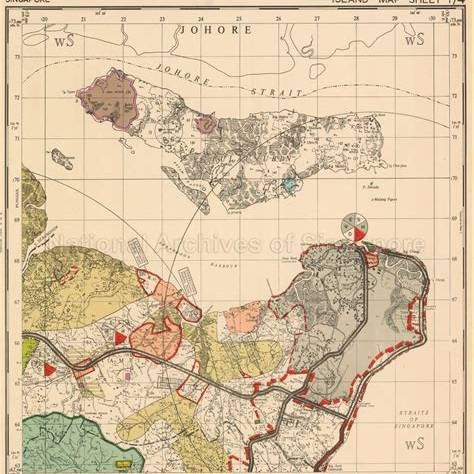
The Governor in Council approved Singapore’s first statutory Master Plan, marking an important turning point in the history of the island’s land use, housing and property development. The approval created a formal planning framework through which the future use of land and buildings across Singapore could be regulated and coordinated.
The plan was based on a diagnostic survey that began in January 1952, while its draft was submitted for consideration in late 1955. Following several years of surveys, consultations and planning work, the final document was approved in August 1958. The approval notice was gazetted on 8 August, when the plan formally came into operation.
The Master Plan consisted of 53 coloured maps covering different parts of Singapore, supported by a detailed Written Statement. Together, these documents showed how the government proposed that land and buildings should be used in the future. Residential areas, commercial centres, industrial land, roads, public facilities and recreational spaces could now be viewed as parts of one coordinated urban system rather than as isolated development projects.
For the property sector, the plan introduced greater order and certainty. Developers, landowners and government agencies could assess proposed construction and changes in land use against an officially approved blueprint. It also allowed planning authorities to guide development density and reserve land for housing, transport, industry and community needs.
The 1958 Master Plan was prepared during a period when Singapore faced serious overcrowding, inadequate housing, traffic congestion and pressure on urban land. Although later population growth, industrialisation and the expansion of public housing required broader planning strategies, the plan established the legal and administrative foundations of modern development control.
Singapore subsequently adopted the 1971 Concept Plan and continued reviewing its Master Plan regularly. Today, the Master Plan remains the country’s statutory land use document, guiding the development of land and property over the medium term.
The approval of 5 August 1958 therefore represented more than the publication of a set of maps. It marked Singapore’s transition towards systematic urban planning and laid an early foundation for its transformation into one of Asia’s most carefully planned property and urban development markets.
▪️Syed Shayan Real Estate Archive
▪ Reference(s):
سنگاپور کے گورنر اِن کونسل نے ملک کے پہلے قانونی ماسٹر پلان کی منظوری دی۔ یہ فیصلہ سنگاپور میں زمین کے استعمال، رہائشی تعمیرات، کمرشل پراپرٹی اور منظم شہری ترقی کی تاریخ میں ایک اہم موڑ ثابت ہوا۔ اس منظوری کے بعد پورے جزیرے میں زمین اور عمارتوں کے مستقبل کے استعمال کو ایک مشترکہ قانونی منصوبے کے تحت منظم کرنے کی بنیاد قائم ہوگئی۔
ماسٹر پلان کی تیاری کیلئے تشخیصی سروے جنوری 1952 میں شروع کیا گیا تھا، جبکہ اس کا ابتدائی مسودہ 1955 کے آخر میں غور کیلئے پیش کیا گیا۔ کئی برس کی تحقیق، نقشہ سازی اور منصوبہ بندی کے بعد حتمی ماسٹر پلان 5 اگست 1958 کو منظور ہوا۔ اس کی منظوری کا سرکاری نوٹیفکیشن 8 اگست کو جاری کیا گیا اور اسی روز منصوبہ باقاعدہ طور پر نافذ ہوگیا۔
یہ ماسٹر پلان سنگاپور کے مختلف علاقوں پر مشتمل 53 رنگین نقشوں اور ایک تفصیلی تحریری دستاویز پر مشتمل تھا۔ ان نقشوں میں مستقبل کے رہائشی علاقوں، تجارتی مراکز، صنعتی زمین، اہم سڑکوں، سرکاری سہولیات، کمیونٹی مقامات اور تفریحی و کھلی جگہوں کی منصوبہ بندی دکھائی گئی تھی۔
رئیل اسٹیٹ کے شعبے کیلئے اس منصوبے کی اہمیت یہ تھی کہ اس نے زمین کی ترقی اور تعمیرات میں زیادہ نظم اور یقین پیدا کیا۔ سرکاری ادارے، زمین مالکان اور ڈویلپرز کسی بھی نئی تعمیر یا لینڈ یوز میں تبدیلی کو ایک منظور شدہ منصوبے کی روشنی میں جانچ سکتے تھے۔ اس کے ذریعے رہائش کو منظم کرنے اور مکانات، صنعت، ٹرانسپورٹ اور عوامی سہولیات کیلئے زمین محفوظ رکھنے میں بھی مدد ملی۔
یہ منصوبہ ایسے دور میں سامنے آیا جب سنگاپور کو رہائش کی شدید قلت، گنجان آبادی، ٹریفک کے دباؤ اور محدود شہری زمین جیسے مسائل کا سامنا تھا۔ بعد کے برسوں میں تیز رفتار آبادی، صنعتی ترقی اور بڑے پیمانے پر عوامی ہاؤسنگ کی تعمیر کے باعث مزید جامع منصوبہ بندی کی ضرورت پیدا ہوئی، جس کے نتیجے میں 1971 کا کانسیپٹ پلان سامنے آیا۔
اس کے باوجود 1958 کے ماسٹر پلان نے سنگاپور کے جدید شہری منصوبہ بندی نظام کی قانونی اور انتظامی بنیاد قائم کردی۔ آج بھی سنگاپور کا ماسٹر پلان زمین اور جائیداد کی آئندہ ترقی کی رہنمائی کرنے والی بنیادی قانونی دستاویز کی حیثیت رکھتا ہے۔

In the history of France, a draft resolution addressing the legally enforceable right to housing for ordinary citizens was formally presented to the cabinet on...
Read More →
The International Olympic Committee selected Beijing, China, to host the 2008 Summer Olympic Games during its 112th Session in Moscow. The decision became a maj...
Read More →
The Governor in Council approved Singapore’s first statutory Master Plan, marking an important turning point in the history of the island’s land use, housing an...
Read More →
On November 10, 1992, the Capital Development Authority of Pakistan announced a major plan to expand Islamabad toward the southern side of the city. The plan in...
Read More →
The Vizcaya Bridge opened to the public in northern Spain. Recognised as the world’s first transporter bridge, it introduced a new approach to bridge constructi...
Read More →
The acquisition of land for the Model Town Society was one of the most remarkable and spirited chapters in its early history. Dewan Khem Chand and his...

Between 1921 and 1924, the land for Model Town Lahore was acquired in successive phases. The process began in 1921, shortly after the establishment of...
No comments yet. Be the first to comment!