
Syed Shayan Real Estate Archive
Syed Shayan Real Estate Archive
From Real Estate History

The United States Housing Corporation was legally created, marking an important moment in the history of public housing, planned residential development and modern urban policy in the United States.
The corporation was established during World War I, when America’s defence industries, arsenals, shipyards and war-related factories were expanding rapidly. Thousands of workers were moving toward industrial towns and defence production centres, creating an urgent need for safe, organised and affordable housing close to places of employment.
Before this period, worker housing in many industrial areas was often overcrowded, poorly planned and lacking basic community facilities. The creation of the United States Housing Corporation reflected a major shift in government thinking: housing was no longer seen only as a private matter, but also as an essential part of national productivity, public welfare and urban development.
The corporation worked on planned housing communities for industrial workers and their families. These projects were not limited to simple shelter. They included ideas related to street planning, sanitation, access to workplaces, community facilities and better living conditions. In this sense, the programme helped shape later concepts of public housing, town planning and government-backed residential development.
Although the corporation was created for wartime needs, its influence continued beyond World War I. It became an early example of how the state could intervene in the housing market during a national emergency and use planning, land development and public investment to address a housing shortage.
For real estate history, 9 July is important because it highlights the link between housing, labour, infrastructure and national development. The United States Housing Corporation showed that well-planned housing could support workers, strengthen cities and become a tool of wider economic and social policy.
▪️Syed Shayan Real Estate Archive
▪ Reference(s):
1918 کو یونائیٹڈ سٹیٹ ہاؤسنگ کارپوریشن قانونی طور پر قائم ہوئی، جو امریکہ میں پبلک ہاؤسنگ، منصوبہ بند رہائشی ترقی اور جدید شہری پالیسی کی تاریخ میں ایک اہم سنگِ میل سمجھی جاتی ہے۔
یہ ادارہ جنگِ عظیم اول کے دوران اس وقت قائم کیا گیا جب امریکہ کی دفاعی صنعتیں، اسلحہ خانے، شپ یارڈز اور جنگی پیداوار سے وابستہ فیکٹریاں تیزی سے پھیل رہی تھیں۔ ہزاروں مزدور صنعتی شہروں اور دفاعی پیداواری مراکز کی طرف منتقل ہو رہے تھے، جس کے باعث کام کی جگہوں کے قریب محفوظ، منظم اور قابلِ برداشت رہائش کی فوری ضرورت پیدا ہو گئی تھی۔
اس دور سے پہلے کئی صنعتی علاقوں میں مزدوروں کی رہائش اکثر گنجان، غیر منظم اور بنیادی سہولتوں سے محروم ہوتی تھی۔یونائیٹڈ سٹیٹ ہاؤسنگ کارپوریشن کا قیام اس سوچ کی علامت تھا کہ رہائش صرف نجی معاملہ نہیں بلکہ قومی پیداوار، عوامی فلاح، شہری منصوبہ بندی اور معاشی استحکام کا بھی بنیادی حصہ ہے۔
اس ادارے نے صنعتی کارکنوں اور ان کے خاندانوں کے لیے منصوبہ بند رہائشی آبادیوں پر کام کیا۔ یہ منصوبے صرف گھروں کی تعمیر تک محدود نہیں تھے بلکہ ان میں گلیوں کی منصوبہ بندی، صفائی، کام کی جگہوں تک رسائی، کمیونٹی سہولتیں اور بہتر رہائشی ماحول جیسے پہلو بھی شامل تھے۔ اسی وجہ سے اس پروگرام نے بعد کے پبلک ہاؤسنگ، ٹاؤن پلاننگ اور حکومتی سطح پر رہائشی ترقی کے تصورات کو مضبوط بنیاد فراہم کی۔
اگرچہ یہ ادارہ جنگی ضروریات کے تحت قائم کیا گیا تھا، مگر اس کے اثرات جنگِ عظیم اول کے بعد بھی برقرار رہے۔ یہ اس بات کی ابتدائی مثال تھا کہ حکومت کسی قومی ضرورت یا بحران کے دوران ہاؤسنگ مارکیٹ میں کردار ادا کر سکتی ہے اور منصوبہ بندی، زمین کے بہتر استعمال اور عوامی سرمایہ کاری کے ذریعے رہائشی قلت کو کم کیا جا سکتا ہے۔
رئیل اسٹیٹ تاریخ کے تناظر میں 9 جولائی اس لیے اہم ہے کہ یہ دن رہائش، محنت، انفراسٹرکچر اور قومی ترقی کے باہمی تعلق کو اجاگر کرتا ہے۔ یونائیٹڈ سٹیٹ ہاؤسنگ کارپوریشن نے ثابت کیا کہ بہتر منصوبہ بند رہائش مزدوروں کی زندگی بہتر بنا سکتی ہے، شہروں کو مضبوط کر سکتی ہے اور ریاستی پالیسی کا ایک مؤثر معاشی و سماجی ذریعہ بن سکتی ہے۔
▪️ سید شایان ریئل اسٹیٹ آرکائیو

On 6 December 2022, the United Kingdom’s historic weekly real estate journal Estates Gazette (EG) announced that, due to severe financial pressures, it was no l...
Read More →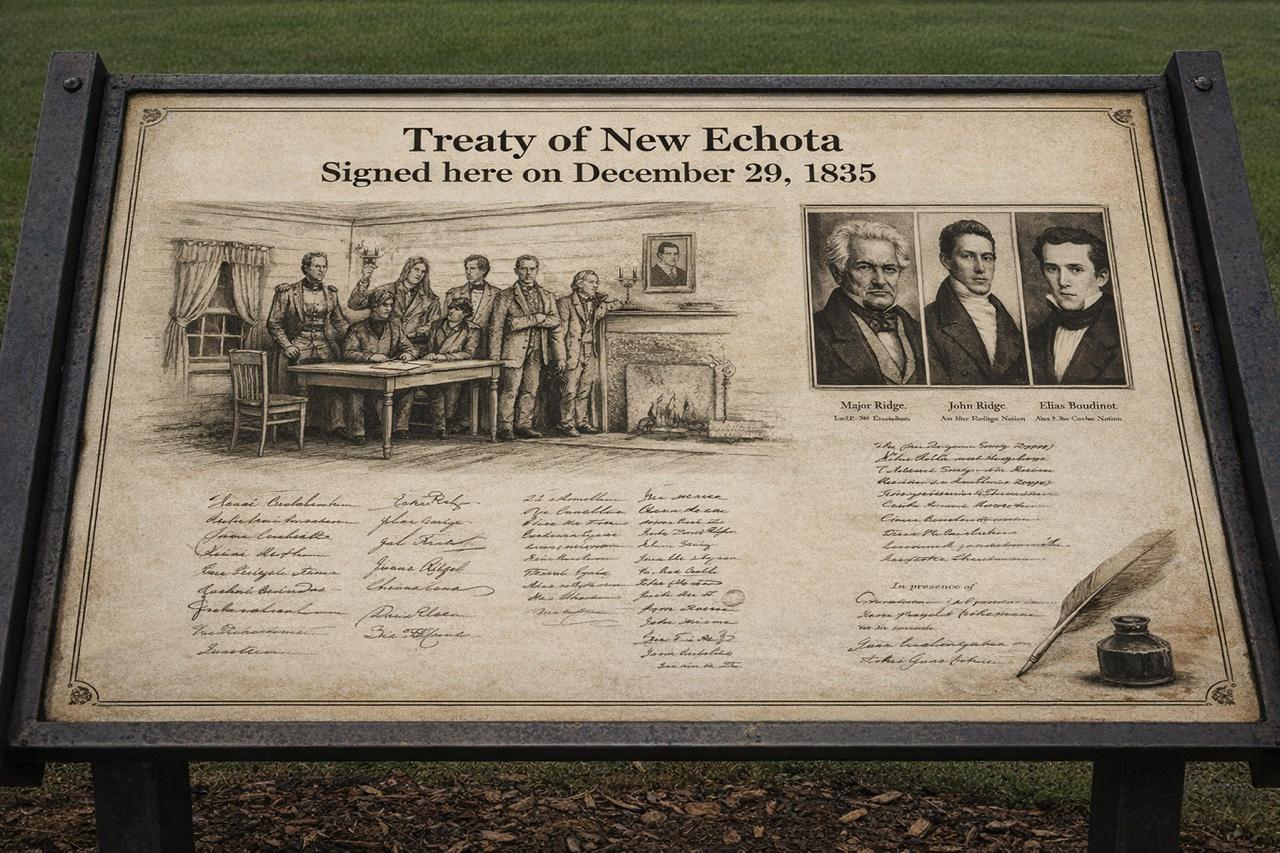
On 29 December 1835, a legal treaty was concluded in the American state of Georgia, historically known as the Treaty of New Echota. This agreement is regarded ...
Read More →
Prior to Florida’s admission, the United States consisted of 26 states. Its elevation to statehood was driven in part by the need to preserve the delicate polit...
Read More →
On 6 January 1912, the German geophysicist and meteorologist Alfred Wegener presented for the first time the theory of continental drift during a meeting of the...
Read More →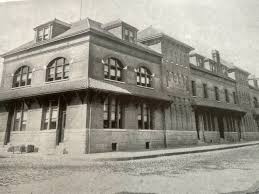
1979: The Hoboken Land and Improvement Company Building in New Jersey was added to the National Register of Historic Places, recognising its architectural, comm...
Read More →
The acquisition of land for the Model Town Society was one of the most remarkable and spirited chapters in its early history. Dewan Khem Chand and his...

Between 1921 and 1924, the land for Model Town Lahore was acquired in successive phases. The process began in 1921, shortly after the establishment of...
No comments yet. Be the first to comment!