
Syed Shayan Real Estate Archive
Syed Shayan Real Estate Archive
From Real Estate History
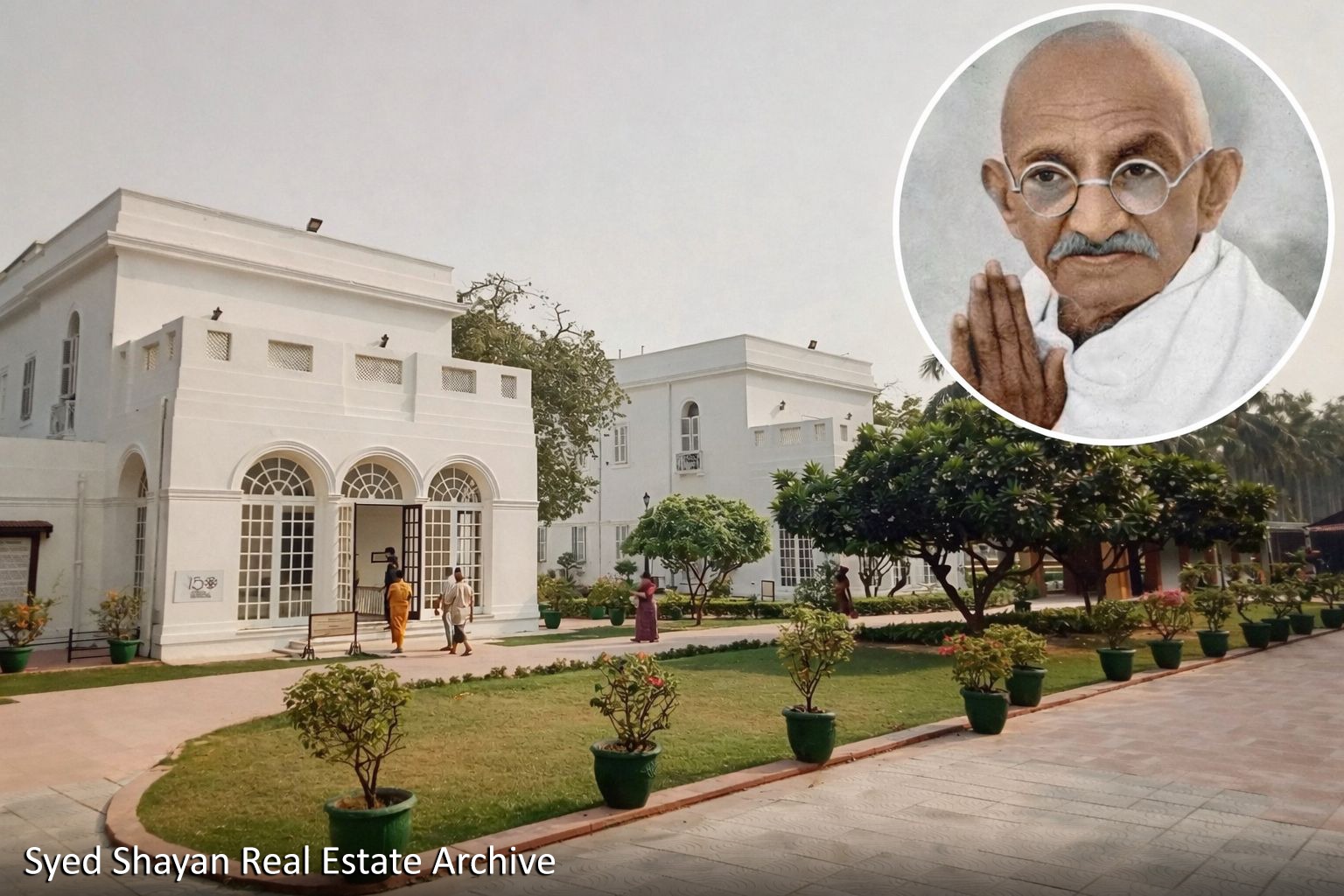
Birla Bhavan is situated within Lutyens’ Delhi, an area regarded as India’s most exclusive, secure, and expensive residential zone. This district is home to foreign diplomatic residences, official homes of central ministers, and several of the country’s most important constitutional institutions.
It was on the lawn of Birla Bhavan that Mahatma Gandhi was shot and killed on 30 January 1948.
The house originally belonged to the renowned industrialist Ghanshyam Das Birla, commonly known as G D Birla. He was among the most powerful and influential industrial figures of British India and the founder of the Birla Group, which remains one of India’s leading industrial families today.
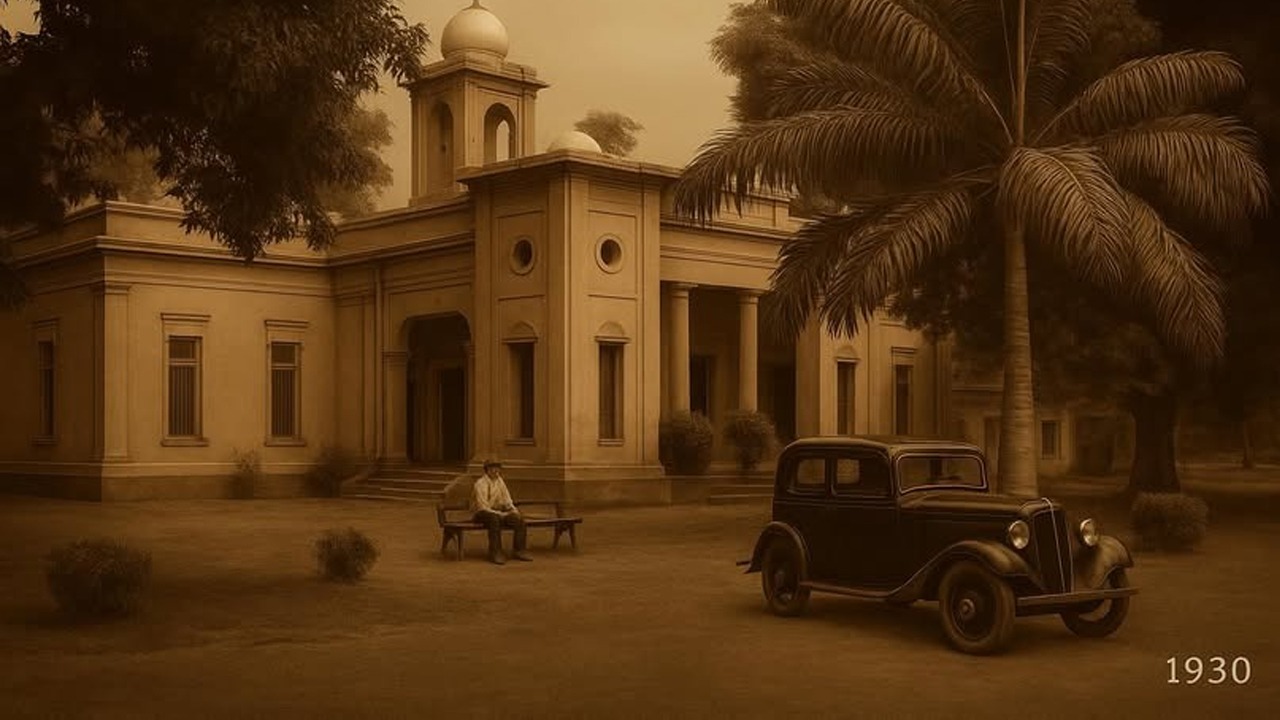
In 1928, Birla established this property as his private residence. At the time, its postal address was 2 Albuquerque Road, New Delhi.
When British rule in Delhi was at its height, this residence emerged with a corresponding sense of authority and refinement. Its spacious courtyards, high ceilings, and white finished structure reflected the colonial architectural standards and aesthetic sensibilities of the era. Standing amid the tree lined avenues of Lutyens’ Delhi, the house appeared as though history itself had chosen it as a place of refuge.
After 1947, when India was engulfed in severe communal violence following Partition, Mahatma Gandhi assumed a mediating role in Delhi between political leadership, Muslim representatives, Sikh leaders, and the Congress leadership.
G D Birla’s house provided a secure, relatively non political yet highly influential setting within the city. For this reason, Gandhi spent the final 144 days of his life there, from September 1947 until 30 January 1948. His stay was not motivated by personal comfort but represented a deliberate effort to revive peace and reconciliation.
Although Gandhi’s personal life was rooted in simplicity and ascetic discipline, his close relationship with the Birla family made this arrangement possible. The house became not only his residence but also a centre for political consultation, informal dialogue, and decisions of national consequence.
Daily evening prayer meetings were held on the lawn, where Gandhi prayed with attendees, engaged in conversation, and reflected on national conditions. On 30 January 1948, he stepped out of his room to attend one such prayer meeting when Nathuram Godse fired upon him, bringing an era to an end.
Long after this event, the house was designated a national memorial. In 1971, the Government of India purchased the property from the Birla family, and in 1973 it was converted into a national museum and memorial under the name Gandhi Smriti. Today, the rooms, the lawn, the corridors, and the pillars remain silent witnesses to that final day. A permanent exhibition preserves Gandhi’s life, ideas, and last moments.
The significance of Birla House is not confined to the fact that Gandhi was killed there. It also lies in the way this property embodies the early formation of the Indian state after independence, efforts to ease religious tensions, and the enduring memory of an individual sacrifice made at a decisive moment in history.
▪️Syed Shayan Real Estate Archive
▪ Reference(s):
برلا بھون لٹینز زون دہلی کے اندر واقع ہے، جو ہندوستان کا سب سے پوش، محفوظ اور مہنگا ترین رہائشی علاقہ سمجھا جاتا ہے۔ یہ وہ خطہ ہے جہاں غیر ملکی سفیروں کی رہائش گاہیں، مرکزی وزراء کی کوٹھیاں اور ہندوستان کے اہم آئینی ادارے قائم ہیں۔
اسی برلا بھون کے لان میں 30 جنوری 1948 کو مہاتما گاندھی کو گولی مار کر شہید کیا گیا تھا۔
یہ گھر اصل میں مشہور صنعتکار گھنیش داس برلا، المعروف جی ڈی برلا، کی ملکیت تھا۔ وہ برطانوی دورِ ہند کے سب سے طاقتور اور بااثر صنعت کاروں میں شمار ہوتے تھے اور Birla Group کے بانی تھے، جو آج بھی ہندوستان کے بڑے صنعتی گھرانوں میں شامل ہے۔
انہوں نے 1928 میں اپنی رہائش کی غرض سے یہاں سکونت اختیار کی تھی۔ اس وقت اس کا پوسٹل ایڈریس 2، البوکرک روڈ، نیو دہلی
(Albuquerque Road) تھا۔
دہلی کی فضا میں جب انگریزی راج اپنے عروج پر تھا، تب یہ عمارت بھی اسی وقار کے ساتھ ابھری۔ اس کے کشادہ صحن، بلند چھتیں اور سفید رنگ سے آراستہ ساخت برطانوی دور کے نوآبادیاتی تعمیراتی معیار کی گواہی دیتی تھی۔ لٹینز دہلی کے ہرے بھرے درختوں کے درمیان یہ گھر یوں کھڑا تھا جیسے تاریخ نے خود اپنے لیے ایک ٹھکانہ چن لیا ہو۔
1947 کے بعد، جب ہندوستان تقسیم کے نتیجے میں شدید فرقہ وارانہ فسادات کا شکار تھا، مہاتما گاندھی دہلی میں سیاسی قیادت، مسلم نمائندوں، سکھ رہنماؤں اور کانگریس قیادت کے درمیان ثالثی کا کردار ادا کر رہے تھے۔
جی ڈی برلا کا گھر دہلی میں ایک محفوظ، نسبتاً غیر سیاسی مگر بااثر مقام تھا۔ اسی وجہ سے گاندھی جی نے اپنی زندگی کے آخری 144 دن (ستمبر 1947 سے 30 جنوری 1948 تک) اسی مکان میں قیام کیا۔ یہ قیام ذاتی آرام کے لیے نہیں بلکہ امن و مفاہمت کو جگانے کی کوشش تھا۔
گو کہ گاندھی جی کا طرزِ زندگی سادگی اور فقر پر مبنی تھا، لیکن برلا خاندان سے ان کے قریبی تعلقات کی بنا پر انہیں یہ قیام میسر آیا۔ یہاں نہ صرف ان کی رہائش تھی بلکہ یہ جگہ سیاسی مشاورت، غیر رسمی ملاقاتوں اور اہم قومی فیصلوں کا مرکز بن گئی تھی۔
اس گھر کے لان میں روزانہ شام کو دعائیہ نشستیں ہوا کرتی تھیں، جہاں گاندھی جی لوگوں کے ساتھ عبادت کرتے، بات چیت کرتے اور قومی حالات پر غور کرتے۔ 30 جنوری 1948 کو بھی وہ ایک ایسی ہی دعائیہ نشست کے لیے اپنے کمرے سے نکلے تھے جب ناتھورام گوڈسے نے ان پر گولیاں چلائیں، اور یوں ایک عہد کا خاتمہ ہو گیا۔
اس واقعے کے کافی عرصے بعد اس گھر کو ایک “قومی یادگار” بنا دیا گیا۔ 1971 میں بھارتی حکومت نے اس عمارت کو برلا خاندان سے خرید لیا، اور 1973 میں اسے “گاندھی سمرتی” کے نام سے ایک قومی میوزیم اور یادگار میں تبدیل کر دیا گیا۔ آج بھی اس عمارت کے کمرے، وہ لان، وہ راہداری، وہ ستون سب کچھ گواہ ہیں اُس آخری دن کے۔ یہاں ایک مستقل نمائش بھی موجود ہے جو گاندھی جی کی زندگی، نظریات اور آخری لمحوں کو محفوظ کرتی ہے۔
برلا ہاؤس کی اہمیت صرف اس بات تک محدود نہیں کہ گاندھی جی کو وہاں قتل کیا گیا، بلکہ اس وجہ سے بھی ہے کہ اس گھر نے آزادی کے بعد کے ہندوستان کی ابتدائی ریاستی تشکیل، مذہبی کشیدگی کے خاتمے کی کوششوں اور ایک شخص کی قربانی کو مجسم صورت میں محفوظ کر رکھا ہے۔
▪️ سید شایان ریئل اسٹیٹ آرکائیو
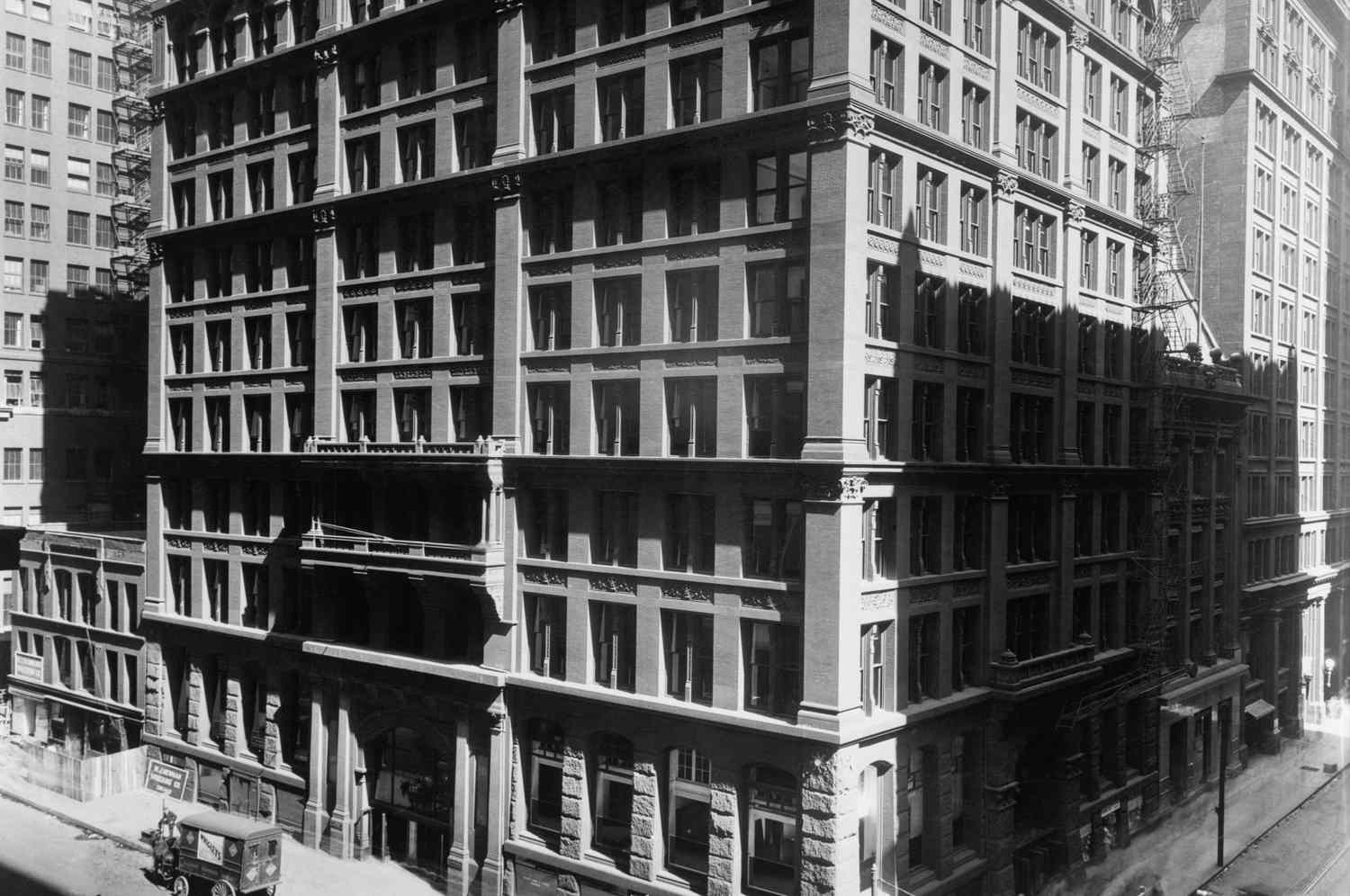
On October 19, 1895, the construction industry witnessed a revolutionary transformation with the widespread adoption of steel-frame technology for skyscrapers. This innovation enabled buildings to reach unprecedented heights, fundamentally changing urban landscapes across major cities. The Home Insurance Building in Chicago, completed earlier that ...
Read More →
On October 23, 1892, comprehensive fire-resistant building code standards were enacted, establishing mandatory requirements for fireproof construction materials and safety features in urban buildings. These regulations emerged following devastating urban fires that had destroyed entire city blocks, prompting urgent reforms in construction practices...
Read More →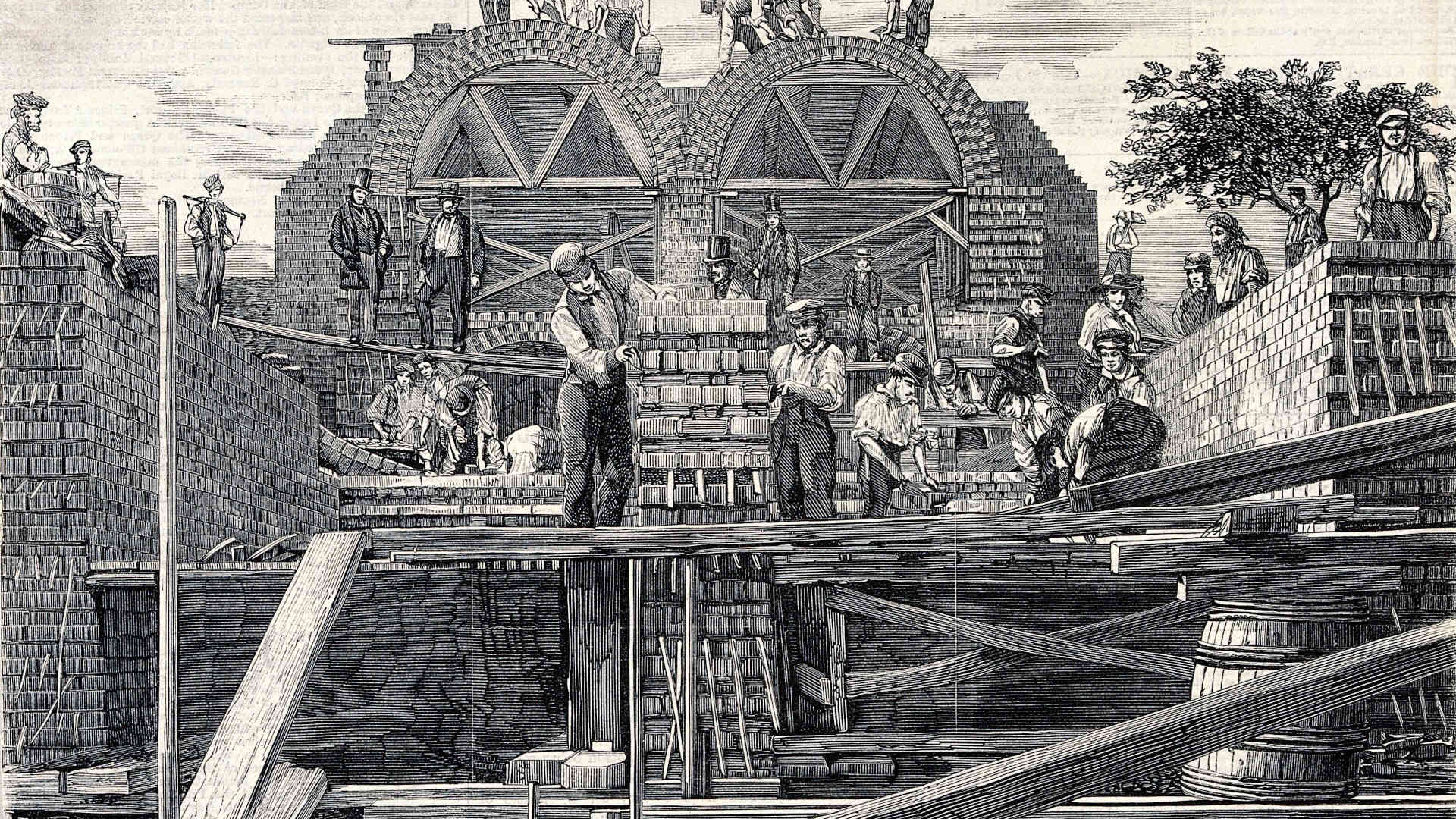
On November 11, 1894, the British Parliament approved the London Housing Reform Act to address worsening living standards in industrial London. The nineteenth century had transformed the city into a dense, polluted metropolis where entire families were crowded into small, unsanitary tenements. Poor ventilation, unsafe structures, and limited access...
Read More →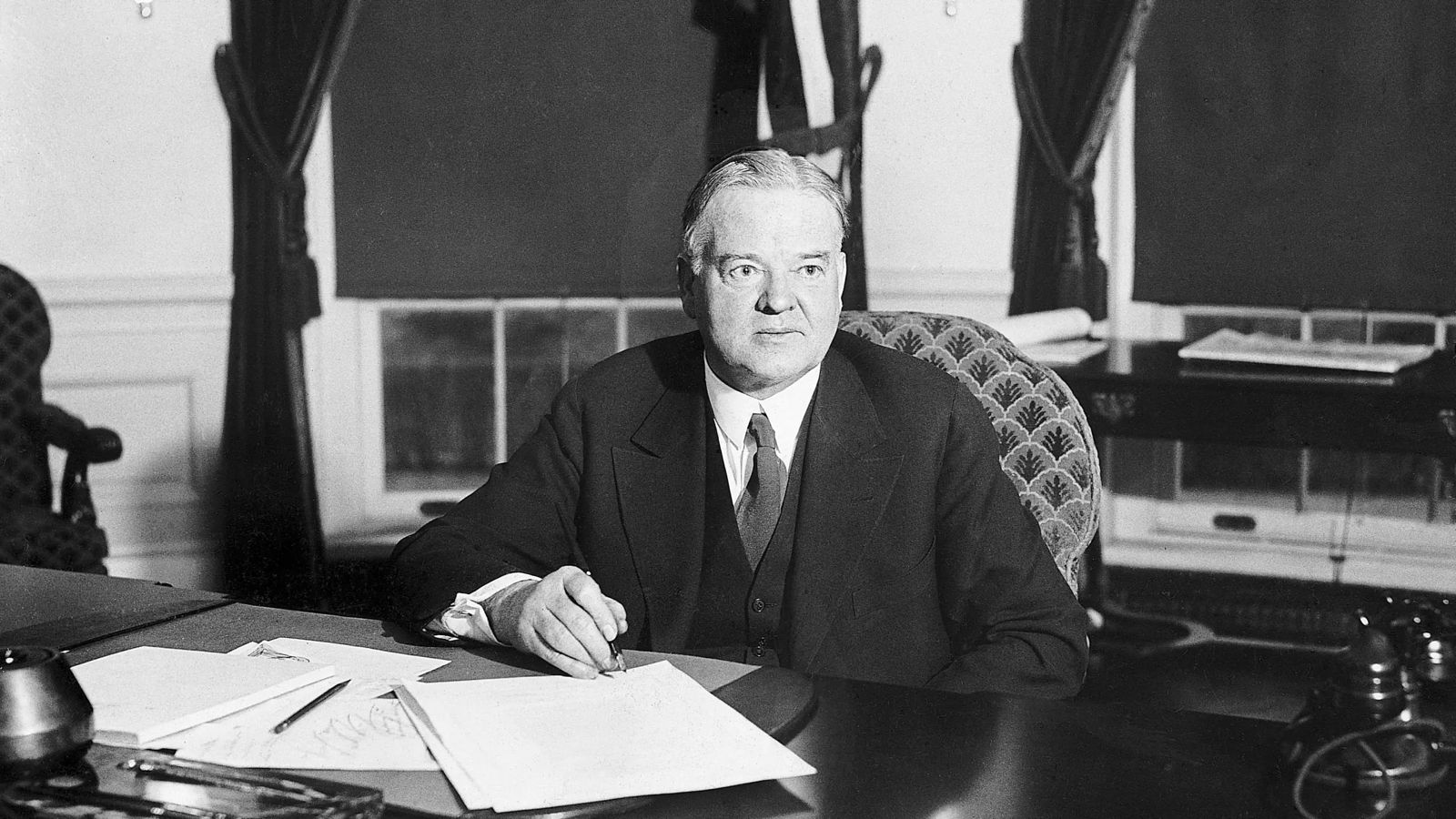
Amid the continuing economic crisis, President Herbert Hoover inaugurated the White House Conference on Home Building and Home Ownership today in Washington. The nationwide conference brought together more than three thousand specialists in construction, housing finance, urban planning and land law. The opening session emphasised that although the ...
Read More →
According to the notification published in Part One of the Government of India Gazette on 28 November 1903, the East Indian Railway authorised for the first time an extensive acquisition of state land in the stretch between Howrah and Liluah. The measure was undertaken under Section Six of the Land Acquisition Act of 1894 and its principal purpose ...
Read More →
The acquisition of land for the Model Town Society was one of the most remarkable and spirited chapters in its early history. Dewan Khem Chand and his...
Between 1921 and 1924, the land for Model Town Lahore was acquired in successive phases. The process began in 1921, shortly after the establishment of...
No comments yet. Be the first to comment!