
Syed Shayan Real Estate Archive
Syed Shayan Real Estate Archive
From Real Estate History
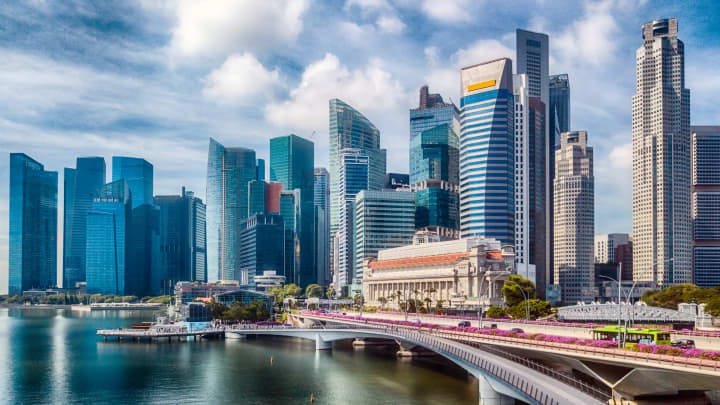
Singapore marked the completion of the Housing and Development Board’s first five year building programme with a major public exhibition. Prime Minister Lee Kuan Yew was scheduled to open the exhibition at the site of the former Outram Jail.
The exhibition demonstrated how rapidly public housing had developed since the creation of the HDB in 1960. It showed how modern flats were replacing overcrowded settlements, unsafe buildings and unhealthy living conditions.
A report published on that date outlined the scale of the next phase. Housing was planned for approximately 250,000 people during the following five years at a reported cost of 150 million dollars. The wider development programme was also expected to include 16 primary schools and eight secondary schools.
The HDB’s 51,000th housing unit was expected to be completed the following month. By the end of 1964, an estimated 400,000 people had already been housed in flats constructed by the HDB. This represented approximately 23 per cent of Singapore’s population at the time.
The same period also witnessed the beginning of construction at Toa Payoh. It became the first town comprehensively planned and designed by the HDB. Housing blocks were combined with roads, schools, shops, playgrounds, parks, community centres and other daily services.
The July 21 exhibition represented more than a construction milestone. It presented adequate housing as an essential part of social stability, public welfare and nation building.
Singapore had also introduced the Home Ownership for the People Scheme in 1964, beginning a gradual transition from rental housing towards wider home ownership.
Together, planned towns, affordable flats and ownership policies created the foundation of the public housing system for which Singapore later became internationally recognised. The programme demonstrated how coordinated housing and urban planning could transform living conditions within a relatively short period.
▪️Syed Shayan Real Estate Archive
▪ Reference(s):
سنگاپور میں ہاؤسنگ اینڈ ڈویلپمنٹ بورڈ (ایچ ڈی بی) کے پہلے پانچ سالہ تعمیراتی پروگرام کی تکمیل کے موقع پر ایک بڑی عوامی نمائش منعقد کی گئی۔ اس وقت کے وزیر اعظم لی کوان یو نے سابق آؤٹرم جیل کی جگہ قائم ہونے والی اس نمائش کا افتتاح کرنا تھا۔
نمائش کا مقصد شہریوں کو یہ دکھانا تھا کہ صرف پانچ برس کے دوران سنگاپور نے گنجان آبادی، جھونپڑیوں، غیر محفوظ عمارتوں اور ناقص رہائشی حالات سے نمٹنے کے لیے کس تیزی سے جدید فلیٹس تعمیر کیے۔
اس روز شائع ہونے والی رپورٹ کے مطابق اگلے پانچ سالہ منصوبے میں تقریباً ڈھائی لاکھ افراد کے لیے مزید رہائش فراہم کرنے کا ہدف مقرر کیا گیا تھا۔ منصوبے کی لاگت تقریباً 150 ملین ڈالر بتائی گئی، جبکہ نئی آبادیوں میں 16 پرائمری اور آٹھ سیکنڈری سکول قائم کرنے کی تجویز بھی شامل تھی۔
ایچ ڈی بی کا 51 ہزارواں مکان اگلے ماہ مکمل ہونے کی توقع تھی۔ 1964 کے اختتام تک تقریباً چار لاکھ افراد کو ایچ ڈی بی کے تعمیر کردہ فلیٹس میں منتقل کیا جا چکا تھا، جو اس وقت سنگاپور کی مجموعی آبادی کا تقریباً 23 فیصد بنتے تھے۔
اسی دور میں توا پایوہ کی تعمیر بھی شروع ہوئی۔ یہ ایچ ڈی بی کا پہلا مکمل منصوبہ بند شہر تھا، جہاں رہائش کے ساتھ سڑکیں، سکول، بازار، کھیل کے میدان، پارک اور سماجی سہولتیں بھی فراہم کی گئیں۔
21 جولائی کی یہ نمائش صرف تعمیراتی کامیابی کا جشن نہیں تھی۔ اس نے سنگاپور کی اس قومی سوچ کو نمایاں کیا کہ مناسب رہائش سماجی استحکام، شہری بہبود اور معاشی ترقی کی بنیاد ہے۔
بعد میں یہی منصوبہ بند آبادیاں، سستے فلیٹس اور گھر کی ملکیت کی پالیسیاں سنگاپور کے عالمی شہرت یافتہ عوامی ہاؤسنگ ماڈل کی بنیاد بنیں۔
▪️ سید شایان ریئل اسٹیٹ آرکائیو
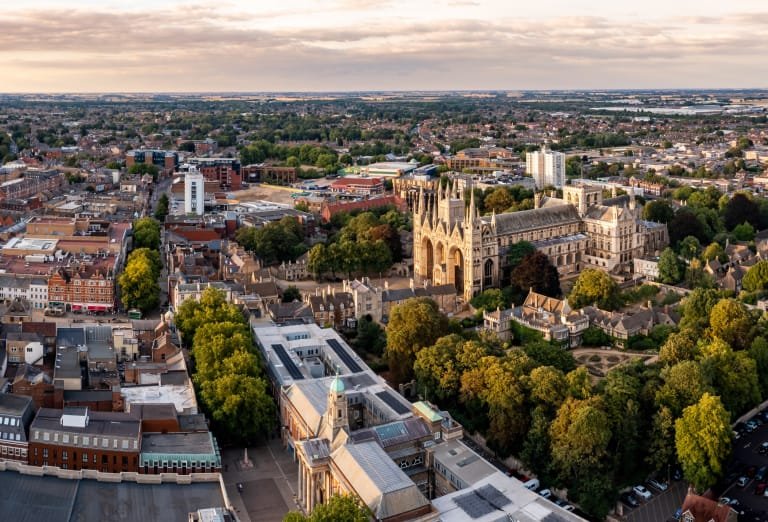
Peterborough in England was officially designated as a New Town. The decision formed part of the third major wave of Britain’s New Towns programme, which aimed to reduce housing and population pressure on London and other crowded urban centres.
Peterborough was different from many newly planned settlements because it was already an established cathedral city, railway centre and industrial community. Instead of constructing an entirely separate town, planners decided to expand the existing city through carefully designed residential districts and modern infrastructure.
Peterborough had a population of approximately 80,000 when it received New Town status. The development strategy aimed to increase the population to around 160,000. The Peterborough Development Corporation was established to manage the expansion in cooperation with local and county authorities.
New residential communities were developed at Bretton, Orton and Werrington. These areas were planned with housing, schools, shopping centres, employment zones, roads, parks and community facilities. Open spaces and landscaping were also treated as important elements of the development.
The plan was not limited to constructing houses. It sought to create complete communities where residents could find employment, education, transport, shopping and recreational facilities close to their homes.
During the following decades, the designation significantly changed Peterborough’s physical and economic character. Modern residential areas developed around the historic centre, while improved transport and commercial infrastructure connected the new communities with the older city.
Peterborough’s experience remains an important example of planned urban growth. It demonstrates that successful expansion requires coordination between land development, housing, employment, transportation and public services. It also shows how a historic city can grow while maintaining much of its established identity and cultural importance.
▪️Syed Shayan Real Estate Archive
▪ Reference(s):
انگلینڈ کے تاریخی شہر پیٹربرو کو سرکاری طور پر ’’نیو ٹاؤن‘‘ یعنی نیا منصوبہ بند شہر قرار دیا گیا۔ یہ فیصلہ برطانیہ کے نیو ٹاؤنز پروگرام کی تیسری بڑی لہر کا حصہ تھا، جس کا مقصد لندن اور دیگر بڑے شہروں پر آبادی اور رہائش کا دباؤ کم کرنا تھا۔
پیٹربرو کی خاص بات یہ تھی کہ یہ پہلے ہی ایک قدیم کیتھیڈرل شہر، اہم ریلوے مرکز اور صنعتی آبادی کے طور پر موجود تھا۔ اس لیے یہاں بالکل نیا شہر تعمیر کرنے کے بجائے موجودہ شہر کو ہی باقاعدہ منصوبہ بندی کے تحت وسیع کرنے کا فیصلہ کیا گیا۔
1967 میں پیٹربرو کی آبادی تقریباً 80 ہزار تھی، جسے بڑھا کر تقریباً ایک لاکھ 60 ہزار کرنے کا ہدف مقرر کیا گیا۔ اس مقصد کے لیے پیٹربرو ڈویلپمنٹ کارپوریشن قائم کی گئی، جس نے مقامی کونسلوں کے ساتھ مل کر نئی رہائشی آبادیاں، سڑکیں، تجارتی مراکز، صنعتی علاقے اور عوامی سہولتیں تیار کیں۔
بریٹن، اورٹن اور ورنگٹن جیسے نئے رہائشی علاقے اسی منصوبے کے تحت قائم ہوئے۔ ان علاقوں میں صرف مکانات ہی نہیں بنائے گئے بلکہ سکولوں، خریداری کے مراکز، پارکوں، کھیل کے میدانوں، سڑکوں اور سماجی سہولتوں کے لیے بھی جگہ مختص کی گئی۔
اس منصوبے کا بنیادی مقصد لوگوں کو صرف چھت فراہم کرنا نہیں تھا بلکہ ایسی مکمل آبادیاں بنانا تھا جہاں رہائش، روزگار، تعلیم، ٹرانسپورٹ اور تفریح کی سہولتیں ایک دوسرے سے باہم منسلک ہوں۔
پیٹربرو کی مثال ظاہر کرتی ہے کہ کامیاب شہری توسیع صرف عمارتیں بنانے کا نام نہیں۔ اس کے لیے زمین، رہائش، روزگار، ٹرانسپورٹ اور عوامی خدمات کو ایک ہی جامع منصوبے کے تحت ترقی دینا ضروری ہوتا ہے
▪️ سید شایان ریئل اسٹیٹ آرکائیو
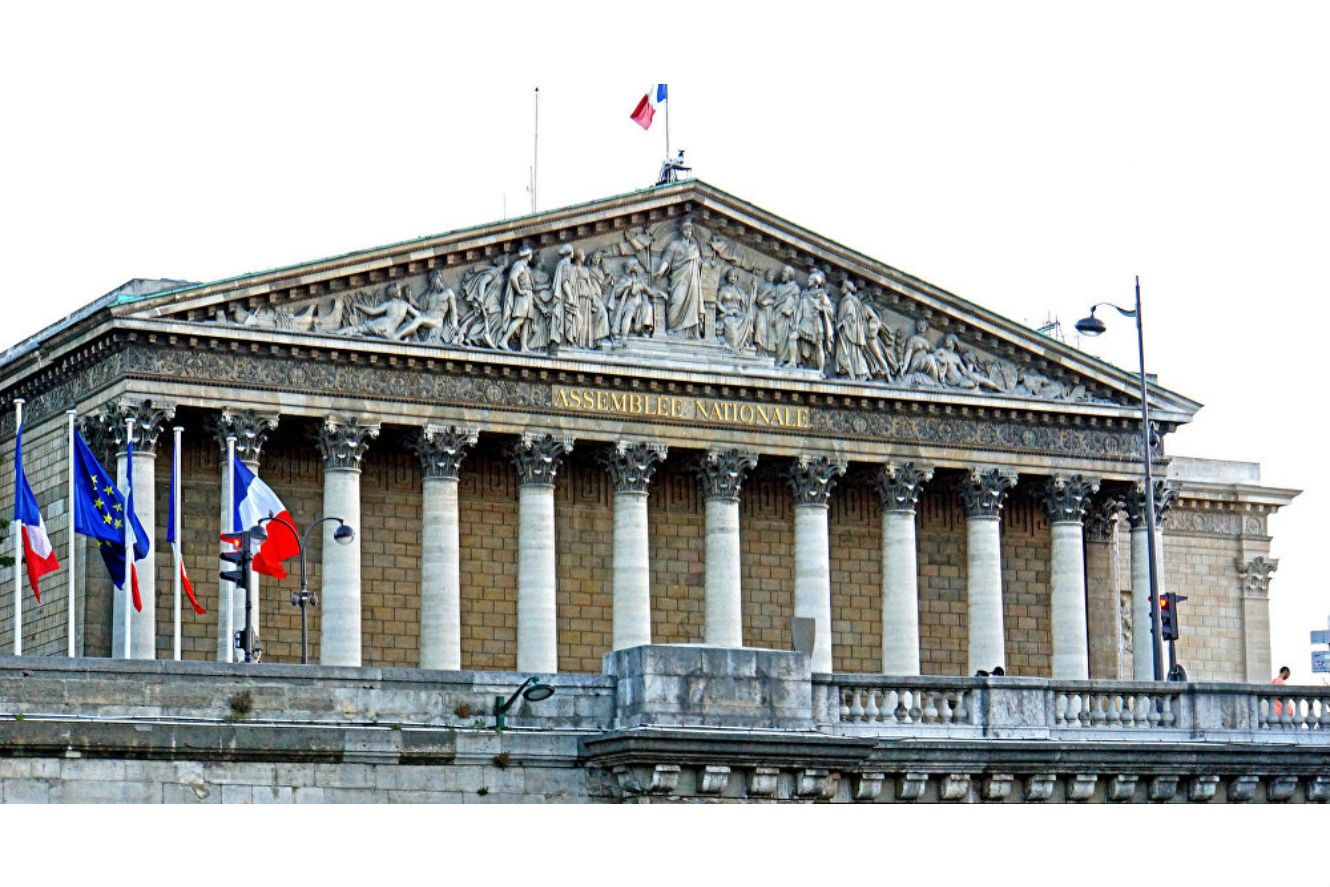
In the history of France, a draft resolution addressing the legally enforceable right to housing for ordinary citizens was formally presented to the cabinet on...
Read More →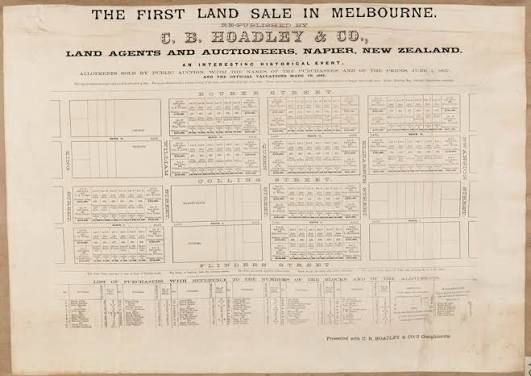
On October 10, 1885, Melbourne witnessed one of the most significant property events in its urban history when the city hosted its first large scale public land...
Read More →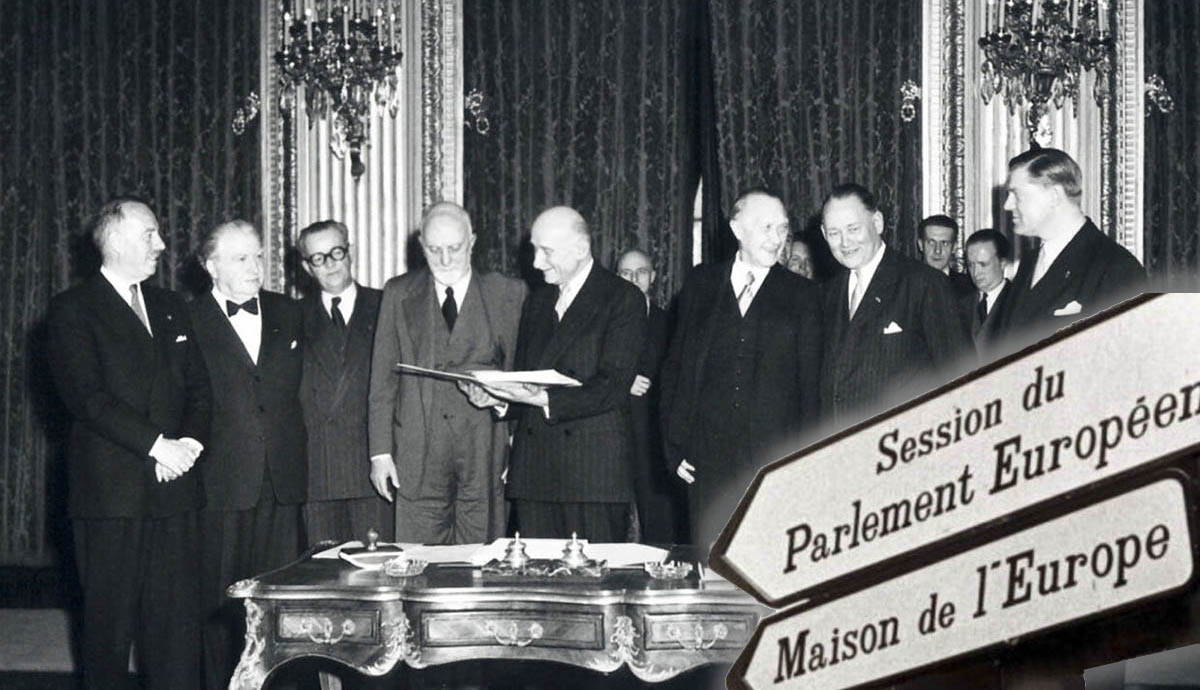
On November 1, 1993, the Maastricht Treaty officially established the European Union (EU), marking a transformative milestone in modern political and economic h...
Read More →
Citizens of Paris stormed and captured the Bastille, a fortified royal prison that had become one of the most powerful symbols of absolute monarchy. The event b...
Read More →On October 27, 2022, Pakistan achieved a major milestone in property registration digitalization, significantly reducing processing times and enhancing transact...
Read More →
The acquisition of land for the Model Town Society was one of the most remarkable and spirited chapters in its early history. Dewan Khem Chand and his...

Between 1921 and 1924, the land for Model Town Lahore was acquired in successive phases. The process began in 1921, shortly after the establishment of...
No comments yet. Be the first to comment!