
Syed Shayan Real Estate Archive
Syed Shayan Real Estate Archive
From Real Estate History
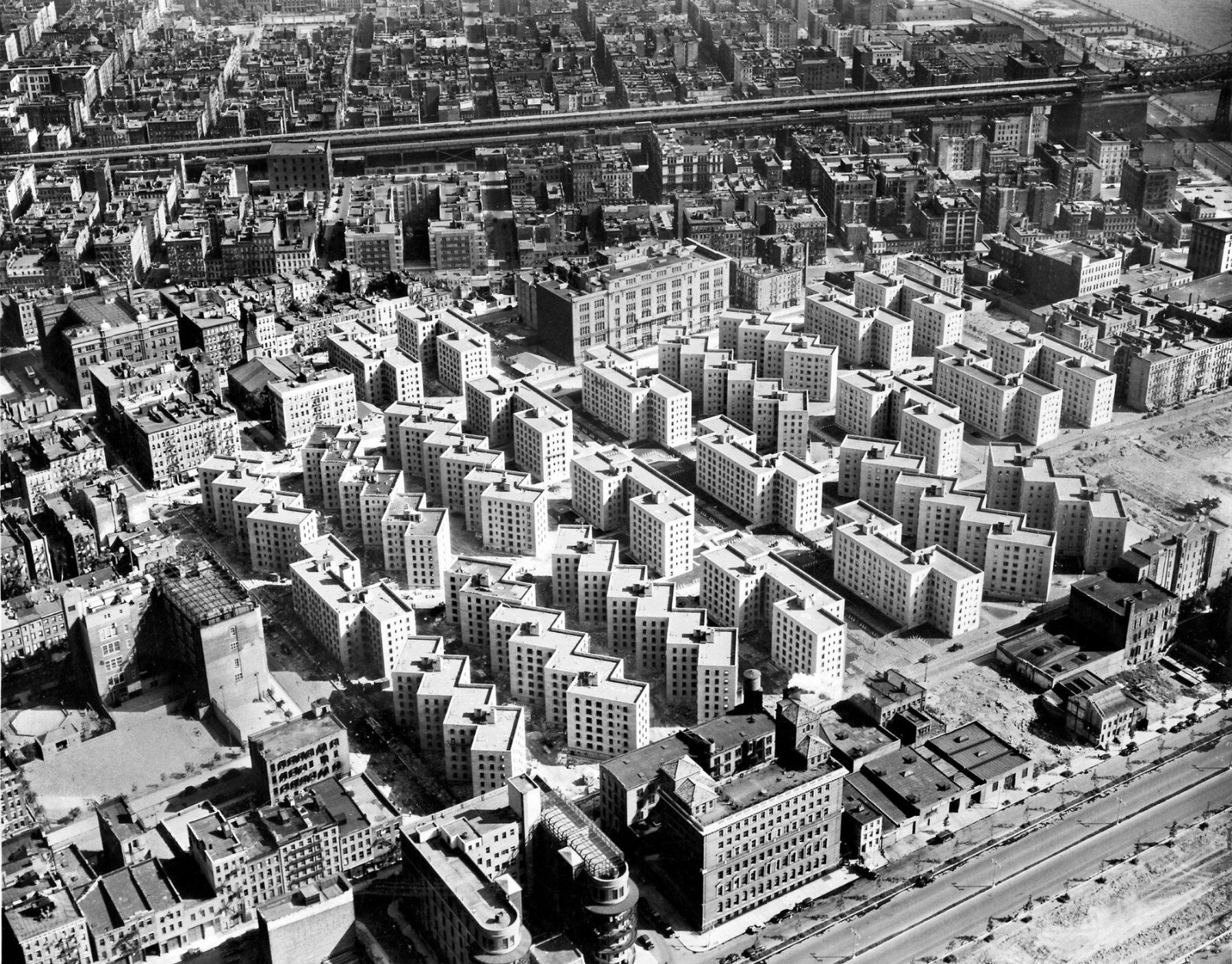
On 11 July 2007, global attention turned towards one of the most significant demographic transformations in human history: the world was entering an era in which more people would live in urban areas than in rural communities.
A World Bank feature published that day, drawing on new United Nations population findings, reported that the global population had reached approximately 6.6 billion and that slightly more than half of humanity was living in urban areas. The United Nations Population Fund’s State of World Population 2007 report described 2008 as the formal milestone when, for the first time, more than half of the world’s population around 3.3 billion people would live in towns and cities.
The difference of a few months in demographic estimates was less important than the historic direction of change. Humanity was becoming predominantly urban, and this transformation was beginning to reshape the global real estate industry, housing markets, land values, transport systems and the physical structure of cities.
For centuries, most people had lived in villages, farming communities and small rural settlements. Industrialisation began changing that pattern as factories, ports, railways and commercial centres attracted workers towards cities. By the early twenty-first century, urban migration had accelerated dramatically, particularly across Asia, Africa and Latin America.
People moved towards cities in search of employment, education, healthcare, security and improved public services. Every new urban resident required some form of shelter, access to transport, water, electricity, sanitation and community facilities. As a result, population growth became directly connected with demand for residential plots, apartments, rental housing, offices, shopping areas, warehouses, schools and hospitals.
This demographic transition changed the meaning and value of urban land. Property located close to employment centres, public transport routes, universities and commercial districts became increasingly desirable. Agricultural and undeveloped land on the outskirts of major cities was gradually converted into housing societies, industrial estates, satellite towns and mixed-use developments.
Developers responded by constructing apartment buildings and higher-density residential projects, allowing more people to live on limited urban land. Mixed-use developments also became more common, combining homes, offices, retail outlets and recreational facilities within the same neighbourhood.
Infrastructure became one of the strongest forces influencing real estate values. The construction of highways, metro systems, railway stations, bridges and airports opened new areas for development. Land that had previously been considered remote or commercially unattractive often experienced a substantial increase in value after being connected with major transport networks.
However, rapid urbanisation also created serious challenges. In many developing countries, housing construction and infrastructure failed to keep pace with population growth. This increased pressure on land prices and rents, reduced the availability of affordable homes and contributed to the expansion of informal settlements.
Low income families were often pushed towards peripheral areas far from employment opportunities and essential services. In other cases, people occupied unsafe land, environmentally sensitive zones or overcrowded neighbourhoods because formally developed housing remained beyond their financial reach.
The 2007 UNFPA report warned that the urban populations of Africa and Asia were expected to double within less than a generation. It argued that governments could no longer simply respond to urban growth after it occurred. They needed to plan in advance, reserve land for future development and ensure that expanding cities had sufficient housing, roads, water, sanitation and public transport.
For the real estate sector, this meant that successful urban development could not be measured only by the number of buildings constructed. Cities also required transparent land records, effective zoning regulations, affordable housing policies, environmental protection and infrastructure capable of supporting growing populations.
The date carries additional significance because 11 July is observed internationally as World Population Day. The observance grew out of public interest generated by “Five Billion Day”, when the global population was estimated to have reached five billion on 11 July 1987.
The urban milestone highlighted in 2007 changed the future of property development. Real estate was no longer simply about individual houses, plots or commercial buildings. It had become central to the broader questions of how billions of people would live, travel, work and build communities in rapidly expanding cities.
For real estate history, 11 July 2007 represents the beginning of a new urban age an age in which population growth, housing affordability, land management and infrastructure planning became inseparable from the future of human development.
▪️Syed Shayan Real Estate Archive
▪ Reference(s):
11 جولائی 2007 کو دنیا کی توجہ انسانی تاریخ میں آبادی کی ایک غیر معمولی تبدیلی کی جانب مبذول ہوئی۔ دنیا ایک ایسے نئے دور میں داخل ہو رہی تھی جس میں پہلی مرتبہ دیہی علاقوں کے مقابلے میں شہروں میں رہنے والے افراد کی تعداد زیادہ ہونے والی تھی۔
اس روز عالمی بینک کی جانب سے اقوام متحدہ کے نئے آبادیاتی اعدادوشمار کی بنیاد پر شائع ہونے والی ایک رپورٹ میں بتایا گیا کہ دنیا کی مجموعی آبادی تقریباً 6.6 ارب تک پہنچ چکی ہے اور اس کا نصف سے کچھ زیادہ حصہ شہری علاقوں میں آباد ہے۔ دوسری جانب اقوام متحدہ کے پاپولیشن فنڈ کی رپورٹ سٹیٹ آف ورلڈ پاپولیشن 2007 میں 2008 کو وہ باقاعدہ تاریخی سال قرار دیا گیا جب پہلی مرتبہ دنیا کی نصف سے زیادہ آبادی، یعنی تقریباً 3.3 ارب افراد، شہروں اور قصبوں میں آباد ہونے والی تھی۔
آبادیاتی اندازوں میں چند ماہ کا فرق اپنی جگہ، لیکن اصل اہمیت اس تاریخی تبدیلی کی تھی جس کے تحت انسانی آبادی تیزی سے شہری شکل اختیار کر رہی تھی۔ اس تبدیلی نے عالمی رئیل اسٹیٹ مارکیٹ، رہائشی ضروریات، زمین کی قیمتوں، ٹرانسپورٹ کے نظام اور شہروں کی مجموعی ساخت کو ہمیشہ کے لیے بدلنا شروع کر دیا۔
صدیوں تک دنیا کی بیشتر آبادی دیہات، زرعی آبادیوں اور چھوٹی دیہی بستیوں میں رہتی رہی۔ صنعتی انقلاب کے بعد یہ صورت حال بتدریج تبدیل ہوئی۔ فیکٹریوں، بندرگاہوں، ریلوے نیٹ ورکس اور تجارتی مراکز کے قیام نے روزگار کے مواقع پیدا کیے اور بڑی تعداد میں لوگوں کو شہروں کی جانب متوجہ کیا۔
اکیسویں صدی کے آغاز تک شہری نقل مکانی کی رفتار میں غیر معمولی اضافہ ہو چکا تھا، خصوصاً ایشیا، افریقہ اور لاطینی امریکا میں۔ لوگ بہتر روزگار، تعلیم، علاج، تحفظ اور بنیادی سہولتوں کی تلاش میں دیہی علاقوں سے شہروں کا رخ کرنے لگے۔
شہر میں منتقل ہونے والے ہر نئے فرد کو رہائش کے ساتھ سڑک، ٹرانسپورٹ، پانی، بجلی، نکاسی آب، تعلیم اور صحت کی سہولتیں درکار تھیں۔ یوں آبادی میں اضافہ براہ راست رہائشی پلاٹس، اپارٹمنٹس، کرائے کے مکانات، دفاتر، تجارتی مراکز، گوداموں، سکولوں اور ہسپتالوں کی بڑھتی ہوئی طلب سے منسلک ہوگیا۔
اس آبادیاتی تبدیلی نے شہری زمین کی اہمیت اور قدر کو بھی تبدیل کر دیا۔ روزگار کے مراکز، پبلک ٹرانسپورٹ، تعلیمی اداروں اور کاروباری علاقوں کے قریب واقع جائیدادوں کی مانگ اور قیمت میں اضافہ ہونے لگا۔ بڑے شہروں کے نواح میں موجود زرعی اور غیر ترقی یافتہ زمینیں بتدریج ہاؤسنگ سوسائٹیوں، صنعتی زونز، سیٹلائٹ ٹاؤنز اور مخلوط استعمال کے منصوبوں میں تبدیل ہونے لگیں۔
شہری زمین محدود ہونے کے باعث ڈویلپرز نے بلند عمارتوں اور زیادہ کثافت والے رہائشی منصوبوں کی تعمیر کو ترجیح دینا شروع کی۔ اپارٹمنٹ کلچر کو فروغ ملا جبکہ ایسے مخلوط منصوبے بھی مقبول ہوئے جن میں رہائش، دفاتر، دکانیں اور تفریحی سہولتیں ایک ہی علاقے میں فراہم کی جاتی تھیں۔
انفراسٹرکچر رئیل اسٹیٹ کی قیمتوں پر اثر انداز ہونے والی سب سے طاقتور قوتوں میں شامل ہوگیا۔ موٹرویز، میٹرو سسٹمز، ریلوے سٹیشنز، پلوں اور ہوائی اڈوں کی تعمیر نے ترقی کے لیے نئے علاقے کھولے۔ جو زمین کبھی دور دراز یا کاروباری لحاظ سے غیر اہم سمجھی جاتی تھی، مرکزی ٹرانسپورٹ نیٹ ورک سے منسلک ہونے کے بعد اس کی قیمت میں نمایاں اضافہ ہونے لگا۔
تاہم تیز رفتار شہری آبادی نے سنگین مسائل بھی پیدا کیے۔ متعدد ترقی پذیر ممالک میں مکانات اور بنیادی ڈھانچے کی تعمیر آبادی میں اضافے کی رفتار کا ساتھ نہ دے سکی۔ اس کے نتیجے میں زمین اور کرایوں کی قیمتیں بڑھیں، سستی رہائش کی قلت پیدا ہوئی اور غیر رسمی آبادیوں کا دائرہ وسیع ہونے لگا۔
کم آمدنی رکھنے والے خاندانوں کو اکثر شہروں کے دور دراز علاقوں میں منتقل ہونا پڑا، جہاں سے روزگار کے مراکز، سکولوں، ہسپتالوں اور دیگر ضروری سہولتوں تک رسائی مشکل تھی۔ کئی مقامات پر لوگ مناسب اور قانونی رہائش حاصل نہ کر سکنے کے باعث خطرناک زمینوں، ماحولیاتی طور پر حساس علاقوں یا گنجان آبادیوں میں رہنے پر مجبور ہوگئے۔
اقوام متحدہ کے پاپولیشن فنڈ نے اپنی 2007 کی رپورٹ میں خبردار کیا تھا کہ ایشیا اور افریقہ کی شہری آبادی ایک نسل سے بھی کم مدت میں دوگنی ہوسکتی ہے۔ رپورٹ میں زور دیا گیا کہ حکومتیں شہری مسائل پیدا ہونے کے بعد محض ردعمل دینے کے بجائے مستقبل کی ترقی کے لیے پیشگی منصوبہ بندی کریں، رہائشی تعمیرات کے لیے زمین مختص کریں اور سڑکوں، پانی، نکاسی آب اور پبلک ٹرانسپورٹ کا مناسب بندوبست یقینی بنائیں۔
رئیل اسٹیٹ کے شعبے کے لیے اس تبدیلی کا مطلب یہ تھا کہ کامیاب شہری ترقی کو صرف تعمیر ہونے والی عمارتوں کی تعداد سے نہیں ناپا جا سکتا۔ پائیدار شہروں کے لیے شفاف لینڈ ریکارڈ، مؤثر زوننگ قوانین، سستی رہائش کی پالیسیاں، ماحولیاتی تحفظ اور بڑھتی ہوئی آبادی کا بوجھ برداشت کرنے کے قابل انفراسٹرکچر بھی ناگزیر ہیں۔
11 جولائی کو عالمی یوم آبادی کے طور پر بھی منایا جاتا ہے۔ اس دن کے انتخاب کا تعلق 11 جولائی 1987 کے اس تاریخی موقع سے ہے جب دنیا کی آبادی کے پانچ ارب تک پہنچنے کا تخمینہ لگایا گیا تھا اور اسے ’’فائیو بلین ڈے‘‘ کا نام دیا گیا تھا۔
2007 میں سامنے آنے والے شہری آبادی کے اس تاریخی سنگ میل نے پراپرٹی ڈویلپمنٹ کی نوعیت بدل دی۔ رئیل اسٹیٹ اب صرف انفرادی مکان، پلاٹ یا کمرشل عمارت کی خرید و فروخت تک محدود نہیں رہا تھا۔ یہ اس وسیع سوال کا مرکزی حصہ بن چکا تھا کہ تیزی سے پھیلتے ہوئے شہروں میں اربوں انسان کہاں رہیں گے، کیسے سفر کریں گے، کہاں کام کریں گے اور اپنی آبادیاں کس طرح تشکیل دیں گے۔
رئیل اسٹیٹ کی تاریخ میں 11 جولائی 2007 ایک نئے شہری عہد کی علامت ہے، ایک ایسا عہد جس میں آبادی کا پھیلاؤ، سستی رہائش، زمین کا مؤثر انتظام اور انفراسٹرکچر کی منصوبہ بندی انسانی ترقی کے مستقبل سے ناقابلِ تنسیخ طور پر وابستہ ہوگئے۔
▪️ سید شایان ریئل اسٹیٹ آرکائیو
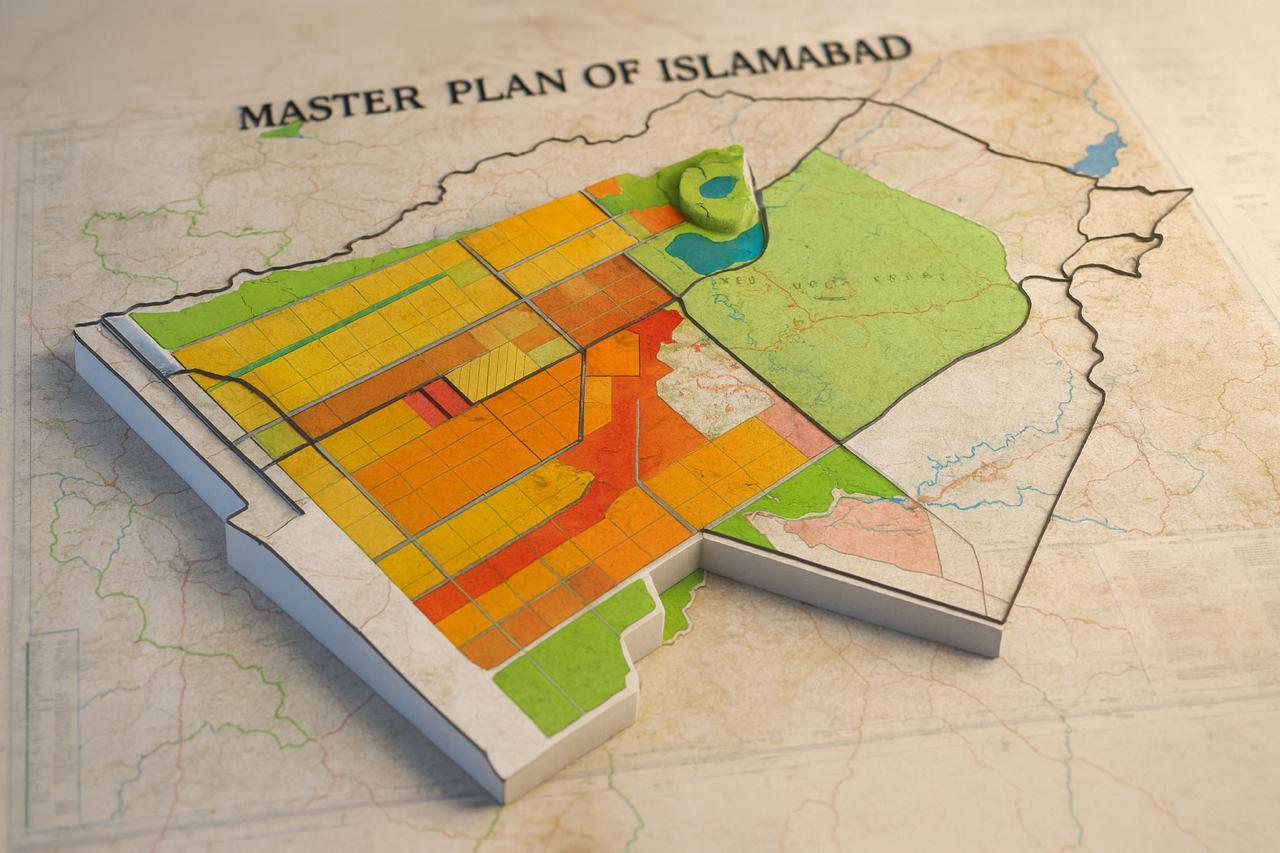
On 4 December 2002, the federal government approved the first comprehensive technical review of Islamabad’s 1960 master plan. The cabinet was informed that rap...
Read More →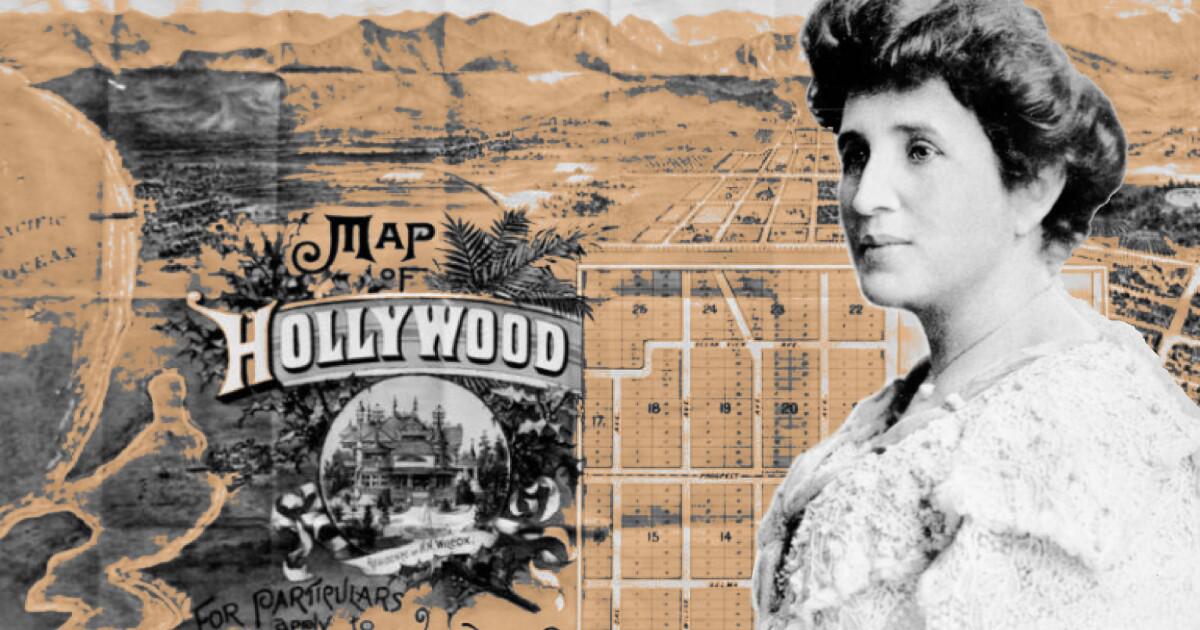
On 1 February 1887, in what is now Los Angeles County in the US state of California, Harvey Wilcox formally registered his privately owned agricultural land as ...
Read More →
On November 3, 2010, Pakistan’s Parliament enacted the 18th Constitutional Amendment, marking a historic shift toward provincial autonomy. The amendment devolve...
Read More →
Born on 7 January 1886, Jamshed Nusserwanjee Mehta’s life story is inseparable from the transformation of Karachi itself, from a small harbour settlement into a...
Read More →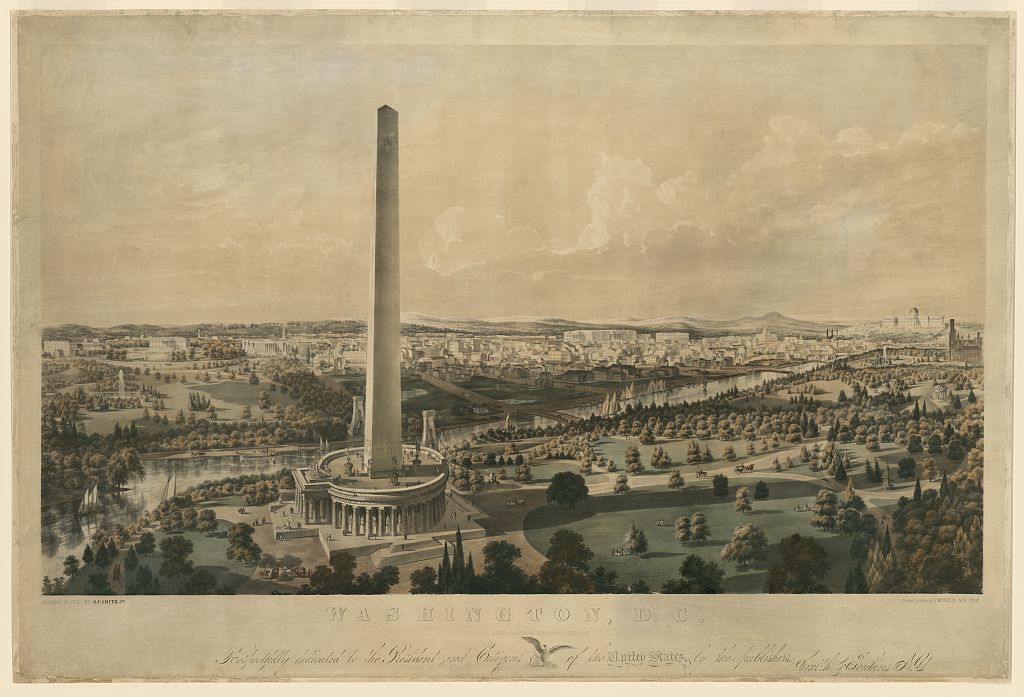
On October 9, 1888, the Washington Monument in Washington D.C. was officially opened to the public. Standing 555 feet tall, it was the tallest man-made structur...
Read More →
The acquisition of land for the Model Town Society was one of the most remarkable and spirited chapters in its early history. Dewan Khem Chand and his...
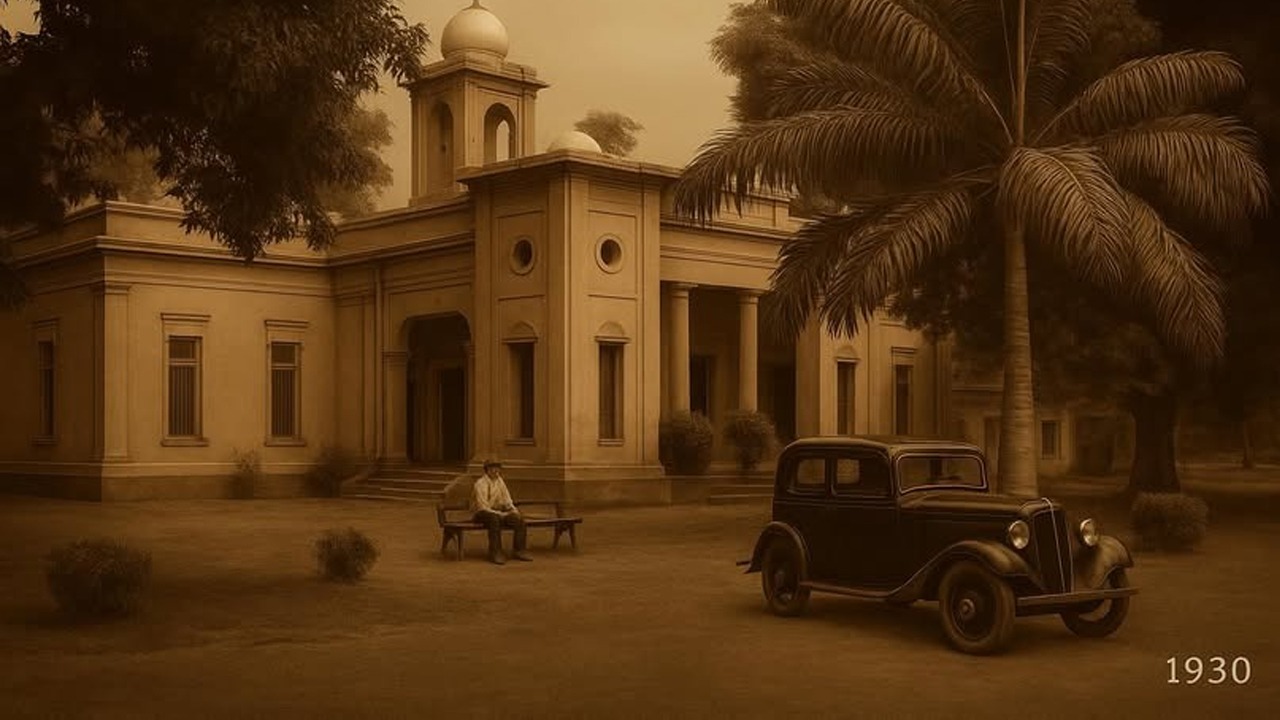
Between 1921 and 1924, the land for Model Town Lahore was acquired in successive phases. The process began in 1921, shortly after the establishment of...
No comments yet. Be the first to comment!