
Syed Shayan Real Estate Archive
Syed Shayan Real Estate Archive
From Real Estate History
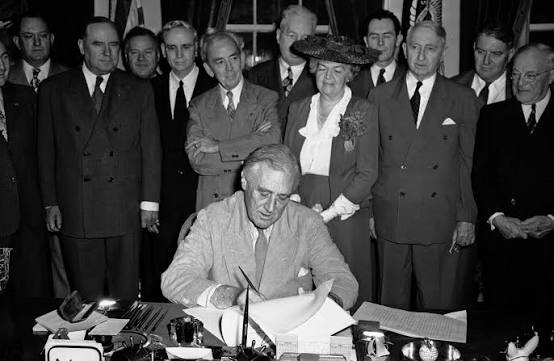
On 22 June 1944, the United States enacted the Servicemen’s Readjustment Act, popularly known as the GI Bill, a landmark piece of legislation that would profoundly transform the country’s housing market, suburban growth and real estate landscape for decades to come.
Introduced to support millions of servicemen returning from World War II, the GI Bill offered a wide range of benefits, including educational assistance, unemployment compensation and, most importantly for the property sector, government-backed home mortgage guarantees. These housing provisions dramatically reduced financial barriers to homeownership by lowering down payment requirements and improving access to affordable long-term financing.
Before the programme, homeownership remained out of reach for many American families due to limited credit availability and strict lending conditions. The GI Bill changed this reality by enabling millions of veterans to secure mortgages with favourable terms. According to historical records, nearly half of all mortgages issued in the United States during the postwar years were supported through GI Bill guarantees, making it one of the most influential housing finance initiatives in American history.
The surge in housing demand triggered an unprecedented wave of residential construction across the country. Developers responded by building large-scale planned communities on the outskirts of major cities. New suburban neighbourhoods emerged rapidly, featuring single-family homes, schools, parks, shopping centres and supporting infrastructure. One of the most notable examples was Levittown in New York, often regarded as a symbol of postwar suburban development and mass-produced housing.
The impact of the GI Bill extended far beyond individual homeownership. It accelerated urban expansion, stimulated the construction industry, created millions of jobs and encouraged investment in roads, utilities and public services. The programme helped shape modern suburban America and significantly influenced patterns of land use and community development.
Economists and housing historians frequently cite the GI Bill as a key driver of the postwar economic boom. By expanding access to property ownership, it enabled many families to accumulate wealth through real estate appreciation, helping to strengthen the American middle class. The legislation also demonstrated how government-supported housing finance could serve as a powerful tool for economic growth and social mobility.
More than eight decades later, the GI Bill remains a landmark example of how housing policy can influence national development. Its legacy continues to be studied by policymakers, urban planners and real estate professionals around the world as a model of how targeted housing finance programmes can reshape cities, expand homeownership and stimulate long-term economic prosperity.
▪️Syed Shayan Real Estate Archive
▪ Reference(s):
22 جون 1944 کو امریکا میں Servicemen’s Readjustment Act نافذ کیا گیا، جسے عام طور پر GI Bill کہا جاتا ہے۔ یہ ایک تاریخی قانون تھا جس نے آنے والی دہائیوں میں امریکا کی ہاؤسنگ مارکیٹ، مضافاتی آبادیوں کے پھیلاؤ اور رئیل اسٹیٹ منظرنامے کو گہرے انداز میں تبدیل کیا۔
یہ قانون دوسری جنگِ عظیم سے واپس آنے والے لاکھوں فوجیوں کی معاونت کے لیے متعارف کرایا گیا تھا۔ اس کے تحت تعلیمی امداد، بے روزگاری الاؤنس اور خاص طور پر پراپرٹی سیکٹر کے لیے حکومت کی ضمانت یافتہ ہوم مارگیج سہولت فراہم کی گئی۔ ان ہاؤسنگ سہولتوں نے کم ڈاؤن پیمنٹ اور طویل مدتی آسان فنانسنگ کے ذریعے گھر کی ملکیت تک رسائی کو نمایاں طور پر آسان بنا دیا۔
اس پروگرام سے قبل امریکا میں بہت سے خاندانوں کے لیے گھر خریدنا مشکل تھا، کیونکہ قرض تک رسائی محدود اور بینکنگ شرائط سخت تھیں۔ 'جی آ ئی بل' نے یہ صورتحال بدل دی اور لاکھوں سابق فوجیوں کو سازگار شرائط پر مارگیج حاصل کرنے کے قابل بنایا۔ تاریخی ریکارڈ کے مطابق جنگ کے بعد کے برسوں میں امریکا میں جاری ہونے والے تقریباً نصف مارگیجز 'جی آ ئی بل' کی ضمانت کے تحت دیے گئے، جس سے یہ امریکی تاریخ کے سب سے بااثر ہاؤسنگ فنانس اقدامات میں شامل ہوگیا۔
ہاؤسنگ کی بڑھتی ہوئی طلب نے ملک بھر میں رہائشی تعمیرات کی غیر معمولی لہر پیدا کی۔ ڈویلپرز نے بڑے شہروں کے مضافات میں بڑے پیمانے پر منصوبہ بند کمیونٹیز تعمیر کرنا شروع کیں۔ نئے مضافاتی علاقے تیزی سے وجود میں آئے جن میں سنگل فیملی گھروں کے ساتھ سکول، پارکس، شاپنگ سینٹرز اور بنیادی انفراسٹرکچر شامل تھا۔ اس کی ایک نمایاں مثال نیویارک کا Levittown تھا، جسے جنگ کے بعد کی مضافاتی ترقی اور بڑے پیمانے پر تیار شدہ ہاؤسنگ کی علامت سمجھا جاتا ہے۔ 'جی آ ئی بل' کے اثرات صر ف انفرادی گھر کی ملکیت تک محدود نہیں رہے۔ اس نے شہری پھیلاؤ کو تیز کیا، تعمیراتی صنعت کو فروغ دیا، لاکھوں روزگار پیدا کیے اور سڑکوں، یوٹیلٹیز اور عوامی سہولتوں میں سرمایہ کاری کی حوصلہ افزائی کی۔ اس پروگرام نے جدید مضافاتی امریکا کی تشکیل میں اہم کردار ادا کیا اور زمین کے استعمال اور کمیونٹی ڈویلپمنٹ کے رجحانات کو نمایاں طور پر متاثر کیا۔
معاشی ماہرین اور ہاؤسنگ مؤرخین 'جی آ ئی بل' کو جنگ کے بعد امریکا کی معاشی ترقی کا ایک اہم محرک قرار دیتے ہیں۔ پراپرٹی کی ملکیت تک رسائی بڑھا کر اس قانون نے بہت سے خاندانوں کو رئیل اسٹیٹ کی قدر میں اضافے کے ذریعے دولت بنانے کا موقع دیا، جس سے امریکی مڈل کلاس مضبوط ہوئی۔ اس قانون نے یہ بھی ثابت کیا کہ حکومت کی معاونت سے چلنے والی ہاؤسنگ فنانس پالیسی معاشی ترقی اور سماجی بہتری کا طاقتور ذریعہ بن سکتی ہے۔
آٹھ دہائیوں سے زائد عرصہ گزرنے کے باوجود 'جی آ ئی بل' آج بھی اس بات کی ایک تاریخی مثال ہے کہ ہاؤسنگ پالیسی کس طرح قومی ترقی کو متاثر کر سکتی ہے۔ اس کی میراث آج بھی دنیا بھر کے پالیسی سازوں، اربن پلانرز اور رئیل اسٹیٹ ماہرین کے لیے مطالعے کا موضوع ہے، کیونکہ یہ دکھاتی ہے کہ ہدفی ہاؤسنگ فنانس پروگرام شہروں کی ساخت بدل سکتے ہیں، گھر کی ملکیت کو وسعت دے سکتے ہیں اور طویل مدتی معاشی خوشحالی کو فروغ دے سکتے ہیں۔
▪️ سید شایان ریئل اسٹیٹ آرکائیو
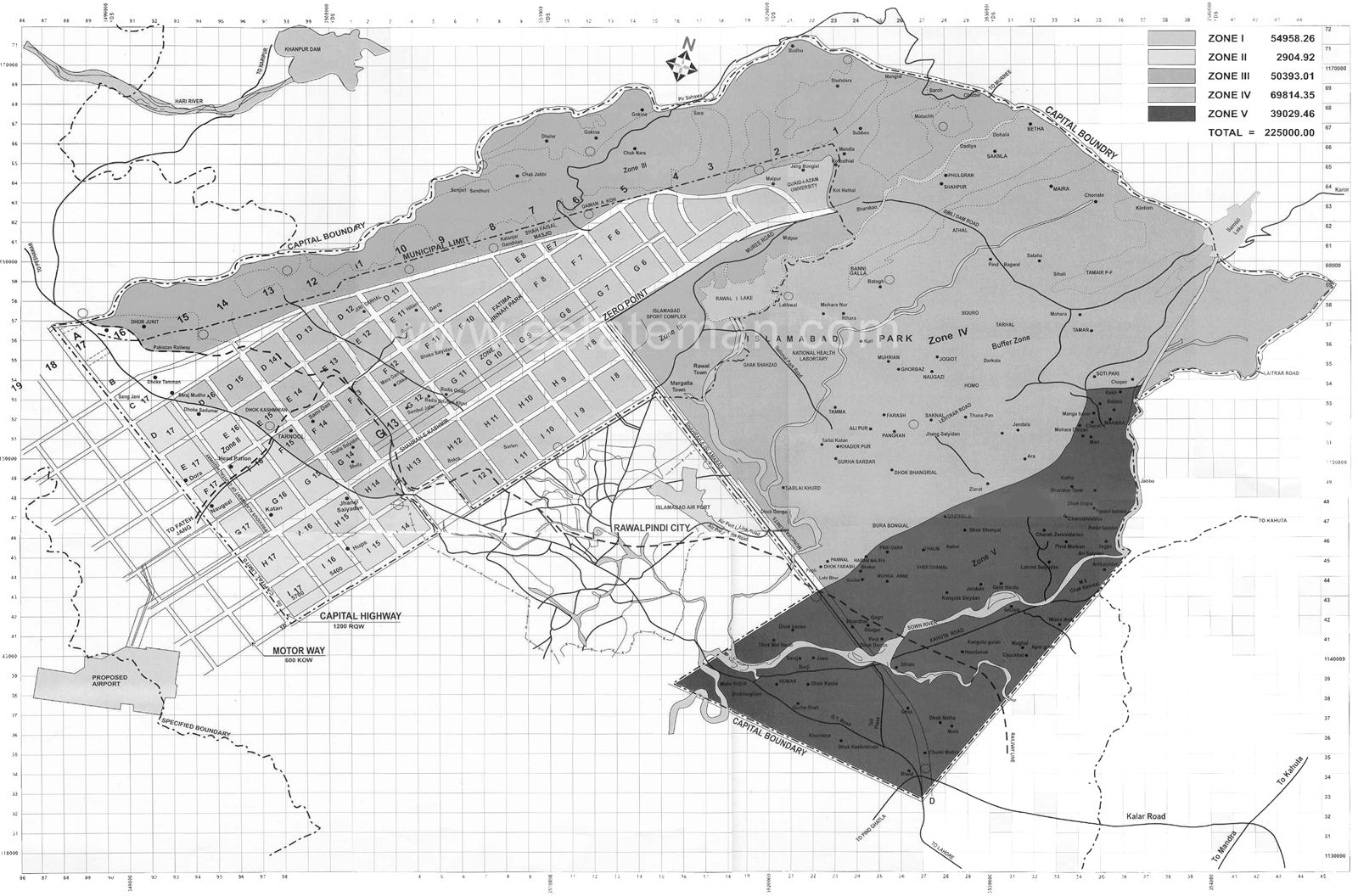
On this date, the Capital Development Authority formally approved the first sector boundary map for Pakistan’s newly designated federal capital, Islamabad. The ...
Read More →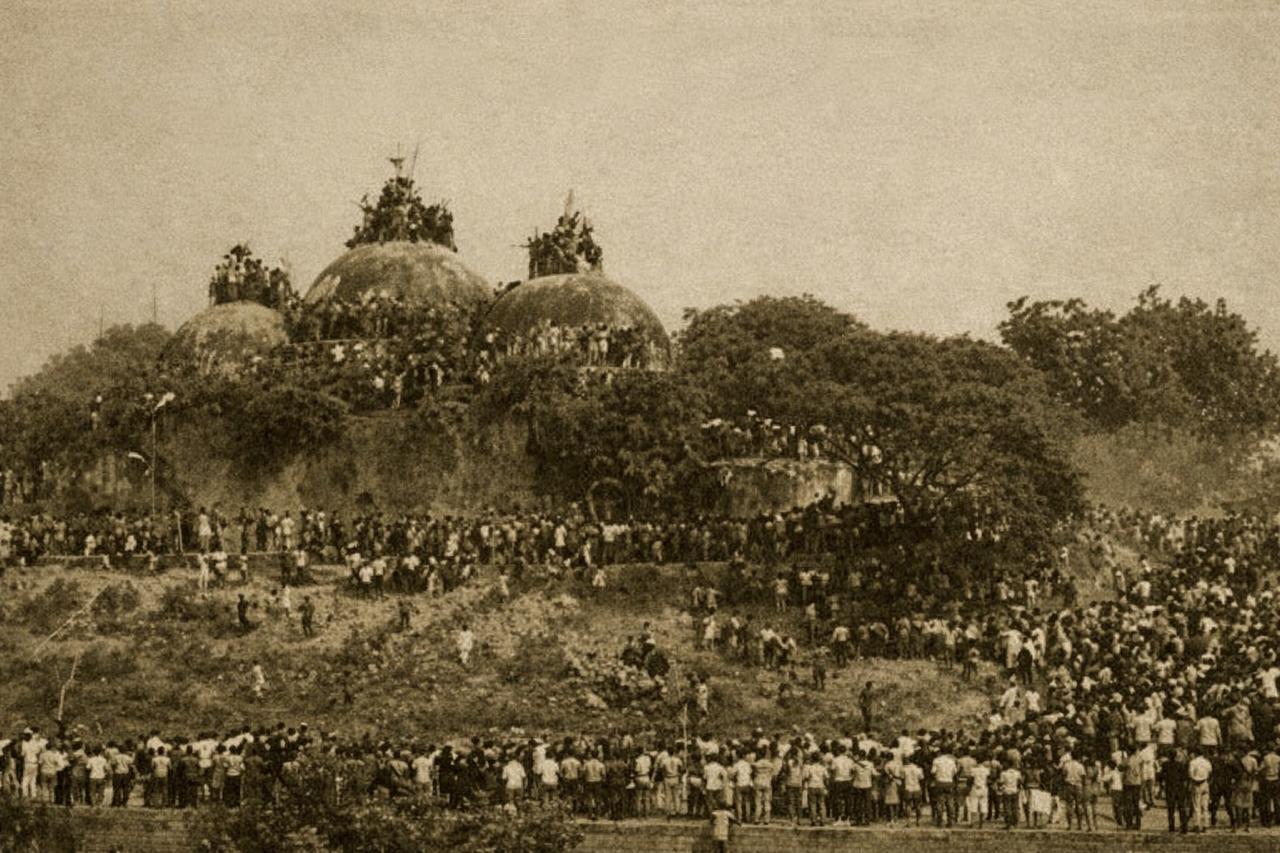
On 6 December 1992, the historic Babri Masjid in the Indian city of Ayodhya was demolished by a large crowd. This event constituted a profound religious trauma ...
Read More →
On 29 January 1819, a decision was taken that would quietly but decisively alter the course of maritime trade and urban development in Southeast Asia. On that d...
Read More →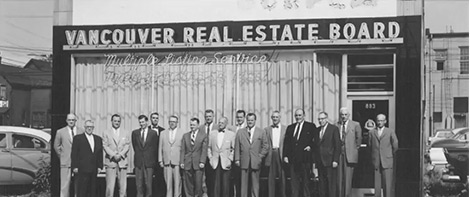
On October 22, 1929, the nation's first comprehensive real estate board was established, creating professional standards and ethical guidelines for property tra...
Read More →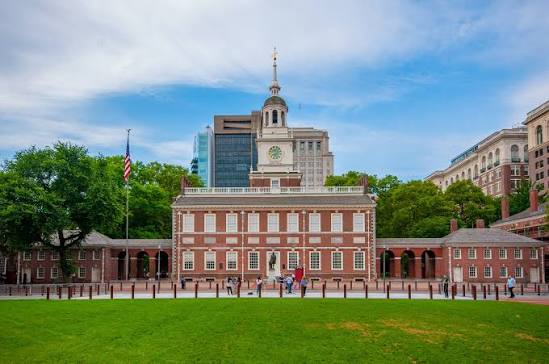
One of the most important moments in modern political and urban history took place inside Independence Hall in Philadelphia, United States. On this day, the Dec...
Read More →
The acquisition of land for the Model Town Society was one of the most remarkable and spirited chapters in its early history. Dewan Khem Chand and his...

Between 1921 and 1924, the land for Model Town Lahore was acquired in successive phases. The process began in 1921, shortly after the establishment of...
No comments yet. Be the first to comment!