
Syed Shayan Real Estate Archive
Syed Shayan Real Estate Archive
From Real Estate History
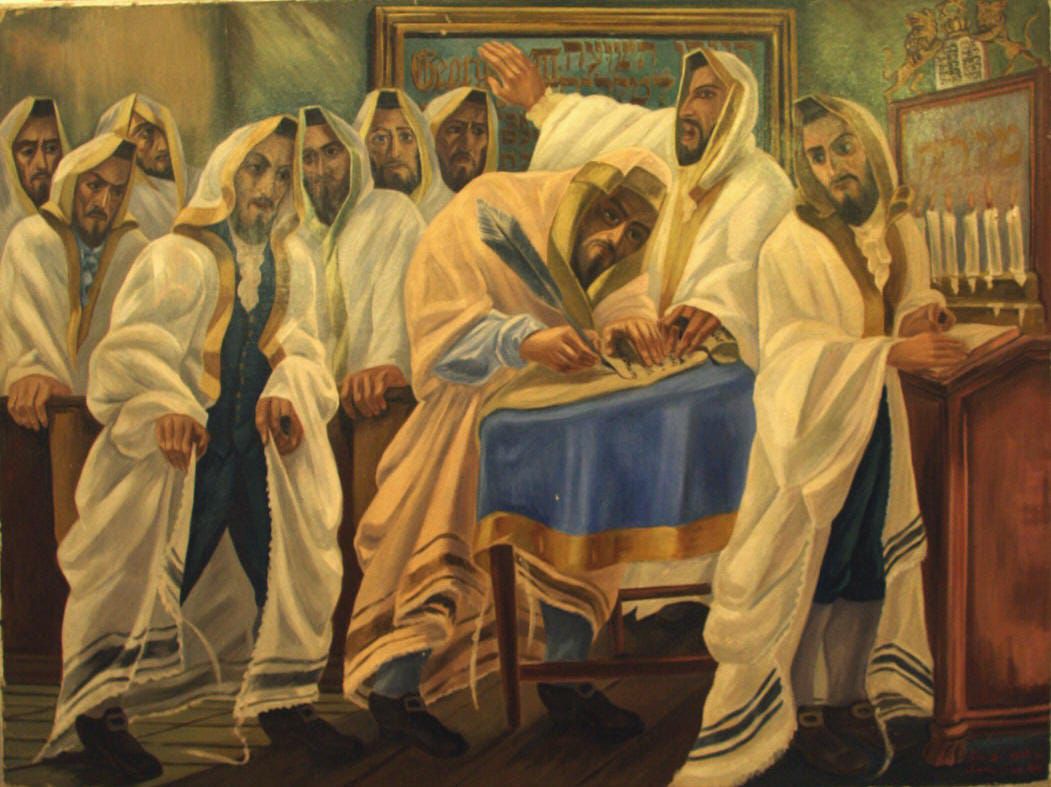
There was a time when Jews in what is now the United States were deprived of the right to establish their own place of worship.
On 13 March 1656 the colonial administration of Governor Peter Stuyvesant issued an order declaring that the Jewish community could not purchase or hold land in the city for the construction of a house of worship. They were also barred from certain public offices and their civic and social activities were restricted. The purpose of this policy was to prevent the establishment of an organised Jewish religious institution and to ensure that Jewish religious identity would not become visible in the urban landscape.
At that time the region was governed by Peter Stuyvesant, a strict follower of the Dutch Reformed Church who wished to maintain the dominance of that faith in the colony. A few years earlier, in 1654, about twenty three Jews had arrived in New Amsterdam, today’s New York, from the Brazilian city of Recife. Brazil had previously been under Dutch rule where Jews had enjoyed a degree of religious freedom. However, when the Portuguese regained control of the territory, the Jewish community was forced to leave and many sought refuge in New Amsterdam.
Governor Stuyvesant initially opposed their arrival and even attempted to expel them from the colony. He wrote to the Dutch West India Company urging that Jews should not be allowed to remain. The directors of the company in Amsterdam responded that Jews could not be expelled entirely because many Jewish merchants were financially connected with the company and contributed to its commercial activities. As a result the Jewish community was permitted to stay in the city, but several restrictions were imposed upon them.
Later, when the British captured New Amsterdam in 1664 and renamed it New York, religious tolerance gradually expanded and the Jewish community slowly gained permission to establish their own houses of worship.
▪️Syed Shayan Real Estate Archive
▪ Reference(s):
ایک وقت تھا کہ آج کے امریکہ میں یہودیوں کو اپنی عبادت گاہ بنانے کے حق سے بھی محروم کر دیا گیا تھا۔
13 مارچ 1656 کو گورنر پیٹر اسٹائیوسنٹ کی نوآبادیاتی انتظامیہ کی جانب سے یہ حکم جاری ہوا کہ یہودی برادری شہر میں عبادت گاہ بنانے کے لیے زمین خرید یا رکھ نہیں سکتی۔ اس کے ساتھ انہیں بعض سرکاری عہدوں سے بھی محروم رکھا گیا اور ان کی شہری و سماجی سرگرمیوں کو محدود کیا گیا۔ اس فیصلے کا اصل مقصد یہ تھا کہ شہر میں یہودی مذہبی ادارہ منظم شکل میں قائم نہ ہو سکے اور ان کی مذہبی شناخت شہری منظرنامے میں نمایاں نہ ہو۔
اس زمانے میں اس علاقے کا گورنر پیٹر اسٹائیوسنٹ تھا جو مذہبی طور پر ڈچ ریفارمڈ چرچ کا سخت پیروکار تھا اور وہ شہر میں اسی مذہب کو غالب دیکھنا چاہتا تھا۔ چند سال پہلے 1654 میں برازیل کے شہر ریسیفے سے تقریباً تئیس یہودی نیو ایمسٹرڈیم (آج کا نیویارک) پہنچے تھے۔ برازیل میں پہلے ڈچ حکومت تھی جہاں یہودیوں کو نسبتاً مذہبی آزادی حاصل تھی، لیکن جب پرتگالیوں نے دوبارہ قبضہ کیا تو یہودیوں کو وہاں سے نکلنا پڑا اور وہ پناہ کے لیے نیو ایمسٹرڈیم آ گئے۔
گورنر اسٹائیوسنٹ نے ابتدا میں ان کی آمد کی سخت مخالفت کی اور انہیں شہر سے نکالنے کی کوشش بھی کی۔ اس نے ڈچ ویسٹ انڈیا کمپنی کو خط لکھ کر کہا کہ یہودیوں کو یہاں رہنے کی اجازت نہ دی جائے۔ تاہم کمپنی کے ڈائریکٹرز نے ایمسٹرڈیم سے جواب دیا کہ چونکہ بہت سے یہودی تاجر کمپنی کی معیشت اور سرمایہ کاری میں اہم کردار رکھتے ہیں، اس لیے انہیں مکمل طور پر نکالا نہیں جا سکتا۔ چنانچہ انہیں شہر میں رہنے کی اجازت تو مل گئی، مگر ساتھ ہی کئی پابندیاں عائد کر دی گئیں۔
بعد میں جب 1664 میں برطانیہ نے نیو ایمسٹرڈیم پر قبضہ کر کے اس کا نام نیویارک رکھ دیا تو مذہبی آزادی نسبتاً بڑھ گئی اور آہستہ آہستہ یہودیوں کو اپنی عبادت گاہیں قائم کرنے کی اجازت مل گئی۔
▪️ سید شایان ریئل اسٹیٹ آرکائیو
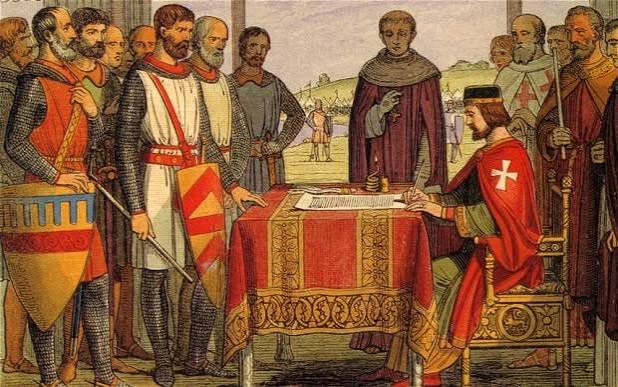
On 15 June 1215, King John of England agreed to the Magna Carta at Runnymede. Although it was not a modern real estate law, it became one of history’s most impo...
Read More →
In October 2013, India began the active implementation of the Land Acquisition, Rehabilitation and Resettlement Act (LARR) 2013, one of the most transformative ...
Read More →On November 12, 1892, the British Municipal Authority of Karachi approved the Frere Town Housing Project, one of the earliest organized residential developments...
Read More →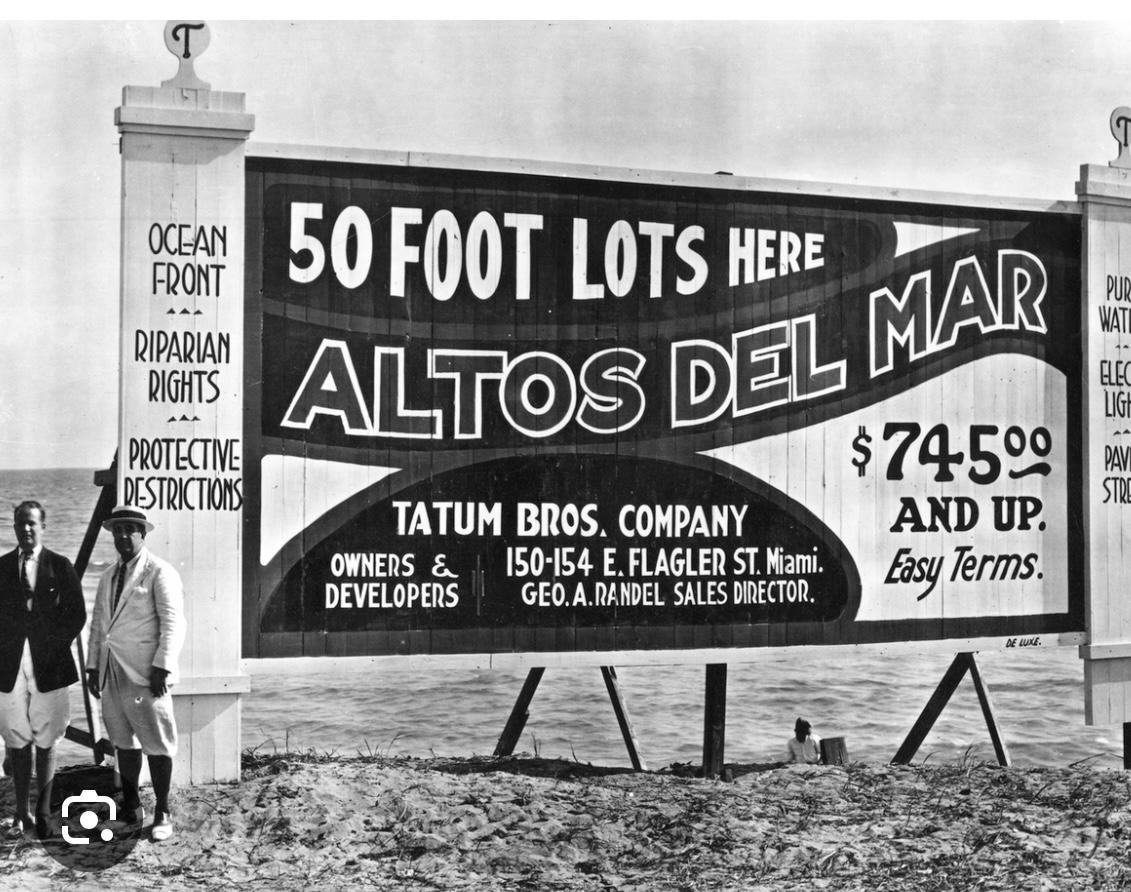
Exactly one century ago, on 23 December 1925, the most famous real estate phenomenon in American history stood at its absolute peak. Across Florida, particularl...
Read More →
On October 30, 1975, New York City narrowly averted financial catastrophe when President Gerald Ford authorized crucial federal loan guarantees, preventing comp...
Read More →
The acquisition of land for the Model Town Society was one of the most remarkable and spirited chapters in its early history. Dewan Khem Chand and his...

Between 1921 and 1924, the land for Model Town Lahore was acquired in successive phases. The process began in 1921, shortly after the establishment of...
No comments yet. Be the first to comment!