
Syed Shayan Real Estate Archive
Syed Shayan Real Estate Archive
From Real Estate History
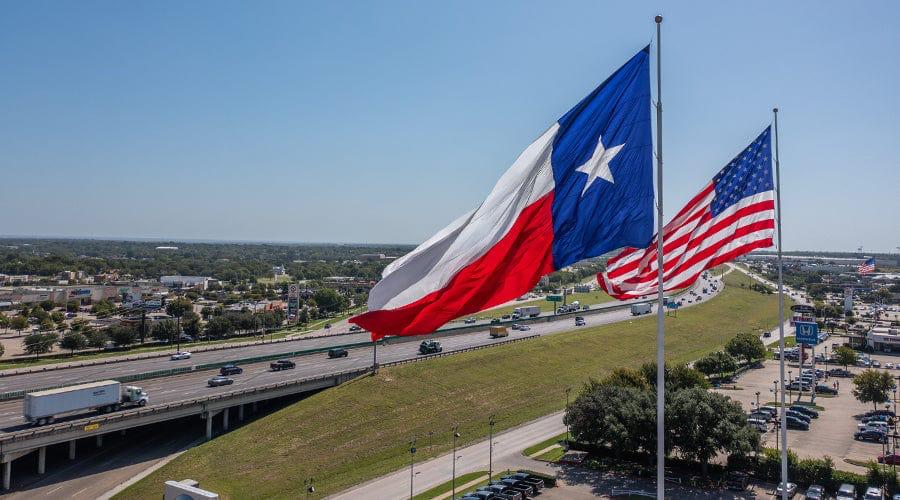
The United States Congress gave final legislative approval to the Joint Resolution providing for the annexation of Texas, marking a decisive moment in American territorial expansion. The process had begun a day earlier, on 27 February, when the Senate passed the resolution by a narrow margin of 27 to 25. The vote was initially tied, but one senator changed his position, allowing the measure to pass by a two vote difference. The following day, the House of Representatives approved the Senate version by 132 votes to 76, completing congressional action. On 1 March 1845, President John Tyler signed the resolution into law.
At the time of annexation, the United States consisted of 27 states. Texas entered the Union as the 28th state. With an area of approximately 695,662 square kilometres, its admission significantly expanded the territorial footprint of the country. This was not merely a symbolic addition to the map. The territory carried immense economic potential, including vast agricultural lands, mineral resources, and, in later decades, major oil and gas discoveries.
Following annexation, land settlement and distribution accelerated. Although Texas retained control over much of its public domain, integration into the American system encouraged structured land grants, railroad allocations, new town development, and organised settlement patterns. In subsequent years, federal legislation such as the Homestead Act widened access to land ownership and contributed to the long term expansion of the American real estate market.
Today, Texas remains one of the largest and most influential real estate markets in the United States by area and economic activity. While California and New York typically command higher land values in absolute price terms, Texas ranks first in total agricultural land area and continues to hold strategic importance due to its industrial base and energy sector.
▪️Syed Shayan Real Estate Archive
▪ Reference(s):
امریکی کانگریس نے ٹیکساس کو امریکہ میں شامل کرنے کی مشترکہ قرارداد کو حتمی طور پر 28 فروری 1845 کو منظور کر لیا۔ اس سے ایک روز پہلے، 27 فروری کو سینیٹ میں یہ قرارداد صرف دو ووٹوں کے فرق سے منظور ہوئی۔ موافق ووٹ 27 تھے اور مخالفت میں 25 ووٹ پڑے۔ ابتدا میں ووٹنگ برابر ہو گئی تھی، لیکن ایک سینیٹر نے اپنا ووٹ بدل دیا جس کے بعد قرارداد معمولی فرق سے منظور ہو سکی۔ اگلے دن 28 فروری کو ایوانِ نمائندگان نے اسے 132 کے مقابلے میں 76 ووٹوں سے منظور کر لیا۔ یکم مارچ 1845 کو صدر جان ٹائلر نے اس پر دستخط کر دیے اور یوں یہ قانون بن گیا۔
جب ٹیکساس امریکہ میں شامل ہوا تو اس وقت امریکہ میں 27 ریاستیں تھیں۔ ٹیکساس اس یونین کی 28ویں ریاست بنا۔ اس کا رقبہ تقریباً 6 لاکھ 95 ہزار مربع کلومیٹر ہے، جس کے باعث امریکہ کو ایک بہت بڑا زمینی اضافہ حاصل ہوا۔ یہ صرف نقشے پر اضافہ نہیں تھا بلکہ زرعی زمین، معدنی وسائل اور بعد میں دریافت ہونے والے تیل و گیس کے ذخائر کی وجہ سے معاشی لحاظ سے بھی انتہائی اہم تھا۔
الحاق کے بعد زمین کی تقسیم اور آبادکاری کا عمل تیز ہوا۔ اگرچہ ٹیکساس نے اپنی بہت سی سرکاری زمینیں اپنے کنٹرول میں رکھیں، لیکن اس کے باوجود آبادکاروں کو زمین دینا، ریل روڈ کے لیے زمین مختص کرنا اور نئی بستیوں کا قیام تیزی سے شروع ہوا۔ بعد کے برسوں میں ہوم اسٹیڈ ایکٹ جیسے قوانین نے عام لوگوں کو زمین کے مالک بننے کا موقع دیا اور امریکی ریئل اسٹیٹ مارکیٹ کو وسعت ملی۔
آج کے دور میں اگر زمین کی مجموعی مالیت کو دیکھا جائے تو ٹیکساس امریکہ کی بڑی اور مضبوط ریئل اسٹیٹ مارکیٹوں میں شمار ہوتا ہے، لیکن سب سے مہنگی زمین کے لحاظ سے عام طور پر کیلیفورنیا اور نیویارک اس سے آگے ہیں۔ تاہم زرعی زمین کے رقبے کے لحاظ سے ٹیکساس آج بھی امریکہ میں پہلے نمبر پر آتا ہے اور صنعتی و توانائی کے شعبے کی وجہ سے اس کی زمین کی اہمیت بہت زیادہ ہے۔
▪️ سید شایان ریئل اسٹیٹ آرکائیو

On November 22, 1991, the Punjab Public Health Engineering Department launched a major rural water supply rehabilitation program targeting villages located alon...
Read More →
The Kilmarnock and Troon Railway officially opened in Ayrshire, Scotland. It is widely regarded as Scotland’s first public railway line and one of the early tra...
Read More →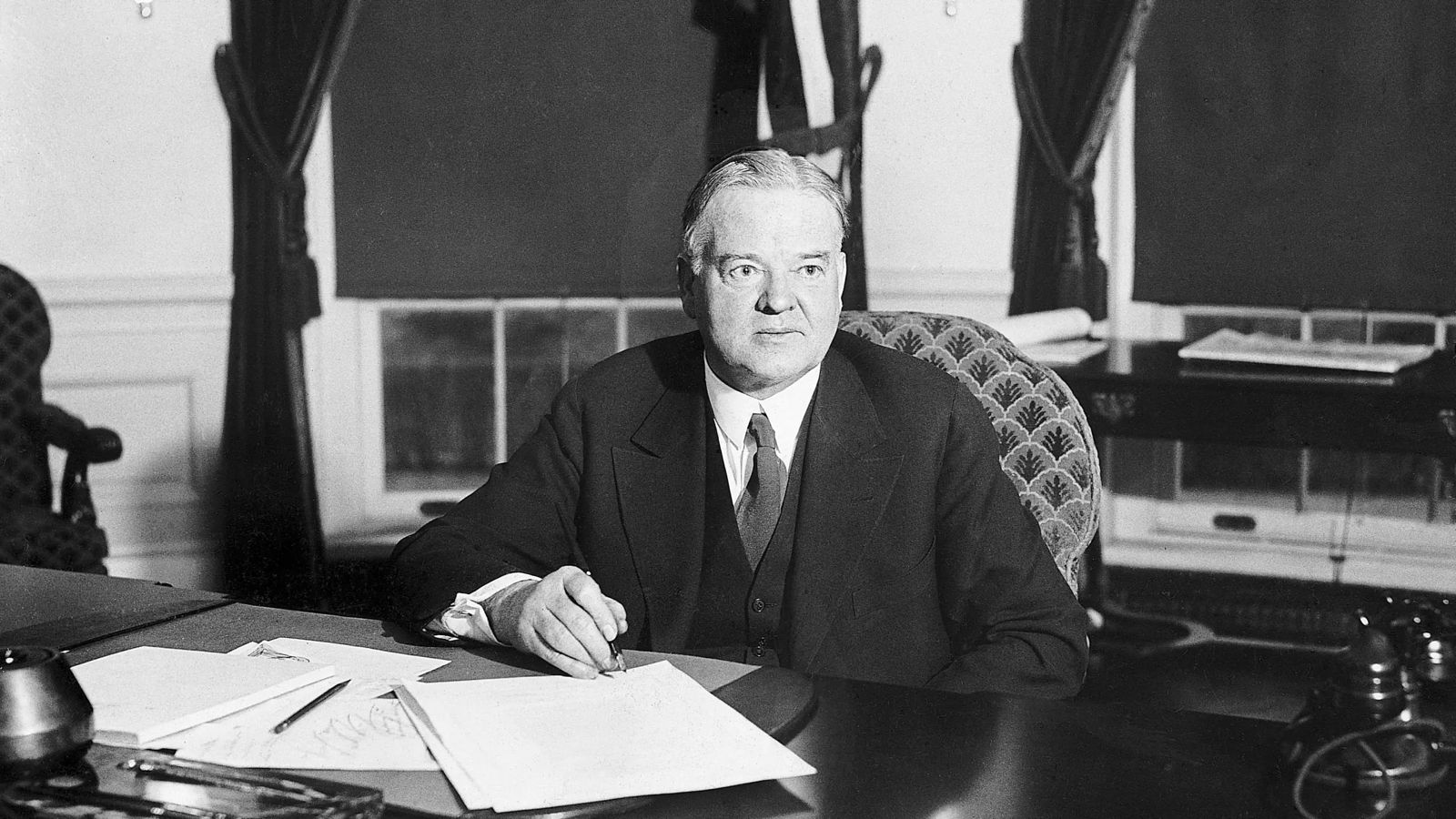
Amid the continuing economic crisis, President Herbert Hoover inaugurated the White House Conference on Home Building and Home Ownership today in Washington. Th...
Read More →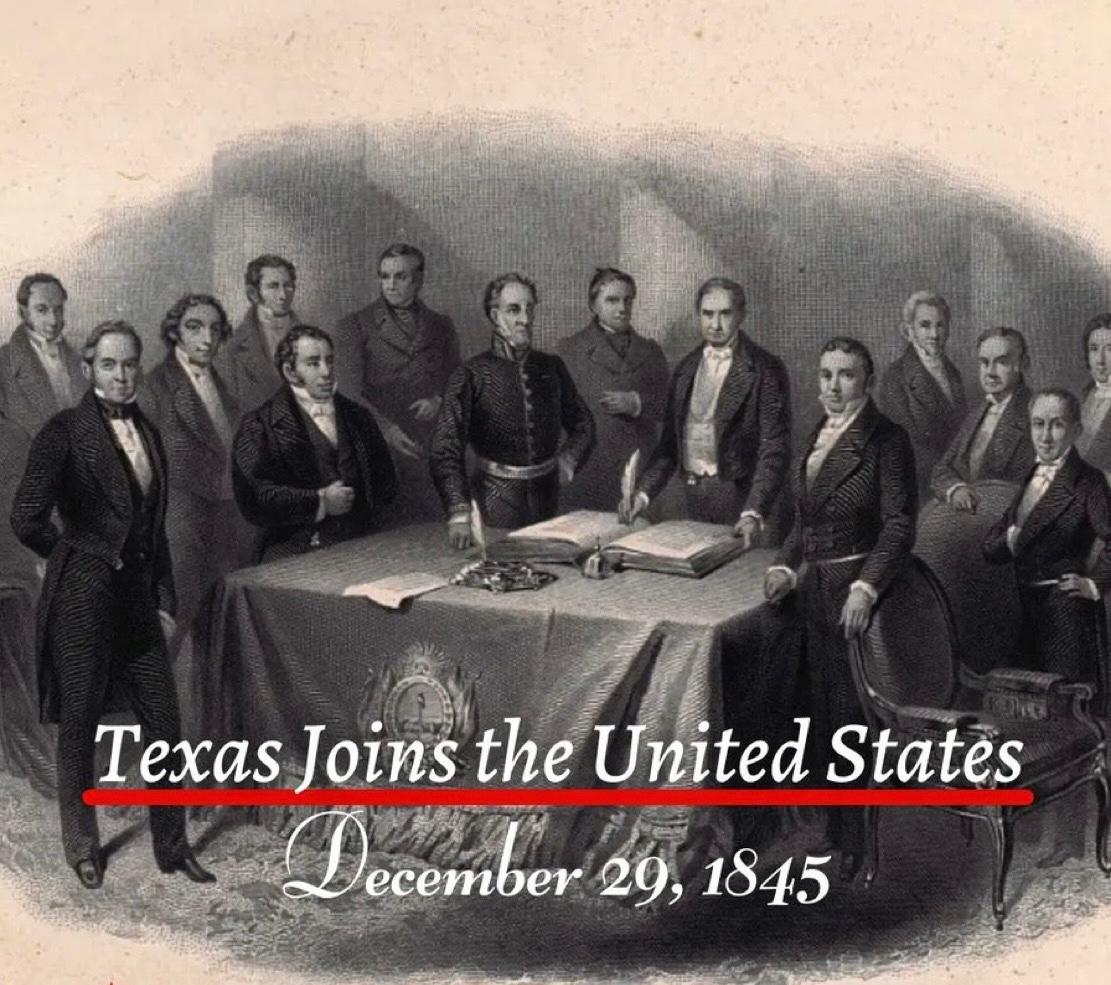
On 29 December 1845, Texas formally became the twenty eighth state of the United States. This event was not merely a political decision. It marked an extraord...
Read More →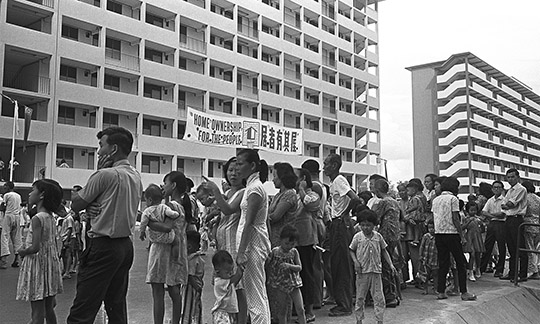
On November 5, 1989, Singapore announced a major expansion to its Housing & Development Board (HDB) home-ownership model, creating policies that allowed low- an...
Read More →
The acquisition of land for the Model Town Society was one of the most remarkable and spirited chapters in its early history. Dewan Khem Chand and his...

Between 1921 and 1924, the land for Model Town Lahore was acquired in successive phases. The process began in 1921, shortly after the establishment of...
No comments yet. Be the first to comment!