
Syed Shayan Real Estate Archive
Syed Shayan Real Estate Archive
From Real Estate History
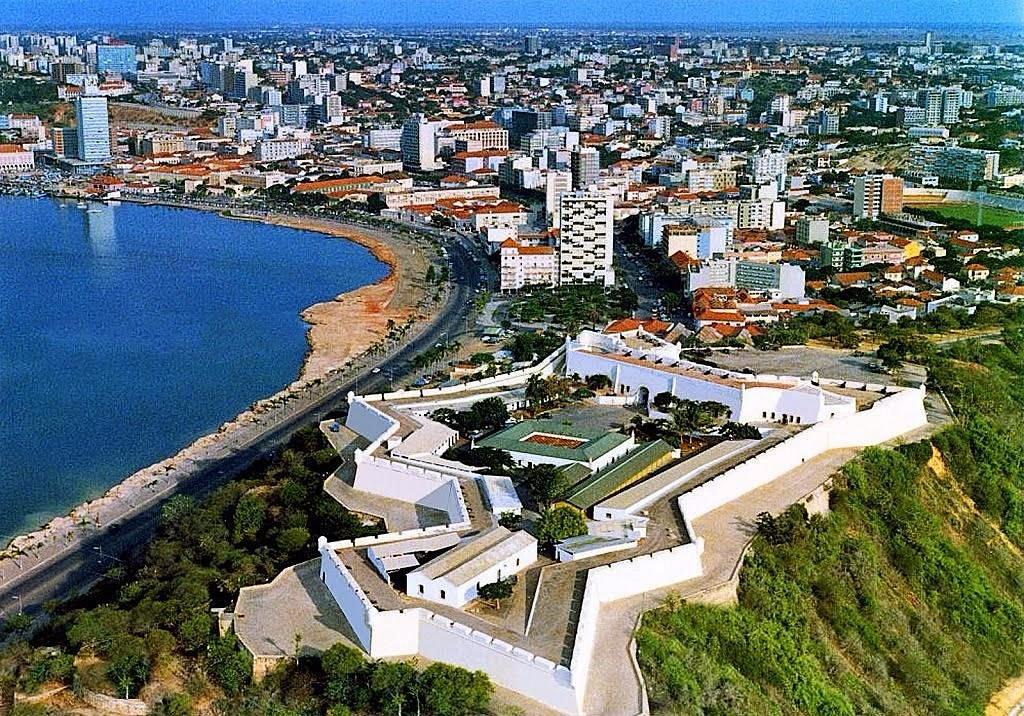
25 January 1575 marks the formal foundation of Luanda on the western coast of Africa by the Portuguese explorer and colonial administrator Paulo Dias de Novais. The settlement was originally named São Paulo da Assunção de Loanda, a designation that was later shortened to Luanda.
At the time of its establishment in 1575, Luanda was a small colonial port settlement inhabited by an estimated three hundred to five hundred people. Its population consisted primarily of Portuguese soldiers, administrative officials, religious missionaries, and local auxiliaries. The settlement comprised a military fort, limited residential structures, warehouses, and basic port facilities. Its construction was undertaken under the direct patronage of the Portuguese state, supported by military expenditure and driven by long term colonial trade interests. In essence, Luanda was conceived as a strategic state investment intended to secure control over Atlantic trade routes. Over time, this modest outpost expanded into a major urban centre.
The Portuguese administration provided the settlement with military protection and a structured system of governance. Gradually, Luanda developed into a principal gateway for trade between Europe and Africa. Warehouses, markets, and residential districts expanded around the harbour, land values increased steadily, and population growth continued. In later centuries, the rise of oil and energy based economic activity further reinforced the city’s importance. As a result, Luanda emerged as one of Africa’s major urban centres and eventually became the capital of Angola.
When Angola gained independence from Portugal in 1975, Luanda was already a fully developed administrative, military, port, and economic hub. Throughout the colonial period, government offices, port infrastructure, road networks, residential zones, commercial activity, and international connections had been concentrated in the city. Consequently, following independence, the establishment of a new capital was neither practically feasible nor economically viable. From the outset, Luanda therefore retained its status as the capital of the newly independent state.
Luanda can be understood through three interconnected dimensions. At the first level, it functions as the political capital of Angola, housing the presidency, cabinet, military command, foreign embassies, and national institutions. At the second level, it serves as the centre of Angola’s oil based economy, with the majority of national oil revenues, foreign corporations, logistics operations, and financial activities linked to the city. This has shaped Luanda into a rapidly expanding yet high cost metropolitan centre. At the third and most enduring level, Luanda remains a historic port city, continuously connected to global trade networks from the sixteenth century to the present.
▪️Syed Shayan Real Estate Archive
▪ Reference(s):
25 جنوری 1575 وہ تاریخی دن ہے جب پرتگالی مہم جو اور نوآبادیاتی منتظم Paulo Dias de Novais نے افریقہ کے مغربی ساحل پر واقع شہر لوانڈا ( Luanda) ) کی باقاعدہ بنیاد رکھی۔ اس شہر کا ابتدائی نام São Paulo da Assunção de Loanda رکھا گیا جو بعد ازاں مختصر ہو کر لوانڈا کہلایا۔
جب Paulo Dias de Novais نے 1575 میں لوانڈا کی بنیاد رکھی تو یہ چند سو افراد پر مشتمل ایک چھوٹی نوآبادیاتی بندرگاہی بستی تھی جس میں اندازاً 300 سے 500 افراد شامل تھے جن میں پرتگالی فوجی، انتظامی اہلکار، مذہبی مشنری اور مقامی معاونین موجود تھے، یہ بستی بنیادی طور پر ایک فوجی قلعے، محدود رہائشی عمارتوں، گوداموں اور بندرگاہی سہولتوں پر مشتمل تھی اور اس کی تعمیر پرتگالی ریاست کی سرپرستی، فوجی بجٹ اور نوآبادیاتی تجارت کے مستقبل کے معاشی مفادات کے تحت کی گئی، یعنی یہ ایک ریاستی اسٹریٹجک سرمایہ کاری تھی جس کا مقصد بحر اوقیانوس کی تجارت پر کنٹرول تھا لیکن وقت کے ساتھ پھیل کر ایک بڑا شہر بنا۔
پرتگالی حکومت نے اسے فوجی تحفظاور تمام نظم و نسق کی سہولیات فراہم کیں، چنانچہ وقت کے ساتھ یہ شہر یورپ اور افریقہ کے درمیان تجارت کا مرکزی دروازہ بن گیا، بندرگاہ کے گرد گودام، بازار اور رہائشی علاقے پھیلتے گئے، زمین کی قدر بڑھتی چلی گئی اور آبادی میں مسلسل اضافہ ہوتا رہا، بعد کی صدیوں میں تیل اور توانائی کی معیشت نے اسے مزید مضبوط کیا، اسی لیے آج یہ افریقہ کے بڑے اور اہم شہروں میں شامل ہے اور انگولا کا دارالحکومت بھی۔
انگولا جب 1975 میں پرتگال سے آزاد ہوا تو لوانڈا پہلے ہی ایک مکمل انتظامی، فوجی، بندرگاہی اور معاشی مرکز بن چکا تھا۔ نوآبادیاتی دور میں تمام سرکاری دفاتر، بندرگاہ، سڑکیں، رہائشی زونز، کاروباری ڈھانچہ اور بین الاقوامی روابط اسی شہر میں مرتکز تھے، اس لیے آزادی کے فوراً بعد کسی نئے دارالحکومت کی منصوبہ بندی نہ تو عملی طور پر ممکن تھی اور نہ ہی معاشی طور پر۔اس لیے روز اول ہی سے اسے نوزائید ملک کے کیپیٹل کی حیثیت مل گئی
لوانڈا دراصل تین اپنی تین سطحوں سے پہچانا جاتا ہے پہلی سطح پر یہ انگولا کا دارالحکومت ہے جہاں صدر، کابینہ، فوجی کمان، سفارت خانے اور قومی ادارے قائم ہیں، دوسری سطح پر لوانڈا انگولا کی تیل پر مبنی معیشت کا دل ہے، ملک کی زیادہ تر آئل ریونیو، غیر ملکی کمپنیاں، لاجسٹکس اور فنانشل سرگرمیاں اسی شہر سے جڑی ہوئی ہیں، جس نے اسے ایک تیز رفتار مگر مہنگا میٹروپولیٹن شہر بنا دیا ہے۔ تیسری اور سب سے اہم سطح پر لوانڈا ایک تاریخی بندرگاہی شہر ہے جو 16ویں صدی سے آج تک عالمی تجارت سے جڑا ہوا ہے۔
▪️ سید شایان ریئل اسٹیٹ آرکائیو

On November 13, 1872, the British Parliament passed a housing reform act to address unsafe living conditions in London’s slums. The law aimed to replace overcro...
Read More →
Washington DC: An important panel report on the United States federal real estate system was released on 11 March 2019 by the Public Buildings Reform Board. Th...
Read More →
On November 17, 1994, the Peshawar Development Authority (PDA) began its first Ring Road Housing Expansion Scheme to reduce congestion inside the historical cor...
Read More →
The Fifteenth Census Act was approved in the United States. The law authorized the 1930 census and helped strengthen the collection of population, agriculture, ...
Read More →
On October 28, 1895, the construction industry's widespread adoption of steel-frame technology enabled the first generation of modern skyscrapers, fundamentally...
Read More →
The acquisition of land for the Model Town Society was one of the most remarkable and spirited chapters in its early history. Dewan Khem Chand and his...
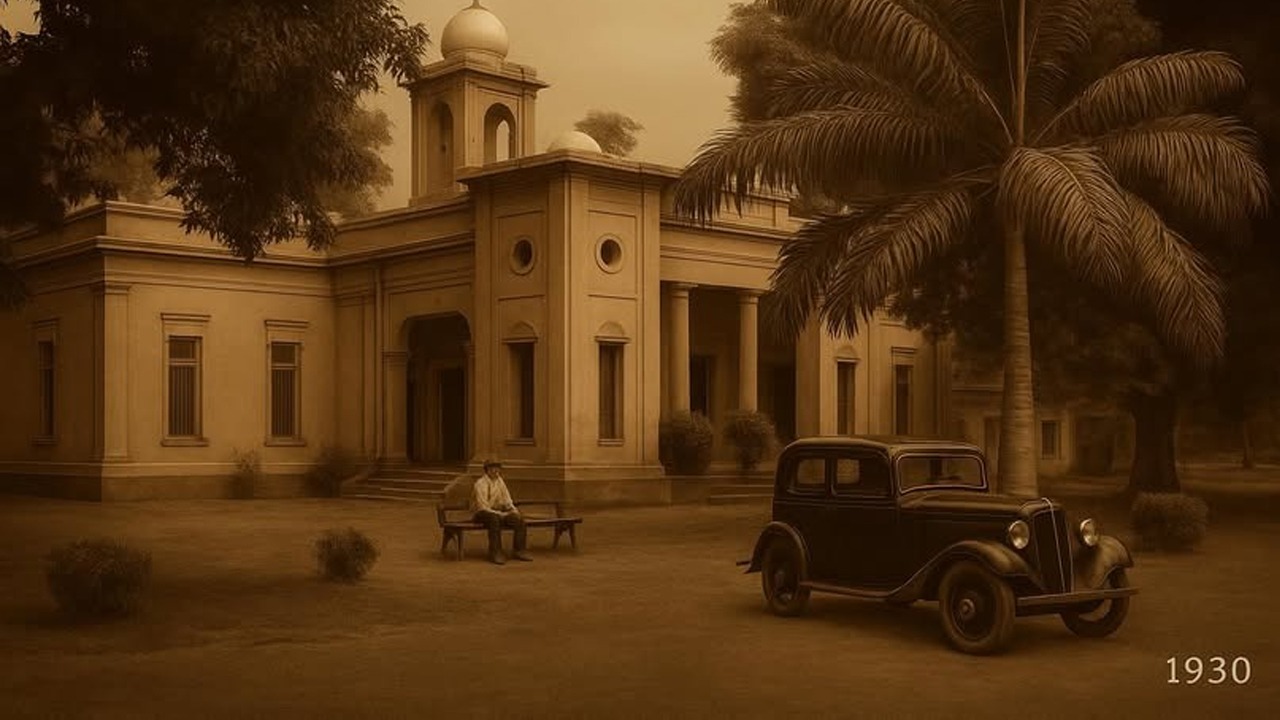
Between 1921 and 1924, the land for Model Town Lahore was acquired in successive phases. The process began in 1921, shortly after the establishment of...
No comments yet. Be the first to comment!