
Syed Shayan Real Estate Archive
Syed Shayan Real Estate Archive
From Real Estate History
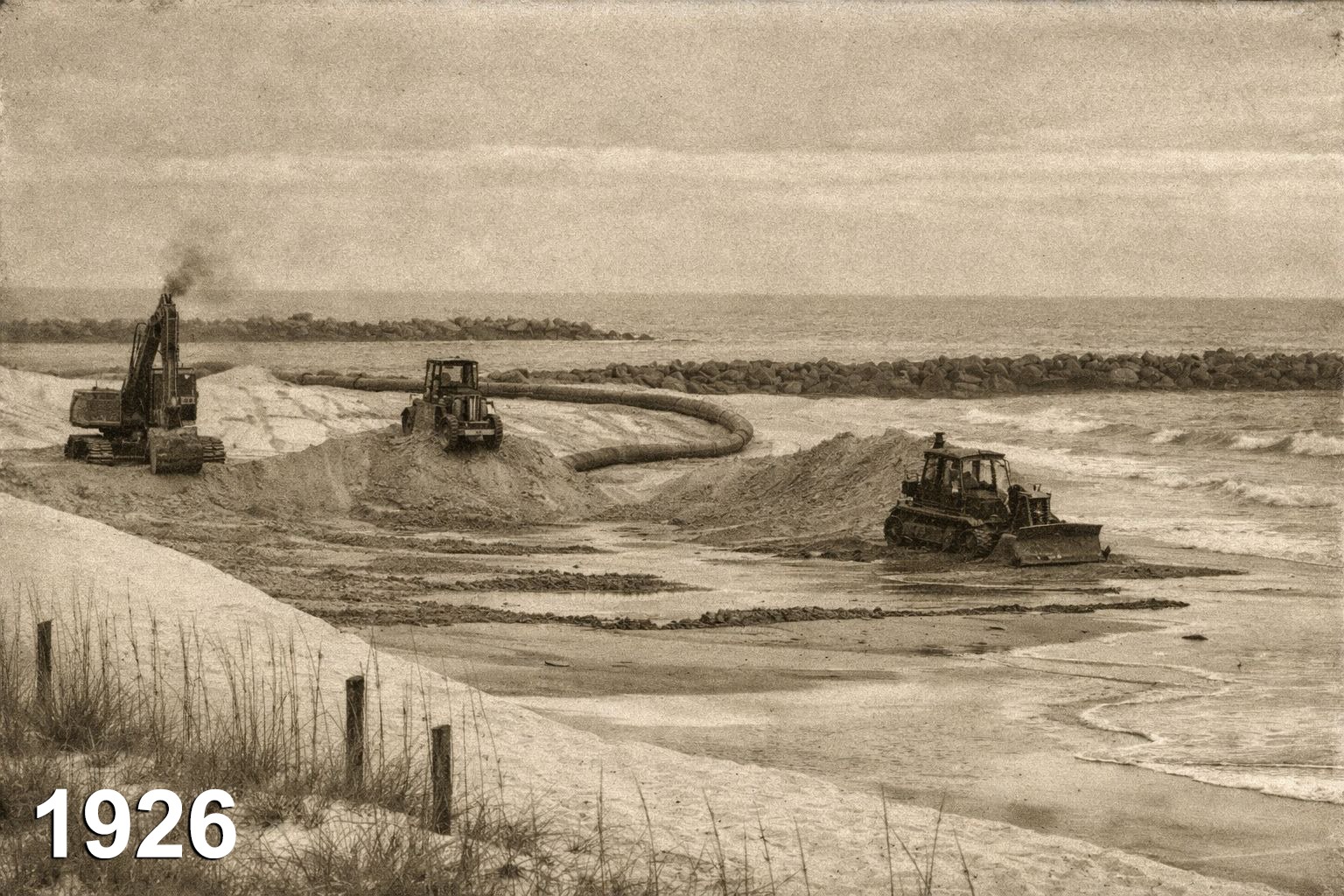
One hundred years ago, on 16 January 1926, leading English language newspapers published in Bombay, including The Times of India, Bombay Chronicle, and The Bombay, reported on an official debate held during a major government session in British India. These reports recorded that the Bombay Legislative Council had engaged in a detailed discussion on the inquiry report relating to the Back Bay Reclamation Scheme.
(The term “reclamation” refers to the engineering process through which a portion of the sea is scientifically converted into new, usable land for residential, commercial, or public purposes.)
The meeting took place in the Bombay Legislative Council, where members raised serious concerns about the increasing financial deficit of the scheme and the principles by which land reclaimed from the sea should be valued. Fundamental questions were formally placed on record, including whether reclaiming land from the sea was financially justified, whether such land could possess a sustainable market value, and whether public funds should be committed to the project.
Several members of the Council described the scheme as an example of excessive expenditure and a potential misuse of public resources. Concerns were also expressed as to whether the land obtained through reclamation would be capable of recovering the substantial costs incurred in its development.
During the proceedings, key findings from the inquiry report were presented, covering financial planning, engineering costs, and projected revenue from the future sale or utilisation of the reclaimed land. A number of members characterised the scheme as one of the most controversial and expensive urban development initiatives undertaken during the period of British India.
The marine reclamation works carried out during the 1920s, while not based on modern technology, were regarded as among the most advanced engineering practices of their time. The project involved the construction of robust sea walls and stone embankments along the coastline to withstand wave action and tidal pressure. Sand and soil were dredged from the seabed and deposited through hydraulic filling, after which the land was allowed to settle naturally over several years so that excess water could drain and the soil could stabilise. Where construction was intended, deep timber and early concrete piles were driven through soft layers to reach firm strata below. Although computer modelling was not available, British engineers relied on prolonged observation of tides and coastal currents, supported by manual calculations, to design the works. As a result, despite early apprehensions, the reclaimed areas gradually stabilised and, in subsequent decades, came to be regarded among the most valuable urban real estate in the world.
At the time, reclaiming land from the sea for urban and commercial use was considered a novel and unconventional idea. Many viewed it as expensive, risky, and administratively complex. However, later developments demonstrated that the scheme fundamentally transformed the city, led to exceptional increases in land values, and contributed significantly to Bombay’s emergence as a globally important centre of real estate and economic activity.
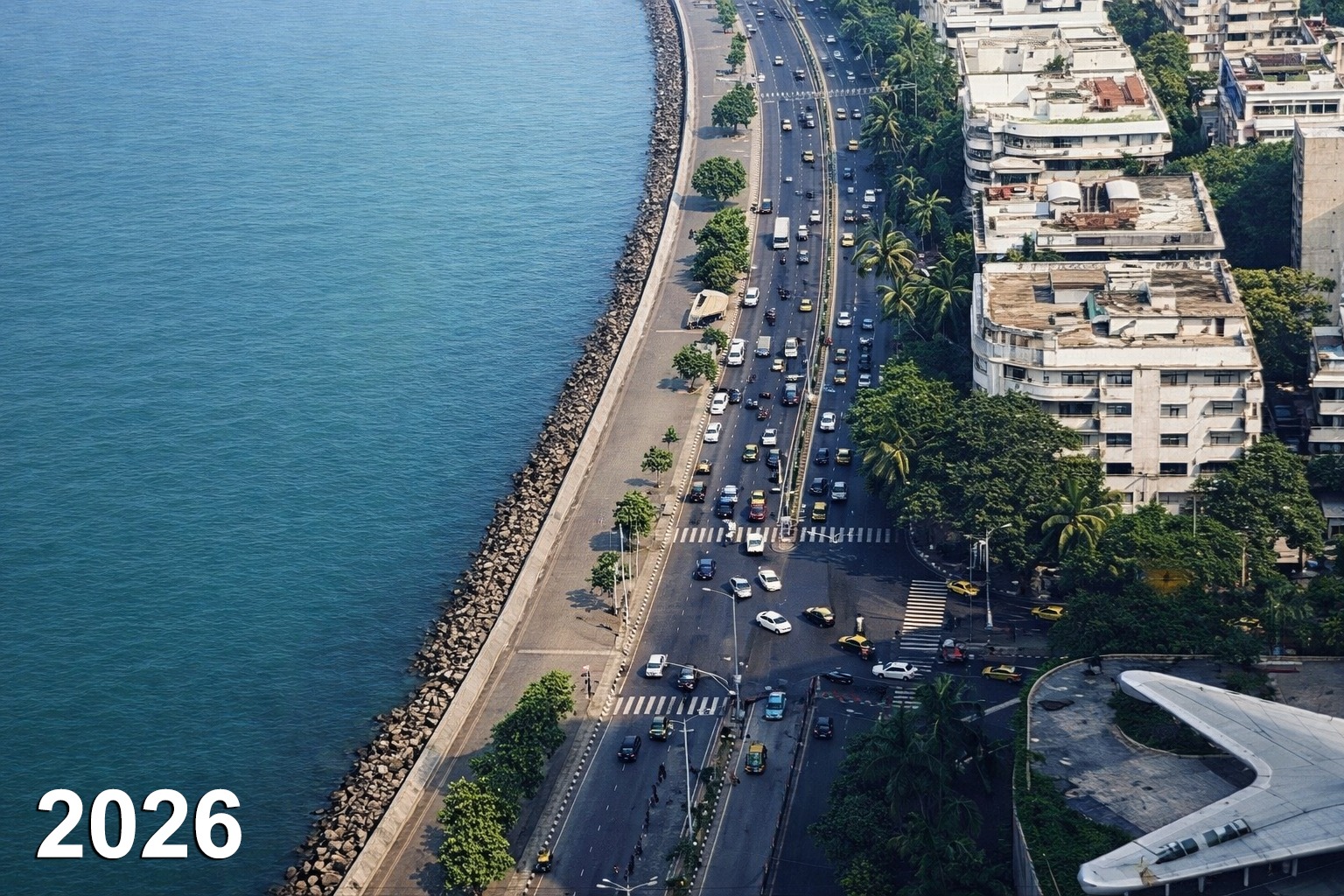
What was once seen as an administrative burden later became the city’s greatest asset. Land reclaimed from the sea went on to shape its economic identity, carrying institutions, homes, and values that define the city today.
Although initially regarded as an administrative and financial concern, the reclaimed lands later became some of the city’s most valuable urban properties and formed the foundation of its international economic identity. Areas such as Nariman Point, Marine Drive, Cuffe Parade, Colaba, and Churchgate are all situated on land reclaimed from the sea and today accommodate major financial institutions, corporate headquarters, high rise residential buildings, and some of the most expensive urban properties in Asia.
▪️Syed Shayan Real Estate Archive
▪ Reference(s):
بمبئی میں آج سے ٹھیک ایک سو سال پہلے، اس وقت کے بمبئی کے اہم انگریزی اخبارات The Times of India، Bombay Chronicle اور The Bombay میں یہ خبر 16 جنوری 1926 کو شائع ہوئی، جس میں اطلاع دی گئی کہ برطانوی ہند کے ایک اہم سرکاری اجلاس میں Back Bay Reclamation Scheme سے متعلق انکوائری رپورٹ پر تفصیلی بحث ہوئی ہے۔
(بیک بے ریکلیمیشن اُس عمل کو کہتے ہیں جس کے تحت سمندر کے ایک حصے کو سائنسی بنیادوں پر نئی قابلِ استعمال زمین میں تبدیل کیا جاتا ہے، تاکہ اسے رہائشی، تجارتی یا عوامی مقاصد کے لیے استعمال کیا جا سکے۔)
یہ اجلاس بمبئی لیجسلیٹو کونسل میں منعقد ہوا، جہاں منصوبے کے بڑھتے ہوئے مالیاتی خسارے اور سمندر سے حاصل کی جانے والی زمین کی قیمتوں کے تعین پر سخت سوالات اٹھائے گئے، جیسا کہ:
کیا سمندر سے زمین واپس لینا مالی طور پر درست ہے؟
کیا ایسی زمین کی کوئی حقیقی قیمت ہو سکتی ہے؟
اور کیا ریاست کو اس پر سرمایہ لگانا چاہیے؟
اُس وقت کے کئی ارکان نے اسے فضول خرچی اور پیسے کا زیاں قرار دیا۔
کونسل کے اراکین نے اس بات پر تشویش کا اظہار کیا کہ ریکلیمیشن کے ذریعے حاصل ہونے والی زمین آیا اپنی لاگت پوری کر سکے گی یا نہیں۔
بحث کے دوران انکوائری رپورٹ کے نکات پیش کیے گئے، جن میں منصوبے کی مالی منصوبہ بندی، انجینئرنگ اخراجات، اور مستقبل میں زمین کی فروخت یا استعمال سے ممکنہ آمدن کا جائزہ شامل تھا۔ متعدد اراکین نے اسے برطانوی ہند کا سب سے متنازع اور مہنگا شہری ترقیاتی منصوبہ قرار دیا۔
1920 کی دہائی میں بمبئی میں کی جانے والی سمندری ریکلیمیشن اگرچہ آج کی جدید ٹیکنالوجی پر مبنی نہیں تھی، مگر اپنے زمانے کی سب سے آزمودہ انجینئرنگ سمجھی جاتی تھی۔ اس دور میں ساحل کے ساتھ مضبوط سی وال اور پتھریلے حفاظتی بند تعمیر کیے گئے تاکہ لہروں اور مد و جزر کے دباؤ کو روکا جا سکے۔ سمندر کے اندر سے ریت اور مٹی نکال کر ہائیڈرولک فلنگ کے ذریعے بھرائی کی گئی، اور زمین کو برسوں تک قدرتی طور پر بیٹھنے دیا گیا تاکہ اس میں موجود پانی خارج ہو جائے اور مٹی مستحکم ہو سکے۔ جہاں تعمیر مقصود تھی وہاں لکڑی اور ابتدائی کنکریٹ کے گہرے پائلز استعمال کیے گئے جو نرم تہوں کو عبور کر کے نیچے مضبوط سطح تک پہنچتے تھے۔ اگرچہ اس زمانے میں کمپیوٹر یا جدید ماڈلنگ دستیاب نہیں تھی، مگر برطانوی انجینئر مد و جزر اور ساحلی بہاؤ کے طویل مشاہدات اور دستی حسابات کے ذریعے ڈیزائن تیار کرتے تھے۔ انہی طریقوں کے باعث بمبئی کی یہ زمینیں ابتدائی خدشات کے باوجود رفتہ رفتہ مستحکم ہوئیں اور بعد کی دہائیوں میں دنیا کی قیمتی ترین شہری رئیل اسٹیٹ میں شمار ہونے لگیں۔
اس زمانے میں سمندر سے زمین نکال کر اسے شہر اور کاروبار کے لیے استعمال کرنا ایک نیا اور غیر معمولی خیال تھا۔ زیادہ تر لوگ اسے مہنگا، خطرناک اور انتظامی طور پر مشکل منصوبہ سمجھتے تھے۔ لیکن وقت نے ثابت کیا کہ یہی منصوبہ بمبئی کے شہر کی شکل بدلنے، زمین کی قیمتوں میں غیر معمولی اضافے اور اسے عالمی سطح پر ایک اہم ریئل اسٹیٹ شہر بنانے کا سبب بنا۔
جو زمین محض سو سال پہلے برطانوی انتظامیہ کے لیے بوجھ سمجھی جا رہی تھی، وقت کے ساتھ شہر کی سب سے بڑی دولت بن گئی۔ سمندر سے حاصل کی گئی یہ زمین آج ممبئی شہر کی معاشی شناخت بن چکی ہے۔
اگرچہ اس وقت یہ خبر ایک انتظامی اور مالیاتی مسئلے کے طور پر دیکھی گئی، مگر بعد کی دہائیوں میں یہی زمینیں بمبئی کی سب سے قیمتی شہری جائیدادوں میں شمار ہوئیں اور شہر کی عالمی معاشی شناخت کی بنیاد بنیں۔ آج ممبئی میں نریمن پوائنٹ (Nariman Point)، میرین ڈرائیو (Marine Drive)، کف پریڈ (Cuffe Parade)، کولابا (Colaba) اور چرچ گیٹ (Churchgate) جیسے علاقے اسی سمندر سے حاصل کی گئی زمینوں پر قائم ہیں، جہاں عالمی مالیاتی ادارے، کارپوریٹ ہیڈ کوارٹرز، بلند رہائشی عمارتیں اور مہنگی ترین شہری جائیدادیں موجود ہیں، اور یہی علاقے ممبئی کو ایشیا کی نمایاں ترین ریئل اسٹیٹ اور معاشی مراکز میں شامل کرنے کا جواز مہیا کرتے ہیں۔
▪️ سید شایان ریئل اسٹیٹ آرکائیو
On October 25, 1889, the completion of the Eiffel Tower marked a defining moment in global engineering and architecture. Constructed for the Paris Exposition, i...
Read More →On 26 November 1947 the Government of West Punjab completed its first major survey of Evacuee Property, documenting thousands of abandoned agricultural lands ur...
Read More →
The Kilmarnock and Troon Railway officially opened in Ayrshire, Scotland. It is widely regarded as Scotland’s first public railway line and one of the early tra...
Read More →
On November 17, 1994, the Peshawar Development Authority (PDA) began its first Ring Road Housing Expansion Scheme to reduce congestion inside the historical cor...
Read More →
In 1994, the Azad Jammu and Kashmir government initiated the Muzaffarabad Urban Housing Expansion Program the region’s first comprehensive plan to manage popula...
Read More →
The acquisition of land for the Model Town Society was one of the most remarkable and spirited chapters in its early history. Dewan Khem Chand and his...
Between 1921 and 1924, the land for Model Town Lahore was acquired in successive phases. The process began in 1921, shortly after the establishment of...
No comments yet. Be the first to comment!