
Syed Shayan Real Estate Archive
Syed Shayan Real Estate Archive
From Real Estate History
On This Date
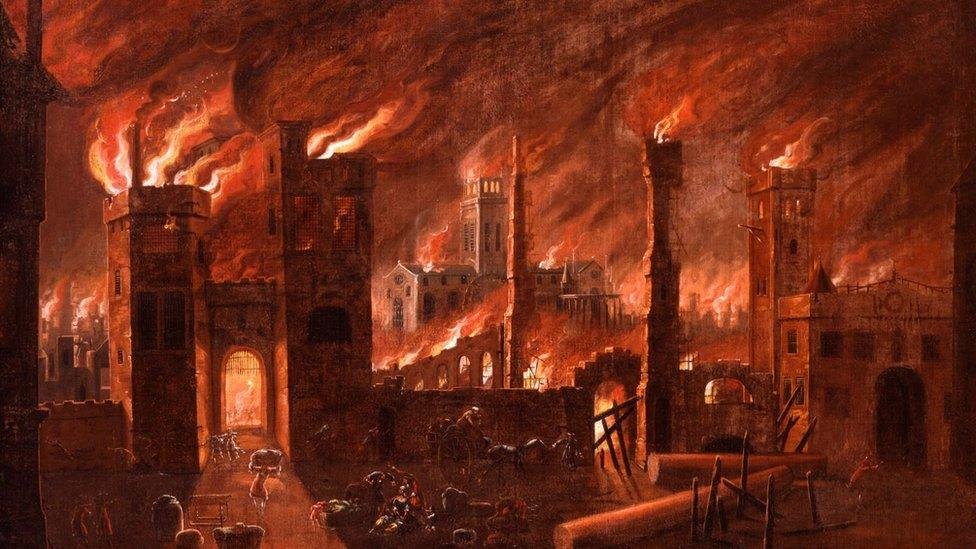
September 4, 1666, stands as an important date in global real estate and urban history. On this day, the Great Fire of London reached its peak after starting two days earlier. The fire swept through major parts of the City of London, destroying important commercial and civic areas including Cheapside, Guildhall and much of the area around St Paul’s Cathedral.
The disaster had a profound impact on housing and property. Around 13,200 houses, 87 churches and large parts of the City were destroyed, leaving roughly 100,000 people homeless. Much of London’s building stock consisted of timber structures packed along narrow streets, conditions that allowed the flames to spread rapidly.
The rebuilding challenge soon became much more than replacing destroyed homes. It became an opportunity to introduce stronger rules for the built environment. The Rebuilding Act of 1667 required safer construction using brick and stone and introduced controls over building heights and urban density. Special Fire Courts were also established to settle disputes between landlords and tenants over rebuilding responsibilities and costs.
The rebuilding of London therefore became an important milestone in the evolution of modern real estate regulation. The experience demonstrated that recovery after an urban disaster requires more than replacing buildings. It requires safer construction standards, organised urban planning and mechanisms for resolving property disputes.
More than three centuries later, the legacy of the Great Fire remains visible in London’s architecture and planning framework, making September 4 a significant date for understanding how disaster can reshape the future of a city’s real estate landscape.
The Birth of Modern Fire Insurance
Before 1666, fire insurance did not exist. The financial ruin of the fire prompted entrepreneurs to find a solution to mitigate future risks.
In 1680, Nicholas Barbon established the "Fire Office," the world's first property fire insurance company.
To identify insured properties, companies created "fire insurance marks"—metal plaques affixed to the front of brick buildings.
Because there was no public fire department, insurance companies formed their own private fire brigades to extinguish fires, but exclusively for buildings bearing their specific mark.
▪️Syed Shayan Real Estate Archive
▪ Reference(s):
On This Date
4 ستمبر 1666 دنیا کی شہری اور رئیل اسٹیٹ تاریخ کا ایک اہم دن ہے۔ اس روز لندن میں بھڑکنے والی عظیم آگ اپنے عروج پر پہنچ گئی۔ آگ 2 ستمبر کو شروع ہوئی تھی اور چار دن سے زیادہ عرصے تک پھیلتی رہی۔ 4 ستمبر کو لندن کی اہم تجارتی شاہراہ چیپسائیڈ، گلڈہال اور سینٹ پال کیتھیڈرل سمیت شہر کے کئی اہم مقامات شدید متاثر ہوئے۔
اس تباہی کا سب سے بڑا اثر جائیداد اور رہائش کے شعبے پر پڑا۔ تقریباً 13,200 مکانات، 87 گرجا گھر اور شہر کے بڑے حصے تباہ ہوگئے، جبکہ تقریباً ایک لاکھ افراد بے گھر ہوئے۔ شہر کی زیادہ تر عمارتیں لکڑی کی تھیں اور تنگ گلیوں میں ایک دوسرے سے جڑی ہوئی تھیں، جس نے آگ کے پھیلاؤ کو مزید تیز کیا۔
تباہی کے بعد لندن کو دوبارہ تعمیر کرنے کا سوال صرف مکانات بنانے تک محدود نہیں رہا بلکہ اس نے شہری منصوبہ بندی کا رخ بھی بدل دیا۔ 1667 کے تعمیرِ نو کے قانون کے تحت نئی عمارتوں میں اینٹ اور پتھر کے استعمال، عمارتوں کی اونچائی اور گنجان آبادی سے متعلق اصول وضع کیے گئے۔ مالک مکان اور کرایہ داروں کے درمیان تعمیر نو کے اخراجات سے متعلق تنازعات حل کرنے کے لیے خصوصی عدالتیں بھی قائم کی گئیں۔
یوں 4 ستمبر کا یہ تاریخی سانحہ جدید رئیل اسٹیٹ کے لیے ایک اہم سبق بن گیا: بڑے شہری حادثات کے بعد تعمیر نو صرف عمارتیں کھڑی کرنے کا نام نہیں، بلکہ محفوظ تعمیر، بہتر منصوبہ بندی اور جائیداد کے حقوق کے واضح نظام کی تشکیل بھی ہے۔
1666 سے پہلے آگ سے ہونے والے نقصانات کی انشورنس کا کوئی باقاعدہ نظام موجود نہیں تھا۔ لندن کی 'عظیم آگ' سے ہونے والی مالی تباہی نے کاروباری افراد کو مستقبل میں ایسے خطرات کم کرنے کے لیے حل تلاش کرنے پر مجبور کیا۔
1680 میں نکولس باربن نے "فائر آفس" قائم کیا، جسے دنیا کی پہلی جائیداد کی آگ سے ہونے والے نقصانات کی انشورنس کمپنی قرار دیا جاتا ہے۔
بیمہ شدہ عمارتوں کی شناخت کے لیے کمپنیوں نے "فائر انشورنس مارکس" متعارف کرائے۔ یہ دھات سے بنی تختیاں ہوتی تھیں جو اینٹوں سے بنی عمارتوں کے سامنے نمایاں جگہ پر نصب کی جاتی تھیں۔
چونکہ اس وقت کوئی سرکاری فائر بریگیڈ موجود نہیں تھی، اس لیے انشورنس کمپنیوں نے اپنی نجی فائر بریگیڈز قائم کرلیں۔ یہ دستے صرف ان عمارتوں میں آگ بجھانے کے لیے جاتے تھے جن پر ان کی کمپنی کی مخصوص تختی نصب ہوتی تھی۔
یوں لندن کی عظیم آگ نے صرف شہر کی تعمیر نو اور شہری منصوبہ بندی کو ہی متاثر نہیں کیا بلکہ جدید فائر انشورنس کے نظام کی بنیاد رکھنے میں بھی اہم کردار ادا کیا
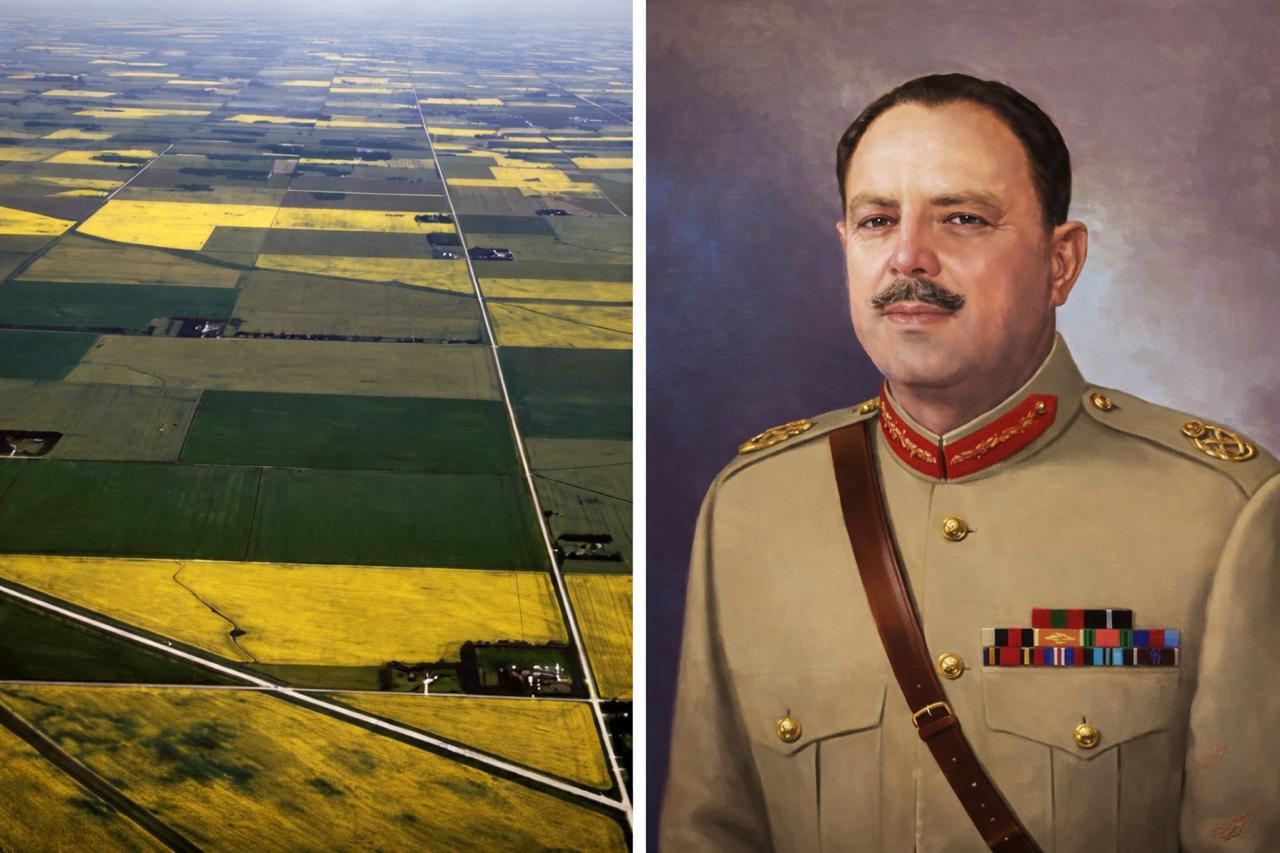
In the agrarian history of Pakistan, 8 January 1959 stands as a moment of enduring significance. On this date, the military government of Muhammad Ayub Khan a...
Read More →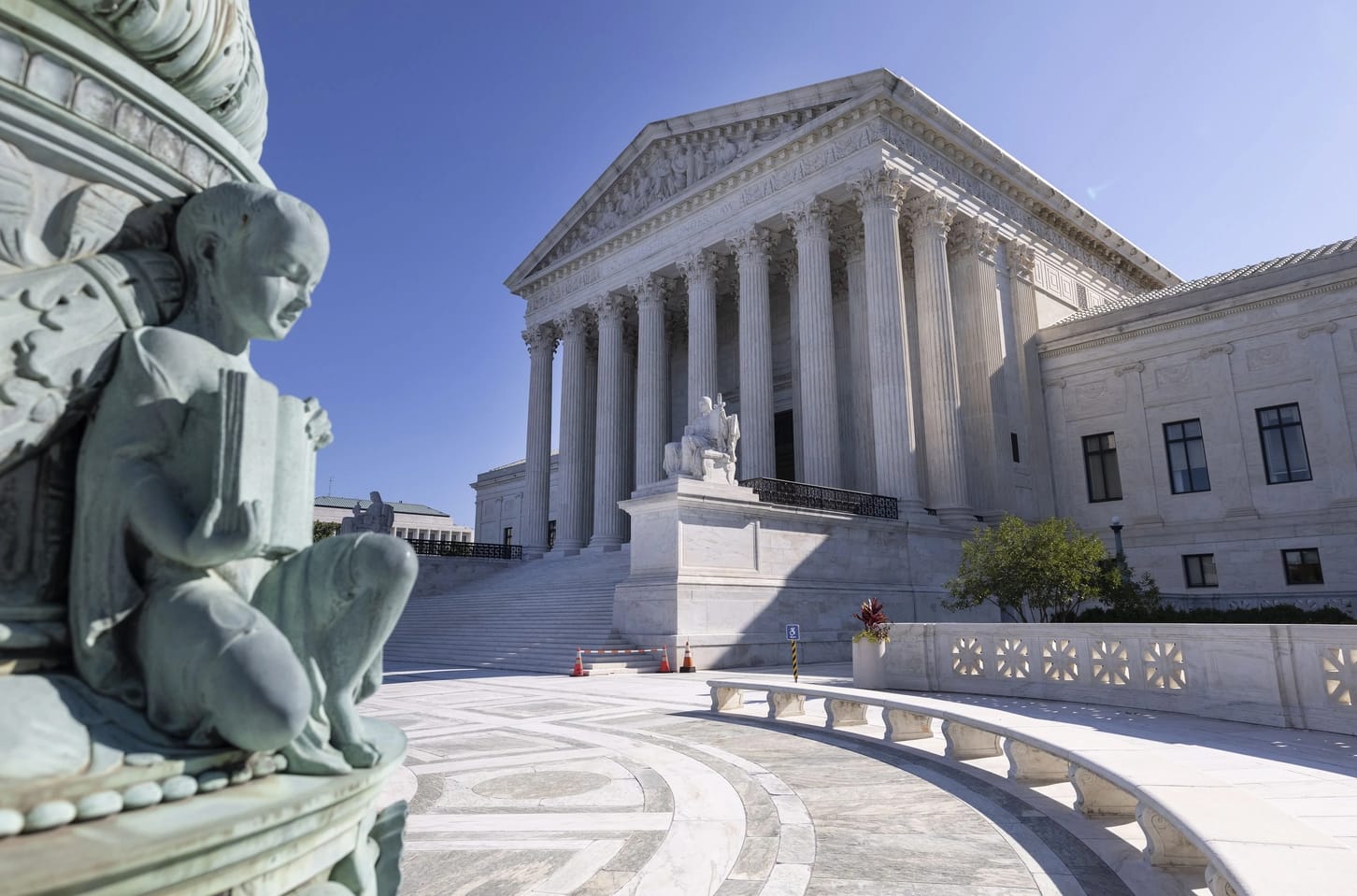
On June 17, 1968, the U.S. Supreme Court delivered an important decision in Jones v. Alfred H. Mayer Co., strengthening fair housing rights in the United States...
Read More →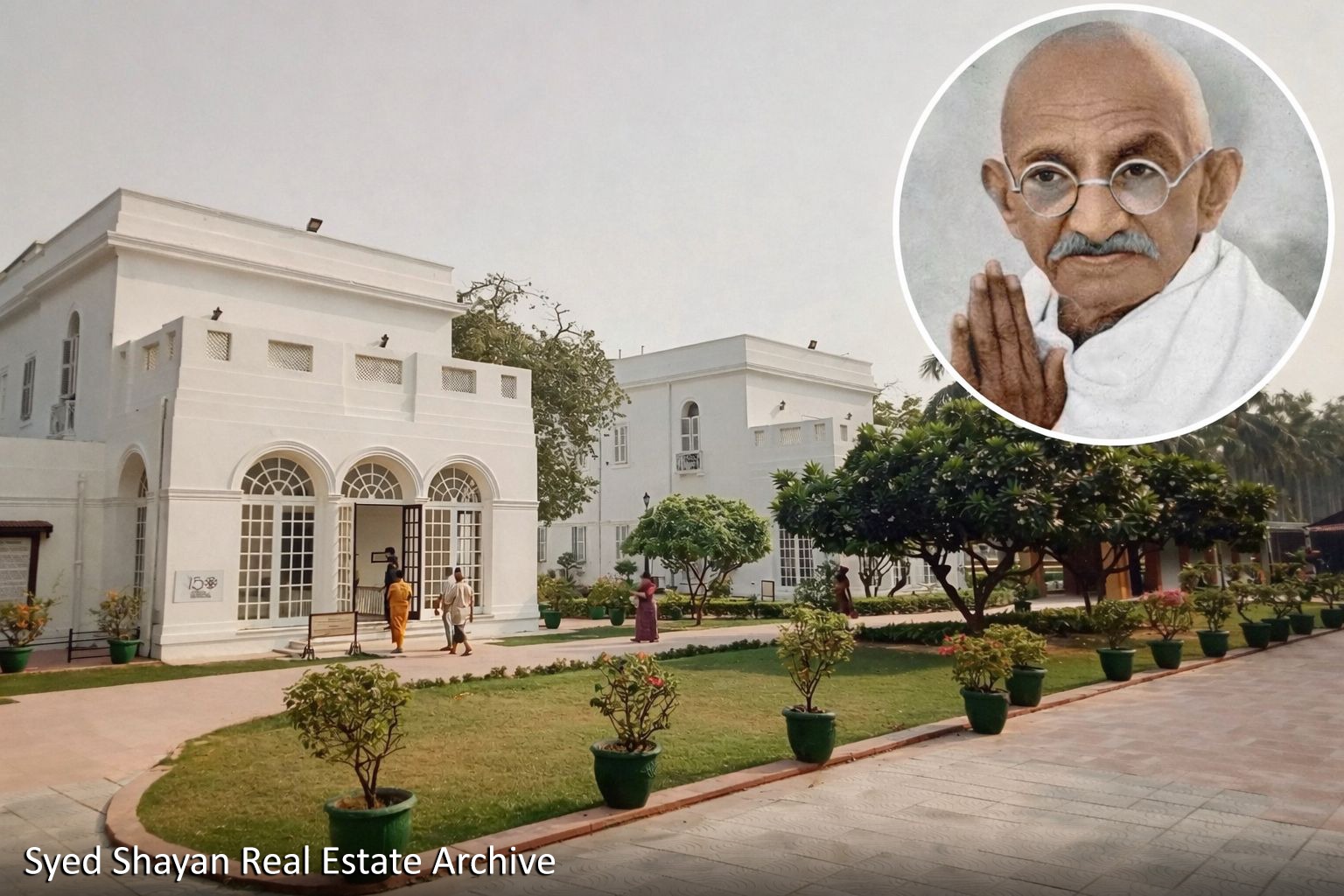
Birla Bhavan is situated within Lutyens’ Delhi, an area regarded as India’s most exclusive, secure, and expensive residential zone. This district is home to for...
Read More →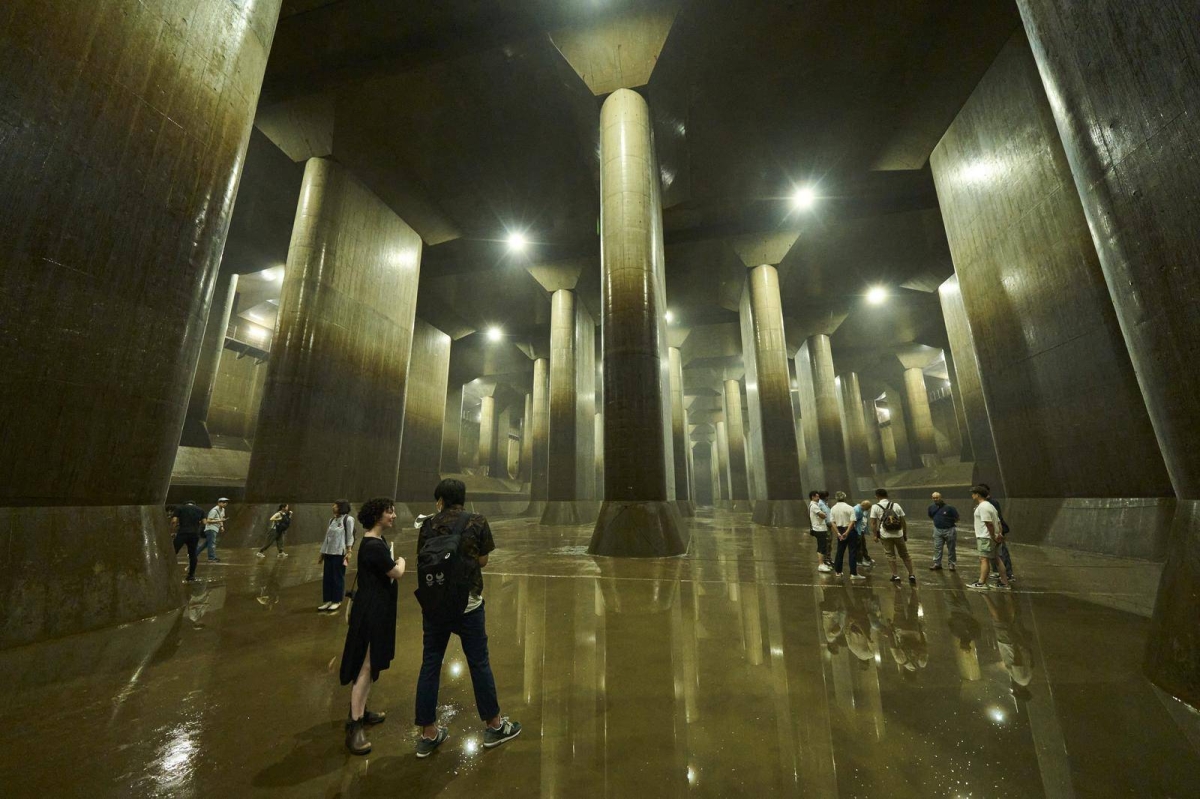
On November 21, 1979, the Tokyo Metropolitan Government released one of Japan’s earliest comprehensive flood-resilient urban infrastructure blueprints, respondi...
Read More →On November 23, 1971, the United Nations General Assembly convened an urgent session in New York to address the rapidly escalating humanitarian crisis in South ...
Read More →
The acquisition of land for the Model Town Society was one of the most remarkable and spirited chapters in its early history. Dewan Khem Chand and his...

Between 1921 and 1924, the land for Model Town Lahore was acquired in successive phases. The process began in 1921, shortly after the establishment of...
No comments yet. Be the first to comment!