
Syed Shayan Real Estate Archive
Syed Shayan Real Estate Archive
From Real Estate History
On This Date
Walnut Lane Bridge connected two communities while demonstrating new possibilities in concrete construction, urban planning and transportation development

On October 14, 1908, the Walnut Lane Bridge in Philadelphia, Pennsylvania, was completed and opened to pedestrians, marking a significant milestone in the history of civil engineering and urban infrastructure. At the time of its completion, it was recognised as the world's longest and highest concrete arch bridge, demonstrating the growing potential of concrete as a major construction material.
Located in Philadelphia's Fairmount Park, the bridge spans the Wissahickon Creek valley and connects the neighbourhoods of Roxborough and Germantown. Before its construction, travelling between these communities required a lengthy journey. The new crossing reduced travel time considerably and improved connectivity between previously separated urban areas.
Construction began on July 5, 1906, under the supervision of engineers George S. Webster and Henry H. Quimby of the Philadelphia Department of Public Works.
The bridge measured approximately 585 feet in total length, with a main concrete arch spanning 233 feet. Rising about 147 feet above the valley floor, the structure represented an exceptional engineering achievement for the early twentieth century.
More than 40,000 tons of rubble concrete were used in its construction, with relatively limited steel reinforcement. Builders employed an elaborate system of temporary steel and timber supports to construct the enormous arches. The project cost approximately $259,440.
The Walnut Lane Bridge also reflected the ideals of the City Beautiful Movement, which promoted attractive public spaces, improved transportation systems and carefully designed urban environments.
Its architectural form combined structural strength with visual appeal, allowing the bridge to complement the surrounding wooded landscape.
Although pedestrian access began on October 14, the bridge was formally dedicated on December 16, 1908, when it also opened to vehicular traffic.
In 1988, the Walnut Lane Bridge was listed on the United States National Register of Historic Places in recognition of its architectural and engineering significance.
More than a century after its completion, the bridge remains an important example of historic infrastructure and early concrete engineering.
Its history illustrates how investment in transportation infrastructure can improve connectivity, influence urban development and strengthen relationships between neighbourhoods.
The Walnut Lane Bridge remains a reminder that landmark construction projects can leave lasting contributions to both the built environment and the historical identity of a city.
On This Date
فلاڈیلفیا میں والنٹ لین برج نے دو آبادیوں کو جوڑنے کے ساتھ جدید کنکریٹ تعمیرات، شہری منصوبہ بندی اور بنیادی ڈھانچے کی ترقی کو نئی سمت دی
14 اکتوبر 1908 کو امریکہ کی ریاست پنسلوانیا کے شہر فلاڈیلفیا میں والنٹ لین برج (Walnut Lane Bridge) کی تعمیر مکمل ہوئی اور اسے پیدل آمدورفت کے لیے کھول دیا گیا۔ اپنے دور میں دنیا کے سب سے طویل اور بلند کنکریٹ آرچ پل کی حیثیت رکھنے والے اس منصوبے نے نہ صرف تعمیراتی انجینئرنگ میں نئی مثال قائم کی بلکہ شہری رابطوں، زمین کے استعمال اور بنیادی ڈھانچے کی ترقی میں بھی اہم کردار ادا کیا۔
یہ تاریخی پل فلاڈیلفیا کے فیئر ماؤنٹ پارک میں وساہیکن کریک (Wissahickon Creek) کی گہری وادی کے اوپر تعمیر کیا گیا۔ اس کا بنیادی مقصد شہر کے دو علاقوں، راکسبرو اور جرمن ٹاؤن، کے درمیان آمدورفت کو آسان بنانا تھا۔ پل کی تعمیر سے قبل دونوں آبادیوں کے درمیان سفر میں خاصا وقت صرف ہوتا تھا، جبکہ نئے راستے نے اس فاصلے کو چند منٹوں کی مسافت میں تبدیل کردیا۔
والنٹ لین برج کی تعمیر 5 جولائی 1906 کو شروع ہوئی۔ منصوبے کی ڈیزائننگ فلاڈیلفیا کے محکمہ پبلک ورکس کے چیف انجینئر جارج ایس ویبسٹر اور معاون انجینئر ہنری ایچ کوئمبی نے کی۔ اس پل کی مجموعی لمبائی تقریباً 585 فٹ، مرکزی محرابی حصے کی لمبائی 233 فٹ اور وادی سے بلندی تقریباً 147 فٹ تھی۔
تعمیر میں 40 ہزار ٹن سے زائد پتھروں کی آمیزش والے کنکریٹ کا استعمال کیا گیا، جبکہ فولادی کمک نسبتاً محدود رکھی گئی۔ اتنے بڑے محرابی ڈھانچے کو کھڑا کرنے کے لیے عارضی فولادی اور لکڑی کے سہاروں کا پیچیدہ نظام استعمال کیا گیا۔ اس منصوبے پر تقریباً 2 لاکھ 59 ہزار 440 امریکی ڈالر لاگت آئی۔
یہ پل بیسویں صدی کے آغاز میں امریکہ کی سٹی بیوٹی فل تحریک کی سوچ کی بھی نمائندگی کرتا تھا، جس کا مقصد شہروں کو بہتر سڑکوں، خوبصورت عوامی مقامات اور مضبوط شہری انفراسٹرکچر کے ذریعے زیادہ منظم اور دلکش بنانا تھا۔
اگرچہ پل 14 اکتوبر 1908 کو پیدل چلنے والوں کے لیے کھول دیا گیا تھا، تاہم اس کی باضابطہ افتتاحی تقریب 16 دسمبر 1908 کو ہوئی، جب گاڑیوں کے لیے بھی آمدورفت شروع ہوئی۔
1988 میں والنٹ لین برج کو امریکہ کے نیشنل رجسٹر آف ہسٹارک پلیسز میں شامل کیا گیا۔ ایک صدی سے زیادہ عرصہ گزرنے کے باوجود یہ پل تاریخی تعمیراتی ورثے اور انجینئرنگ کی اہم مثال کے طور پر موجود ہے۔
والنٹ لین برج کی تاریخ یہ ظاہر کرتی ہے کہ بنیادی ڈھانچے میں سرمایہ کاری صرف نقل و حمل کی سہولت تک محدود نہیں رہتی بلکہ شہری آبادیوں کو قریب لانے، علاقوں کی رسائی بہتر بنانے اور طویل مدتی شہری ترقی میں بھی کردار ادا کرتی ہے۔
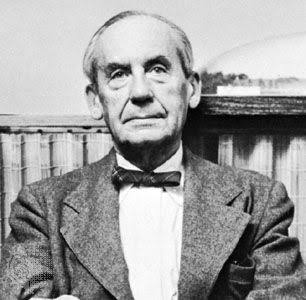
On 5 July 1969, Walter Gropius, one of the most influential figures in modern architecture, urban planning and real estate design, passed away in Boston. Gropiu...
Read More →
The historic handover ceremony of Hong Kong began, marking the end of more than 150 years of British administration and the transfer of Hong Kong to China as a ...
Read More →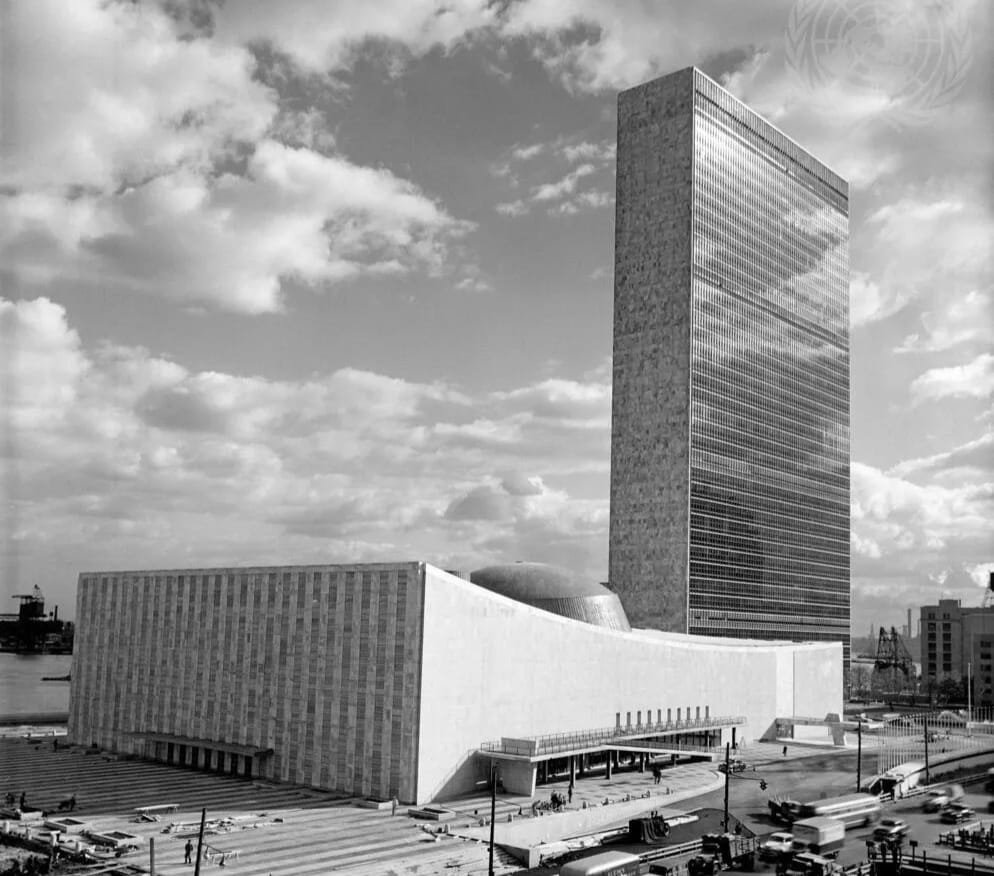
The first offices in the newly built United Nations Secretariat Building in Manhattan were occupied as UN staff began moving from their temporary headquarters a...
Read More →
On July 27, 1953, the Korean Armistice Agreement was signed to halt three years of devastating warfare between North and South Korea. The historic agreement was...
Read More →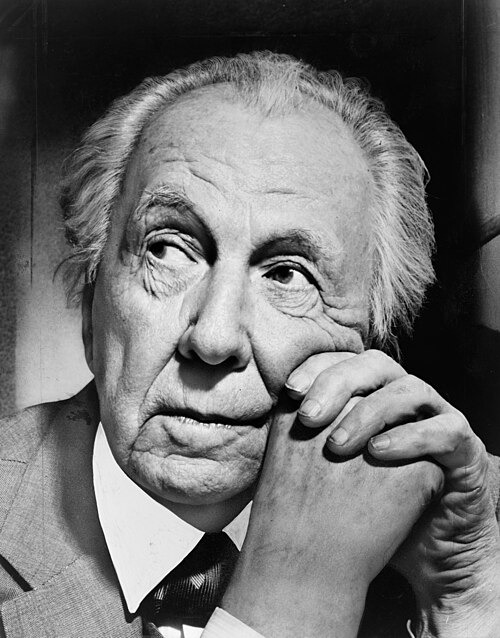
1869: legendary American architect Frank Lloyd Wright was born in Richland Center, Wisconsin. His philosophy of “Organic Architecture” reshaped 20th century re...
Read More →
The acquisition of land for the Model Town Society was one of the most remarkable and spirited chapters in its early history. Dewan Khem Chand and his...
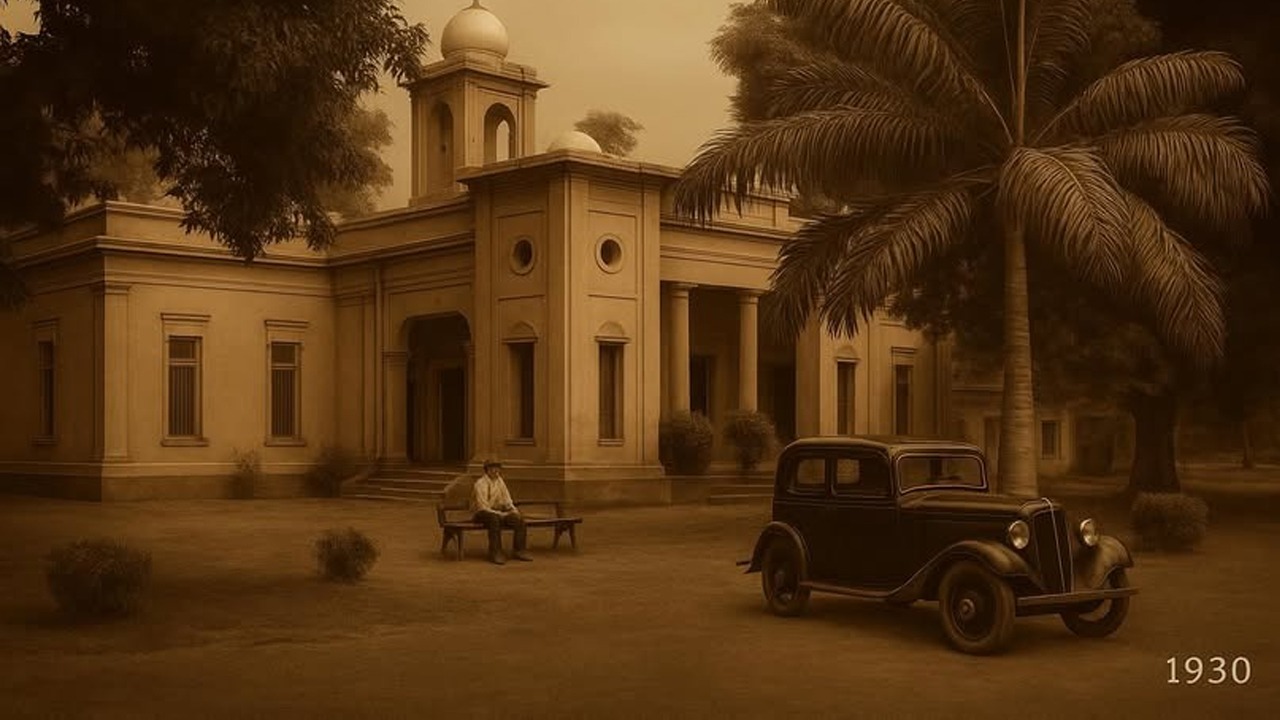
Between 1921 and 1924, the land for Model Town Lahore was acquired in successive phases. The process began in 1921, shortly after the establishment of...
No comments yet. Be the first to comment!