
Syed Shayan Real Estate Archive
Syed Shayan Real Estate Archive
From Real Estate History
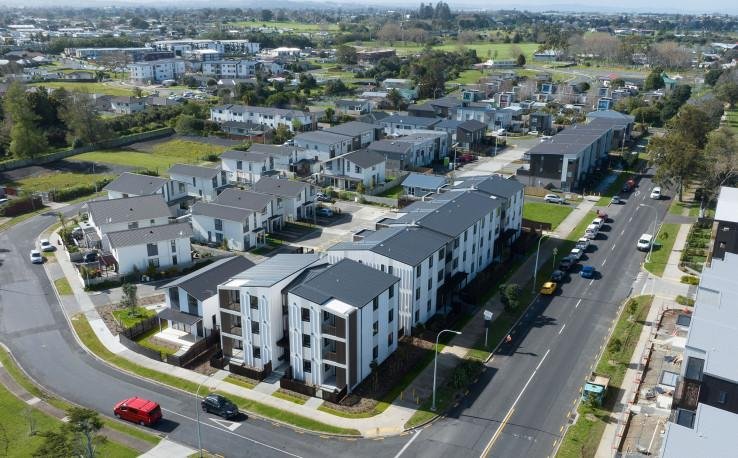
New Zealand’s Urban Development Act 2020 came into force, introducing a new legal framework for undertaking complex housing and city development projects across the country.
The Act received royal assent on 6 August and became effective the following day. It significantly expanded the urban development role of Kāinga Ora, the government agency responsible for public housing and community development.
At the time, New Zealand’s major cities were facing growing pressure from housing shortages, rising property prices, fragmented land ownership and infrastructure constraints. Large developments often struggled to proceed because planning decisions, transport networks, utilities, land acquisition and financing were managed through separate systems.
The legislation sought to address those barriers by creating the Specified Development Project process. Under this framework, Kāinga Ora could work with local councils, Māori land interests, communities and private developers to plan and deliver major urban projects.
For approved projects, the agency gained access to powers covering planning rules, resource consents, infrastructure construction, land assembly and development funding. It could help combine separately owned parcels of land, alter the classification of public reserves, coordinate roads and utilities, and use targeted charges to support infrastructure.
The government said the objective was not simply to construct more buildings, but to create complete communities containing state housing, affordable homes and market priced properties alongside transport connections, employment opportunities, parks and community facilities.
Because the law provided extensive development and land acquisition powers, it also included consultation requirements and protections for environmental, cultural and heritage interests. Special safeguards applied to Māori customary land, reserves and land connected with Treaty settlements.
The Act marked an important shift in New Zealand’s approach to real estate development. Rather than treating housing, infrastructure and land planning as separate challenges, it brought them within a coordinated urban development framework.
Its introduction reflected a broader lesson for rapidly growing cities: increasing housing supply often requires more than approving individual construction projects. Governments may also need coordinated land policies, infrastructure investment and long term planning capable of creating functioning neighbourhoods rather than isolated housing schemes.
▪️Syed Shayan Real Estate Archive
▪ Reference(s):
سن 2020 میں نیوزی لینڈ میں اربن ڈویلپمنٹ ایکٹ 2020 نافذ ہوا، جس نے ملک کے بڑی پیچیدہ رہائشی و شہری ترقیاتی منصوبوں کیلئے ایک نیا قانونی نظام متعارف کرایا۔ اس قانون کو 6 اگست 2020 کو شاہی منظوری ملی تھی اور یہ اگلے روز نافذ ہوگیا۔ اس کے ذریعے سرکاری رہائش اور کمیونٹی ڈویلپمنٹ کے ذمہ دار ادارے کائنگا اورا کے شہری ترقی سے متعلق کردار اور اختیارات میں نمایاں توسیع کی گئی۔
اس وقت نیوزی لینڈ کے بڑے شہروں کو مکانات کی قلت، جائیداد کی بڑھتی قیمتوں، زمین کی منقسم ملکیت اور ناکافی انفراسٹرکچر جیسے مسائل کا سامنا تھا۔ بڑے منصوبے اکثر اس لیے آگے نہیں بڑھ پاتے تھے کہ زمین، منصوبہ بندی، ٹرانسپورٹ، پانی، سیوریج، تعمیراتی اجازت اور مالی وسائل مختلف اداروں اور نظاموں کے ذریعے چلائے جاتے تھے۔
مذکورہ قانون نے ان رکاوٹوں کے حل کے لیے ’’مخصوص ترقیاتی منصوبے‘‘ کا نیا طریقہ متعارف کرایا۔ اس نظام کے تحت کائنگا اورا کو مقامی حکومتوں، ماؤری برادریوں، زمین مالکان، شہریوں اور نجی ڈویلپرز کے ساتھ مل کر بڑے شہری منصوبے تیار کرنے کا اختیار ملا۔
منظور شدہ منصوبوں کے لیے ادارے کو زمین کے مختلف قطعات یکجا کرنے، بعض منصوبہ بندی ضوابط میں تبدیلی، تعمیراتی اجازت ناموں کے انتظام، سڑکوں اور بنیادی سہولتوں کی تعمیر اور انفراسٹرکچر کی فنڈنگ کے لیے مخصوص محصولات عائد کرنے جیسے اختیارات دیے گئے۔
حکومت کا کہنا تھا کہ قانون کا مقصد صرف زیادہ عمارتیں تعمیر کرنا نہیں بلکہ مکمل اور مربوط آبادیاں قائم کرنا ہے۔ ایسی آبادیوں میں سرکاری رہائش، کم قیمت مکانات اور مارکیٹ ریٹ پر دستیاب گھروں کے ساتھ ٹرانسپورٹ، روزگار، پارکس، کھلی جگہیں اور کمیونٹی سہولتیں بھی شامل ہوں۔
چونکہ قانون میں زمین کے حصول اور منصوبہ بندی سے متعلق وسیع اختیارات شامل تھے، اس لیے عوامی مشاورت، ماحول، ثقافتی ورثے اور ماؤری زمین کے تحفظ کے لیے حفاظتی شرائط بھی رکھی گئیں۔ ماؤری روایتی زمین، مخصوص محفوظ اراضی اور معاہدوں کے تحت واپس کی گئی زمین کے لیے خصوصی تحفظ فراہم کیا گیا۔
یہ قانون نیوزی لینڈ کی شہری اور رئیل اسٹیٹ پالیسی میں ایک اہم تبدیلی تھا۔ اس نے رہائش، زمین، ٹرانسپورٹ اور انفراسٹرکچر کو الگ الگ مسائل سمجھنے کے بجائے ایک مربوط شہری ترقیاتی نظام کا حصہ بنایا۔
یہ تاریخی قدم اس حقیقت کو نمایاں کرتا ہے کہ تیزی سے بڑھتے شہروں میں صرف انفرادی ہاؤسنگ منصوبوں کی منظوری کافی نہیں ہوتی۔ کامیاب شہری ترقی کے لیے زمین کی مربوط پالیسی، بنیادی سہولتوں میں سرمایہ کاری اور ایسی طویل مدتی منصوبہ بندی ضروری ہوتی ہے جو محض مکانات نہیں بلکہ مکمل اور قابلِ رہائش محلے تشکیل دے۔

On November 8, 1977, Sheikh Rashid bin Saeed Al Maktoum officially launched the Dubai Creek Expansion Project a defining moment in the city’s urban history that...
Read More →
On 19 June 1947, Britain and France invited European nations to Paris to discuss a coordinated recovery programme after the devastation of the Second World War....
Read More →
On November 7, 1851, the British colonial administration formally established the Lahore Cantonment one of the earliest planned military civil settlements in no...
Read More →
On 10 July 1690, authority in the Province of New York shifted firmly under the government established in the name of King William III and Queen Mary II during ...
Read More →
On November 7, 1857, the New York State authorities officially approved the design proposal by Frederick Law Olmsted and Calvert Vaux for Central Park, marking ...
Read More →
The acquisition of land for the Model Town Society was one of the most remarkable and spirited chapters in its early history. Dewan Khem Chand and his...

Between 1921 and 1924, the land for Model Town Lahore was acquired in successive phases. The process began in 1921, shortly after the establishment of...
No comments yet. Be the first to comment!