
Syed Shayan Real Estate Archive
Syed Shayan Real Estate Archive
From Real Estate History
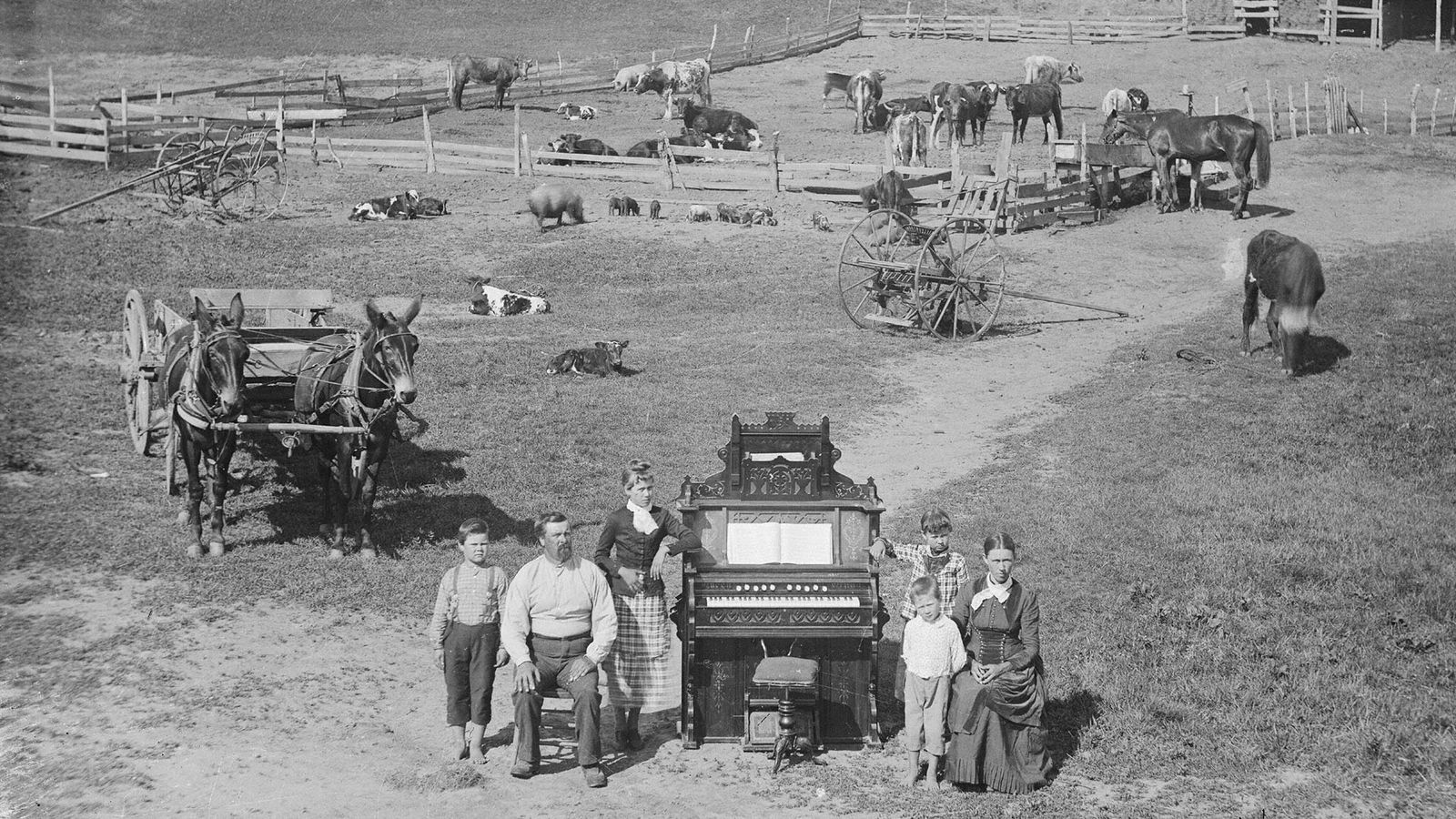
On 1 January 1863, a landmark piece of legislation came into force in the United States known as the Homestead Act. For the first time, the law granted ordinary citizens the legal right to file a claim on vacant government-owned land and, upon meeting specific conditions, ultimately acquire ownership.
Under the Act, eligible individuals were permitted to claim a defined parcel of public land, establish residence upon it, bring the land into productive use, and maintain continuous settlement for a minimum period of five years. Upon successful completion of these requirements, the government transferred permanent ownership of the land to the claimant.
Shortly after the Act’s implementation, the first public legal land claim was filed in Nebraska. This marked the formal beginning of settlement under the Homestead framework. At this stage, ownership was not granted immediately but remained conditional upon the fulfilment of settlement and cultivation obligations.
This development is regarded as historically significant because it initiated the systematic westward expansion of the United States. Large numbers of people migrated from the eastern states to newly accessible lands, leading to the establishment of farms, the formation of settlements, and the gradual emergence of towns and cities.
As a result of the Homestead Act, millions of individuals became land claimants and, in due course, permanent landowners. Agricultural output expanded, and previously uninhabited regions were transformed into organised and economically productive communities. Over time, markets, roads, railway networks, and urban centres developed around these settlements.
Scholars widely regard the Homestead Act as one of the foundational pillars of the American real estate system, as it introduced a structured mechanism for transferring land from state control into public ownership while directly linking land use with economic development.
The Act remains a clear illustration of how a single legislative decision can fundamentally reshape patterns of land ownership, settlement, and the broader architecture of a nation’s real estate system.
▪️Syed Shayan Real Estate Archive
▪ Reference(s):
یکم جنوری 1863 کو امریکہ میں ایک اہم قانون نافذ ہوا جسے ہوم اسٹیڈ ایکٹ (Homestead Act) کہا جاتا ہے۔ اس قانون نے پہلی مرتبہ عام شہریوں کو یہ حق دیا کہ وہ حکومت کی خالی پڑی زمین پر قانونی دعویٰ (Land Claim) دائر کر سکیں اور اسے آباد کرنے کے بعد اس کے مالک بن سکیں۔
اس قانون کے تحت کسی بھی شہری کو اجازت دی گئی کہ وہ مخصوص سرکاری زمین پر دعویٰ کرے، وہاں رہائش اختیار کرے، زمین کو قابلِ استعمال بنائے اور کم از کم پانچ سال تک اسے آباد رکھے۔ مقررہ مدت پوری ہونے پر حکومت اس زمین کی مستقل ملکیت (Permanent Ownership) اس شخص کے نام منتقل کر دیتی تھی۔
قانون کے نفاذ کے فوراً بعد نیبراسکا (Nebraska) میں زمین پر پہلا عوامی قانونی دعویٰ دائر کیا گیا۔ اس دعوے کے ذریعے زمین پر آبادکاری کا عمل شروع ہوا، تاہم اس مرحلے پر زمین کی ملکیت فوری طور پر منتقل نہیں ہوئی بلکہ آبادکاری کی شرائط پوری کرنا لازمی تھا۔
یہ واقعہ اس لیے اہم سمجھا جاتا ہے کہ اسی سے امریکہ میں مغربی علاقوں کی آبادکاری (Westward Expansion) کا باقاعدہ آغاز ہوا۔ لوگ مشرقی ریاستوں سے نکل کر نئی زمینوں پر بسنے لگے، کھیت وجود میں آئے، بستیاں آباد ہوئیں اور رفتہ رفتہ قصبے اور شہر قائم ہوئے۔
ہوم اسٹیڈ ایکٹ کے نتیجے میں لاکھوں افراد زمین کے دعوے دار بنے اور بعد ازاں مستقل مالکان قرار پائے۔ زرعی پیداوار میں اضافہ ہوا اور وہ علاقے جو پہلے غیر آباد تھے، آہستہ آہستہ منظم آبادیوں میں تبدیل ہو گئے۔ بعد کے برسوں میں انہی آبادیوں کے گرد بازار، سڑکیں، ریلوے لائنیں اور شہری مراکز قائم ہوئے۔
ماہرین کے مطابق ہوم اسٹیڈ ایکٹ امریکی رئیل اسٹیٹ نظام (American Real Estate System) کی بنیادوں میں شامل ہے، کیونکہ اسی قانون کے ذریعے زمین کو ریاستی تحویل سے نکال کر عوامی ملکیت میں منتقل کرنے کا منظم طریقہ متعارف کروایا گیا۔
یہ قانون اس بات کی واضح مثال ہے کہ کس طرح ایک حکومتی پالیسی زمین کی ملکیت، آبادکاری اور رئیل اسٹیٹ کے پورے ڈھانچے کو تبدیل کر سکتی ہے۔
▪️ سید شایان ریئل اسٹیٹ آرکائیو
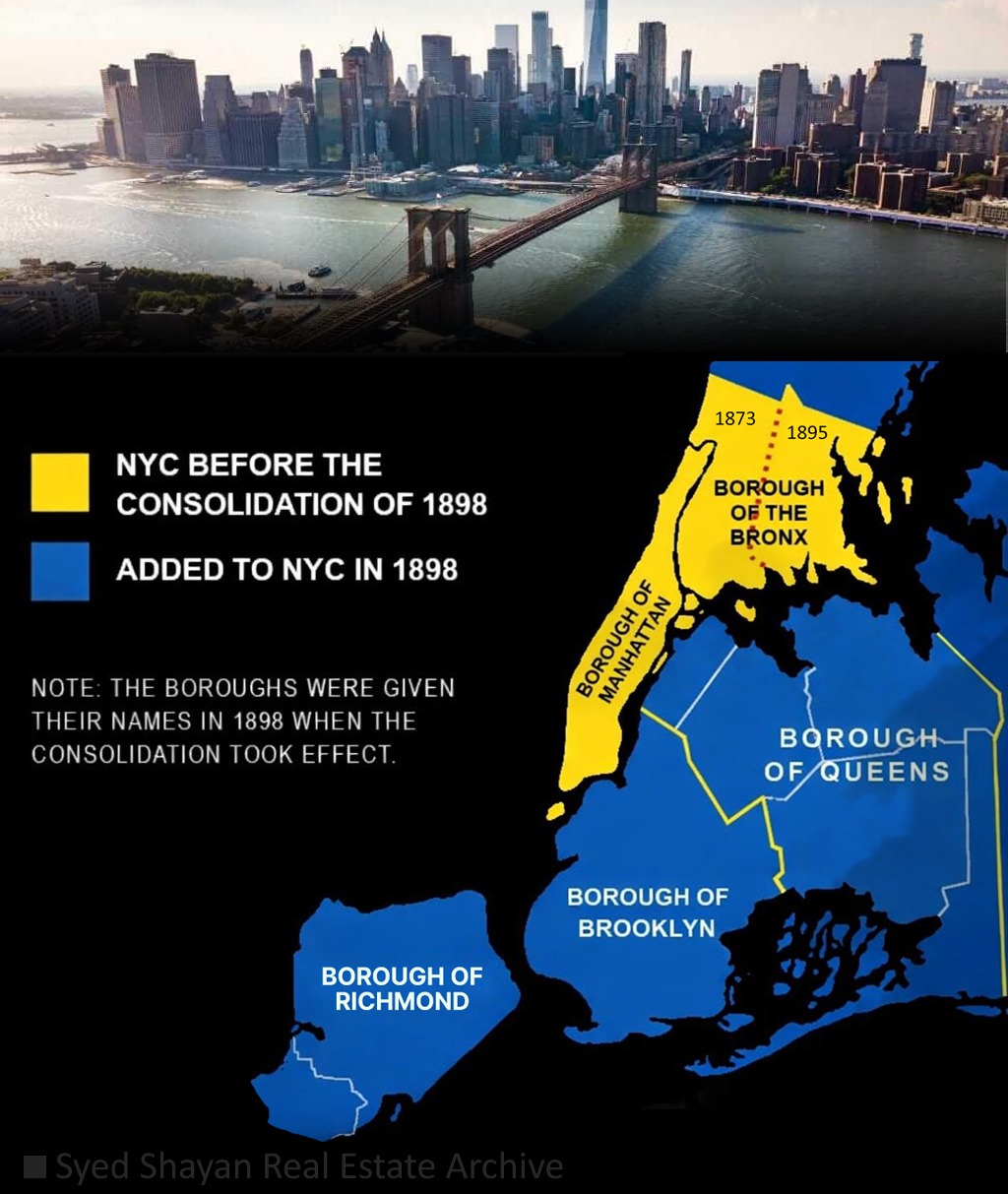
On 1 January 1898, New York City assumed its modern form in an event historically known as Greater New York. On this date, Manhattan, the Bronx, Brooklyn, Queens and Staten Island were consolidated into a single urban entity. Prior to this union, Brooklyn was an independent city and, by population, the fourth largest city in the United States, while Queens and Staten Island were largely agricultural, semi rural areas with separate administrative identities. The Bronx functioned under a distinct county structure, and Manhattan faced intense population pressure within a limited geographical space.
From a real estate perspective, this decision of consolidation carried exceptional significance. After 1898, Manhattan, already the most expensive district, entered a phase of vertical development centred on the Financial District and Midtown, while Brooklyn and Queens emerged for the first time as large scale residential zones. Staten Island became closely linked to port related and logistical activities, while the Bronx developed as an industrial centre and later as a hub of middle class housing. It was at this stage that modern zoning concepts took root in New York, subsequently shaping the structured division of urban land into residential, commercial and industrial uses.
The modern concept of urban transport also emerged from this period with the opening of the New York City subway in 1904. A coordinated underground railway network enabled extensive housing development across Queens, Brooklyn and the Bronx. The geographical continuity and spatial expansion evident in New York’s real estate values today can be traced directly to this formative era.
Historically, the impact of this consolidation on real estate was profound. For the first time, a true mega city came into existence in which the port, industry, financial institutions, housing and transport were integrated within a single urban system. The long term appreciation of land values was a direct outcome of this decision, while the systematic growth of zoning practices, the subway network and commercial scale development only became possible after 1 January 1898. As a result, New York came to rank among the cities with the most expensive real estate markets in the world.
The annexation of New York with surrounding areas, known in historical terminology as boroughs, is regarded as one of the earliest models of the modern mega city. London, Paris, Tokyo and other global cities later adopted similar models, each shaped by its own historical and administrative context.
It is also important to clarify that the name New York did not originate after the consolidation of 1898. The name had existed for nearly two centuries prior. The city was named New York in 1664 when the British Empire seized the Dutch settlement of New Amsterdam and renamed it in honour of the Duke of York. The change introduced in 1898 was not one of nomenclature but of urban structure, a transformation historically defined as Greater New York.
▪️Syed Shayan Real Estate Archive
▪ Reference(s):
یکم جنوری 1898 کو نیویارک شہر کی موجودہ شکل وجود میں آئی جسے تاریخی طور پر Greater New York کہا جاتا ہے۔ اسی دن مین ہٹن، برونکس، بروکلین، کوئینز اور اسٹیٹن آئی لینڈ کو ایک واحد شہری اکائی میں ضم کیا گیا۔ اس سے قبل بروکلین ایک خود مختار شہر تھا اور آبادی کے لحاظ سے امریکا کا چوتھا بڑا شہر شمار ہوتا تھا جبکہ کوئینز اور اسٹیٹن آئی لینڈ زیادہ تر زرعی، نیم دیہی اور آزاد انتظامی حیثیت رکھتے تھے۔ برونکس بھی الگ کاؤنٹی اسٹرکچر کے تحت تھا اور مین ہٹن محدود جغرافیے میں شدید آبادی دباؤ کا شکار تھا۔
رئیل اسٹیٹ کے زاویے سے الحاق کا یہ فیصلہ غیر معمولی اہمیت رکھتا ہے۔ 1898 کے بعد مین ہٹن، جو پہلے ہی مہنگا تھا، اس کی زمین نے فنانشل ڈسٹرکٹ اور مڈ ٹاؤن کی صورت میں عمودی ترقی اختیار کی، جبکہ بروکلین اور کوئینز پہلی بار بڑے پیمانے پر رہائشی زونز کے طور پر ابھرے۔ اسٹیٹن آئی لینڈ بندرگاہی اور لاجسٹک سرگرمیوں سے جڑا جبکہ برونکس صنعتی اور بعد ازاں مڈل کلاس رہائش کا مرکز بنا۔ یہی وہ مرحلہ تھا جہاں سے نیویارک میں زوننگ کے جدید تصورات نے جنم لیا اور بعد ازاں شہروں میں زمین کے استعمال کو رہائش، تجارت اور صنعت میں واضح طور پر تقسیم کیا جانے لگا۔
شہروں میں اربن ٹرانسپورٹ کا جدید تصور بھی یہیں سے ابھرا جب 1904 میں New York City میں سب وے کا آغاز ہوا۔ ایک منظم انڈرگراؤنڈ ریلوے نیٹ ورک کی بدولت کوئینز، بروکلین اور برونکس میں بڑے پیمانے پر ہاؤسنگ ڈیولپمنٹ ممکن ہوئی۔ آج نیویارک کی رئیل اسٹیٹ ویلیوز میں جو جغرافیائی تسلسل اور پھیلاؤ نظر آتا ہے، اس کی بنیاد اسی دور میں رکھی گئی۔
تاریخی طور پر اس الحاق کا رئیل اسٹیٹ پر اثر غیر معمولی تھا کیونکہ پہلی مرتبہ ایک ایسا میگا سٹی تشکیل پایا جس میں بندرگاہ، صنعت، مالیاتی مرکز، رہائش اور ٹرانسپورٹ ایک مربوط شہری نظام میں یکجا ہو گئے۔ زمین کی قیمتوں میں طویل المدتی اضافہ اسی فیصلے کی پیداوار بنا، جبکہ شہری زوننگ، سب وے نیٹ ورک اور کمرشل اسکیل کی منظم ترقی یکم جنوری 1898 کے بعد ہی ممکن ہوئی، اور یوں نیویارک دنیا کی سب سے مہنگی رئیل اسٹیٹ مارکیٹ رکھنے والے شہروں کی صف میں شامل ہو گیا۔
یکم جنوری 1898 کو نیو یارک کا دوسرے علاقوں، جنہیں تاریخی اصطلاح میں بورو (Boroughs) کہا جاتا ہے، سے الحاق دنیا کے پہلے جدید میگا سٹی ماڈلز میں شمار ہوتا ہے۔ بعد ازاں لندن، پیرس، ٹوکیو اور دیگر عالمی شہروں نے اسی ماڈل کو اپنے اپنے انداز میں اپنایا۔
یہ وضاحت بھی ضروری ہے کہ نیو یارک کا نام یکم جنوری 1898 کے الحاق کے بعد نہیں بلکہ اس سے تقریباً دو سو سال پہلے وجود میں آ چکا تھا۔ موجودہ نیو یارک سٹی کو 1664 میں اس وقت نیو یارک کہا گیا جب برطانوی سلطنت نے ڈچ آبادکاری نیو ایمسٹرڈیم پر قبضہ کیا اور اسے ڈیوک آف یارک کے نام پر New York کا نام دیا۔ 1898 میں ہونے والی تبدیلی نام کی نہیں بلکہ شہر کی ساخت کی تھی جسے تاریخی طور پر Greater New York کہا جاتا ہے۔
▪️ سید شایان ریئل اسٹیٹ آرکائیو
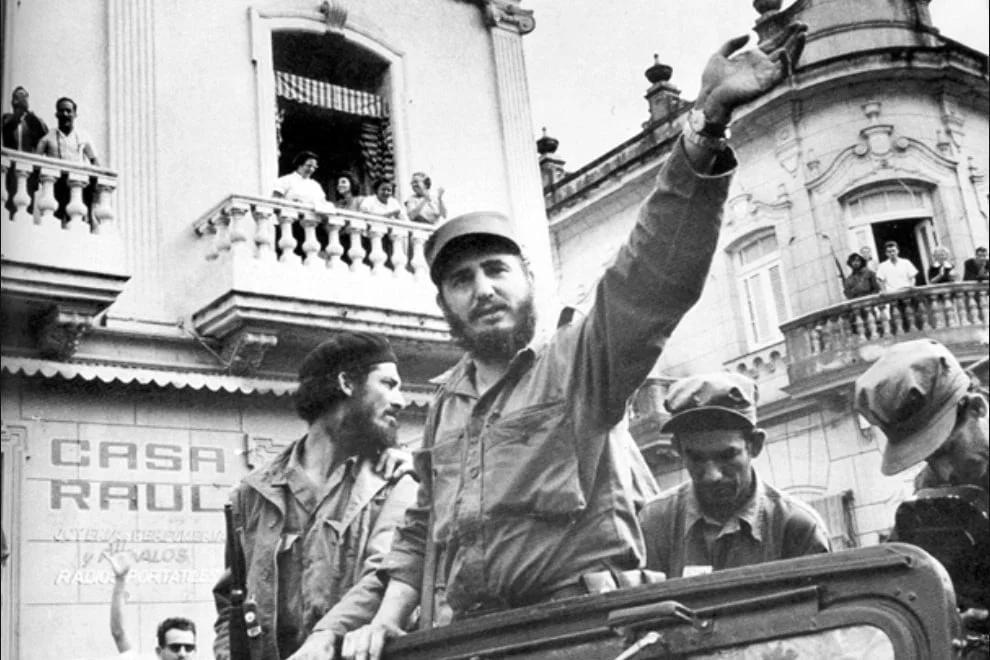
On 1 January 1959, the Cuban Revolution succeeded and Fidel Castro assumed power. It was a day that dealt one of the most severe blows in modern history to the concept of private property and real estate.
In the immediate aftermath of the revolution, vast swathes of land, residential housing, commercial buildings, hotels, and industrial assets across Cuba were taken into state ownership. The private real estate market was effectively dismantled, foreign investments were seized, thousands of owners lost their properties overnight, and the country’s entire urban land structure came under state control.
In global real estate history, this event is regarded as both unique and unprecedented because it represents the only known case in which private ownership across an entire country was abolished in a single day. It overturned established ideas of urban planning, housing, tenancy, and land ownership. Even today, this decision continues to shape Cuba’s economy, its cities, and its investment environment.
Among the post revolution changes, the most significant was the Urban Reform Law. Passed in 1960 soon after the revolution, it introduced the policy of one family one home. Properties owned in excess of this limit were confiscated by the state. Notably, tenants were allowed to treat the rent they paid as instalments toward the value of the house, eventually becoming owners after a defined period.
Before Castro’s revolution, Havana was counted among the wealthiest cities in the world, home to some of the most expensive properties owned by the American elite. After the revolution, as owners fled the country, these grand mansions were converted into government offices or distributed among poor families. Even today, Havana’s streets are lined with decaying historic buildings that evoke that era and are often referred to internationally as Havana’s ghost mansions.
From 1959 until 2011, for nearly fifty two years, buying and selling homes in Cuba was legally prohibited. People could only exchange properties through a system known as permuta, essentially trading one house for another. A formal real estate market ceased to exist altogether.
During the Castro era, thousands of families who migrated to the United States carefully preserved the legal documents of properties taken from them in 1959. The value of these claims has since risen into the billions of dollars and remains one of the most significant obstacles in relations between Cuba and the United States.
An intriguing aspect of Cuba’s experience is that while land values elsewhere typically rise due to location, land in Cuba carried virtually no commercial value for decades because the state was the sole owner. As a result, natural urban development stagnated rather than progressed, creating long term sovereign risk and presenting the world with a socialist housing model that remains a subject of debate.
Fidel Castro stepped away from active politics in 2006 following severe illness and formally transferred power to his brother Raúl Castro in 2008. In 2011, Raúl Castro introduced major reforms to stabilise the Cuban economy, recognising that a return to limited private ownership was unavoidable. In November 2011, after more than half a century, Cuban citizens were legally permitted to buy and sell property for the first time. Previously, only property exchanges were allowed, often involving undeclared cash. This decision revived a long dormant real estate market.
Even today, Cuba maintains strict ownership limits. A Cuban citizen is permitted to own only two homes, one primary residence and one vacation property. This restriction was retained to prevent large investors or organised groups from capturing the market and pushing prices beyond the reach of ordinary citizens. Foreigners are still not allowed to directly purchase land or residential property. However, foreign investors may participate through joint ventures with the government, primarily in large hotels or luxury resorts. Ordinary residential transactions remain restricted to Cuban citizens or foreigners with permanent residency.
The reopening of the property market provided a significant boost to tourism. Many Cubans began renting rooms in their homes to visitors through Airbnb.
Today, the historic Casas Particulares, privately run guesthouses housed in Havana’s old buildings, are famous worldwide and have become a major source of income for Cuban households.
In comparing Cuba’s real estate market with those of neighbouring countries such as the Bahamas, Haiti, Jamaica, and particularly the Dominican Republic, it becomes evident that Cuba lacks a structured pricing system similar to that seen in markets like Pakistan. In Havana’s prime neighbourhoods, an old apartment may sell for fifty thousand to one hundred thousand dollars, while the average Cuban government salary, even after reforms, remains around four thousand to five thousand Cuban pesos per month. Converted into dollars, this amounts to roughly thirty five to forty five US dollars, leaving an average public sector employee with an annual cash income of no more than four hundred to five hundred and fifty dollars. By contrast, Cuba’s per capita income is often reported at nine thousand to ten thousand US dollars per year, a statistical average based on GDP that neither reflects actual household cash income nor accurately represents everyday economic reality.
This disparity indicates that Cuba’s property market is not driven by local incomes but by foreign currency inflows. In practice, it operates on a remittance based economy. Families with relatives abroad, particularly in the United States, who send dollars home are effectively the primary buyers of property in Cuba.
▪️Syed Shayan Real Estate Archive
▪ Reference(s):
یکم جنوری 1959 کو کیوبا میں کیوبن انقلاب کامیاب ہوا اور فیدل کاسترو اقتدار میں آئے۔ یہ وہ دن ہے جس نے جدید تاریخ میں رئیل اسٹیٹ اور نجی ملکیت کے تصور کو سب سے زیادہ شدت سے نقصان پہنچایا۔
اس انقلاب کے فوراً بعد کیوبا میں بڑے پیمانے پر زمین، رہائشی مکانات، کمرشل عمارتیں، ہوٹلز اور صنعتی املاک ریاست کی ملکیت میں لے لی گئیں۔ نجی رئیل اسٹیٹ مارکیٹ عملاً ختم کر دی گئی، بیرونی سرمایہ کاری ضبط ہوئی، ہزاروں مالکان ایک ہی دن میں اپنی جائیدادوں سے محروم ہو گئے اور پورے ملک کا اربن لینڈ اسٹرکچر ریاستی کنٹرول میں چلا گیا۔
رئیل اسٹیٹ کی عالمی تاریخ میں یہ واقعہ اس لیے منفرد اور سب سے بڑا سمجھا جاتا ہے کہ
یہ دنیا میں ایک دن میں پورے ملک کی نجی ملکیت (Ownership) کے خاتمے کی واحد مثال ہے۔
اس نے شہری منصوبہ بندی، ہاؤسنگ، کرایہ داری اور زمین کی ملکیت کے تصورات کو الٹ دیا۔
اور یہ فیصلہ آج بھی کیوبا کی معیشت، شہروں اور سرمایہ کاری کے ماحول پر اثر انداز ہے۔
کاسترو کے انقلاب کے بعد جو تبدیلیاں آئیں، ان میں سب سے اہم اربن ریفارم لا (Urban Reform Law) تھا۔ انقلاب کے فوراً بعد 1960 میں ایک قانون پاس کیا گیا جس کے تحت “ایک خاندان، ایک گھر” کی پالیسی اپنائی گئی۔ جن لوگوں کے پاس ایک سے زائد مکانات تھے، ریاست نے وہ ضبط کر لیے۔ دلچسپ بات یہ ہے کہ کرایہ داروں کو موقع دیا گیا کہ وہ جو کرایہ ادا کر رہے ہیں، وہ دراصل گھر کی قیمت کی قسط تصور ہوگا اور کچھ عرصہ بعد وہ گھر کے مالک بن جائیں گے۔
فیدل کاسترو کے لائے گئے اس انقلاب سے پہلے ہوانا (Havana) دنیا کے امیر ترین شہروں میں شمار ہوتا تھا، جہاں امریکی اشرافیہ کی مہنگی ترین جائیدادیں موجود تھیں۔ انقلاب کے بعد جب مالکان ملک چھوڑ کر چلے گئے تو ان عالیشان محلات کو یا تو سرکاری دفاتر بنا دیا گیا یا غریب خاندانوں میں تقسیم کر دیا گیا۔ آج بھی ہوانا کی گلیوں میں وہ قدیم اور خستہ حال عمارتیں اس دور کی یاد دلاتی ہیں، اور عالمی سطح پر انہیں ہوانا کے بھوت بنگلے (Ghost Mansions) کہا جاتا ہے۔
کیا آپ تصور کر سکتے ہیں کہ 1959 سے لے کر 2011 تک، تقریباً 52 سال، کیوبا میں گھروں کی خرید و فروخت قانونی طور پر ممنوع تھی اور لوگ صرف اپنی جائیداد کا صرف تبادلہ (Permuta) کر سکتے تھے، یعنی ایک گھر کے بدلے دوسرا گھر لینا۔ باقاعدہ رئیل اسٹیٹ مارکیٹ کا وجود ہی ختم کر دیا گیا تھا۔
کاسترو دور میں ہزاروں ایسے خاندان، جو امریکہ ہجرت کر گئے تھے، اپنی ان جائیدادوں کے قانونی کاغذات سنبھال کر رکھے ہوئے ہیں جو 1959 میں ان سے چھین لی گئی تھیں۔ اور اب ان کلیمز کی مالیت اربوں ڈالر میں جا پہنچی ہے اس وقت یہ معاملہ کیوبا اور امریکہ کے تعلقات میں سب سے بڑی رکاوٹ بنا ہوا ہے۔
ایک دلچسپ حقیقت یہ ہے کہ عام طور پر رئیل اسٹیٹ میں لوکیشن کی وجہ سے زمین کی قیمت بڑھتی ہے، لیکن کیوبا میں دہائیوں تک زمین کی کوئی تجارتی قیمت نہیں رہی کیونکہ ریاست ہی واحد مالک تھی۔ جس کے نتیجے میں شہروں کی قدرتی ترقی (Natural Development) آگے بڑھنے کی بجائے ختم ہوتی چلی گئی جس نے سرمایہ کاری کے رسک (Sovereign Risk) کو جنم دیا۔ اور دنیا کو سوشلسٹ ہاؤسنگ ماڈل کا ایک ایسا تجربہ دکھایا جو آج بھی بحث کا موضوع ہے۔
فیدل کاسترو 2006 میں شدید بیماری کے بعد عملی سیاست سے الگ ہو گئے اور 2008 میں انہوں نے باقاعدہ طور پر اقتدار اپنے بھائی راؤل کاسترو کے حوالے کر دیا تھا۔ 2011 میں راؤل کاسترو نے کیوبا کی معیشت کو سہارا دینے کے لیے اہم اصلاحاتی اقدامات کیے، انہوں نے محسوس کیا کہ ملک کی معیشت کو بچانے کے لیے نجی ملکیت کی طرف واپسی ناگزیر ہے۔ چنانچہ نومبر 2011 میں، پچاس سال سے زائد عرصے کے بعد، کیوبا کے شہریوں کو پہلی بار جائیداد خریدنے اور بیچنے کی قانونی اجازت دی گئی۔ اس سے پہلے لوگ صرف گھر کا تبادلہ (Permuta) کر سکتے تھے، جس میں اکثر کالے دھن کا استعمال ہوتا تھا۔ اس فیصلے نے کیوبا میں ایک سوئی ہوئی رئیل اسٹیٹ مارکیٹ کو دوبارہ زندہ کر دیا۔
تاہم آج بھی کیوبا میں ایک گھر کی شرط برقرار ہے۔ آج بھی ایک کیوبن شہری کو صرف دو گھر رکھنے کی اجازت ہے، ایک وہ جہاں وہ مستقل رہائش رکھتا ہو، اور دوسرا وہ جو کسی تفریحی مقام یعنی ویکیشن ہوم پر ہو۔ یہ شرط اس لیے رکھی گئی تاکہ بڑے سرمایہ دار یا مافیا مارکیٹ پر قبضہ کر کے قیمتیں عام آدمی کی پہنچ سے باہر نہ کر دیں۔ ایک اہم بات یہ ہے کہ ایک عام غیر ملکی آج بھی کیوبا میں براہ راست زمین یا گھر نہیں خرید سکتا۔ تاہم غیر ملکی سرمایہ کار حکومتی شراکت داری کے ذریعے بڑے ہوٹلز یا لگژری ریزورٹس میں سرمایہ کاری کر سکتے ہیں۔ عام گھروں کی خرید و فروخت صرف کیوبن شہریوں یا وہاں کی مستقل رہائش رکھنے والے غیر ملکیوں تک محدود ہے۔
رئیل اسٹیٹ مارکیٹ کھلنے کا سب سے بڑا فائدہ سیاحت کو ہوا۔ کیوبا کے لوگوں نے اپنے گھروں کے کمرے Airbnb کے ذریعے سیاحوں کو کرائے پر دینا شروع کر دیے۔
آج ہوانا کی قدیم عمارتوں میں موجود Casas Particulares یعنی نجی گیسٹ ہاؤسز پوری دنیا میں مشہور ہیں اور کیوبن عوام کے لیے آمدنی کا ایک بڑا ذریعہ بن چکے ہیں۔
میں کیوبا اور اس سے ملحقہ ممالک بہاماس، ہیٹی، جمیکا اور خصوصاً ڈومینیکن ریپبلک کی رئیل اسٹیٹ کا جب بھی مطالعہ کرتا ہوں تو محسوس ہوتا ہے کہ ان ممالک کے تقابل میں کیوبا کی رئیل اسٹیٹ مارکیٹ میں پاکستان کی طرح قیمتوں کا کوئی باقاعدہ نظام موجود نہیں۔ ہوانا کے پوش علاقوں میں ایک پرانا اپارٹمنٹ پچاس ہزار سے ایک لاکھ ڈالر تک فروخت ہو سکتا ہے، جبکہ ایک عام کیوبن کی اوسط سرکاری تنخواہ اصلاحات کے باوجود ماہانہ تقریباً چار ہزار تا پانچ ہزار کیوبن پیسو ہے، جو ڈالر میں بدلنے پر لگ بھگ پینتیس تا پینتالیس امریکی ڈالر بنتی ہے، جس کے نتیجے میں ایک عام سرکاری ملازم کی سالانہ نقد آمدنی عموماً چار سو سے پانچ سو پچاس امریکی ڈالر سے آگے نہیں بڑھ پاتی۔ اس کے برعکس کیوبا کی فی کس آمدنی نو ہزار سے دس ہزار امریکی ڈالر سالانہ ظاہر کی جاتی ہے، لیکن یہ دراصل فی کس جی ڈی پی پر مبنی ایک اعدادی اوسط ہے، جو نہ تو عام شہری کی حقیقی نقد آمدنی کی عکاسی کرتی ہے اور نہ ہی اس کی روزمرہ معاشی حقیقت کو درست طور پر بیان کرتی ہے۔
اس تضاد سے یہ اندازہ ہوتا ہے کہ کیوبا کی پراپرٹی مارکیٹ مقامی آمدنی پر نہیں بلکہ بیرون ملک سے آنے والے ڈالرز پر چل رہی ہے، یعنی عملی طور پر یہ مارکیٹ ریمیٹینس اکانومی کے رحم و کرم پر ہے۔ وہ خاندان جن کے رشتہ دار بیرون ملک، خصوصاً امریکہ میں رہتے ہیں اور ڈالر بھیجتے ہیں، وہی دراصل کیوبا میں جائیداد کے خریدار بنتے ہیں۔
▪️ سید شایان ریئل اسٹیٹ آرکائیو
On October 22, 1963, groundbreaking condominium legislation was enacted, creating the legal framework for individual ownership of units within multi-story residential buildings. This revolutionary law established the concept of 'air rights' ownership and created mechanisms for shared ownership of common areas, maintenance responsibilities, and gove...
Read More →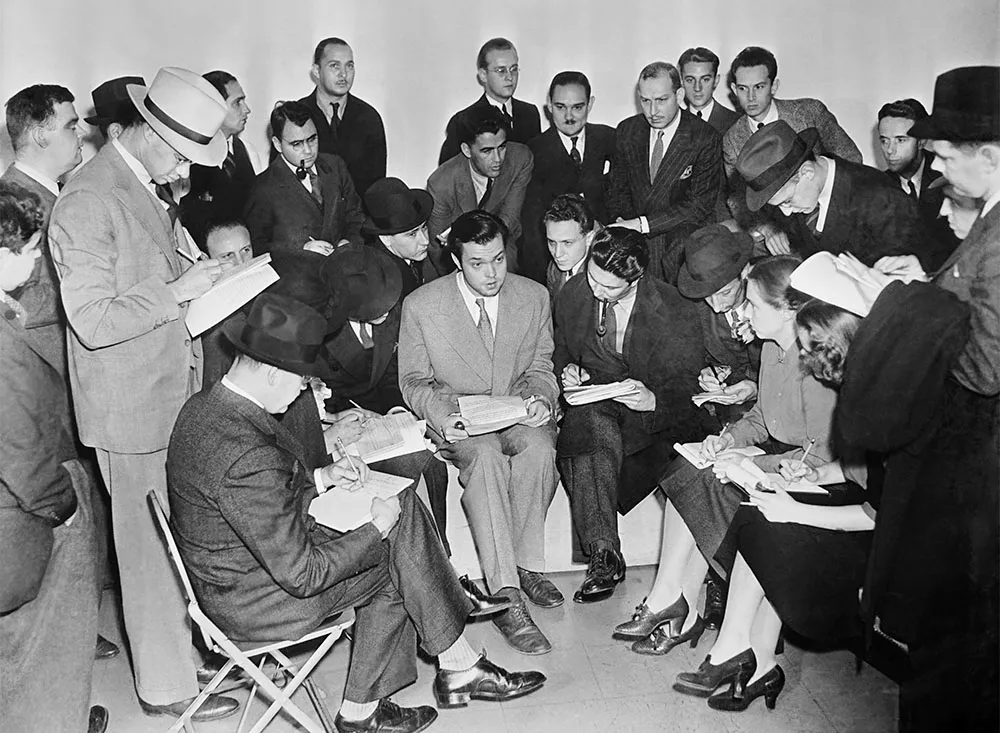
On October 30, 1938, Orson Welles' legendary radio broadcast of 'War of the Worlds' triggered unprecedented panic among millions of American listeners who genuinely believed Earth was under Martian invasion. In New Jersey areas specifically mentioned in the broadcast, property values experienced immediate temporary declines as terrified residents c...
Read More →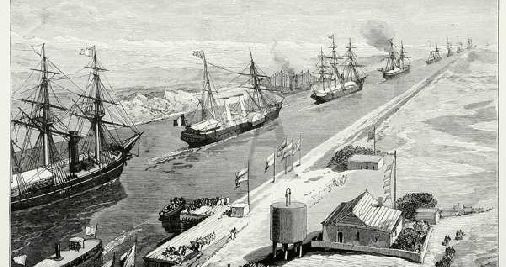
In a manoeuvre to fortify its stance upon the realms of international commerce and strategic infrastructure, the British Government has secured effective dominion over one of the world’s paramount maritime passages through the purchase of substantial shares in the Suez Canal Company. This historic transaction was executed under the direct sancti...
Read More →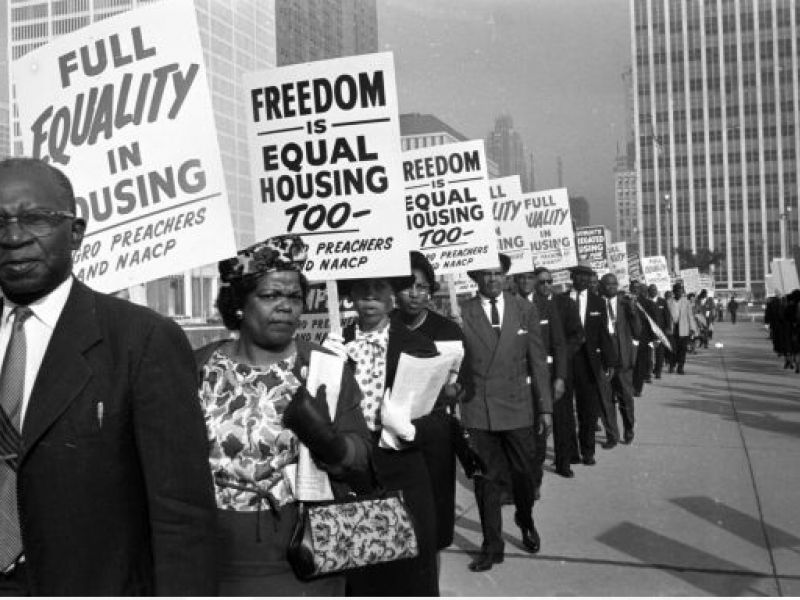
On 5 December 1957, New York City became the first city in the United States to enact legislation prohibiting racial and religious discrimination in the housing market. On this date, the New York City Council approved the Fair Housing Practices Law, which made it unlawful to discriminate in the sale, purchase, or rental of housing on the grounds ...
Read More →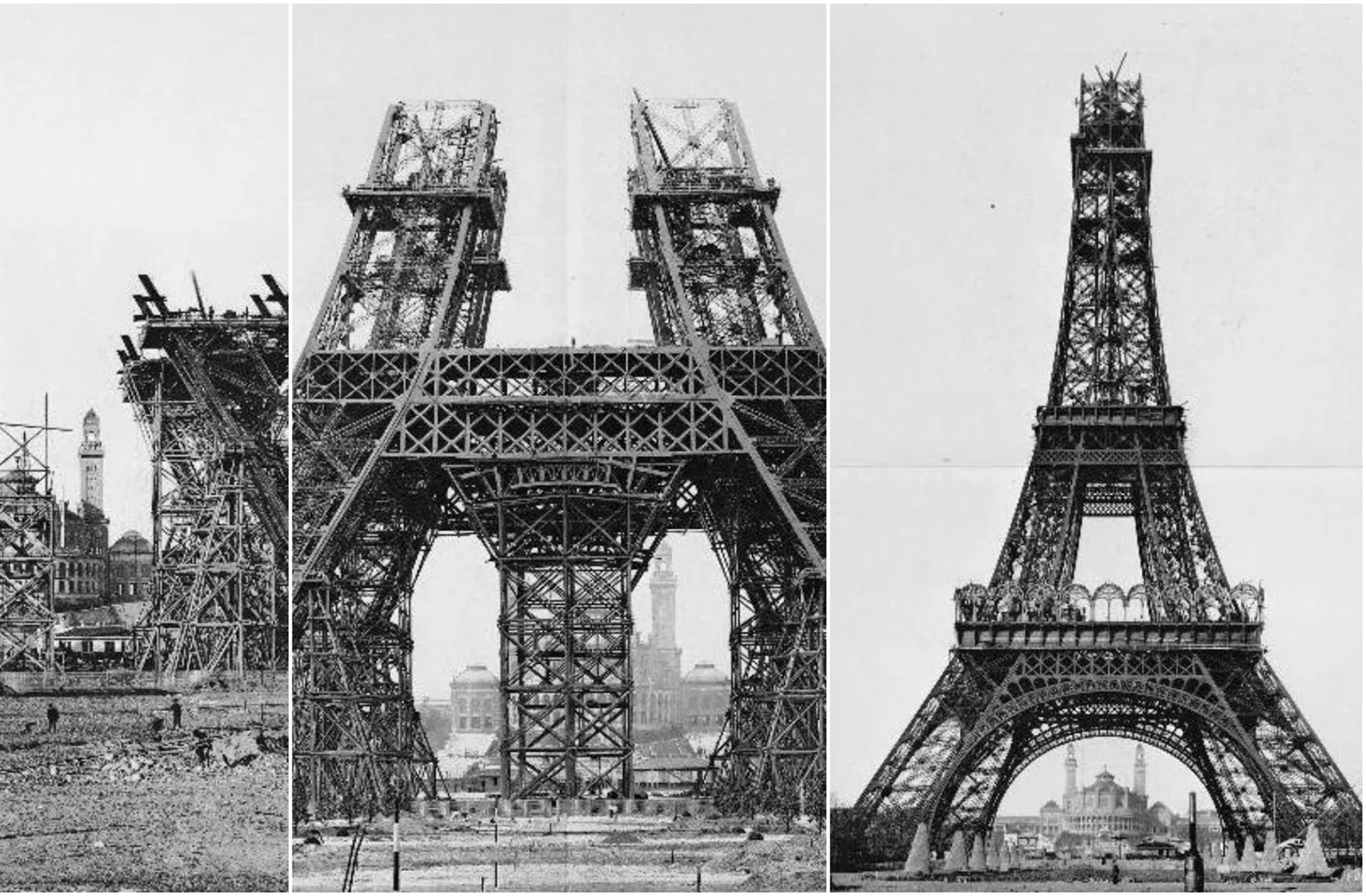
On October 25, 1889, the completion of the Eiffel Tower marked a defining moment in global engineering and architecture. Constructed for the Paris Exposition, it showcased the strength and versatility of iron as a primary construction material, revolutionizing modern building design. The 1889 completion of the Eiffel Tower forever changed global co...
Read More →
The acquisition of land for the Model Town Society was one of the most remarkable and spirited chapters in its early history. Dewan Khem Chand and his...

Between 1921 and 1924, the land for Model Town Lahore was acquired in successive phases. The process began in 1921, shortly after the establishment of...
No comments yet. Be the first to comment!