
Syed Shayan Real Estate Archive
Syed Shayan Real Estate Archive
From Real Estate History
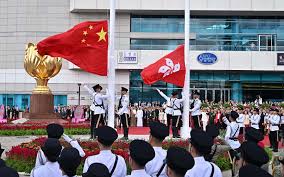
Hong Kong officially returned to Chinese sovereignty and became the Hong Kong Special Administrative Region under the “One Country, Two Systems” framework. This historic transition marked the end of 156 years of British administration and opened a new political, legal and economic chapter for one of Asia’s most important financial and real estate centers.
The event holds major importance in real estate history because Hong Kong has long been one of the world’s most expensive and closely monitored property markets. Its real estate sector is deeply connected with land supply, government leasehold policies, housing demand, commercial investment, financial markets and global investor confidence.
After the handover, the continuity of Hong Kong’s legal system, land administration and business environment became central to the confidence of property developers, banks, international companies and homebuyers. The “One Country, Two Systems” arrangement allowed Hong Kong to maintain its capitalist system, separate legal framework and free market economy, which helped preserve its position as a major hub for commercial property, luxury housing and international finance.
In the years that followed, Hong Kong’s property market experienced both sharp corrections and strong long-term growth, influenced by the Asian financial crisis, changing housing policies, cross-border investment and rising demand from mainland China. For this reason, July 1, 1997 is remembered as a key turning point in Hong Kong’s urban development and real estate history.
▪ Reference(s):
یکم جولائی 1997 کو ہانگ کانگ باضابطہ طور پر چین کی خودمختاری میں واپس آیا اور “ایک ملک، دو نظام” کے فریم ورک کے تحت ہانگ کانگ خصوصی انتظامی علاقہ قرار پایا۔ یہ تاریخی تبدیلی 156 سالہ برطانوی انتظامیہ کے خاتمے اور ایشیا کے ایک اہم مالیاتی و رئیل اسٹیٹ مرکز کے لیے نئے سیاسی، قانونی اور معاشی دور کے آغاز کی علامت تھی۔
رئیل اسٹیٹ تاریخ میں یہ واقعہ اس لیے خاص اہمیت رکھتا ہے کہ ہانگ کانگ طویل عرصے سے دنیا کی مہنگی ترین اور سب سے زیادہ پراپرٹی مارکیٹس میں شمار ہوتا ہے۔ اس کا رئیل اسٹیٹ سیکٹر زمین کی فراہمی، حکومتی لیز ہولڈ پالیسیوں، رہائشی طلب، کمرشل سرمایہ کاری، مالیاتی منڈیوں اور عالمی سرمایہ کاروں کے اعتماد سے گہرا تعلق رکھتا ہے۔
ہینڈ اوور کے بعد ہانگ کانگ کے قانونی نظام، لینڈ ایڈمنسٹریشن اور کاروباری ماحول کا تسلسل پراپرٹی ڈویلپرز، بینکوں، بین الاقوامی کمپنیوں اور گھریلو خریداروں کے اعتماد کے لیے نہایت اہم بن گیا۔ “ایک ملک، دو نظام” کے انتظام کے تحت ہانگ کانگ کو اپنا سرمایہ دارانہ نظام، الگ قانونی ڈھانچہ اور آزاد منڈی کی معیشت برقرار رکھنے کی اجازت ملی، جس نے اسے کمرشل پراپرٹی، لگژری ہاؤسنگ اور بین الاقوامی فنانس کے بڑے مرکز کے طور پر قائم رکھنے میں مدد دی۔
بعد کے برسوں میں ہانگ کانگ کی پراپرٹی مارکیٹ نے تیز مندی اور طویل المدتی ترقی دونوں کا سامنا کیا۔ ایشیائی مالیاتی بحران، ہاؤسنگ پالیسیوں میں تبدیلی، سرحد پار سرمایہ کاری اور چین سے بڑھتی ہوئی طلب نے اس مارکیٹ کی سمت پر گہرے اثرات ڈالے۔ اسی لیے یکم جولائی 1997 کو ہانگ کانگ کی شہری ترقی اور رئیل اسٹیٹ تاریخ کا ایک اہم موڑ سمجھا جاتا ہے۔
On November 18, 1967, Tehran introduced its first high-rise regulation code to manage urban expansion and support vertical growth in the city. The 1960s saw Teh...
Read More →
On 24 December 1968, the Apollo 8 spacecraft was orbiting the Moon. As it emerged from behind the Moon’s far side, an extraordinary sight appeared before the as...
Read More →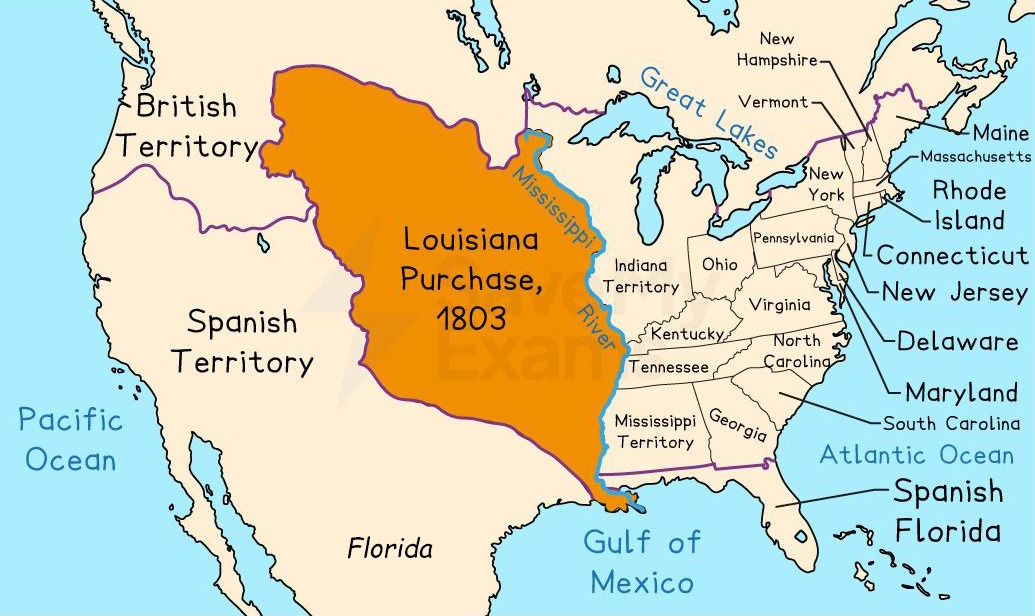
20 December 1803 stands as a defining date in the global history of real estate and land agreements. It not only reshaped the concept of land acquisition but al...
Read More →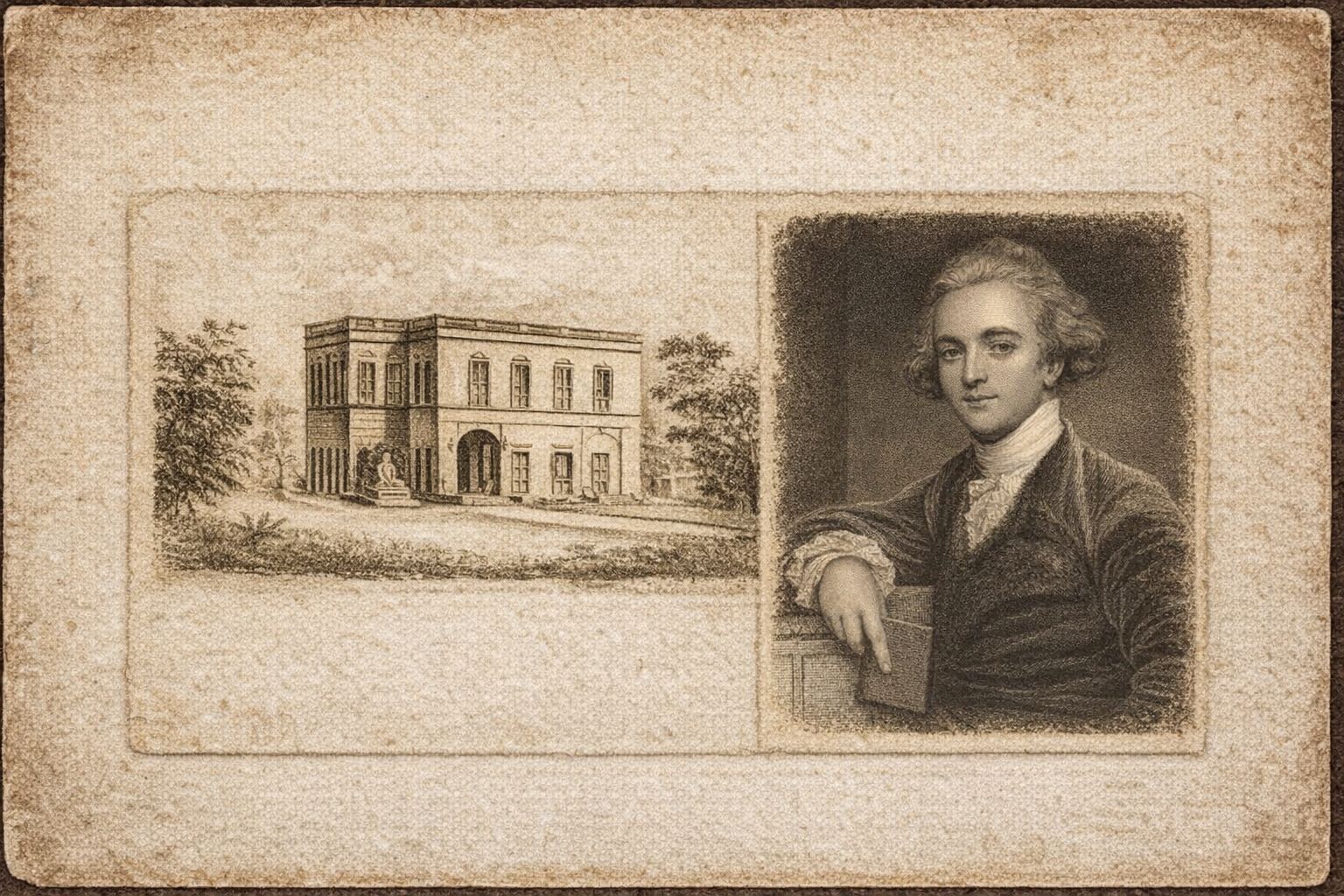
Exactly 242 years ago, on 15 January 1784, the Asiatic Society of Bengal was founded in Calcutta by Sir William Jones. On the same day, the Society convened its...
Read More →On October 31, 2003, the Petronas Towers in Kuala Lumpur, Malaysia, officially claimed the title of the world's tallest residential building, marking a major mi...
Read More →
The acquisition of land for the Model Town Society was one of the most remarkable and spirited chapters in its early history. Dewan Khem Chand and his...
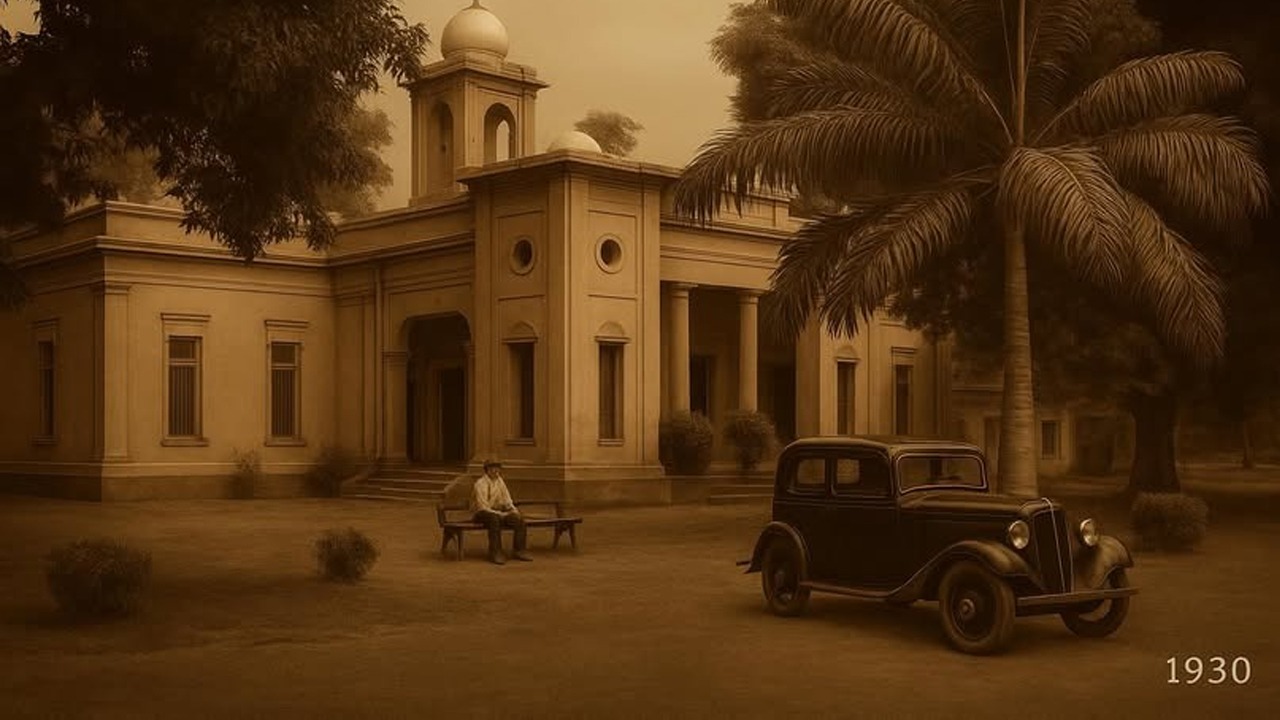
Between 1921 and 1924, the land for Model Town Lahore was acquired in successive phases. The process began in 1921, shortly after the establishment of...
No comments yet. Be the first to comment!