
Syed Shayan Real Estate Archive
Syed Shayan Real Estate Archive
From Real Estate History
On November 20, 1984, the Shenzhen Municipal Government enacted the Bao’an Coastal Urban Greenline Ordinance, a pioneering environmental-urban regulation designed to preserve ecological corridors during the city’s early industrial boom. In the mid-1980s, Shenzhen was rapidly transitioning from a fishing town into China’s premiere Special Economic Zone, attracting factories, migrant workers, and large-scale construction.
The ordinance established mandatory ‘coastal greenline buffers’—undeveloped ecological strips separating industrial zones from residential belts. These buffers included tree belts, water-retention ponds, coastal mangrove protection areas, and designated non-construction zones.
The policy also required new factories to maintain setback distances from wetlands, integrate pollution-reduction technology, and develop green perimeter walls to reduce dust and noise. Residential districts received green plazas, multi-use community parks, and open-air pedestrian pathways linking neighborhoods to the coastline.
The ordinance created one of China’s earliest examples of integrated environmental planning within a fast-growing industrial zone. It significantly reduced ecological degradation, protected Bao’an’s remaining mangrove forests, and preserved natural drainage patterns that later prevented flood disasters during 1990s storm surges.
Socially, the green corridors improved liveability for migrant workers, offering recreation spaces that softened the harshness of early factory-heavy districts.
By the 1990s, Shenzhen’s coastal greenline became a national model studied by Guangzhou, Ningbo, and Xiamen, influencing China’s long-term eco-urban design strategy.
▪ Reference(s):
20 نومبر 1984 کو شینزن میونسپل حکومت نے باؤآن کوسٹل اربن گرین لائن آرڈیننس نافذ کیا، جو صنعتی ترقی کے دوران ماحولیاتی تحفظ اور شہری منصوبہ بندی کا ایک اہم سنگ میل تھا۔ 1980 کی دہائی میں شینزن تیزی سے ماہی گیر قصبے سے ایک بڑے صنعتی معاشی زون میں بدل رہا تھا، جہاں کارخانے، مزدور اور تعمیراتی سرگرمیاں بڑھ رہی تھیں۔
آرڈیننس نے صنعتی زونز اور رہائشی علاقوں کے درمیان لازمی ‘کوسٹل گرین لائن بفرز’ مقرر کیے—جن میں درختوں کی پٹیاں، پانی ذخیرہ کرنے والے حوض، مینگروو کے محفوظ علاقے، اور نو کنسٹرکشن زون شامل تھے۔
پالیسی کے تحت نئے کارخانوں کو ویٹ لینڈز سے دور قائم ہونا تھا، آلودگی کم کرنے والی ٹیکنالوجی استعمال کرنا تھی، اور گرین باونڈری والز بنانا تھیں تاکہ دھول اور شور کی سطح کم ہو۔
رہائشی علاقوں میں گرین پلازہ، کمیونٹی پارکس، اور ساحل سے جڑے پیدل راستے شامل کیے گئے۔
یہ آرڈیننس چین میں تیزی سے بڑھتے صنعتی زون میں ماحولیاتی-شہری ایکीकृत منصوبہ بندی کی اولین مثالوں میں سے تھا، جس نے ماحول کو تباہ ہونے سے بچایا، مینگرووز کو محفوظ رکھا، اور قدرتی نکاسی نظام برقرار رکھا جس نے 1990 کی دہائی کے طوفانی سیلابوں سے تحفظ فراہم کیا۔
سماجی طور پر، گرین کاریڈورز نے مہاجر مزدوروں کے معیارِ زندگی کو بہتر بنایا۔
1990 کی دہائی تک یہ گرین لائن چین کے دیگر شہروں کے لیے ماڈل بن گئی۔
On November 20, 1993, the Rahim Yar Khan District Council approved the Cross-Canal Agro-Industrial Expansion Plan, a transformative initiative aimed at modernizing agricultural processing and strengthening rural industrial capacities. During the early 1990s, Rahim Yar Khan was rapidly becoming a major sugarcane, cotton, and citrus-producing region, yet it suffered from outdated canal-side processing mills, poor farm-to-market linkages, and a lack of structured industrial zoning.
The new plan introduced three major policy innovations: (1) designated agro-industrial corridors running parallel to the Abbasia and Desert Canals, (2) standardized processing sheds built with government-assisted financing, and (3) feeder link roads enabling heavy transport access to remote agricultural estates.
One of the landmark components was the establishment of a ‘Citrus Processing and Packing Cluster’ near Sadiqabad, aimed at improving grading, preservation, and export readiness. Additionally, the plan supported smallholder farmers by offering low-cost storage rooms and communal cold-chain facilities. Key drainage improvements and tube-well power stabilizers were installed to reduce irrigation disruptions.
The policy had long-term socioeconomic effects: production wastage decreased significantly, farm income stabilized, and new employment opportunities emerged within citrus, sugar, and oil-seed processing units. By the late 1990s, Rahim Yar Khan began integrating into regional value chains, supplying semi-processed goods to Karachi, Multan, and Lahore.
The plan is still considered one of the earliest structured agro-industrial modernization templates in Southern Punjab, influencing later schemes such as the Cholistan Agro-Belt Program and early public–private farming cooperatives.
▪ Reference(s):
20 نومبر 1993 کو رحیم یار خان ڈسٹرکٹ کونسل نے کراس کینال ایگرو-انڈسٹریل ایکسپینشن پلان کی منظوری دی، جو زرعی پیداواریت اور دیہی صنعتی ڈھانچے کو جدید بنانے کی سمت اہم قدم تھا۔ 1990 کی دہائی کے اوائل میں یہ علاقہ گنے، کپاس اور ترشاوہ پھلوں کی بڑی پیداوار کا مرکز بن رہا تھا، مگر نہری کناروں پر پرانے پروسیسنگ یونٹس، ناکافی ٹرانسپورٹ رسائی، اور صنعتی زوننگ کی کمی اس ترقی میں رکاوٹ بن رہی تھی۔
پلان نے تین بڑی اصلاحات متعارف کرائیں: (1) اباسیہ اور ڈیزرٹ کینال کے ساتھ ایگرو-انڈسٹریل کاریڈورز، (2) سرکاری معاونت سے معیاری پروسیسنگ شیڈز، اور (3) دور دراز کھیتوں تک بھاری ٹرانسپورٹ کی رسائی کے لیے نئی لنک سڑکیں۔
سادیق آباد کے قریب ‘سٹرکس پروسیسنگ اینڈ پیکنگ کلسٹر’ کا قیام ایک بڑی پیش رفت تھی، جس کا مقصد گریڈنگ، محفوظ کرنے اور برآمدی تیاری کو بہتر بنانا تھا۔ چھوٹے کاشتکاروں کو کم لاگت اسٹوریج رومز اور مشترکہ کولڈ چین سہولتیں فراہم کی گئیں۔
اس پالیسی نے طویل مدتی معاشی اثرات پیدا کیے: ضیاع کم ہوا، آمدنی مستحکم ہوئی، اور سٹرکس، گنے اور تیل دار بیجوں کی صنعت میں روزگار بڑھا۔ 1990 کی دہائی کے آخر تک رحیم یار خان علاقائی سپلائی چین کا اہم حصہ بن چکا تھا۔
یہ منصوبہ جنوبی پنجاب میں زرعی-صنعتی جدیدکاری کا اولین ماڈل سمجھا جاتا ہے، جس نے بعد کے چولستان ایگرو بیلٹ اور پبلک-پرائیویٹ فارمنگ کوآپریٹو منصوبوں کو متاثر کیا۔

On October 27, 1994, the Federal Reserve's aggressive interest rate hikes significantly pressured the US housing market, demonstrating the powerful connection b...
Read More →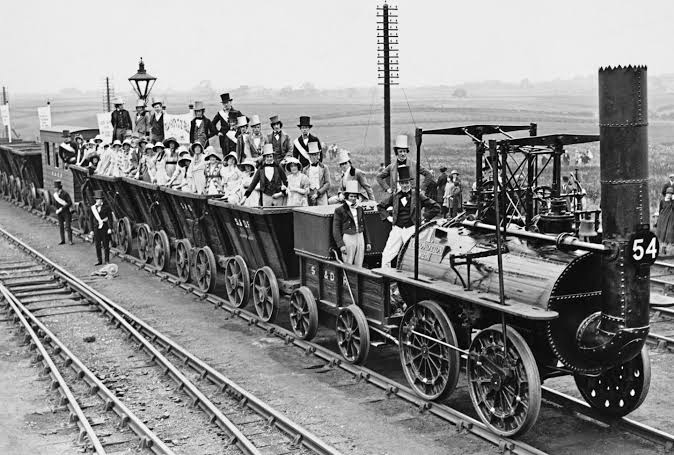
The Kilmarnock and Troon Railway officially opened in Ayrshire, Scotland. It is widely regarded as Scotland’s first public railway line and one of the early tra...
Read More →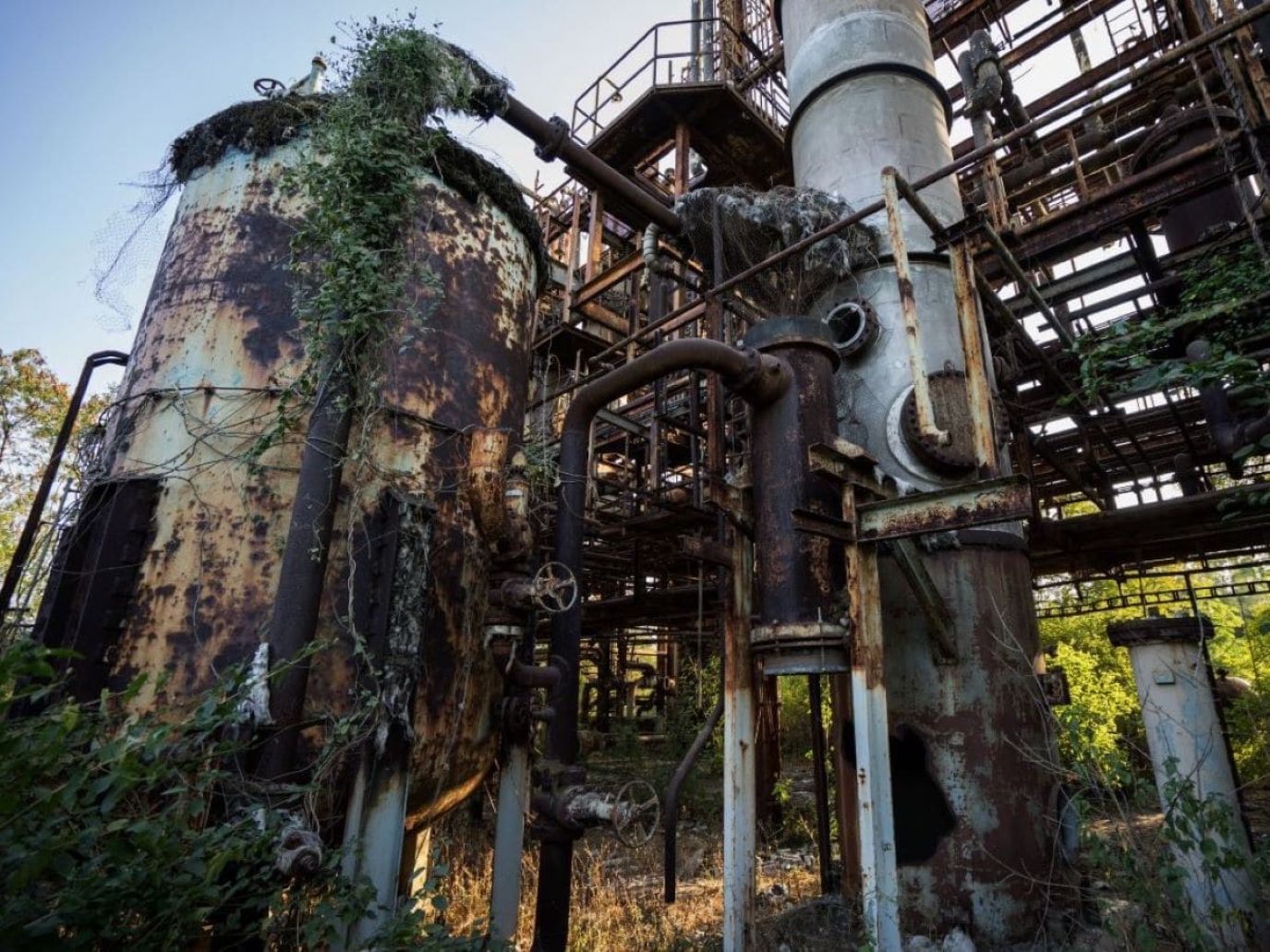
On the night of 3 December 1984, the city of Bhopal in Madhya Pradesh witnessed the uncontrolled release of methyl isocyanate gas from the Union Carbide chemica...
Read More →On October 26, 2005, the US housing bubble reached its zenith, marking the peak of unsustainable price growth that would soon trigger the global financial crisi...
Read More →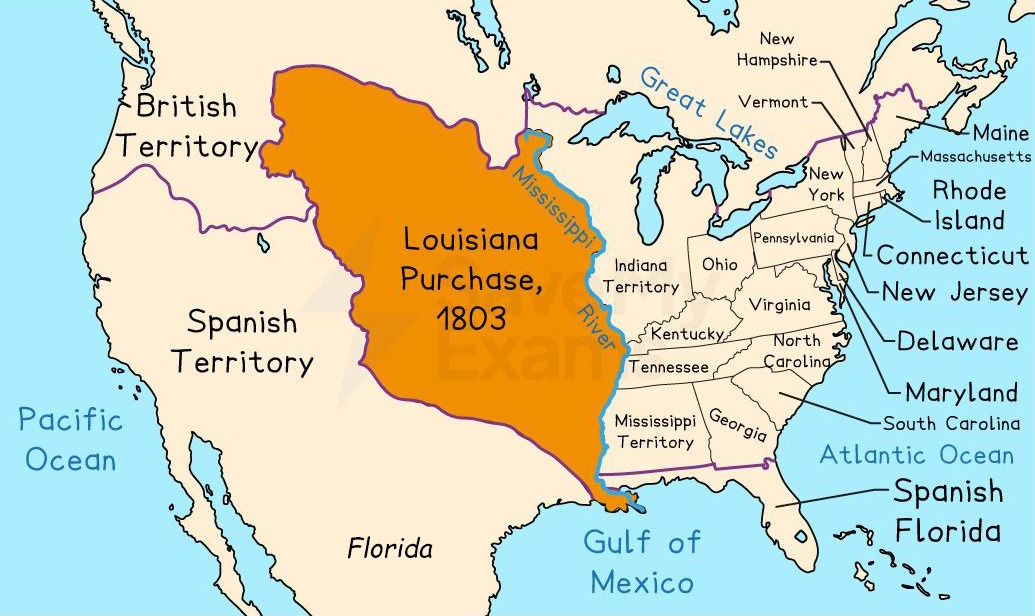
20 December 1803 stands as a defining date in the global history of real estate and land agreements. It not only reshaped the concept of land acquisition but al...
Read More →
The acquisition of land for the Model Town Society was one of the most remarkable and spirited chapters in its early history. Dewan Khem Chand and his...

Between 1921 and 1924, the land for Model Town Lahore was acquired in successive phases. The process began in 1921, shortly after the establishment of...
No comments yet. Be the first to comment!