
Syed Shayan Real Estate Archive
Syed Shayan Real Estate Archive
From Real Estate History
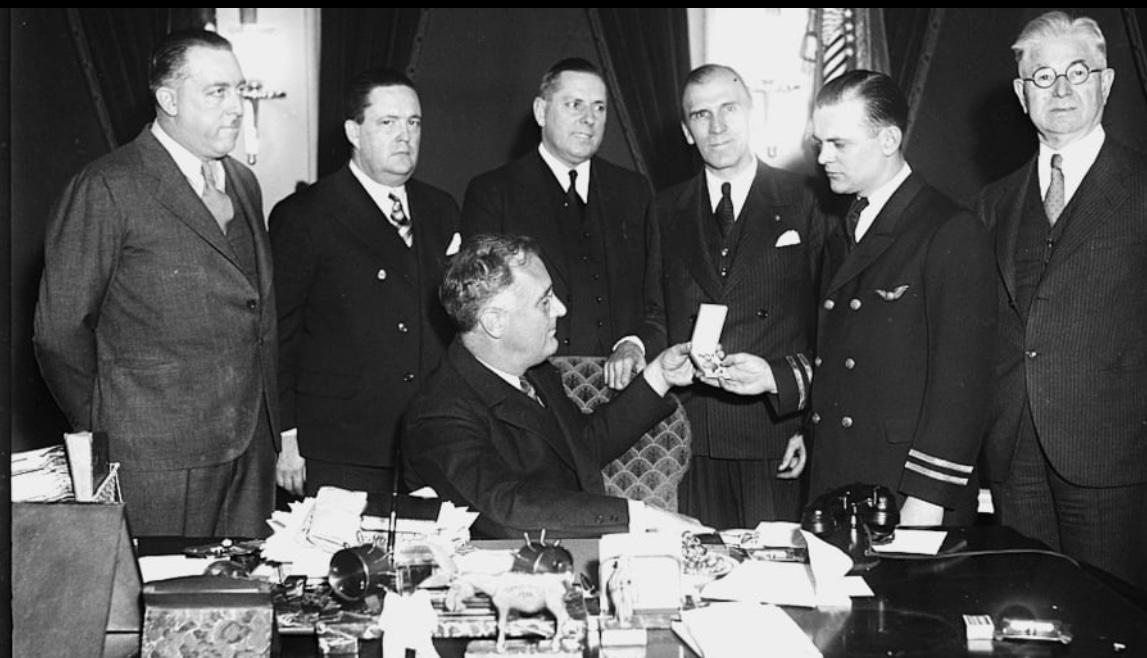
In the global history of real estate and housing, 20 January is remembered as a pivotal date, as it marks the formal signing of the United States Housing Act. Enacted with the signature of President Franklin D Roosevelt, this law, also known as the Wagner Steagall Act, was a cornerstone of the New Deal reforms. It formally linked the relationship between the state and housing to binding legal frameworks. As a result, the state became a direct stakeholder in real estate, and housing was recognised not only as private property but also as a matter of civic responsibility.
Through this law, several principles were recognised for the first time.
First, housing was no longer regarded merely as private property but as a social necessity. The law acknowledged that if the state withdrew from this responsibility, the consequences would not be confined to individuals but would affect the entire economic and urban structure.
Second, a structured and institutionalised concept of public housing and subsidies for low income citizens was introduced. Unsafe and dilapidated housing was deemed incompatible with human dignity, and the state accepted responsibility for addressing this gap.
Third, urban land, apartments, and rental housing were recognised for the first time as social infrastructure. Real estate was taken out of the narrow sphere of pure investment and explicitly linked to public safety and civic responsibility.
Under this framework, land and housing were viewed not as market commodities but as public necessities and social obligations. This shift laid the foundation for modern affordable housing policies, and in the decades that followed, housing models in Europe, Canada, and many developing countries drew guidance from the same philosophy.
Before 1937, housing related legislation in the United States was not based on the concept of direct state provided housing or public housing. Instead, it focused largely on housing finance, loans, and the management of mortgage systems.
In practical terms, this meant that before this law, the role of government was not to build homes or directly provide housing. Its involvement was largely limited to stabilising banks, managing loans, and safeguarding the mortgage system, including ensuring that people could access credit and that financial institutions did not collapse. During the Great Depression, the government intervened to prevent home foreclosures, support the banking system, and secure construction loans. Nevertheless, the prevailing belief remained that housing was a private matter, and that buying, selling, or maintaining a home was the responsibility of the market and the individual.
The decisive shift came on 20 January 1937. Through the United States Housing Act, the government stated clearly for the first time that providing safe housing for low income citizens was not merely the responsibility of individuals or the market, but a direct obligation of the state.
Similarly, if a residential building is unsafe, poses a threat to human life, or undermines urban safety, the state can no longer ignore it on the grounds of private ownership alone. While the law did not mandate direct intervention in every private building, it provided clear legal justification for slum clearance and state intervention by defining dangerous and substandard housing as a public concern. After 1937, unsafe buildings were no longer treated as purely private issues but were brought firmly within the realm of civic and state responsibility.
▪️Syed Shayan Real Estate Archive
▪ Reference(s):
ریئل اسٹیٹ اور ہاؤسنگ کی عالمی تاریخ میں 20 جنوری ایک غیر معمولی دن کے طور پر یاد کیا جاتا ہے، کیونکہ اسی روز امریکہ میں United States Housing Act پر باضابطہ طور پر دستخط کیے گئے۔ صدر فرینکلن ڈی روزویلٹ (Franklin D. Roosevelt) کے دستخطوں سے نافذ ہونے والا یہ قانون، جو Wagner Steagall Act کے نام سے بھی جانا جاتا ہے، دراصل New Deal اصلاحات کا وہ سنگ میل تھا جس نے ریاست اور رہائش کے تعلق کو قانونی شرائط سے جوڑ دیا۔ جس کے نتیجے میں ریاست ریئل اسٹیٹ میں باقاعدہ فریق بن گئی اور رہائش کو نجی ملکیت کے ساتھ ساتھ شہری ذمہ داری کا باقاعدہ حصہ تسلیم کیا گیا۔
اس قانون کے ذریعے پہلی بار یہ اصول تسلیم کیے گئے کہ
1- مکان محض نجی ملکیت نہیں بلکہ ایک معاشرتی ضرورت ہے، اور اگر ریاست اس ذمہ داری سے دستبردار ہو جائے تو اس کا اثر صرف فرد تک محدود نہیں رہتا بلکہ پورے معاشی اور شہری ڈھانچے پر پڑتا ہے۔
2- کم آمدنی والے شہریوں کے لیے پبلک ہاؤسنگ اور سبسڈی کا باقاعدہ اور منظم تصور سامنے آیا، جس کے تحت غیر محفوظ اور خستہ حال رہائش کو انسانی وقار کے منافی سمجھا گیا اور ریاست نے اس خلا کو پُر کرنے کی ذمہ داری قبول کی۔
3- شہری زمین، اپارٹمنٹس اور کرایہ جاتی ہاؤسنگ کو پہلی بار سوشل انفراسٹرکچر کی حیثیت دی گئی، اور ریئل اسٹیٹ کو محض سرمایہ کاری کے دائرے سے نکال کر عوامی تحفظ اور شہری ذمہ داری کے ساتھ جوڑا گیا۔
اسی قانون کے تحت زمین اور مکان کو پہلی بار مارکیٹ کموڈٹی کے بجائے عوامی ضرورت اور معاشرتی ذمہ داری کے طور پر دیکھا گیا، جس نے جدید افورڈیبل ہاؤسنگ پالیسیوں کی بنیاد رکھی، اور بعد کی دہائیوں میں یورپ، کینیڈا اور ترقی پذیر ممالک کے ہاؤسنگ ماڈلز نے بھی اسی قانون سے رہنمائی حاصل کی۔
1937 سے پہلے امریکہ میں ہاؤسنگ سے متعلق قوانین براہِ راست ریاستی رہائش یا پبلک ہاؤسنگ کے تصور پر مبنی نہیں تھے بلکہ زیادہ تر ہاؤسنگ فنانس، قرضوں اور مارگیج کے انتظام تک محدود تھے۔
یعنی اس قانون سے پہلے امریکہ میں حکومت کا کردار یہ نہیں تھا کہ وہ لوگوں کو گھر بنا کر دے یا رہائش کا بندوبست کرے۔ اس زمانے میں حکومت زیادہ تر بینکوں، قرضوں اور مارگیج کے نظام کو سنبھالنے تک محدود تھی، یعنی اگر کسی کے پاس گھر خریدنے کے پیسے نہ ہوں تو اسے قرض کیسے ملے، یا بینک دیوالیہ نہ ہوں، اس پر توجہ دی جاتی تھی۔ گریٹ ڈپریشن کے دوران حکومت نے یہ بھی کیا کہ لوگوں کے گھر نیلام ہونے سے بچائے، بینکنگ نظام کو سہارا دیا اور تعمیراتی قرضوں کو محفوظ بنایا، لیکن پھر بھی یہ سوچ قائم رہی کہ گھر ایک نجی معاملہ ہے اور اسے خریدنا، بیچنا یا سنبھالنا مارکیٹ اور فرد کی ذمہ داری ہے۔
اصل تبدیلی 20 جنوری 1937 کو آئی۔ اس دن United States Housing Act کے ذریعے حکومت نے پہلی بار واضح طور پر کہا کہ کم آمدنی والے شہریوں کے لیے محفوظ رہائش فراہم کرنا صرف فرد یا مارکیٹ کا کام نہیں بلکہ ریاست کی براہِ راست ذمہ داری ہے۔
اسی طرح اگر کوئی رہائشی عمارت غیر محفوظ ہو، انسانی جان کے لیے خطرہ بن جائے یا شہری سلامتی کو متاثر کرے تو ریاست اسے محض نجی ملکیت کہہ کر نظر انداز نہیں کر سکتی۔ اگرچہ اس قانون نے ہر نجی عمارت میں براہِ راست مداخلت کا حکم نہیں دیا، مگر اس نے خطرناک اور خستہ حال رہائش کو عوامی مسئلہ قرار دے کر Slum Clearance اور ریاستی مداخلت کے لیے واضح قانونی جواز فراہم کیا۔ یوں 1937 کے بعد غیر محفوظ عمارتیں نجی مسئلہ نہیں رہیں بلکہ شہری اور ریاستی ذمہ داری کے دائرے میں آ گئیں۔
▪️ سید شایان ریئل اسٹیٹ آرکائیو
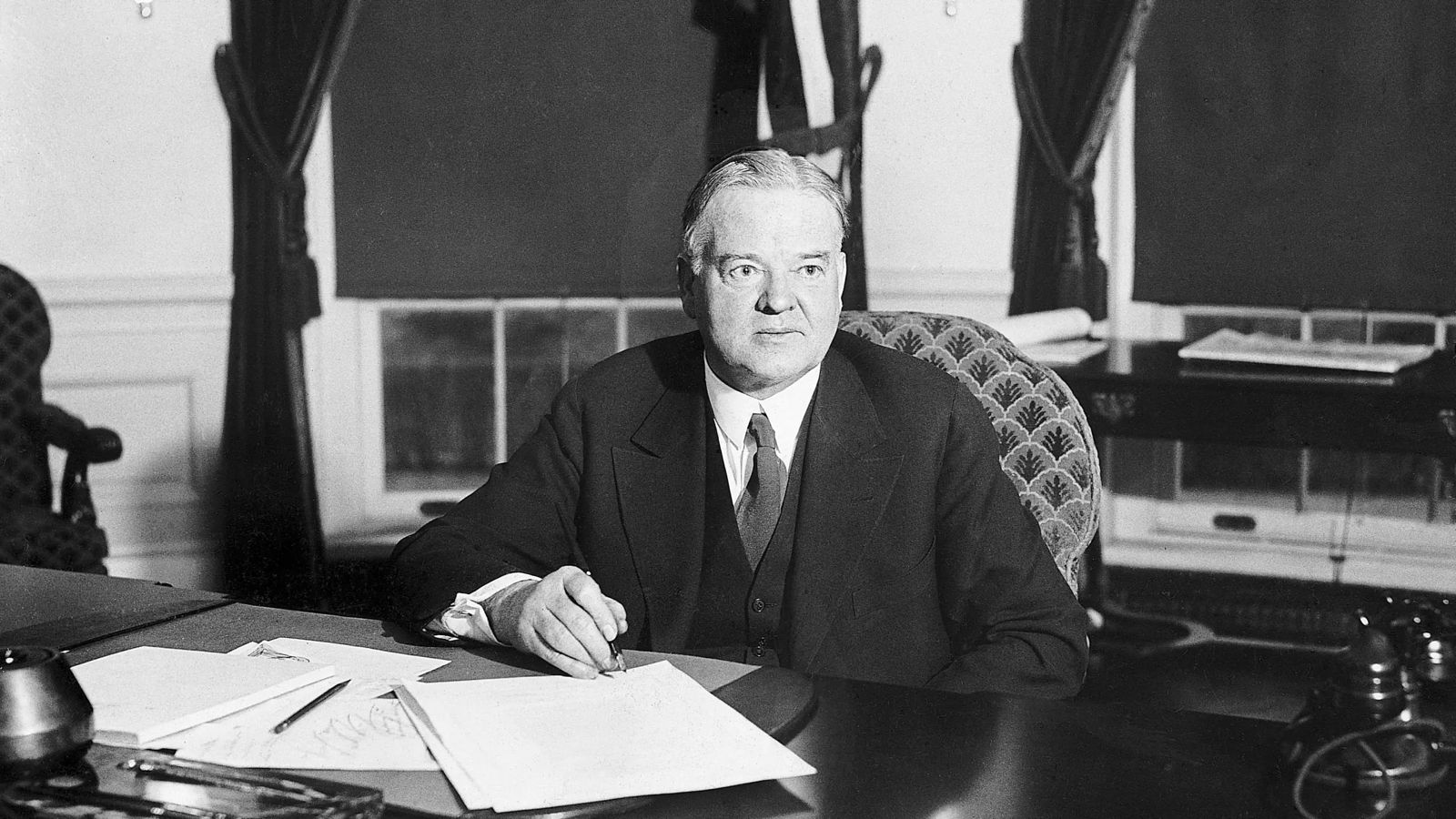
Amid the continuing economic crisis, President Herbert Hoover inaugurated the White House Conference on Home Building and Home Ownership today in Washington. The nationwide conference brought together more than three thousand specialists in construction, housing finance, urban planning and land law. The opening session emphasised that although the ...
Read More →
On October 23, 1892, comprehensive fire-resistant building code standards were enacted, establishing mandatory requirements for fireproof construction materials and safety features in urban buildings. These regulations emerged following devastating urban fires that had destroyed entire city blocks, prompting urgent reforms in construction practices...
Read More →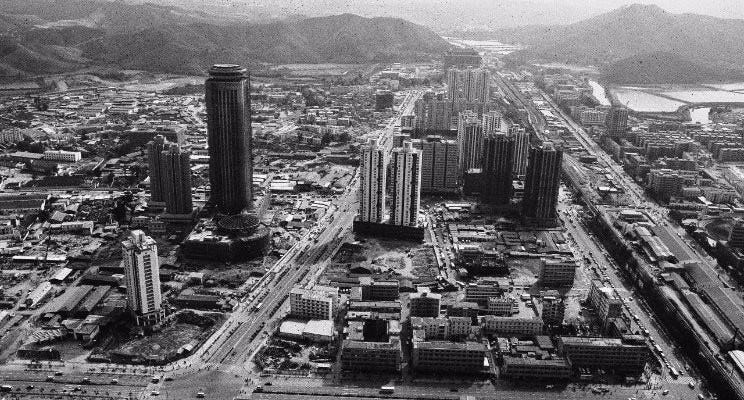
On November 17, 1982, the Chinese government initiated the Shenzhen Special Housing Corridor, one of the earliest urban housing reforms designed to manage the massive influx of workers entering the new Special Economic Zone (SEZ). Shenzhen, which had transformed from a fishing town into an industrial magnet in just two years, lacked proper housing ...
Read More →
On 27 January 1888, the National Geographic Society was established in Washington DC. The purpose of this institution was to advance understanding of the world’s lands, mountains, rivers, cities, regions, and the human and wildlife populations inhabiting them, and to document this knowledge through systematic mapping. Prior to this, land was gen...
Read More →
On November 6, 1995, the Government of Sindh embarked on one of the most ambitious urban land reform programs in Pakistan’s history the Karachi Katchi Abadi Regularization and Land Titling Initiative. The campaign was designed to bring hundreds of informal settlements, locally known as katchi abadis, into the legal urban framework. These settleme...
Read More →
The acquisition of land for the Model Town Society was one of the most remarkable and spirited chapters in its early history. Dewan Khem Chand and his...

Between 1921 and 1924, the land for Model Town Lahore was acquired in successive phases. The process began in 1921, shortly after the establishment of...
No comments yet. Be the first to comment!