
Syed Shayan Real Estate Archive
Syed Shayan Real Estate Archive
From Real Estate History
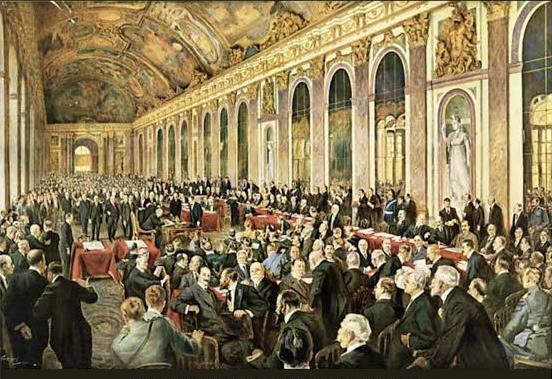
The structure of the world map and globe as they are recognised today is fundamentally rooted in the decisions taken following the Paris Peace Conference, which began on 18 January 1919.
Prior to the conference, much of the world was organised under a limited number of vast imperial systems. These included the Ottoman Empire, extending across Asia, Europe, and Africa; the Russian Empire, spanning Eastern Europe and Central Asia; the German Empire, one of Europe’s dominant military powers; and the Austro Hungarian Empire, comprising multiple ethnic and political regions within Central Europe.
The First World War brought about the collapse of these empires. In the period following the Paris Peace Conference, approximately fifteen new states and political entities appeared on the world map, replacing the Ottoman, Austro Hungarian, German, and Russian imperial structures.
The states and territories that emerged after the conference are listed below, arranged according to the empires from which they originated.
1. Ottoman Empire:
Following the First World War, this empire was divided under the Mandate System. Iraq came under British influence. Palestine and Transjordan were placed under British administrative control. Syria and Lebanon came under French administration under mandate arrangements. The Hejaz region, now part of Saudi Arabia, was recognised as an independent political entity.
2. Austro Hungarian Empire:
This transformation represented one of the most significant political reorganisations in Central Europe. Austria was reduced to a smaller German speaking state. Hungary emerged as an independent and sovereign country. Czechoslovakia was created through the unification of Czech and Slovak territories. Yugoslavia was formed by consolidating Serbia, Croatia, and Slovenia into a major Balkan state.
3. Russian Empire:
The combined effects of revolution and global war led to the emergence of several independent states. Poland was re established, drawing territory in part from Germany and Austria. Finland gained independence in Northern Europe. Estonia, Latvia, and Lithuania emerged as sovereign states collectively known as the Baltic States.
4. German Empire:
Germany experienced significant territorial reductions. A corridor was granted to Poland to provide access to the sea. Portions of German territory, including the Sudetenland, were incorporated into Czechoslovakia. Alsace Lorraine was returned to France. Danzig was designated as a Free City.
5. Africa and Asia:
Germany’s overseas colonies were redistributed among the victorious powers. Tanganyika was transferred to British control. Namibia was placed under South African and British administration. Cameroon and Togo were divided between France and Britain. Shandong, a region of China, was transferred to Japan.
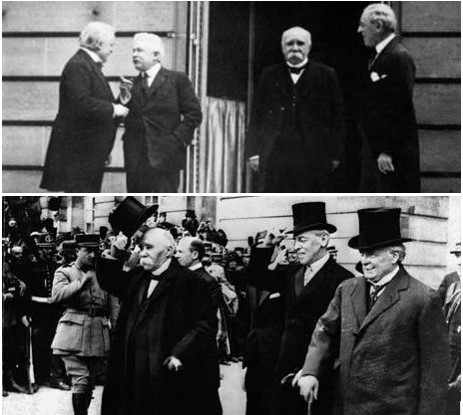
These four men constituted the central decision making authority at the Paris Peace Conference of 1919, convened in the aftermath of the First World War, and are collectively remembered as the Big Four. David Lloyd George, Prime Minister of Britain, approached the settlement with an eye to preserving the European balance of power, regulating the terms imposed upon Germany, and safeguarding British imperial and strategic interests. Georges Clemenceau, Prime Minister of France, was driven primarily by the imperative of containing Germany and securing France against any future threat. Woodrow Wilson, President of the United States, entered the conference as the advocate of a moralised peace, articulated through his Fourteen Points and the ambition of constructing a new international order. Vittorio Orlando, Prime Minister of Italy, sought recognition of Italy’s wartime sacrifices through territorial and political concessions. Taken together, the decisions of these four figures profoundly reshaped not only Europe but also the political boundaries and systems of governance imposed across the Middle East, Africa, and Asia, laying the foundations for new states, enduring conflicts, and the international order that evolved over the subsequent decades.(Syed Shayan, Editorial Head)
The four principal victorious powers of the First World War were Britain, France, the United States, and Italy, collectively known as the Big Four. Through treaties and the mandate system, these powers assumed control over the colonies and territories of the defeated empires. These mandates were established under the authority of the League of Nations, resulting in vast regions of the Middle East, Africa, and Asia being placed under new systems of governance and newly defined borders, often without the consent of local populations.
From a historical perspective, the Paris Peace Conference represented not merely a settlement of war but a reconfiguration of the global balance of power. The victorious states reshaped the emerging international order in accordance with their strategic interests. Although the conference formally concluded the First World War, the creation of artificial borders and the implementation of the mandate system generated enduring instability in Europe and the Middle East. These imbalances contributed to the rise of nationalist and revisionist politics in Europe, ultimately leading to the Second World War. In the Middle East, the continuing conflict between Palestine and Israel, wars involving Egypt and other Arab states, and persistent regional instability constitute a direct historical legacy of the colonial divisions established at Paris. While the conference laid the foundations of the modern world map, it also left unresolved conflicts that continue to influence global politics and human suffering more than a century later.
▪️Syed Shayan Real Estate Archive
▪ Reference(s):
آج ہم دنیا کا جو نقشہ (world map) اور گلوب دیکھتے ہیں، ان کی بنیادی ساخت انہی فیصلوں کا نتیجہ ہے جو 18 جنوری 1919 کو شروع ہونے والی پیرس امن کانفرنس کے بعد کیے گئے۔
اس کانفرنس سے پہلے دنیا کا بڑا حصہ چند بڑی سلطنتوں یعنی ایمپائرز میں تقسیم تھا، جن میں سلطنتِ عثمانیہ شامل تھی جو ایشیا، یورپ اور افریقہ کے تین براعظموں میں پھیلی ہوئی تھی، روسی سلطنت جو مشرقی یورپ سے وسطی ایشیا تک وسیع علاقے پر قابض تھی، جرمن سلطنت جو یورپ کی ایک بڑی عسکری طاقت تھی، اور آسٹریا ہنگری سلطنت جو وسطی یورپ کے متعدد قومیتی خطوں پر مشتمل تھی۔
پہلی عالمی جنگ کے نتیجے میں ان سلطنتوں کا خاتمہ ہوا، اور پیرس امن کانفرنس کے بعد عثمانی، آسٹریا ہنگری، جرمن اور روسی سلطنتوں کی جگہ تقریباً پندرہ نئی ریاستیں اور سیاسی اکائیاں دنیا کے نقشے پر سامنے آئیں۔
اس کانفرنس کے بعد ابھرنے والی ریاستوں اور تقسیم شدہ خطوں کو سلطنتوں کے لحاظ سے ترتیب وار ذیل میں درج کیا جا رہا ہے:
1. عثمانی سلطنت (Ottoman Empire) سے نکلنے والے خطے:
پہلی عالمی جنگ کے بعد اس عظیم سلطنت کو “مینڈیٹ سسٹم” کے تحت تقسیم کیا گیا:
عراق: برطانیہ کے زیرِ اثر آیا۔
فلسطین اور اردن: برطانیہ کے انتظامی کنٹرول میں دیے گئے۔
شام اور لبنان: فرانس کے زیرِ انتظام (Mandate) چلے گئے۔
حجاز (موجودہ سعودی عرب کا حصہ): ایک آزاد مملکت کے طور پر تسلیم کیا گیا۔
2. آسٹریا ہنگری سلطنت سے بننے والی ریاستیں:
یہ وسطی یورپ کی سب سے بڑی تبدیلی تھی:
آسٹریا: ایک چھوٹی جرمن زبان بولنے والی ریاست رہ گئی۔
ہنگری: ایک الگ اور خود مختار ریاست بنا۔
چیکوسلواکیہ: چیک اور سلوواک علاقوں کو ملا کر نئی ریاست بنی۔
یوگوسلاویہ: سربیا، کروشیا اور سلووینیا کو ملا کر بلقان کی ایک بڑی ریاست تشکیل دی گئی۔
3. روسی سلطنت (Russian Empire) سے الگ ہونے والی ریاستیں:
روس میں انقلاب اور عالمی جنگ کے نتیجے میں درج ذیل ممالک آزاد ہوئے:
پولینڈ: (اس کا کچھ حصہ جرمنی اور آسٹریا سے بھی لیا گیا)۔
فن لینڈ: شمالی یورپ میں ایک آزاد ریاست کے طور پر ابھرا۔
ایسٹونیا، لیٹویا اور لتھوانیا: انہیں “بالٹک ریاستیں” کہا جاتا ہے، یہ سب اسی دور میں آزاد ہوئیں۔
4. جرمن سلطنت (German Empire) کی تقسیم:
جرمنی کے رقبے میں کٹوتی کر کے درج ذیل تبدیلیاں کی گئیں:
پولینڈ کو کوریڈور (Corridor) دینا: جرمنی کا کچھ علاقہ پولینڈ کو دے دیا گیا تاکہ اسے سمندر تک رسائی ملے۔
چیکوسلواکیہ: کچھ جرمن علاقے (Sudetenland) اس نئی ریاست کا حصہ بنے۔
السیس لورین (Alsace Lorraine): یہ علاقہ واپس فرانس کو دے دیا گیا۔
ڈنزیگ (Danzig): اسے ایک “آزاد شہر” (Free City) قرار دیا گیا۔
5. افریقہ اور ایشیا میں نوآبادیاتی تقسیم:
جرمنی کی افریقی نوآبادیات کو فاتح طاقتوں نے آپس میں بانٹ لیا:
تنزانیہ (برطانیہ کو ملا)
نمیبیا (جنوبی افریقہ اور برطانیہ کو ملا)
کیمرون اور ٹوگو (فرانس اور برطانیہ کے درمیان تقسیم ہوئے)
شانڈونگ (چین کا علاقہ جو جاپان کو دے دیا گیا)
یہ چار شخصیات پیرس امن کانفرنس 1919 میں پہلی عالمی جنگ کے بعد فیصلے کرنے والی مرکزی طاقتیں تھیں، جنہیں تاریخ میں Big Four کہا جاتا ہے۔ ان میں ڈیوڈ لائیڈ جارج برطانیہ کے وزیرِاعظم تھے، جو جنگ کے بعد یورپ میں طاقت کے توازن، جرمنی پر عائد کی جانے والی شرائط اور برطانوی مفادات کے تحفظ کے نمائندہ سمجھے جاتے تھے۔ جارج کلیمنسو فرانس کے وزیرِاعظم تھے، جن کی بنیادی ترجیح جرمنی کو کمزور رکھنا اور فرانس کی قومی سلامتی کو یقینی بنانا تھی۔ ووڈرو ولسن امریکہ کے صدر تھے، جو امن کے لیے اپنے مشہور چودہ نکات اور ایک نئے بین الاقوامی نظم کے تصور کے علمبردار کے طور پر سامنے آئے، جبکہ ویٹوریو اورلینڈو اٹلی کے وزیرِاعظم تھے، جو جنگ میں شرکت کے بدلے علاقائی مطالبات اور سیاسی فوائد کے خواہاں تھے۔ مختصر یہ کہ انہی چار شخصیات کے فیصلوں نے نہ صرف یورپ بلکہ مشرقِ وسطیٰ، افریقہ اور ایشیا کی سرحدوں اور حکمرانی کے نظام پر گہرے اور دیرپا اثرات مرتب کیے، اور یہی فیصلے بعد کی دہائیوں میں نئی ریاستوں کے قیام، بڑے تنازعات اور عالمی سیاسی بندوبست کی بنیاد بنے۔ ( سید شایان۔ ایڈیٹوریل ہیڈ)
اس کانفرنس میں جنگ عظیم کے چار بڑے فاتح ممالک برطانیہ، فرانس، امریکہ اور اٹلی تھے، جنہیں اس دور میں Big Four کہا گیا۔ ان فاتح طاقتوں نے شکست خوردہ سلطنتوں کی نوآبادیات اور علاقوں کو معاہدات اور مینڈیٹ نظام کے ذریعے اپنے کنٹرول میں لے لیا۔ یہ مینڈیٹس League of Nations کے تحت قائم کیے گئے، جس کے نتیجے میں مشرقِ وسطیٰ، افریقہ اور ایشیا کے وسیع خطے مقامی عوام کی مرضی کے بغیر نئی سرحدوں اور نئی حکمرانی کے نظام کے تابع ہو گئے۔
تاریخی زاویے سے دیکھا جائے تو پیرس امن کانفرنس محض ایک امن معاہدہ نہیں بلکہ طاقت کے توازن (balance of power) کی نئی تشکیل تھی، جس میں فاتح طاقتوں نے عالمی نظم (new world order) کو اپنے مفادات کے مطابق ازسرِ نو ترتیب دیا۔ اگرچہ اس کانفرنس نے پہلی عالمی جنگ کا رسمی اختتام کیا، مگر مقامی آبادیوں کی خواہشات کو نظرانداز کرتے ہوئے کی گئی سرحدی تقسیم (artificial borders) اور مینڈیٹ نظام (mandate system) نے یورپ اور مشرقِ وسطیٰ میں دیرپا عدم استحکام کو جنم دیا۔ یہی غیر متوازن فیصلے یورپ میں انتقامی سیاست اور قوم پرستی کے فروغ کا باعث بنے، جو بالآخر دوسری عالمی جنگ کی صورت میں سامنے آئے، جبکہ مشرقِ وسطیٰ میں آج تک جاری فلسطین اور اسرائیل کا تنازع، مصر اور دیگر عرب ریاستوں کی جنگیں، اور خطے میں مسلسل کشیدگی اسی امن کانفرنس کی نوآبادیاتی تقسیم کا تاریخی تسلسل ہیں۔ پیرس امن کانفرنس نے جہاں جدید دنیا کے نقشے کی بنیاد رکھی، وہیں اس نے ایسے unresolved conflicts چھوڑے جو ایک صدی گزرنے کے باوجود آج بھی عالمی سیاست اور انسانی المیے کی صورت میں ہمارے سامنے موجود ہیں۔
▪️ سید شایان ریئل اسٹیٹ آرکائیو
On October 31, 2003, the Petronas Towers in Kuala Lumpur, Malaysia, officially claimed the title of the world's tallest residential building, marking a major milestone in architectural and urban innovation. Standing 452 meters tall, the twin towers symbolized Malaysia’s rapid modernization and its emergence as a global real estate powerhouse. Des...
Read More →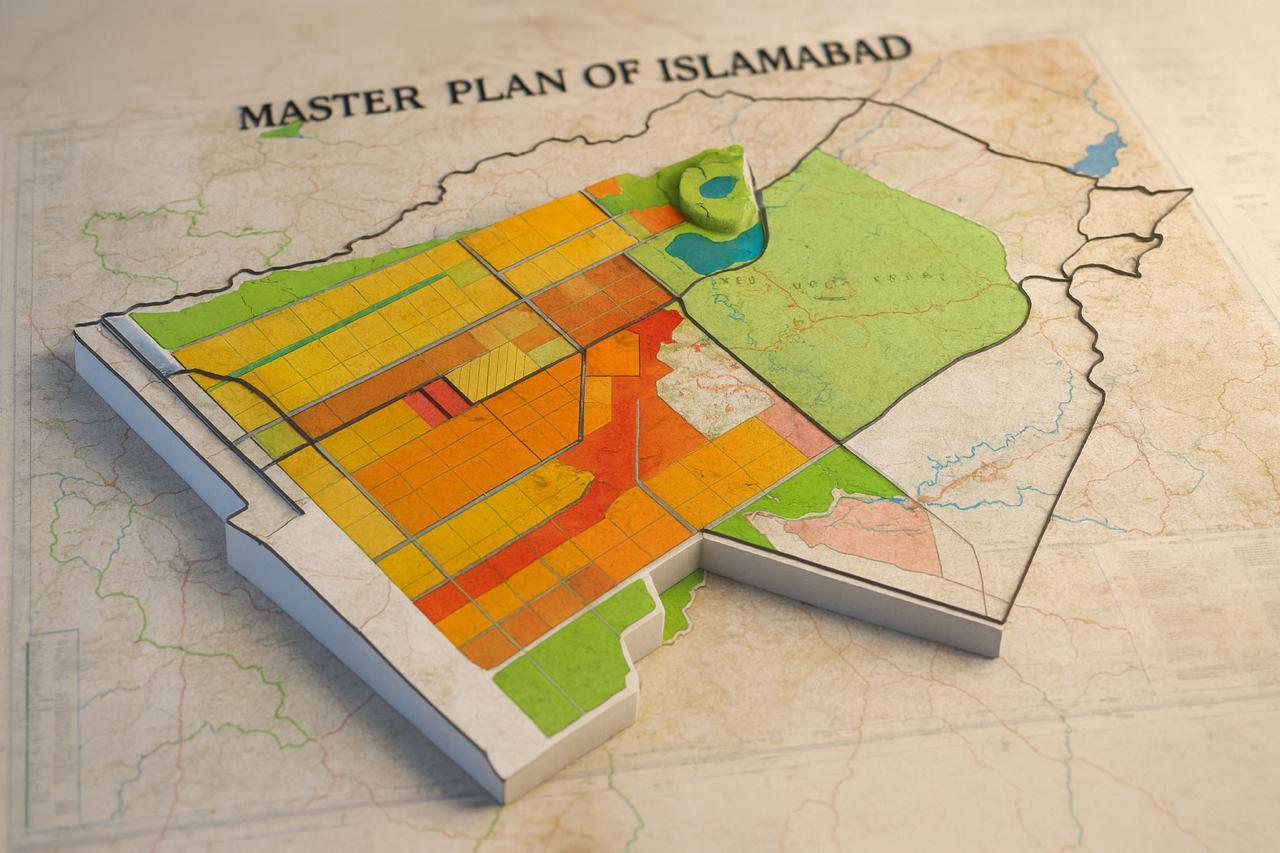
On 4 December 2002, the federal government approved the first comprehensive technical review of Islamabad’s 1960 master plan. The cabinet was informed that rapid population growth, uncontrolled commercialisation and extensive public and private construction had fundamentally altered the original plan, while land-use patterns and designated green...
Read More →On November 20, 1984, the Shenzhen Municipal Government enacted the Bao’an Coastal Urban Greenline Ordinance, a pioneering environmental-urban regulation designed to preserve ecological corridors during the city’s early industrial boom. In the mid-1980s, Shenzhen was rapidly transitioning from a fishing town into China’s premiere Special Econ...
Read More →
In 1994, the Azad Jammu and Kashmir government initiated the Muzaffarabad Urban Housing Expansion Program the region’s first comprehensive plan to manage population growth and prevent unregulated sprawl. The initiative sought to formalize land use around the Jhelum and Neelum river basins, introduce zoning laws, and develop affordable housing sec...
Read More →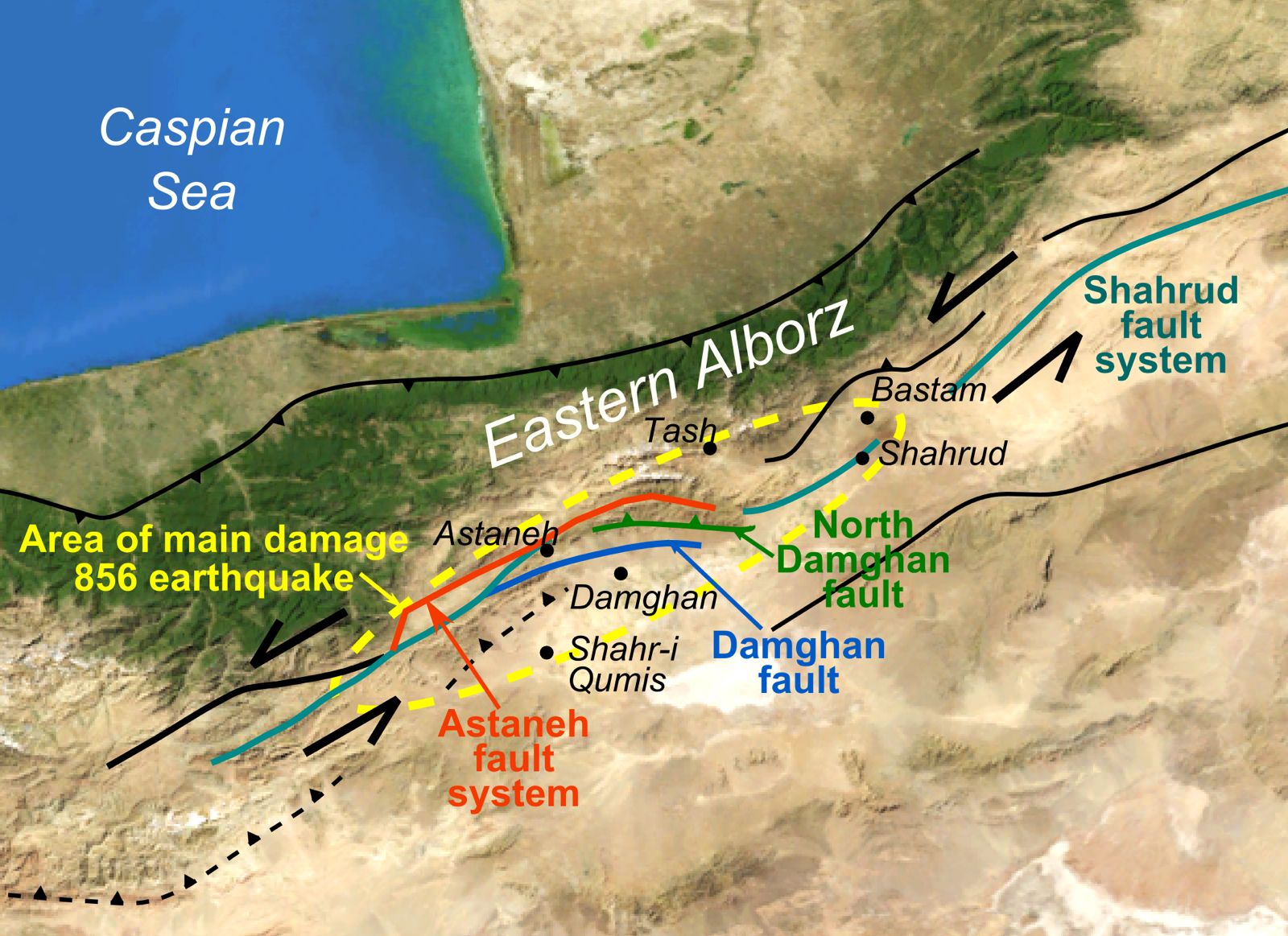
Approximately 1,169 years ago, on 22 December 856 AD, a devastating earthquake struck the city of Damghan and its surrounding areas in the northern region of Qumis in Persia, present day Iran. Contemporary historical accounts and later scholarly records agree that this earthquake ranks among the most destructive natural disasters in human history i...
Read More →
The acquisition of land for the Model Town Society was one of the most remarkable and spirited chapters in its early history. Dewan Khem Chand and his...
Between 1921 and 1924, the land for Model Town Lahore was acquired in successive phases. The process began in 1921, shortly after the establishment of...
No comments yet. Be the first to comment!