
Syed Shayan Real Estate Archive
Syed Shayan Real Estate Archive
From Real Estate History
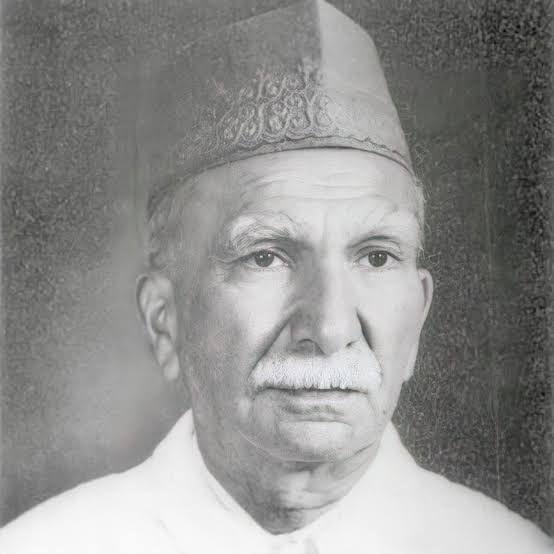
Born on 7 January 1886, Jamshed Nusserwanjee Mehta’s life story is inseparable from the transformation of Karachi itself, from a small harbour settlement into an organised modern metropolis.
Owing to his services, Karachi was at the time referred to as the Paris of the East, a city whose streets and buildings rivalled those of Paris and London in cleanliness, order, and civic discipline.
He belonged to a middle class Parsi family. Upon entering practical life, he established his identity not only through commerce but equally through social service.
When Jamshed Nusserwanjee Mehta was elected a member of the Karachi municipal institution in 1911, the city was expanding rapidly in both population and area, yet its administrative structure remained weak and poorly coordinated. Essential civic matters such as clean water supply, drainage, sanitation, roads, and residential planning operated without any coherent system. Through sustained effort, close observation, and administrative experience, he succeeded in formulating building by laws for Karachi that for the first time subjected construction to defined principles. These regulations prescribed minimum road widths, building heights, protection of footpaths, access to light and ventilation, and clear separation of residential and commercial zones, ensuring that no construction obstructed civic life. These by laws later became the foundation of Karachi’s urban planning framework.
Subsequently, from 1922 to 1933, he served continuously for eleven years as President of the Karachi Municipality, as the office of Mayor had not yet been formally established during that period. In recognition of his long and effective services, when the Karachi Municipality was granted the status of a Municipal Corporation in 1933, he was appointed the first Mayor of Karachi. Although his tenure as Mayor lasted only one year from 1933 to 1934, he remained the city’s chief administrative head for a total of twelve years.
The grand Municipal Corporation building on M A Jinnah Road stands as a visible testament to the vision and labour of Jamshed Nusserwanjee Mehta, the architect of modern Karachi. The foundation stone of this historic structure was laid in 1927, and its construction was completed during his presidency. Built primarily of yellow Jodhpur stone, with sections using local Gizri stone, the building set a lasting architectural standard for Karachi, defining the form and character appropriate to the city’s civic structures.
The building was formally inaugurated in 1932. Its most distinctive feature, the tall clock tower, remained for decades a defining landmark of the city. When Karachi was elevated to the status of a Municipal Corporation in 1933, Jamshed Nusserwanjee Mehta assumed office as the city’s first Mayor within this very building. It continues to function as Karachi’s administrative centre and stands as a reminder of the high construction standards and urban planning ideals of his era.
The period from 1922 to 1934 under Jamshed Nusserwanjee Mehta is regarded as the golden age of Karachi’s construction and development. During his presidency and mayoralty, numerous buildings and projects were completed that continue to be sources of pride for the city. According to authenticated historical records, the major works and developments of his tenure include the following.
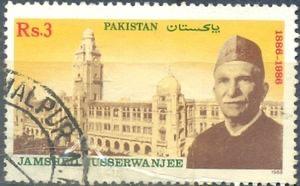
Since Jamshed Nusserwanjee Mehta was born in 1886, his centenary logically fell in 1986. However, the commemorative postage stamp was issued by Pakistan Post on 7 January 1988. According to historical records, the primary reasons for this delay lay in the extended governmental approval process, as the issuance of commemorative stamps requires clearance from the Postage Stamps Advisory Committee, followed by design preparation and printing, a process that commonly takes one to two years. In addition, centenary commemorations of prominent figures are often not confined to a single day but extend over one or two years. In this case, the centenary observances of Jamshed Nusserwanjee Mehta commenced in 1986, and the issuance of the stamp in 1988 formed part of the formal conclusion of these commemorations. Furthermore, the period between 1986 and 1988 was marked by political and administrative transitions in Pakistan, during which delays in the release of official commemorative items were not uncommon. Similar precedents exist in Pakistan’s history, where commemorative stamps or coins relating to figures such as Allama Iqbal and Quaid e Azam were issued one or two years later than their actual birth anniversaries. The crucial point in this instance is that the stamp clearly bore the word Centenary, confirming that it was issued expressly to mark the hundredth anniversary of Jamshed Nusserwanjee Mehta’s birth.(Explanatory Note: Syed Shayan, Editorial Head, Syed Shayan Real Estate Archive)
Jamshed Memorial Hall was constructed specifically for the Theosophical Society. As Jamshed Nusserwanjee Mehta was an active member of the Society, he played a central role in its establishment.
The Karachi Chamber of Commerce and Industry building on I I Chundrigar Road was completed in 1934. Its planning and municipal approval were granted during the administrative tenure of Jamshed Nusserwanjee Mehta.
Although work on Jahangir Kothari Parade and Lady Lloyd Pier at Clifton had commenced earlier, their refurbishment and organisation as a structured public recreational space were finalised during his period of administration.
In the field of health and education, major efforts were undertaken for the expansion of Lady Dufferin Hospital, providing improved facilities, and dozens of primary school buildings were constructed across Karachi. These schools were designed to be airy and well lit.
In residential planning, organised housing schemes such as Jamshed Quarters and Parsi Colony were developed. These represented some of the earliest planned residential settlements in Karachi, characterised by wide roads and regulated layouts.
Beyond buildings, he established a comprehensive system of water supply both above and below ground. Improvements to the Dumlottee Water Works and the construction of water pumping stations at various locations across the city were carried out during his tenure, forming one of the most advanced systems in the subcontinent at the time.
A notable feature common to all buildings constructed during his period was the emphasis on wide roads and natural airflow. He enforced regulations ensuring that no building could be constructed in a manner that narrowed public roads.
It is these outstanding contributions that led the citizens of Karachi to remember him with the title Baba e Karachi.
Jamshed Nusserwanjee Mehta passed away on 1 August 1952. However, the Karachi inherited by Pakistan had already been shaped during his tenure. The port, the roads, municipal order, and the concept of regulated land use all stem from that formative era.
In recognition of his services, the Government of Pakistan issued a commemorative postage stamp on 7 January 1988 to mark the centenary of his birth. In later historical and academic references, he came to be remembered with the title Maker of Modern Karachi.
▪️Syed Shayan Real Estate Archive
▪ Reference(s):
7 جنوری 1886 کو پیدا ہونے والے جمشید نسرونجی مہتا (Jamshed Nusserwanjee Mehta) کی کہانی دراصل کراچی کے ایک بندرگاہی قصبے سے جدید شہر بننے کی کہانی ہے۔
جمشید نسرونجی کی خدمات کی وجہ سے کراچی کو اس وقت “مشرق کا پیرس” کہا جاتا تھا، جہاں کی عمارتیں اور سڑکیں اپنی صفائی اور ترتیب میں پیرس اور لندن کا مقابلہ کرتی تھیں۔
ان کا تعلق ایک متوسط پارسی گھرانے سے تھا۔ عملی زندگی میں قدم رکھتے ہی انہوں نے تجارت کے ساتھ ساتھ سماجی خدمت کو اپنی شناخت بنایا۔
1911 میں جب جمشید نسرونجی مہتا کراچی میونسپل ادارے کے رکن منتخب ہوئے تو اس وقت کراچی آبادی اور رقبے کے لحاظ سے تیزی سے پھیل رہا تھا، مگر شہر کا انتظامی ڈھانچہ کمزور اور غیر مربوط تھا اور صاف پانی، نکاسی آب، صفائی، سڑکوں اور رہائشی منصوبہ بندی جیسے بنیادی شہری معاملات کسی واضح نظام کے تحت نہیں تھے۔ چنانچہ اپنی مسلسل محنت، مشاہدے اور انتظامی تجربے کے نتیجے میں وہ اس قابل ہوئے کہ انہوں نے کراچی کے لیے ایسے بلڈنگ بائی لاز تیار کروائے جنہوں نے پہلی مرتبہ شہر کی تعمیر کو باقاعدہ اصولوں کا پابند بنایا۔ ان ضابطوں کے تحت سڑکوں کی کم از کم چوڑائی، عمارتوں کی اونچائی، فٹ پاتھوں کی حفاظت، روشنی اور ہوا کی آمد و رفت، اور رہائشی و تجارتی علاقوں کی حد بندی کو لازم قرار دیا گیا، تاکہ کوئی بھی تعمیر شہری زندگی میں رکاوٹ نہ بنے۔ یہی بائی لاز بعد میں کراچی کی شہری منصوبہ بندی کی بنیاد بنے۔
بعد ازاں وہ 1922 سے 1933 تک مسلسل گیارہ برس کراچی میونسپلٹی کے صدر (President) کے عہدے پر فائز رہے، کیونکہ اس عرصے میں میئر کا عہدہ باضابطہ طور پر موجود نہیں تھا۔ ان کی طویل اور مؤثر خدمات کے اعتراف میں، جب 1933 میں کراچی میونسپلٹی کو میونسپل کارپوریشن کا درجہ دیا گیا تو انہیں کراچی کا پہلا میئر مقرر کیا گیا۔ اگرچہ بطور میئر ان کا دورانیہ 1933 سے 1934 تک صرف ایک سال رہا، تاہم مجموعی طور پر وہ بارہ برس تک کراچی کے اعلیٰ انتظامی سربراہ رہے۔
کراچی کے ایم اے جناح روڈ پر واقع میونسپل کارپوریشن کی عظیم الشان عمارت جدید کراچی کے معمار، جمشید نسرونجی مہتا کے وژن اور محنت کا منہ بولتا ثبوت ہے۔ اس تاریخی عمارت کا سنگِ بنیاد سنہ 1927 میں رکھا گیا اور اس کی تعمیر جمشید نسرونجی کے دورِ صدارت میں مکمل ہوئی۔ جودھ پور کے زردی مائل پتھر جبکہ کچھ حصوں میں “گزری” (کراچی کے پیلے مقامی پتھر) سے بننے والی اس عمارت کی تعمیر نے بعد میں بننے والی کراچی کی تمام عمارتوں کے لیے ایک معیار مقرر کر دیا کہ اس شہر کو کس انداز اور کس رنگ و روپ کی عمارتوں کی ضرورت ہے۔
چونکہ جمشید نسرونجی مہتا 1886 میں پیدا ہوئے تھے، اس اعتبار سے ان کی صد سالہ سالگرہ 1986 میں بنتی تھی، تاہم Pakistan Post کی جانب سے یادگاری ڈاک ٹکٹ 7 جنوری 1988 کو جاری کیا گیا۔ تاریخی ریکارڈز کے مطابق اس تاخیر کی بنیادی وجوہات میں سرکاری منظوری کا طویل طریقہ کار شامل تھا، کیونکہ یادگاری ڈاک ٹکٹوں کے اجرا کے لیے پوسٹیج اسٹیمپس ایڈوائزری کمیٹی کی منظوری، ڈیزائن کی تیاری اور طباعت میں عموماً ایک سے دو سال لگ جاتے ہیں۔ اس کے علاوہ اکثر بڑی شخصیات کی صد سالہ تقریبات محض ایک دن تک محدود نہیں رہتیں بلکہ ایک یا دو برس پر محیط ہوتی ہیں، چنانچہ جمشید نسرونجی مہتا کی صد سالہ تقریبات کا آغاز 1986 میں ہوا اور اسی سلسلے کی تکمیل کے طور پر یہ ڈاک ٹکٹ 1988 میں جاری کیا گیا۔ مزید برآں 1986 سے 1988 کے دوران پاکستان میں سیاسی اور انتظامی حالات بھی غیر معمولی رہے، جس کے باعث سرکاری سطح پر ایسی یادگاری اشیا کے اجرا میں تاخیر ایک معمول کی بات تھی۔ پاکستان کی تاریخ میں اس کی مثالیں پہلے بھی ملتی ہیں جہاں علامہ اقبال اور قائد اعظم سے متعلق بعض یادگاری ٹکٹ یا سکے اصل سالِ پیدائش سے ایک یا دو سال بعد جاری ہوئے، تاہم اس معاملے میں اہم نکتہ یہ ہے کہ مذکورہ ڈاک ٹکٹ پر واضح طور پر Centenary درج تھا، جو اس امر کی تصدیق کرتا ہے کہ یہ جمشید نسرونجی مہتا کی پیدائش کی صد سالہ یاد میں ہی جاری کیا گیا۔ (وضاحتی نوٹ: سید شایان ایڈیٹوریل ہیڈ: سید شایان رئیل اسٹیٹ آرکائیو)
اس عمارت کا باقاعدہ افتتاح سنہ 1932 میں ہوا۔ اس عمارت کا مرکزی خاصہ اس کا بلند و بالا گھنٹہ گھر (کلاک ٹاور) بھی ہے، جو دہائیوں تک شہر کی پہچان رہا۔ جب سنہ 1933 میں کراچی میونسپلٹی کو کارپوریشن کا درجہ دیا گیا، تو جمشید نسرونجی نے کراچی کے پہلے میئر کی حیثیت سے اسی عمارت میں اپنا دفتر سنبھالا۔ یہ عمارت آج بھی نہ صرف کراچی کے انتظامی مرکز کے طور پر قائم ہے بلکہ جمشید نسرونجی کے دور کے بلند تعمیراتی معیار اور شہری منصوبہ بندی کی یاد دلاتی ہے۔
جمشید نسرونجی مہتا کے دور (1922 سے 1934) کو کراچی کی تعمیر و ترقی کا “سنہرا دور” کہا جاتا ہے۔ ان کے دورِ صدارت اور میئر شپ کے دوران کراچی میں کئی ایسی عمارات اور منصوبے مکمل ہوئے جو آج بھی شہر کا فخر ہیں۔
مستند تاریخ کے مطابق ان کے دور میں بننے والی اہم عمارات اور منصوبے درج ذیل ہیں:
1. جمشید میموریل ہال (Jamshed Memorial Hall)
یہ عمارت خاص طور پر تھیوسوفیکل سوسائٹی کے لیے بنائی گئی تھی۔ جمشید نسرونجی اس سوسائٹی کے سرگرم رکن تھے، اس لیے اس کی تعمیر میں ان کا کلیدی کردار تھا۔
2. کراچی چیمبر آف کامرس اینڈ انڈسٹری (KCCI) بلڈنگ
آئی آئی چندریگر روڈ پر واقع کراچی چیمبر آف کامرس اینڈ انڈسٹری کی عمارت 1934 میں مکمل ہوئی۔ اس کی منصوبہ بندی اور میونسپل منظوری جمشید نسرونجی مہتا کے دورِ انتظام میں دی گئی۔
3. جہانگیر کوٹھاری پریڈ اور لیڈی لائیڈ پیئر (Clifton)
اگرچہ کلفٹن کی اس تفریح گاہ کا کچھ کام پہلے شروع ہوا تھا، لیکن اس کی تزئین و آرائش اور اسے عوام کے لیے ایک منظم تفریحی مقام کے طور پر جمشید نسرونجی کے دور میں ہی حتمی شکل دی گئی۔
4. ہسپتال اور تعلیمی ادارے
● لیڈی ڈفرن ہسپتال کی توسیع: انہوں نے صحت کے شعبے میں اس ہسپتال کی عمارت کی توسیع اور جدید سہولیات کے لیے بہت کام کیا۔
● اسکولوں کی تعمیر: ان کے دور میں کراچی کے مختلف علاقوں میں درجنوں پرائمری اسکولوں کی عمارات بنائی گئیں جن کا نقشہ ہوا دار اور روشن رکھا گیا تھا۔
5. رہائشی سکیمیں (Real Estate Projects)
● جمشید کوارٹرز: یہ اس دور کی سب سے منظم رہائشی سکیم تھی جو انہوں نے خود ڈیزائن کروائی۔
● پارسی کالونی (Parsi Colony): کراچی کے پارسی خاندانوں کے لیے ایک منظم اور خوبصورت رہائشی بستی کی تعمیر بھی انہی کے دور کی مرہونِ منت ہے۔
6. واٹر ورکس اور واٹر پمپنگ اسٹیشنز
عمارتوں کے علاوہ، انہوں نے زمین کے اندر اور اوپر پانی کی فراہمی کا ایسا نظام بنایا جو اس دور میں پورے برصغیر میں مثال تھا۔ دملوتی (Dumlottee) واٹر ورکس کی بہتری اور شہر میں مختلف مقامات پر واٹر پمپنگ اسٹیشنز کی تعمیر انہی کے دور میں ہوئی۔
دلچسپ بات یہ ہے کہ ان کے دور میں بننے والی ہر عمارت میں ایک خاص بات مشترک تھی: کشادہ سڑکیں اور ہوا کی آمد و رفت۔ انہوں نے قانون بنایا تھا کہ کوئی بھی عمارت سڑک کو تنگ کر کے نہیں بنائی جائے گی۔
یہی وہ کارہائے نمایاں ہیں کہ انہیں اہلِ کراچی بابائے کراچی کے لقب سے یاد کرتے ہیں۔
جمشید نسرونجی مہتا کا انتقال یکم اگست 1952 کو ہوا۔ مگر جو کراچی پاکستان کو ورثے میں ملا، اس کی بنیاد ان کے دور میں تیار ہو چکی تھی۔ بندرگاہ، سڑکیں، میونسپل نظم اور زمین کے استعمال کا تصور سب اسی عہد کی دین ہیں۔
حکومتِ پاکستان نے جمشید نسرونجی مہتا کی خدمات کے اعتراف میں ان کی پیدائش کی صد سالہ مناسبت سے ایک یادگاری ڈاک ٹکٹ 7 جنوری 1988 کو جاری کیا۔ بعد ازاں تاریخی اور تحقیقی حوالوں میں انہیں “Maker of Modern Karachi” کے لقب سے یاد کیا جانے لگا۔
▪️ سید شایان ریئل اسٹیٹ آرکائیو
On November 4, 1985, the Capital Development Authority (CDA) approved Islamabad's first comprehensive master plan for systematic sector development. This landmark decision established the framework for organized urban expansion, dividing the city into numbered sectors with designated residential, commercial, and green areas. The plan introduced sta...
Read More →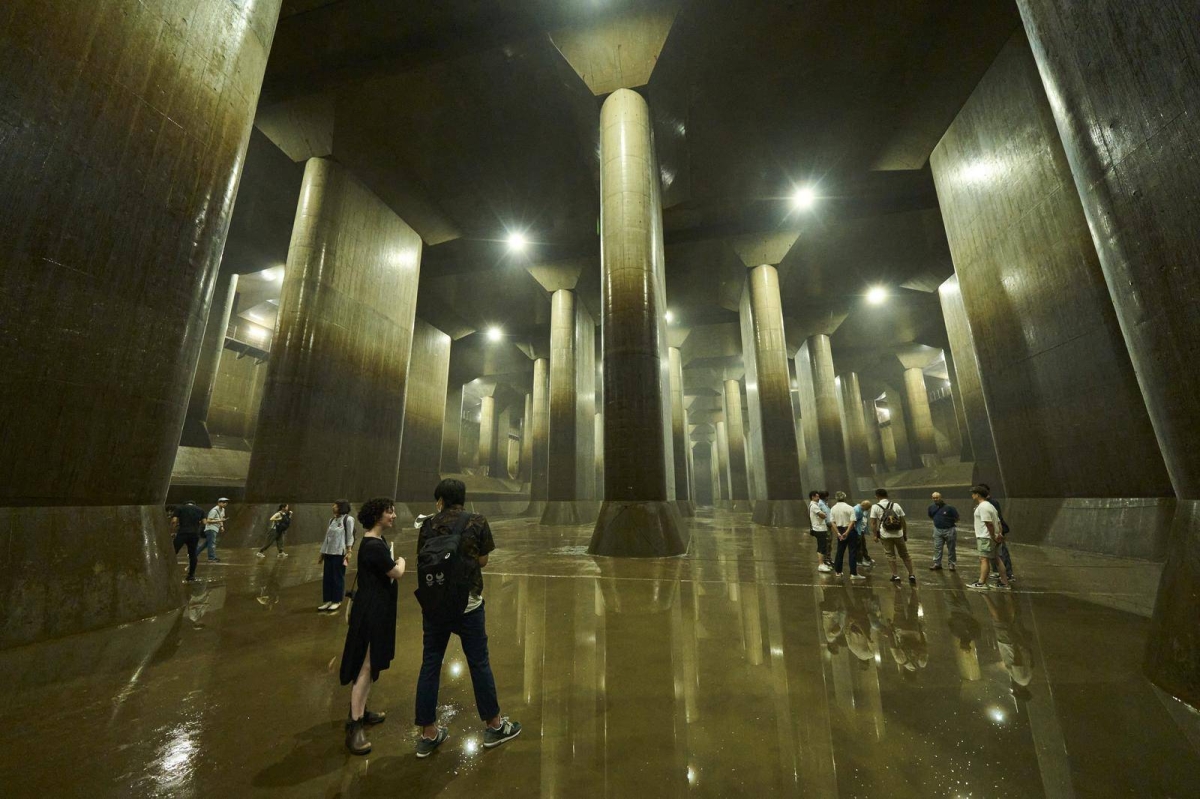
On November 21, 1979, the Tokyo Metropolitan Government released one of Japan’s earliest comprehensive flood-resilient urban infrastructure blueprints, responding to a decade of frequent typhoons and rising urban density. During the 1970s, Tokyo had experienced repeated flood emergencies due to overwhelmed drainage channels and rapid concrete exp...
Read More →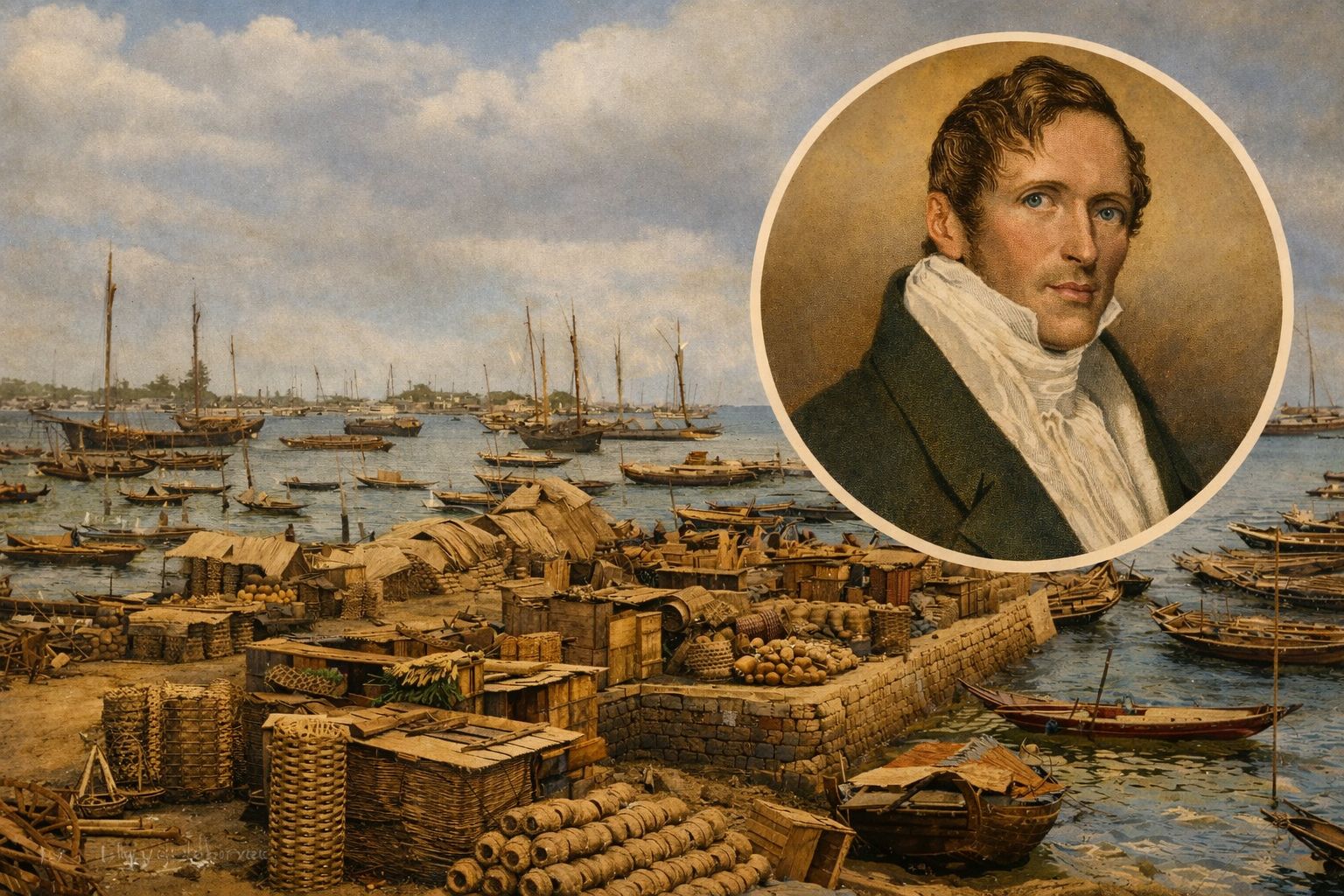
On 29 January 1819, a decision was taken that would quietly but decisively alter the course of maritime trade and urban development in Southeast Asia. On that day, Sir Stamford Raffles, a senior administrator of the British East India Company and then Lieutenant Governor of Bencoolen in Sumatra, arrived at an island that was scarcely more than a sc...
Read More →
On October 21, 1959, Pakistan launched its first House Building Finance Scheme through the House Building Finance Corporation (HBFC). This initiative aimed to provide affordable housing loans to the middle class at subsidized interest rates. The scheme significantly boosted residential construction in urban areas and enabled thousands of families t...
Read More →
In October 2013, India began the active implementation of the Land Acquisition, Rehabilitation and Resettlement Act (LARR) 2013, one of the most transformative land governance reforms in South Asia. Although the Act had been passed in September, by early October the federal government had issued operational frameworks for states to establish valuat...
Read More →
The acquisition of land for the Model Town Society was one of the most remarkable and spirited chapters in its early history. Dewan Khem Chand and his...
Between 1921 and 1924, the land for Model Town Lahore was acquired in successive phases. The process began in 1921, shortly after the establishment of...
Nice work