
Syed Shayan Real Estate Archive
Syed Shayan Real Estate Archive
From Real Estate History
On October 26, 1933, the US New Deal introduced transformative housing reforms during the Great Depression. The Home Owners' Loan Corporation (HOLC) and Federal Housing Administration (FHA) were established to prevent foreclosures, stabilize property values, and introduce long-term amortized mortgages. These initiatives revolutionized home financing by creating government-backed mortgage insurance, standardizing lending practices, and making homeownership accessible to millions. The reforms established federal oversight in housing markets, shifted risk from local banks, and laid the foundation for modern mortgage systems that would fuel post-war suburban expansion and shape American housing policy for decades.
▪ Reference(s):
26 اکتوبر 1933 کو، امریکی نیو ڈیل نے عظیم کساد بازاری کے دوران تبدیلی لانے والی ہاؤسنگ اصلاحات متعارف کروائیں۔ ہوم اوونرز لون کارپوریشن (HOLC) اور فیڈرل ہاؤسنگ ایڈمنسٹریشن (FHA) قائم کیے گئے تاکہ فورکلوژرز کو روکا جا سکے، پراپرٹی ویلیو کو مستحکم کیا جا سکے، اور طویل مدتی امورٹائزڈ رہن متعارف کروائے جا سکیں۔ ان اقدامات نے حکومتی حمایت یافتہ رہن انشورنس بنا کر، قرض دینے کے طریقوں کو معیاری بنا کر، اور لاکھوں لوگوں کے لیے گھر کی ملکیت کو قابل رسائی بنا کر ہوم فنانسنگ میں انقلاب برپا کیا۔
On October 26, 2005, the US housing bubble reached its zenith, marking the peak of unsustainable price growth that would soon trigger the global financial crisis. Property values had soared to unprecedented levels driven by speculative investments, subprime lending practices, and financial innovations that masked underlying risks. The market showed clear signs of overheating with inflated valuations, excessive leverage, and deteriorating lending standards. This peak represented the culmination of years of irresponsible lending and speculative mania that would soon unravel, leading to massive foreclosures, bank failures, and the most severe economic downturn since the Great Depression.
▪ Reference(s):
26 اکتوبر 2005 کو، امریکی ہاؤسنگ بلب اپنے عروج پر پہنچا، جو غیر پائیدار قیمتوں کی نمو کے عروج کی نشاندہی کرتا ہے جو جلد ہی عالمی مالیاتی بحران کو متحرک کرے گا۔ پراپرٹی ویلیو قیاس آرائی کی سرمایہ کاری، سب پرائم قرضے دینے کے طریقوں، اور مالیاتی اختراعات کی وجہ سے غیر معمولی سطحوں تک پہنچ گئی تھی جو بنیادی خطرات کو چھپا رہی تھیں۔

On October 26, 2012, the Federal Reserve's quantitative easing programs significantly accelerated the US real estate recovery from the financial crisis. By purchasing mortgage-backed securities and keeping interest rates at historic lows, the Fed injected substantial liquidity into housing markets, making mortgages more affordable and stimulating property demand. These unprecedented monetary interventions helped stabilize falling home prices, reduced foreclosure rates, and restored confidence in real estate markets. The programs demonstrated the powerful role central banks could play in supporting property markets during economic crises and established new precedents for monetary policy interventions in housing sectors.
▪ Reference(s):
26 اکتوبر 2012 کو، فیڈرل ریزرو کے کوانٹیٹیو ایزنگ پروگرامز نے مالیاتی بحران سے امریکی رئیل اسٹیٹ کی بحالی کو نمایاں طور پر تیز کیا۔ مارگیج بیکڈ سیکیورٹیز خریدنے اور سود کی شرحیں تاریخی حد تک کم رکھنے کے ذریعے، فیڈ نے ہاؤسنگ مارکیٹس میں کافی لیکویڈیٹی انجیکٹ کی، جس سے رہن زیادہ سستی ہو گئی اور پراپرٹی کی مانگ میں اضافہ ہوا۔

On October 26, 2018, blockchain technology began transforming real estate transactions through pilot programs testing property tokenization and smart contracts. This innovation promised to revolutionize property ownership transfers, title management, and transaction recording by creating immutable, transparent digital ledgers. Early adopters explored using blockchain for reducing fraud, streamlining closing processes, and enabling fractional property ownership through tokenization. While still in experimental stages, these initiatives demonstrated blockchain's potential to increase transaction security, reduce costs, and create new investment opportunities in real estate markets worldwide.
▪ Reference(s):
26 اکتوبر 2018 کو، بلاک چین ٹیکنالوجی نے پراپرٹی ٹوکنائزیشن اور سمارٹ کنٹریکٹس کی جانچ کے پائلٹ پروگراموں کے ذریعے رئیل اسٹیٹ لین دین کو تبدیل کرنا شروع کیا۔ اس اختراع نے ناقابل تغیر، شفاف ڈیجیٹل لیجرز بنا کر پراپرٹی کی ملکیت کی منتقلی، عنوان کے انتظام، اور لین دین کی ریکارڈنگ میں انقلاب برپا کرنے کا وعدہ کیا۔

▫رئیل اسٹیٹ، زمین، شہروں کی تقسیم، زرعی اراضی، صنعتی خطے، ساحلی پٹی، نقل و حمل کے راستوں کے لیے boundaries اور عالمی جغرافیے پر اپنے وقت کی سب سے بڑی تاریخی خبر۔ ▫اس قرارداد کو نہ ماننے کا خمیازہ آج...
مزید پڑھیں
2019 میں پاکستان نے رئیل اسٹیٹ ریگولیٹری ایکٹ (RERA) کو مکمل طور پر نافذ کیا، جو ملک کی جائیداد مارکیٹ کی جدیدیت میں ایک سنگِ میل ثابت ہوا۔ اس جامع قانون سازی نے ایک قومی سطح کا ریگولیٹری فریم ورک قائ...
مزید پڑھیں18 نومبر 1967 کو تہران نے پہلی ہائی رائز ریگولیشن پالیسی متعارف کرائی تاکہ شہر کی توسیع اور عمودی نمو کو منظم کیا جا سکے۔ 1960 کی دہائی میں تہران کم منزلہ شہر سے ایک بڑے میٹروپولیٹن مرکز میں تبدیل ہو �...
مزید پڑھیں
23 اکتوبر 1972 کو کامرسل عمارتوں کے لیے پائیدار توانائی کی کارکردگی کے معیارات نافذ کیے گئے، جس نے کامرسل تعمیرات میں توانائی کے تحفظ کے لیے پہلی جامع ضروریات قائم کیں۔ یہ ضوابط توانائی کے بحران ک�...
مزید پڑھیں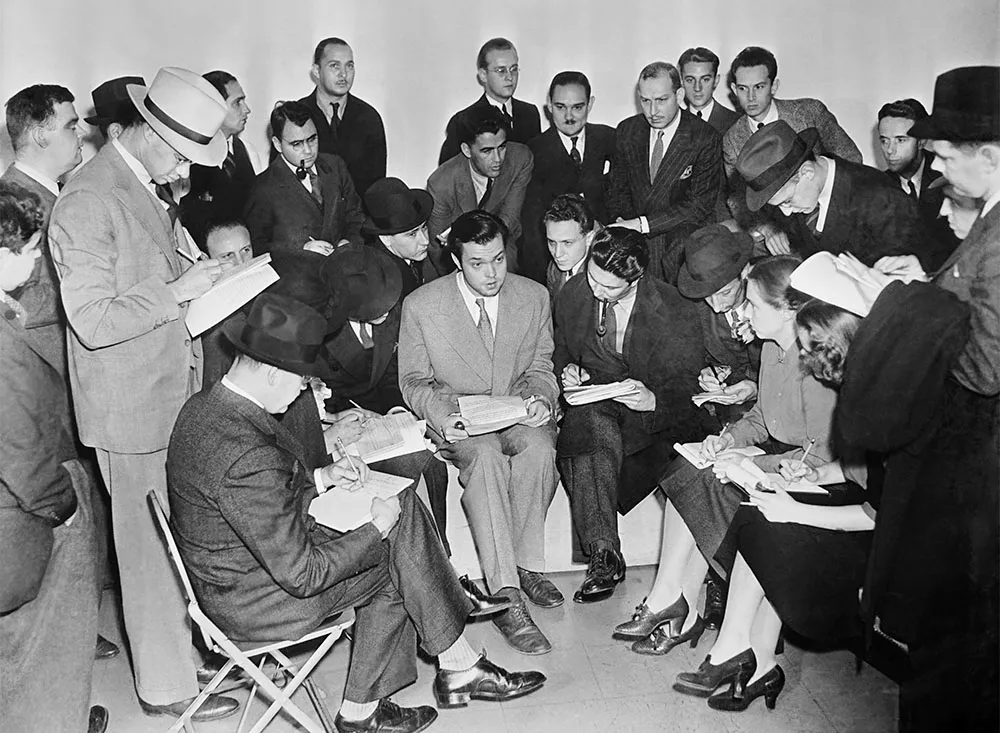
30 اکتوبر 1938 کو اورسن ویلز کے 'وار آف دی ورلڈز' کے مشہور ریڈیو براڈکاسٹ نے امریکی سامعین میں وسیع پیمانے پر خوف و ہراس پھیلایا۔ نیو جرسی کے متاثرہ علاقوں میں پراپرٹی کی قیمتیں عارضی طور پر گر گئیں ...
مزید پڑھیں
ماڈل ٹاؤن لاہور ایک جدید رہائشی سوسائٹی جو لاہور کے قدیمی جنگل میں بسائی گئی ماڈل ٹاؤن سوسائٹی کے لیے زمین کی خریداری اور حصول بھی ایک نہایت ...

ماڈل ٹاؤن سوسائٹی کی 500 ایکڑ زمین کہاں گئی؟ ماڈل ٹاؤن لاہور کی زمین 1921 سے 1924 کے درمیان مختلف مرحلوں میں خریدی گئی۔ ابتدا 1921 میں ہوئی جب...
No comments yet. Be the first to comment!