
Syed Shayan Real Estate Archive
Syed Shayan Real Estate Archive
From Real Estate History
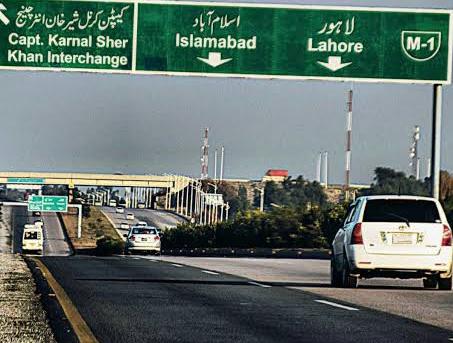
On 10 January 1992, the formal construction of the Lahore Islamabad Motorway M2 was initiated in Pakistan. On this date, the project was officially launched and approved at the government level.
This project proved to be the starting point of the modern motorway network concept in Pakistan. The Lahore Islamabad Motorway M2 was the country’s first fully developed motorway, bringing international standards of road construction, safer travel, and long term infrastructure planning into the national development agenda.
The Lahore Islamabad Motorway M2 project was launched during the first term of Prime Minister Muhammad Nawaz Sharif. Construction was undertaken by the South Korean company Daewoo Corporation on a design and build basis. The motorway is approximately 367 kilometres in length, with an estimated total cost at the time of around 23 to 25 billion rupees. Although the project remained fundamentally a Government of Pakistan initiative, Daewoo did not act solely as a contractor. It also provided financial support through supplier credit and contractor financing arrangements, which enabled the project to be completed within the planned timeframe. In subsequent years, long term concession agreements were concluded with Daewoo for the operation, maintenance, and rehabilitation of the motorway, under which toll revenues were used to recover costs and investment.
The launch of the motorway brought a significant transformation to Pakistan’s real estate geography. Planning for housing schemes, industrial zones, service areas, and commercial centres began along the motorway corridor, leading to a marked increase in land use intensity and land values in surrounding areas. Rural and semi rural zones around motorway interchanges rapidly experienced urban expansion, with residential developments accompanied by warehouses, logistics hubs, and industrial units. Improved accessibility and reduced travel time encouraged investors to move beyond the pressure of major cities and towards long term investment in motorway linked locations. As a result, land gradually shifted from agricultural use to commercial and residential purposes. This process not only increased land values but also played a fundamental role in reshaping population distribution and expanding economic activity.
The M2 motorway reinforced the idea that infrastructure is not merely a means of transportation but a key driver of land value appreciation, urban expansion, and economic growth. At the state level, it helped establish the understanding that major highways do more than connect cities. They give rise to new urban centres, industrial zones, and real estate markets. In later years, motorway, expressway, and bypass based development projects across Pakistan were planned using this very model.
The Lahore Islamabad Motorway was formally opened for public use in November 1997.
▪️Syed Shayan Real Estate Archive
▪ Reference(s):
10 جنوری 1992 کو پاکستان میں لاہور–اسلام آباد موٹر وے (M-2) کے منصوبے کی باضابطہ تعمیر کا آغاز کیا گیا۔ اس دن منصوبے کی لانچنگ اور حکومتی سطح پر منظوری کا اعلان ہوا۔
یہ منصوبہ پاکستان میں جدید موٹر وے نیٹ ورک کے تصور کا نقطۂ آغاز ثابت ہوا۔ لاہور اسلام آباد موٹر وے (M-2) ملک کی پہلی مکمل موٹر وے تھی، جس نے عالمی معیار کی سڑک، محفوظ سفر اور طویل المدتی انفراسٹرکچر منصوبہ بندی کو قومی ترقی کے ایجنڈے کا حصہ بنایا۔
لاہور اسلام آباد موٹر وے ایم ٹو کا منصوبہ وزیر اعظم محمد نواز شریف کے پہلے دورِ حکومت میں شروع کیا گیا، اور اس کی تعمیر جنوبی کوریا کی کمپنی Daewoo Corporation نے ڈیزائن کم تعمیر (Design and Build) کی بنیاد پر مکمل کی۔ یہ موٹر وے تقریباً 367 کلومیٹر طویل ہے، اور اس پر اُس وقت مجموعی طور پر تقریباً 23 سے 25 ارب روپے لاگت آئی۔ اگرچہ یہ منصوبہ بنیادی طور پر حکومت پاکستان کا تھا، تاہم Daewoo نے محض ایک ٹھیکیدار کے طور پر نہیں بلکہ سپلائر کریڈٹ (Supplier Credit) اور کنٹریکٹر فنانسنگ (Contractor Financing) کے ذریعے مالی معاونت بھی فراہم کی، جس سے منصوبہ بروقت مکمل ہو سکا۔ بعد کے برسوں میں ڈائیوو کمپنی سے موٹر وے کے آپریشن، مرمت اور بحالی کے لیے طویل المدتی کنسیشن معاہدے کیے گئے، جن کے تحت ٹول وصولی کے ذریعے اخراجات اور سرمایہ کاری کی واپسی کا انتظام کیا گیا۔
موٹر وے کے آغاز نے پاکستان میں رئیل اسٹیٹ کے جغرافیے کو نمایاں طور پر تبدیل کیا۔ موٹر وے کے اطراف ہاؤسنگ اسکیموں، صنعتی علاقوں، سروس ایریاز اور تجارتی مراکز کی منصوبہ بندی شروع ہوئی، جس کے نتیجے میں قریبی علاقوں میں زمین کے استعمال اور قیمتوں میں نمایاں اضافہ ہوا۔ موٹر وے انٹرچینجز کے گرد واقع دیہی اور نیم دیہی علاقوں نے تیزی سے شہری توسیع کی شکل اختیار کی، جہاں رہائشی منصوبوں کے ساتھ ساتھ گوداموں، لاجسٹکس مراکز اور صنعتی یونٹس قائم ہونا شروع ہوئے۔ بہتر رسائی اور کم سفری وقت نے سرمایہ کاروں کو بڑے شہروں کے دباؤ سے نکل کر موٹر وے سے منسلک علاقوں میں طویل المدتی سرمایہ کاری کی طرف راغب کیا، جس سے زمین کی نوعیت زرعی سے تجارتی اور رہائشی استعمال میں تبدیل ہوتی چلی گئی۔ اس عمل نے نہ صرف زمین کی قدر میں اضافہ کیا بلکہ آبادی کی نئی تقسیم اور معاشی سرگرمیوں کے پھیلاؤ میں بھی بنیادی کردار ادا کیا۔
ایم ٹو موٹر وے نے یہ تصور مضبوط کیا کہ انفراسٹرکچر محض نقل و حمل کا ذریعہ نہیں بلکہ زمین کی قدر میں اضافے، شہری توسیع اور معاشی سرگرمیوں کے پھیلاؤ کا بنیادی محرک بھی ہوتا ہے۔ اس منصوبے نے ریاستی سطح پر یہ فہم پیدا کیا کہ بڑی شاہراہیں شہروں کے درمیان رابطے ہی نہیں بناتیں بلکہ نئے شہری مراکز، صنعتی زونز اور رئیل اسٹیٹ مارکیٹس کو جنم دیتی ہیں۔ بعد کے برسوں میں پاکستان میں موٹر ویز، ایکسپریس ویز اور بائی پاسز پر مبنی ترقیاتی منصوبے اسی ماڈل کو سامنے رکھ کر ترتیب دیے گئے۔لاہور اسلام آباد موٹر وے کو عوامی استعمال کے لیے نومبر 1997 میں باضابطہ طور پر کھولا گیا۔
▪️ سید شایان ریئل اسٹیٹ آرکائیو
In 2019, Pakistan fully implemented the Real Estate Regulatory Act (RERA), marking a major milestone in the modernization of the country’s property market. This comprehensive legislation established a nationwide regulatory framework designed to enhance transparency, ensure fair practices, and protect the rights of property buyers and investors. U...
Read More →
On October 20, 1978, transformative zoning legislation was enacted that specifically addressed large-scale shopping center developments, creating dedicated commercial zoning categories for retail complexes. This legal framework established standards for parking requirements, traffic management, environmental impact assessments, and community benefi...
Read More →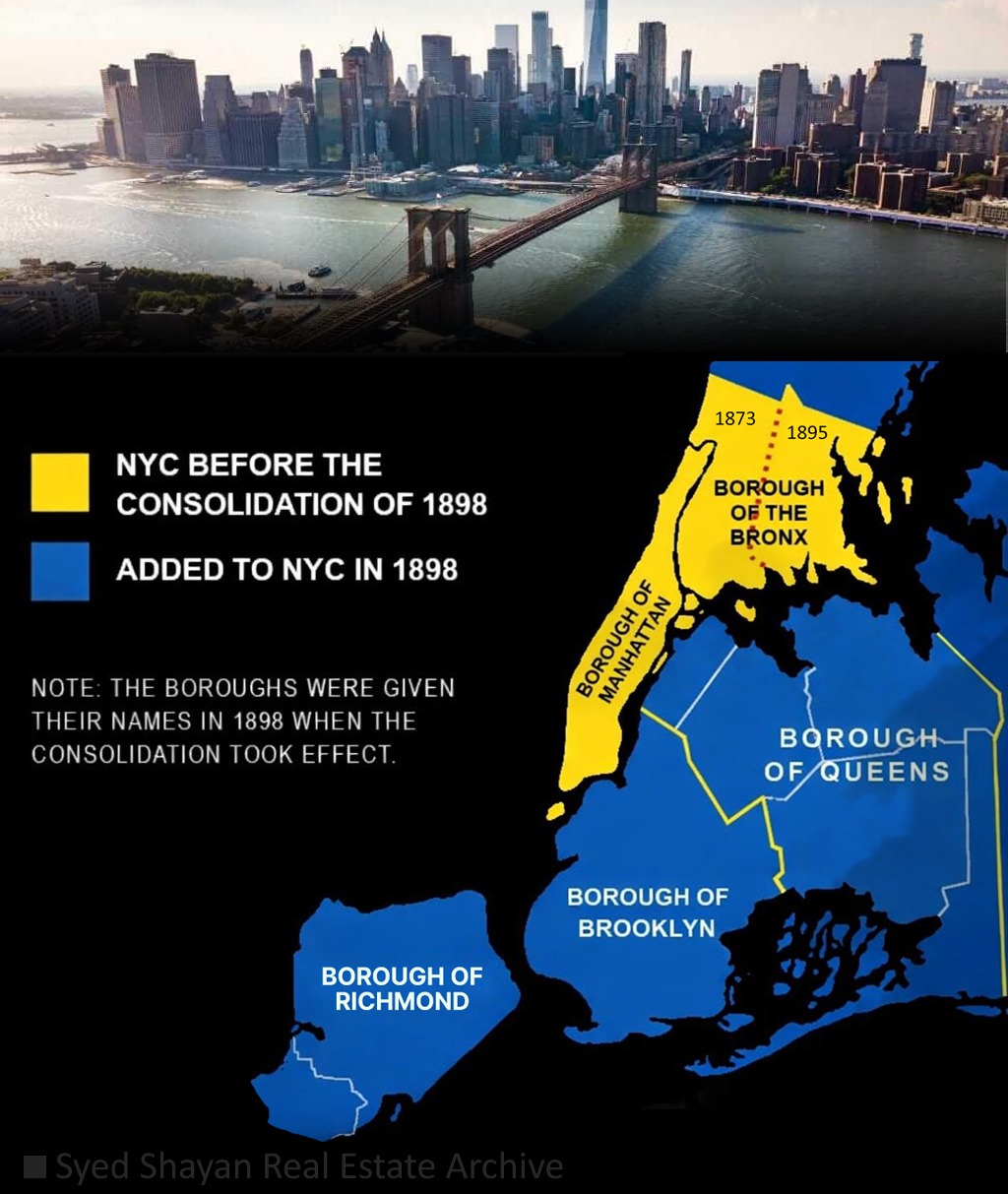
On 1 January 1898, New York City assumed its modern form in an event historically known as Greater New York. On this date, Manhattan, the Bronx, Brooklyn, Queens and Staten Island were consolidated into a single urban entity. Prior to this union, Brooklyn was an independent city and, by population, the fourth largest city in the United States, wh...
Read More →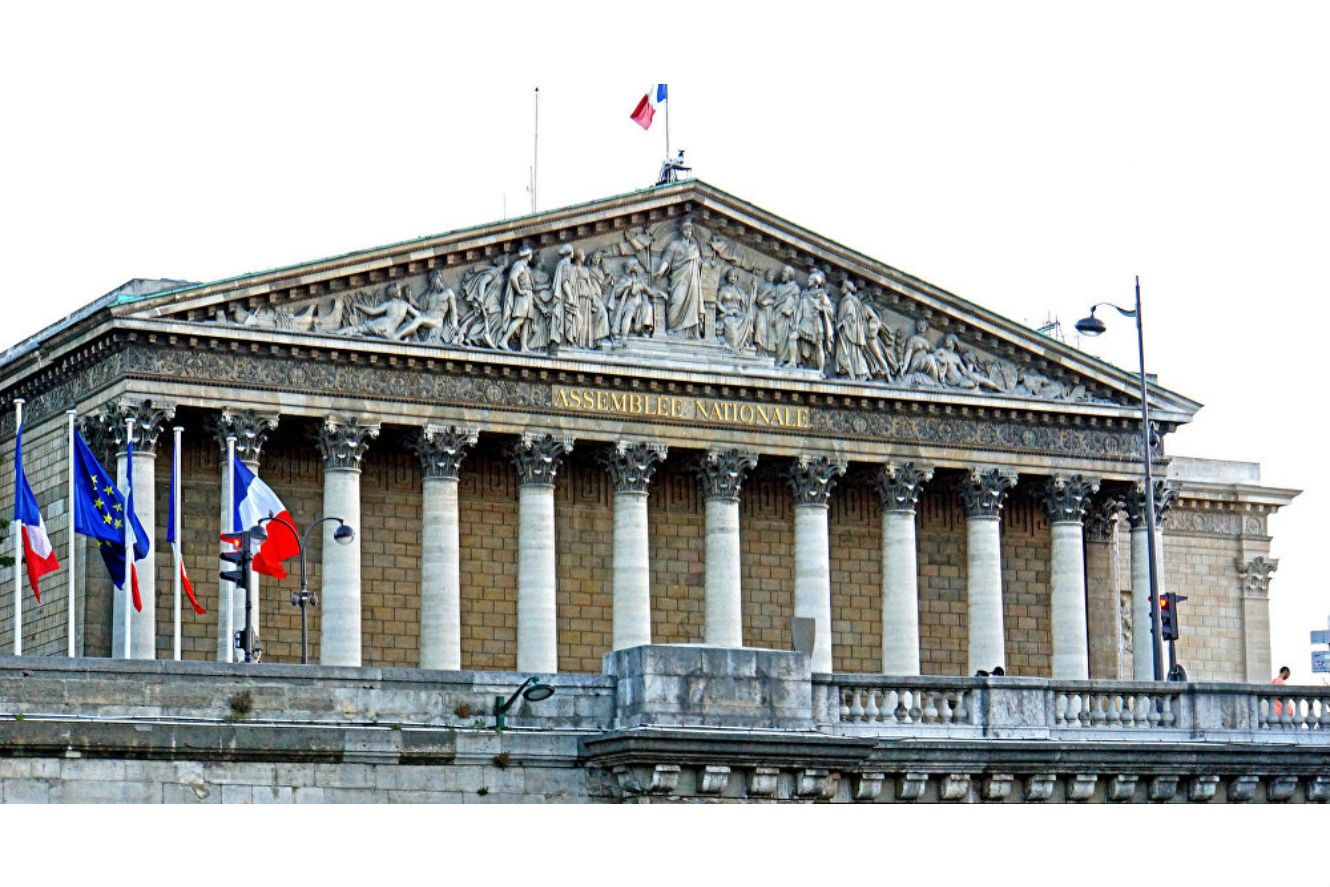
In the history of France, a draft resolution addressing the legally enforceable right to housing for ordinary citizens was formally presented to the cabinet on 17 January 2007. The French government designated this initiative as the Right to Housing, known as DALO (Droit au logement opposable). The purpose of this measure was to establish housing...
Read More →
On November 1, 2016, Pakistan inaugurated the Gwadar Free Zone under the China-Pakistan Economic Corridor (CPEC), marking a milestone in regional industrial growth. The project aimed to transform Gwadar into a global logistics and manufacturing hub connecting South Asia, the Middle East, and Africa. The zone offered tax holidays, investor incentive...
Read More →
The acquisition of land for the Model Town Society was one of the most remarkable and spirited chapters in its early history. Dewan Khem Chand and his...
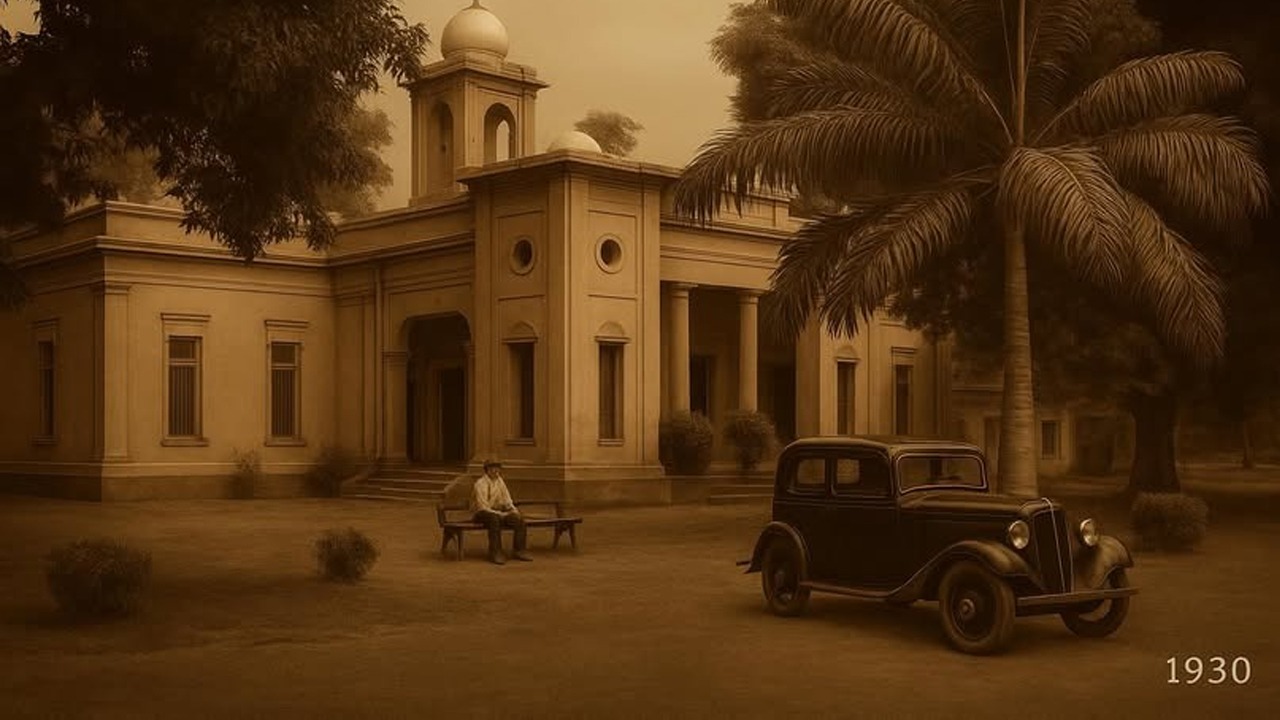
Between 1921 and 1924, the land for Model Town Lahore was acquired in successive phases. The process began in 1921, shortly after the establishment of...
No comments yet. Be the first to comment!