
Syed Shayan Real Estate Archive
Syed Shayan Real Estate Archive
From Real Estate History
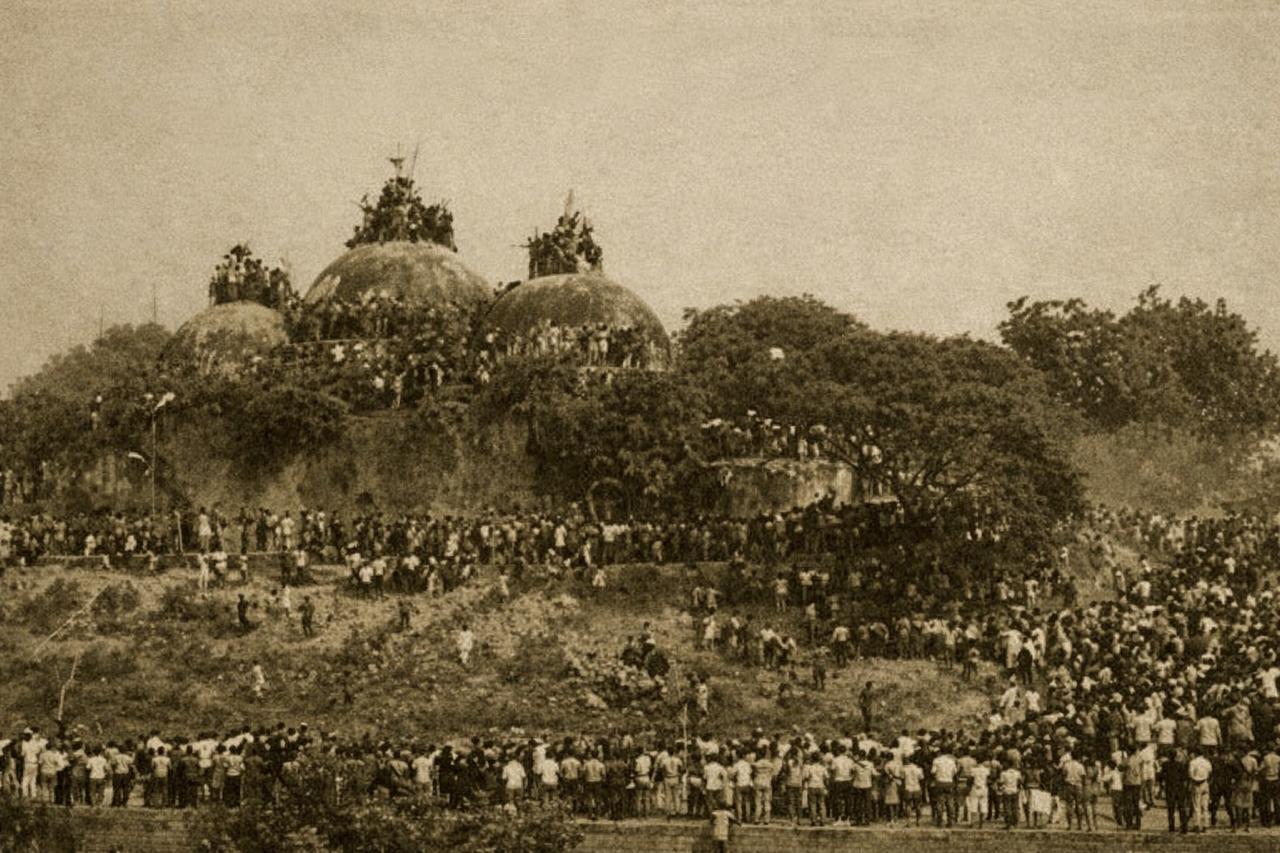
On 6 December 1992, the historic Babri Masjid in the Indian city of Ayodhya was demolished by a large crowd. This event constituted a profound religious trauma for Muslims of the subcontinent and simultaneously became the symbol of a prolonged and complex legal dispute over land and property. Its consequences continue to shape legal reasoning and social consciousness in South Asia to this day.
The legal dispute concerning the land and ownership of the Babri Masjid site in Ayodhya had, in fact, commenced several decades before this incident. The first formal legal suit relating to the land was filed in 1950 in the civil court of Faizabad, as Ayodhya at that time fell within Faizabad district. The Hindu parties argued that prior to the construction of the mosque, a Hindu temple existed at the site and that the mosque had been built upon the remains of this alleged structure. The case passed through multiple judicial stages over several decades, during which the events of 6 December 1992 occurred.
The matter later reached the Allahabad High Court, which on 30 September 2010 delivered a judgment dividing the disputed 2.77 acres of land into three equal parts. One portion was allotted to Ram Lalla Virajman, the second to the Nirmohi Akhara, and the third to the Sunni Waqf Board. This decision was challenged by all major parties before the Supreme Court of India, where the case proceeded to final adjudication.
On 9 November 2019, the Supreme Court of India delivered its final verdict in the dispute, which had spanned nearly sixty nine years. The Court set aside the land division ordered by the Allahabad High Court and awarded legal title of the disputed land to a trust representing the Hindu parties. As a measure of restitution, the state was directed to allot five acres of alternative land within Ayodhya for the construction of a mosque. In the same judgment, the Court unequivocally held that the demolition of the Babri Masjid on 6 December 1992 was an unlawful act and a clear violation of constitutional and legal principles.
This case is regarded as one of the longest running and most sensitive land and property disputes in South Asian history. At its core, the litigation revolved around the determination of lawful title to disputed land and the question of whether historical religious use could, in itself, constitute a proprietary right.
From the perspective of real estate and land law, this case has been preserved as a defining example of the principle that religious sites are, in legal terms, land and property, and that disputes relating to them are to be resolved through title, evidence, and law rather than through force or collective sentiment. The Babri Masjid Ayodhya case is now firmly recorded as a permanent and sensitive archival reference in the history of land rights in South Asia.
▪️Syed Shayan Real Estate Archive
▪ Reference(s):
6 دسمبر 1992 کو بھارت کے شہر ایودھیا میں واقع تاریخی بابری مسجد کو ایک ہجوم کے ہاتھوں شہید کر دیا گیا۔ یہ واقعہ برصغیر کی جدید تاریخ میں مسلمانوں کے لیے ایک شدید مذہبی صدمہ ثابت ہوا اور ساتھ ہی زمین اور جائیداد کے قانون کے تناظر میں ایک طویل المدت اور پیچیدہ عدالتی تنازع کی علامت بھی بن گیا، جس کے اثرات آج تک جنوبی ایشیا کے قانونی اور سماجی شعور میں محسوس کیے جاتے ہیں۔
بابری مسجد ایودھیا سے متعلق زمین اور ملکیت کا قانونی تنازع درحقیقت اس واقعے سے کئی دہائیاں قبل شروع ہو چکا تھا۔ اس زمین کے حوالے سے پہلا باقاعدہ قانونی مقدمہ 1950 میں فیض آباد کی سول عدالت میں بطور ٹائٹل سوٹ دائر کیا گیا، کیونکہ اس وقت ایودھیا انتظامی طور پر ضلع فیض آباد کا حصہ تھا۔ اس مقدمے میں ہندو فریق نے یہ مؤقف اختیار کیا کہ بابری مسجد کی تعمیر سے قبل اس مقام پر ایک ہندو مندر موجود تھا اور مسجد اسی مبینہ مندر کی جگہ پر قائم کی گئی تھی۔ یہ مقدمہ مختلف عدالتی مراحل سے گزرتا ہوا دہائیوں تک زیرِ سماعت رہا، اور اسی دوران 6 دسمبر 1992 کا سانحہ پیش آیا۔
بعد ازاں یہ تنازع الہ آباد ہائی کورٹ تک پہنچا، جہاں 30 ستمبر 2010 کو عدالت نے متنازع 2.77 ایکڑ زمین کو تین برابر حصوں میں تقسیم کرنے کا فیصلہ سنایا، جن میں ایک حصہ رام للا وراجمان، دوسرا نرموہی اکھاڑا اور تیسرا حصہ سنی وقف بورڈ کے لیے مختص کیا گیا۔ اس فیصلے کو تمام بڑے فریقین نے بھارت کی سپریم کورٹ میں چیلنج کیا، جس کے بعد مقدمہ حتمی سماعت کے لیے وہاں منتقل ہو گیا۔
بالآخر 9 نومبر 2019 کو بھارت کی سپریم کورٹ نے تقریباً 69 برس تک جاری رہنے والے اس مقدمے کا حتمی فیصلہ سنایا، جس میں الہ آباد ہائی کورٹ کے تقسیم کے فیصلے کو کالعدم قرار دیتے ہوئے متنازع زمین کا قانونی ٹائٹل ایک ایسے ٹرسٹ کے حق میں دینے کا حکم دیا جو ہندو فریق کی نمائندگی کرتا تھا، جبکہ مسلمانوں کے ازالے کے طور پر ریاست کو ہدایت کی گئی کہ ایودھیا ہی میں مسجد کی تعمیر کے لیے پانچ ایکڑ متبادل زمین فراہم کی جائے۔ اسی فیصلے میں عدالت نے 6 دسمبر 1992 کو بابری مسجد کا انہدام ایک غیر قانونی فعل اور آئینی و قانونی اصولوں کی صریح خلاف ورزی قرار دیا۔
یہ مقدمہ جنوبی ایشیا کی تاریخ کے طویل ترین اور حساس ترین زمین و جائیداد کے مقدمات میں شمار ہوتا ہے، اور قانونی طور پر یہ تنازع اس بنیادی سوال کے گرد گھومتا رہا کہ متنازع زمین کا اصل قانونی ٹائٹل کس کے پاس ہے، اور آیا عبادت کے تاریخی استعمال کو ملکیتی حق کے طور پر تسلیم کیا جا سکتا ہے یا نہیں۔
ریئل اسٹیٹ اور زمین کے قانون کے زاویے سے یہ مقدمہ اس اصول کی مثال کے طور پر محفوظ ہو چکا ہے کہ مذہبی مقامات بھی قانونی اعتبار سے زمین ہی شمار ہوتے ہیں، اور ان سے متعلق تنازعات کا فیصلہ طاقت یا جذبات کے بجائے ٹائٹل، شواہد اور قانون کی بنیاد پر کیا جاتا ہے۔ بابری مسجد ایودھیا کا مقدمہ آج جنوبی ایشیا میں زمین کے حقوق کی ایک مستقل اور حساس آرکائیول مثال کے طور پر درج ہے۔
▪️ سید شایان ریئل اسٹیٹ آرکائیو
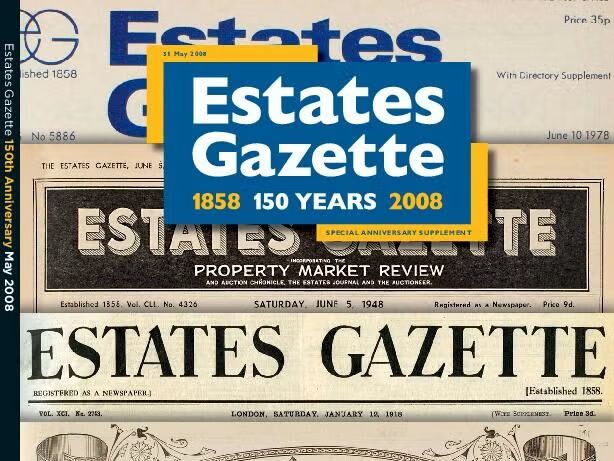
On 6 December 2022, the United Kingdom’s historic weekly real estate journal Estates Gazette (EG) announced that, due to severe financial pressures, it was no longer possible to continue its traditional mode of publication. The management acknowledged that a sustained decline in advertising revenue, increasing financial strain on print media, and shifting patterns of commercial information consumption in the digital era had collectively contributed to this crisis. The announcement was intended to inform the public and the real estate industry of a potential cessation, prompting a wide and serious debate within the real estate media sector.
Founded in 1858, EG had by 2022 reached an age of approximately one hundred and sixty four years, placing it among the oldest and most authoritative specialist real estate publications in the world. Reports emerging during November and December 2022 indicated that several options were under consideration regarding its future, including restructuring of the editorial framework, the pursuit of new investment, or the possibility of complete closure.
Following this announcement, the British publishing group Mark Allen Group acquired certain business and media assets of EG in December 2022. This intervention prevented the complete closure of the publication and enabled its continuation under a revised operating model. Under this arrangement, EG was revitalised through a new commercial and digital strategy, allowing it to continue delivering real estate news, analysis, and data in both print and online formats.
From the perspective of real estate media history, this transition reflects a broader structural reality in which even long established and respected journals must adapt to economic and technological change through new business models, digital transformation, and renewed investment. Publications that remain fixed to earlier modes of operation, despite their historical standing, increasingly face the risk of discontinuation.
As a result of timely intervention by the new management, EG was preserved from permanent closure. At present, the publication remains accessible in both print and digital forms. Although its print edition no longer continues with the same regular weekly scale as in the past, real estate industry news, legal analysis, and market reports remain available through digital subscription and online publication, with ongoing updates provided via its official website.
▪️Syed Shayan Real Estate Archive
▪ Reference(s):
6 دسمبر 2022 کو برطانیہ کے تاریخی ہفتہ وار رئیل اسٹیٹ میگزین Estates Gazette (EG) نے باضابطہ طور پر اعلان کیا کہ شدید مالی مشکلات کے باعث اس کے لیے اپنی روایتی اشاعت جاری رکھنا ممکن نہیں رہا۔ انتظامیہ کی جانب سے اعتراف کیا گیا کہ اشتہارات میں مسلسل کمی، پرنٹ میڈیا پر بڑھتا ہوا مالی دباؤ، اور ڈیجیٹل دور میں تجارتی معلوماتی ذرائع کے بدلتے ہوئے رجحانات اس بحران کی بنیادی وجوہات بنے۔ اس اعلامیے کا مقصد ممکنہ بندش کی صورتحال سے عوام اور رئیل اسٹیٹ انڈسٹری کو آگاہ کرنا تھا، جس کے نتیجے میں رئیل اسٹیٹ میڈیا کی دنیا میں ایک وسیع اور سنجیدہ بحث نے جنم لیا۔
Estates Gazette کا آغاز 1858 میں ہوا تھا اور اس کی عمر اس وقت تقریباً 164 سال بنتی تھی، جس کی وجہ سے یہ عالمی سطح پر سب سے قدیم اور معتبر تخصصی رئیل اسٹیٹ جرائد میں شمار ہوتا ہے۔ نومبر اور دسمبر 2022 کے دوران سامنے آنے والی اطلاعات کے مطابق اس اشاعت کے مستقبل کے حوالے سے مختلف آپشنز زیر غور آئے، جن میں ادارتی ڈھانچے میں تبدیلی، نئی سرمایہ کاری، یا مکمل بندش جیسے امکانات شامل تھے۔
اسی اعلان کے نتیجے میں برطانوی اشاعتی ادارے Mark Allen Group نے دسمبر 2022 میں Estates Gazette کے بعض کاروباری اور میڈیا اثاثے خرید لیے، جس سے اس تاریخی ادارے کو مکمل بندش سے بچانے اور اسے نئے ماڈل کے تحت جاری رکھنے کا موقع ملا۔ اس شراکت داری کے تحت اشاعت کو ایک نئی کاروباری اور ڈیجیٹل حکمتِ عملی کے ساتھ دوبارہ متحرک کیا گیا، تاکہ پرنٹ اور آن لائن دونوں صورتوں میں رئیل اسٹیٹ مارکیٹ کی خبریں، تجزیات اور ڈیٹا فراہم کیے جا سکیں۔
رئیل اسٹیٹ میڈیا کے نقطہ نظر سے Estates Gazette میں آنے والی یہ تبدیلی اس حقیقت کی علامت ہے کہ قدیم اور معتبر اخبارات و جرائد بھی معاشی اور تکنیکی تبدیلیوں کے سامنے اپنے وجود کو برقرار رکھنے کے لیے نئے کاروباری ماڈلز، ڈیجیٹل ٹرانسفارمیشن اور سرمایہ کاری کے نئے سانچوں میں ڈھلنے پر مجبور ہو چکے ہیں۔ بصورتِ دیگر وہ جرائد اور اخبارات جو پرانی روش پر قائم رہیں، اپنی طویل تاریخ کے باوجود بندش کے خطرے سے دوچار ہو سکتے ہیں۔
نئی انتظامیہ کے بروقت اقدام کے نتیجے میں Estates Gazette مکمل طور پر بند ہونے سے بچ گیا۔ موجودہ وقت میں یہ اشاعت پرنٹ اور آن لائن دونوں فارمیٹس میں قابلِ رسائی ہے۔ اگرچہ اس کی پرنٹ اشاعت اپنی سابقہ ہفتہ وار وسعت میں مستقل طور پر جاری نہیں رہی، تاہم ڈیجیٹل سبسکرپشن اور ویب اشاعت کے ذریعے رئیل اسٹیٹ انڈسٹری کی خبریں، قانونی تجزیے اور مارکیٹ رپورٹیں بدستور دستیاب ہیں، جو انٹرنیٹ پر estatesgazette.co.uk کے ذریعے باقاعدگی سے شائع کی جاتی ہیں
▪️ سید شایان ریئل اسٹیٹ آرکائیو
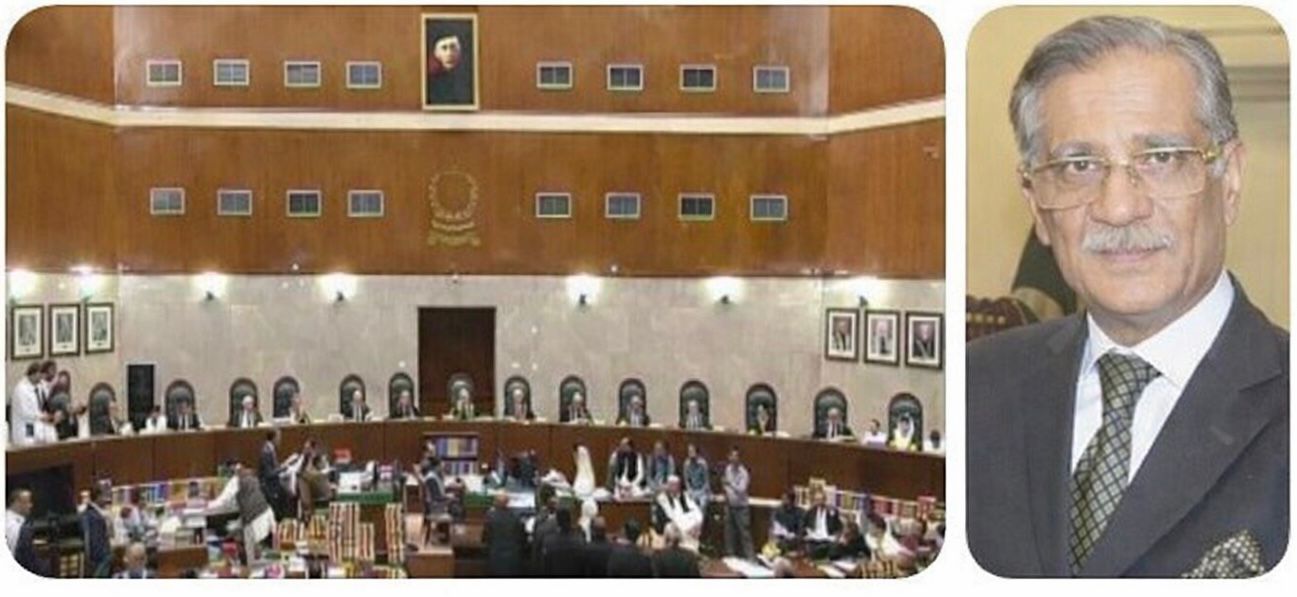
11 دسمبر 2018 کو سپریم کورٹ آف پاکستان نے اس وقت کے چیف جسٹس میاں ثاقب نثار کی سربراہی میں سندھ میں زمینوں کے انتقال، لیز اور الاٹمنٹ پر ایک سخت اور غیر معمولی پابندی عائد کی، جس کے تحت یہ حکم دیا گی�...
مزید پڑھیں19 نومبر 1987 کو سیالکوٹ میونسپل کمیٹی نے خادم علی شاہ انڈسٹریل کلسٹر اپ گریڈیشن پلان کا آغاز کیا، جو پنجاب کے لائٹ مینوفیکچرنگ سیکٹر کے لیے ایک اہم سنگ میل ثابت ہوا۔ اس زمانے میں دنیا بھر میں سیال�...
مزید پڑھیں
20 اکتوبر 1901 کو ملک بھر میں تعمیرات کے لیے پہلی جامع قومی بلڈنگ کوڈ کے معیارات قائم کیے گئے، جنہوں نے تعمیراتی قوانین کو یکساں شکل دی۔ اس تاریخی قانون سازی میں آگ سے تحفظ، عمارتوں کی مضبوطی اور صف...
مزید پڑھیں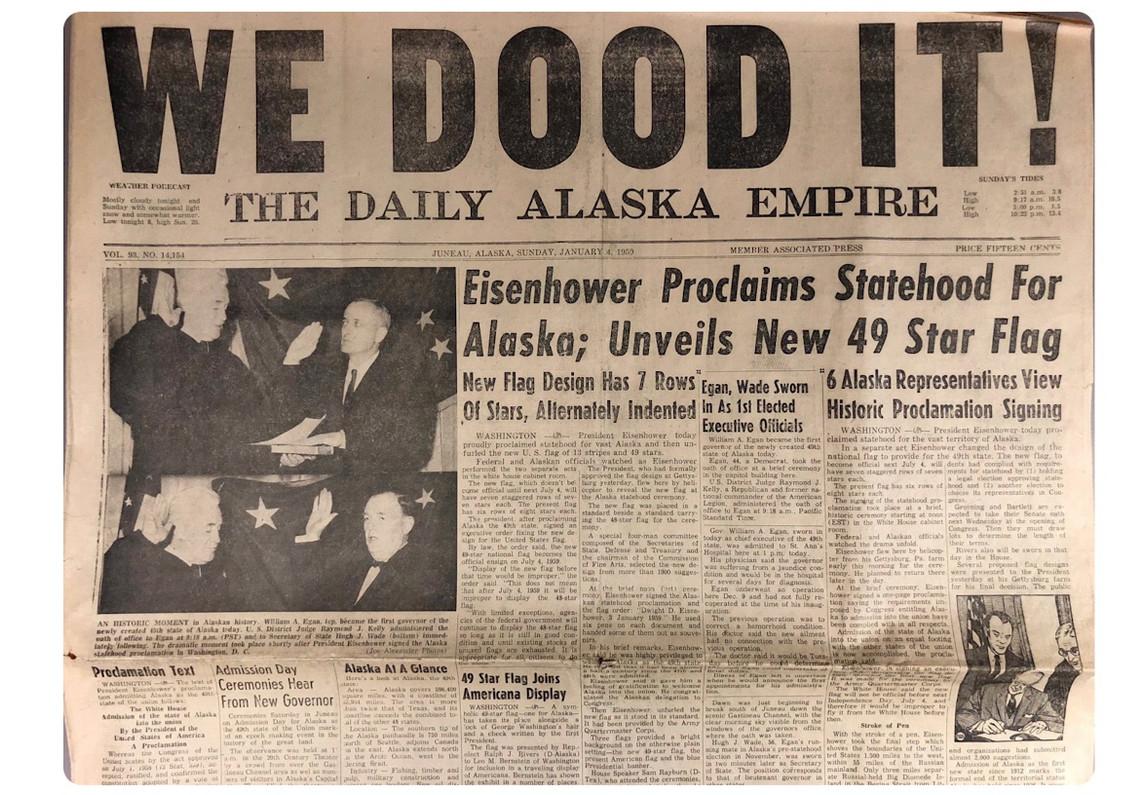
3 جنوری 1959 کو Alaska کا امریکہ کی انچاسویں ریاست بننا دراصل تاریخ میں ایک بڑے زمینی قطعے کی ملکیت کی منتقلی کا دن ہے۔ امریکی ریاست بننے سے پہلے Alaska دراصل Russia کی سلطنت، یعنی Russian Empire کا حصہ تھا اور اس...
مزید پڑھیں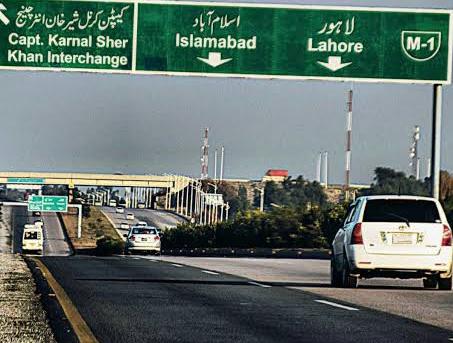
10 جنوری 1992 کو پاکستان میں لاہور–اسلام آباد موٹر وے (M-2) کے منصوبے کی باضابطہ تعمیر کا آغاز کیا گیا۔ اس دن منصوبے کی لانچنگ اور حکومتی سطح پر منظوری کا اعلان ہوا۔ یہ منصوبہ پاکستان میں جدید موٹ�...
مزید پڑھیں
ماڈل ٹاؤن لاہور ایک جدید رہائشی سوسائٹی جو لاہور کے قدیمی جنگل میں بسائی گئی ماڈل ٹاؤن سوسائٹی کے لیے زمین کی خریداری اور حصول بھی ایک نہایت ...
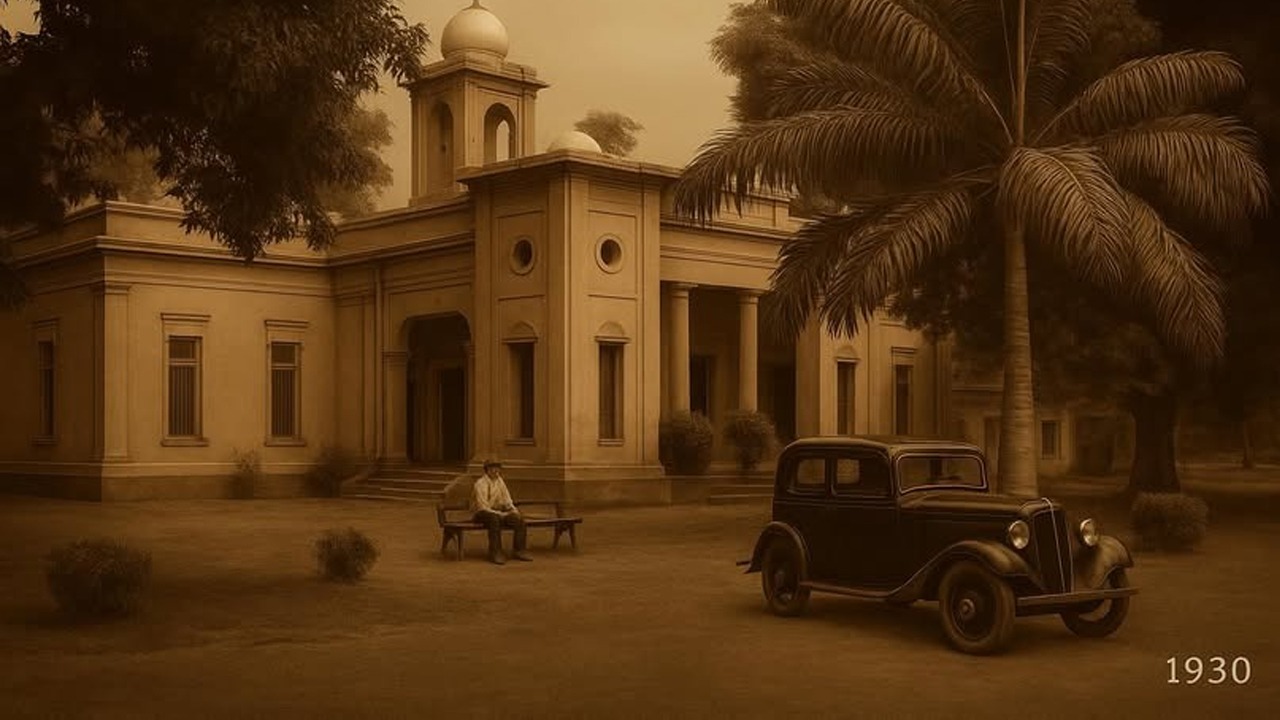
ماڈل ٹاؤن سوسائٹی کی 500 ایکڑ زمین کہاں گئی؟ ماڈل ٹاؤن لاہور کی زمین 1921 سے 1924 کے درمیان مختلف مرحلوں میں خریدی گئی۔ ابتدا 1921 میں ہوئی جب...
No comments yet. Be the first to comment!