
Syed Shayan Real Estate Archive
Syed Shayan Real Estate Archive
From Real Estate History
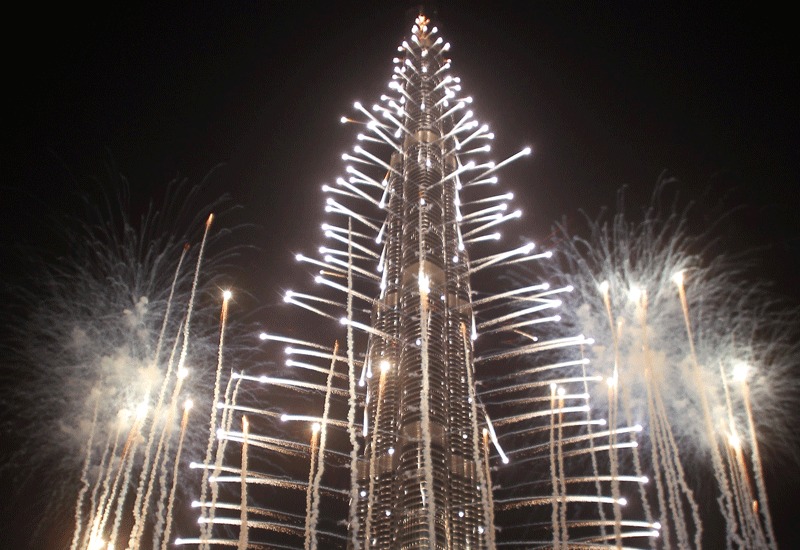
The structure known globally today as Burj Khalifa was originally conceived and launched under the name Burj Dubai. An important and deliberate aspect of its history is that the inauguration was scheduled for 4 January 2010 to coincide with the anniversary of Sheikh Mohammed bin Rashid Al Maktoum’s accession as Ruler of Dubai. On 4 January 2006, Sheikh Mohammed bin Rashid Al Maktoum formally assumed power, marking the beginning of a new phase in the leadership of the Maktoum family.
At the official opening ceremony, a significant decision was announced when Sheikh Mohammed bin Rashid Al Maktoum declared that the building would be named Burj Khalifa in honour of Sheikh Khalifa bin Zayed Al Nahyan, who was then President of the United Arab Emirates. This gesture symbolised respect for national leadership and reflected the federal unity and political cohesion of the United Arab Emirates. Consequently, 4 January holds lasting importance in the history of the UAE, as the day on which Burj Khalifa was opened to the general public.
The project was conceived as an off plan luxury real estate development, a model that fundamentally transformed Dubai’s real estate profile and reshaped perceptions of property investment across the Gulf region.
Off plan luxury real estate refers to high quality residential or commercial developments offered for sale prior to completion. Purchasers commit on the basis of architectural plans and design concepts rather than a finished structure. Such investments are typically made through staged payments, with expectations of long term value appreciation.
With the launch of this project, Dubai established itself as a credible and forward looking urban real estate market for international investors.
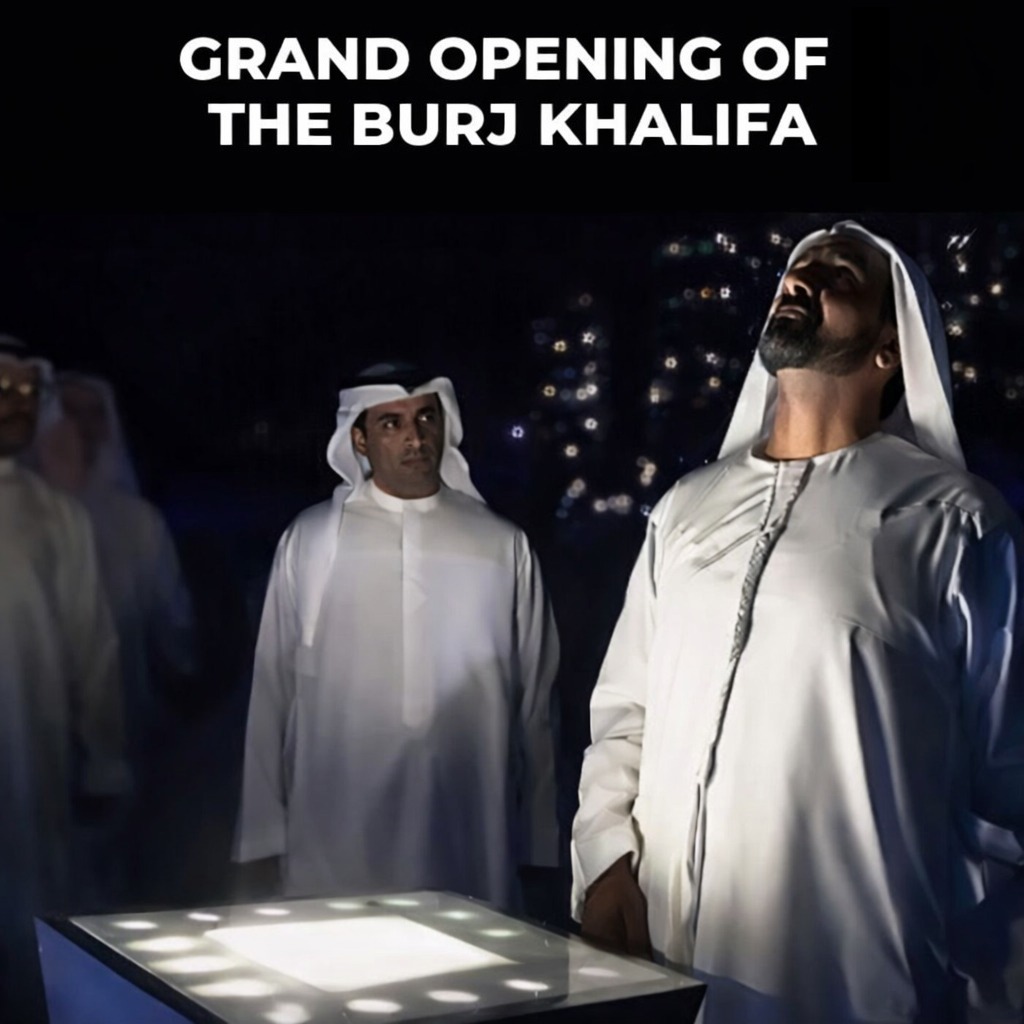
Construction of Burj Khalifa formally commenced on 6 January 2004. The concept was developed by Dubai based developer Emaar Properties, while the architectural design was produced by Adrian Smith through the firm Skidmore Owings and Merrill. The project was completed over a period of approximately six years, reaching completion on 4 January 2010, after roughly 2190 days of construction. Its greatest significance lies in redefining urban development by shifting global attention from horizontal expansion to vertical urban growth, positioning Dubai prominently on the international map of investment, tourism and luxury living. The building comprises 163 usable floors, including approximately 304 rooms and suites within the Armani Hotel, nearly 900 luxury residential apartments, multiple commercial and office floors, and the world’s highest public observation deck. Burj Khalifa thus stands as a comprehensive symbol of twenty first century urban planning, engineering excellence and real estate vision.
An observation deck is a designated, elevated and commercially managed area of a building that is open to the public, allowing visitors to view the city, surrounding landscape and horizon from a height in a secure and organised manner.
Today, Burj Khalifa is not only the tallest building in the world but also a tangible expression of Dubai’s economic confidence and global real estate ambition. Since its completion in 2010, it has retained its status as the world’s tallest structure and is widely regarded as a landmark of modern engineering, urban planning and integrated investment strategy.
According to current market data for 2026, a mid sized residential apartment typically consists of a one bedroom unit with an area ranging from approximately 800 to 1100 square feet, priced generally between 700000 and 1100000 US dollars, equivalent to approximately 200 million to 310 million Pakistani rupees. The smallest residential units are studio apartments, with areas ranging from approximately 540 to 600 square feet.
Within the same building, commercial office properties typically begin at sizes of approximately 1000 to 1500 square feet, considered mid sized office units. Such offices are currently valued between approximately 4 million and 6 million US dollars, equivalent to around 1.12 billion to 1.68 billion Pakistani rupees.
▪️Syed Shayan Real Estate Archive
▪ Reference(s):
جس عمارت کو آج دنیا Burj Khalifa کے نام سے جانتی ہے، اس منصوبے کا آغاز ابتدا میں برج دبئی کے نام سے کیا گیا تھا۔ تاہم ایک اہم اور دلچسپ پہلو یہ ہے کہ اس عمارت کا افتتاح جان بوجھ کر 4 جنوری 2010 کو رکھا گیا، تاکہ یہ تاریخ شیخ محمد بن راشد آل مکتوم کی تخت نشینی کی سالگرہ سے مطابقت رکھے۔ درحقیقت 4 جنوری 2006 کو اسی دن شیخ محمد بن راشد آل مکتوم نے دبئی کے حکمران کی حیثیت سے اقتدار سنبھالا تھا، جو مکتوم قیادت کے ایک نئے دور کے آغاز کی علامت سمجھا جاتا ہے۔
تاہم عمارت کے باضابطہ افتتاح کے موقع پر ایک اہم فیصلہ سامنے آیا، جب شیخ محمد بن راشد آل مکتوم نے شیخ خلیفہ بن زاید آل نہیان، جو اس وقت متحدہ عرب امارات کے صدر تھے، کے اعزاز میں اس عمارت کا نام برج خلیفہ رکھنے کا اعلان کیا۔ یہ اقدام نہ صرف قومی قیادت کے احترام کی علامت تھا بلکہ متحدہ عرب امارات کی وفاقی وحدت اور سیاسی ہم آہنگی کی بھی عکاسی کرتا تھا۔ بہرحال 4 جنوری یو اے ای کی تاریخ میں ایک امر دن ہے کہ اس روز برج خلیفہ کو عام عوام کے لیے کھول دیا گیا تھا۔
یہ ایک آف پلان لگژری رئیل اسٹیٹ منصوبہ تھا، جس نے نہ صرف دبئی بلکہ پوری خلیجی ریاستوں میں رئیل اسٹیٹ کی عالمی حیثیت کو یکسر بدل دیا۔
(آف پلان لگژری رئیل اسٹیٹ off plan luxury real estate سے مراد ایسا اعلیٰ معیار کا رہائشی یا تجارتی منصوبہ ہوتا ہے جو عمارت کی تکمیل سے پہلے فروخت کے لیے پیش کیا جاتا ہے۔ اس میں خریدار نقشوں اور ڈیزائنز کی بنیاد پر پراپرٹی خریدتا ہے، نہ کہ تیار شدہ عمارت دیکھ کر۔ ایسی سرمایہ کاری عموماً اقساط میں کی جاتی ہے اور مستقبل میں قدر بڑھنے کی توقع رکھی جاتی ہے۔)
اس منصوبے کی لانچ کے ساتھ ہی دبئی نے خود کو بین الاقوامی سرمایہ کاروں کے لیے ایک سنجیدہ اور جدید اربن رئیل اسٹیٹ مارکیٹ کے طور پر متعارف کرایا۔
برج خلیفہ کا منصوبہ باضابطہ طور پر 6 جنوری 2004 کو شروع ہوا، جس کا تصور دبئی کی معروف ڈویلپمنٹ کمپنی Emaar Properties نے پیش کیا جبکہ اس کا معماری ڈیزائن عالمی شہرت یافتہ معمار Adrian Smith نے Skidmore Owings and Merrill کے پلیٹ فارم سے تیار کیا۔ یہ منصوبہ تقریباً 6 سال کے عرصے میں 4 جنوری 2010 کو مکمل ہوا، یعنی لگ بھگ 2190 دن میں اس کی تعمیر پایہ تکمیل تک پہنچی۔ برج خلیفہ کی سب سے بڑی اہمیت یہ ہے کہ اس نے شہری ترقی کے افقی تصور کو بدل کر عمودی اربن ڈیولپمنٹ کو عالمی معیار پر متعارف کرایا اور دبئی کو سرمایہ کاری، سیاحت اور لگژری رہائش کے عالمی نقشے پر نمایاں مقام دلایا۔ اس عمارت میں کل 163 قابل استعمال منزلیں ہیں، جن میں Armani Hotel کے تقریباً 304 کمرے اور سوئٹس، لگ بھگ 900 لگژری رہائشی اپارٹمنٹس، متعدد کمرشل اور دفتری فلورز، اور دنیا کے بلند ترین عوامی مشاہداتی ڈیک observation deck شامل ہیں، یوں برج خلیفہ اکیسویں صدی کی شہری منصوبہ بندی، انجینئرنگ مہارت اور رئیل اسٹیٹ وژن کی ایک جامع علامت بن کر سامنے آیا۔
(عوامی مشاہداتی ڈیک observation deck عمارت کا وہ بلند، باقاعدہ منصوبہ بند اور تجارتی طور پر قابل استعمال حصہ ہوتا ہے جو عام لوگوں کے لیے کھلا ہو اور جہاں سے شہر، اردگرد کے مناظر اور افق کو اونچائی سے محفوظ اور منظم انداز میں دیکھا جا سکے۔)
آج برج خلیفہ دنیا کی سب سے بلند ترین عمارت ہی نہیں بلکہ دبئی کی معاشی خود اعتمادی اور عالمی رئیل اسٹیٹ وژن کی عملی تصویر بن چکی ہے۔ 2010 میں تکمیل کے بعد سے آج تک یہ دنیا کی بلند ترین عمارت کا اعزاز برقرار رکھے ہوئے ہے اور جدید انجینئرنگ، شہری منصوبہ بندی اور سرمایہ کاری کے امتزاج کی علامت سمجھی جاتی ہے۔
موجودہ مارکیٹ ڈیٹا 2026 کے مطابق ایک درمیانے سائز کا رہائشی اپارٹمنٹ عموماً ایک بیڈروم یونٹ ہوتا ہے جس کا رقبہ تقریباً 800 سے 1,100 مربع فٹ کے درمیان ہوتا ہے، اور اس کی قیمت عام طور پر 7 لاکھ سے 11 لاکھ امریکی ڈالر کے درمیان دیکھی جاتی ہے، جو پاکستانی کرنسی میں تقریباً 20 کروڑ سے 31 کروڑ روپے بنتی ہے، جبکہ یہاں سب سے چھوٹا رہائشی یونٹ اسٹوڈیو اپارٹمنٹ ہوتا ہے جس کا رقبہ تقریباً 540 سے 600 مربع فٹ ہوتا ہے۔
اسی عمارت میں کمرشل پراپرٹی کے طور پر دفاتر کا کم از کم سائز عموماً 1,000 سے 1,500 مربع فٹ سے شروع ہوتا ہے، جسے درمیانے سائز کا آفس یونٹ سمجھا جاتا ہے، اور ایسے آفس کی قیمت موجودہ مارکیٹ میں تقریباً 40 لاکھ سے 60 لاکھ امریکی ڈالر کے درمیان رہتی ہے، جو پاکستانی روپے میں تقریباً 112 کروڑ سے 168 کروڑ روپے کے مساوی بنتی ہے۔
▪️ سید شایان ریئل اسٹیٹ آرکائیو
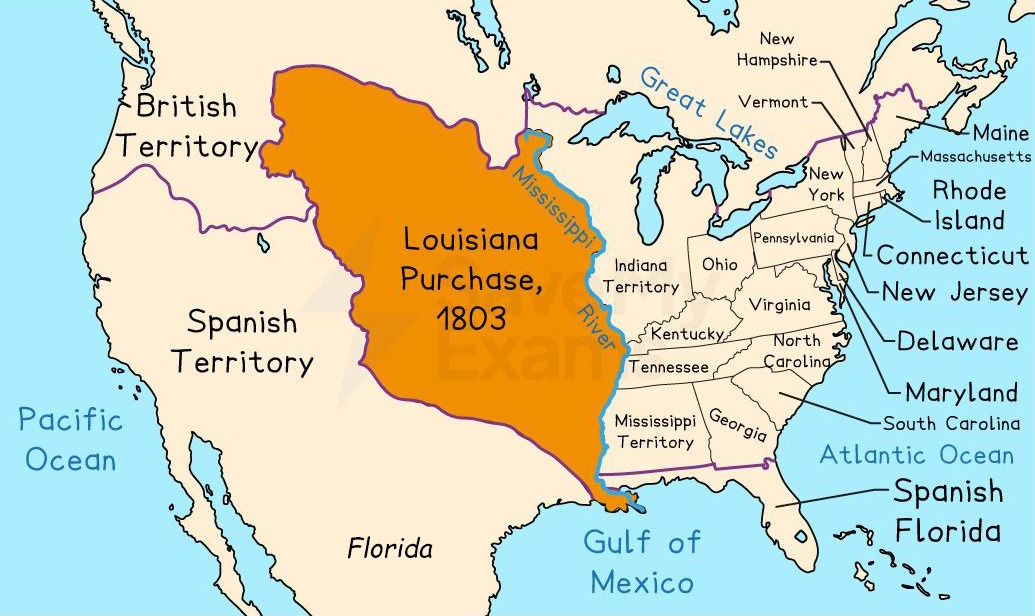
20 December 1803 stands as a defining date in the global history of real estate and land agreements. It not only reshaped the concept of land acquisition but also introduced a new dimension to state expansion, geopolitics, and the strategic value of land. This event is historically known as the Louisiana Purchase. The Louisiana Purchase was not a c...
Read More →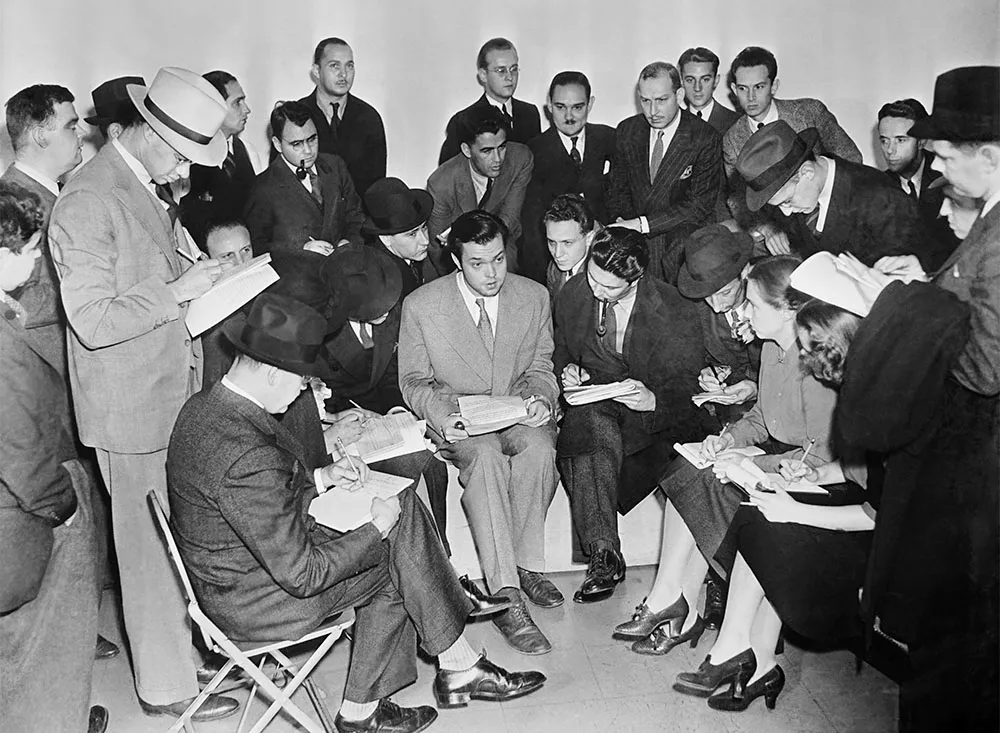
On October 30, 1938, Orson Welles' legendary radio broadcast of 'War of the Worlds' triggered unprecedented panic among millions of American listeners who genuinely believed Earth was under Martian invasion. In New Jersey areas specifically mentioned in the broadcast, property values experienced immediate temporary declines as terrified residents c...
Read More →
Makar Sankranti was a seasonal festival deeply rooted in the agrarian life of the subcontinent, traditionally observed around 14 January and celebrated with the significance of a day of Eid. In its contemporary form, however, it has largely been reduced to kite flying alone and is now commonly known as Basant. In the history of the Indian subcon...
Read More →
On November 10, 1995, the government of Japan began a national program to rebuild homes and cities after the Kobe earthquake that caused severe damage earlier that year. The plan aimed to make housing stronger and safer against future earthquakes. Japan introduced new building rules that required stronger concrete and steel structures. It also prov...
Read More →
On November 6, 1995, the Government of Sindh embarked on one of the most ambitious urban land reform programs in Pakistan’s history the Karachi Katchi Abadi Regularization and Land Titling Initiative. The campaign was designed to bring hundreds of informal settlements, locally known as katchi abadis, into the legal urban framework. These settleme...
Read More →
The acquisition of land for the Model Town Society was one of the most remarkable and spirited chapters in its early history. Dewan Khem Chand and his...
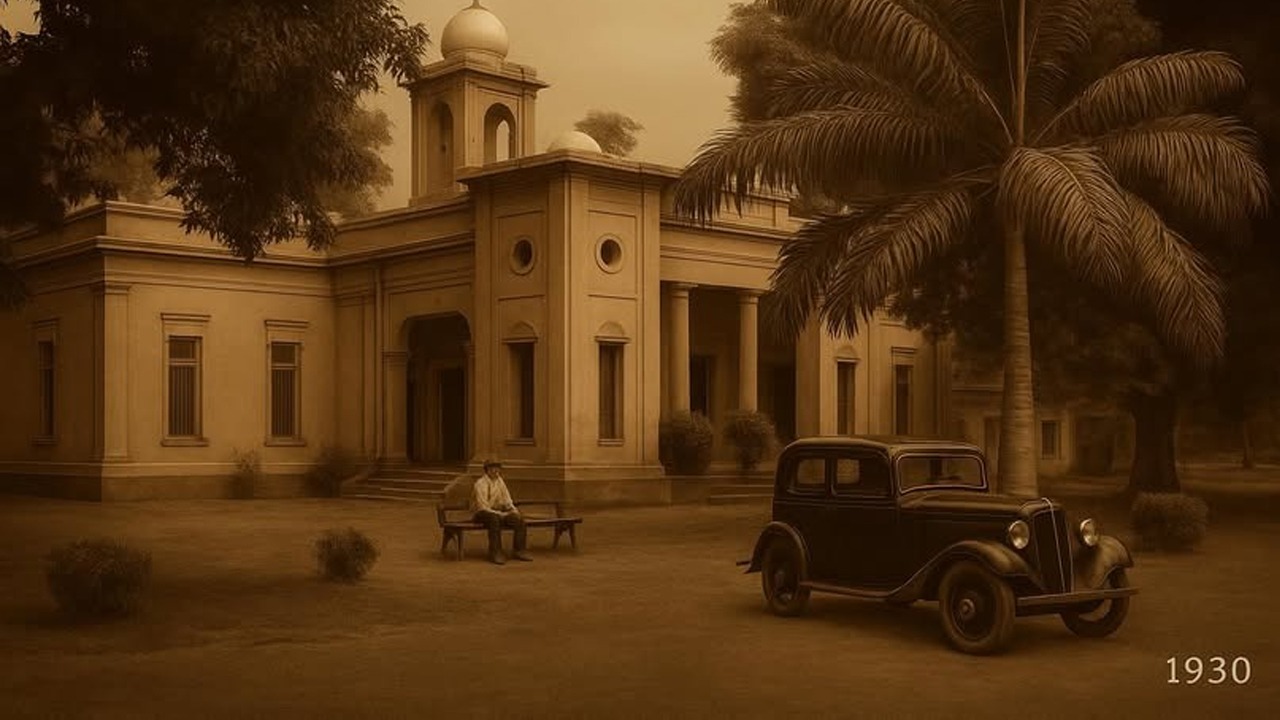
Between 1921 and 1924, the land for Model Town Lahore was acquired in successive phases. The process began in 1921, shortly after the establishment of...
No comments yet. Be the first to comment!