
Syed Shayan Real Estate Archive
From Real Estate History
On This Date
London’s Smithfield Meat Market opened on 24 November 1868, transforming an established trading site into purpose-built commercial premises with direct railway access.
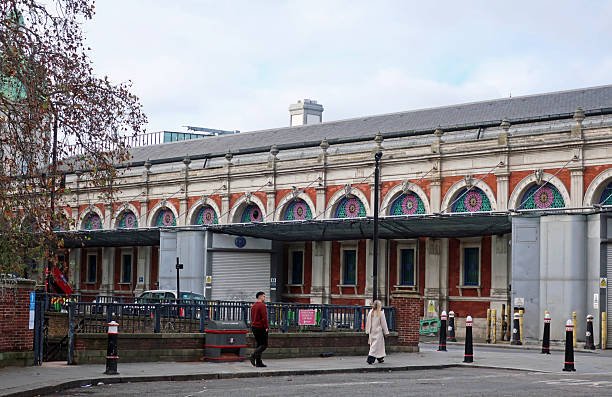
On 24 November 1868, London’s new Smithfield Meat Market opened with a ceremony led by the Lord Mayor. The opening marked the redevelopment of an established trading location into a covered wholesale market. Its significance for real estate history lies in the creation of commercial buildings designed around food distribution, bringing architecture, transport infrastructure and trading accommodation together within a densely developed city.
Smithfield had accommodated livestock trading for centuries, but increasing activity created difficulties for surrounding streets and homes. Moving animals through London contributed to congestion and sanitation problems. The Smithfield Market Removal Act of 1852 enabled livestock trading to relocate to Copenhagen Fields in Islington. This cleared the way for a different commercial use of the historic site.
The replacement market specialised in meat rather than live animals, changing the accommodation required. Traders needed covered selling areas, convenient access and reliable delivery facilities. The redevelopment retained Smithfield’s commercial role while introducing buildings suited to a different system of supplying food to London.
Parliament authorised new market buildings in 1860, and construction began in 1866. City Architect Sir Horace Jones designed the East and West Buildings. According to the City of London, they were completed in November 1868 at £993,816, representing a substantial investment in the capital’s commercial infrastructure.
Jones combined ornamental cast iron, stone, Welsh slate and glass to create spacious covered halls. The Grand Avenue separated the principal buildings, providing a central route through the development. The arrangement combined architectural ambition with practical requirements for shelter, light and movement within a busy wholesale property.
Railway connections were integral to the scheme. Lines beneath the buildings enabled meat to arrive directly from elsewhere in Britain, with underground facilities supporting deliveries. This relationship between trading space and transport demonstrates how access can influence the design and usefulness of commercial property. The market was planned as part of a wider distribution network.
The original East and West Buildings contained 162 stalls, accessible from several sides. Individual businesses operated within a shared structure, bringing traders and customers together under one roof. The layout shows how a large commercial development could accommodate many occupiers while maintaining shared circulation routes and delivery arrangements.
Further investment expanded the surrounding complex. The Poultry Market opened in 1875, followed by the General Market in 1883. These additions show how the district grew through successive construction projects, expanding its specialised trading space beyond the buildings inaugurated in November 1868.
Later refurbishment reorganised the original buildings into fewer units, with different sizes and temperature-controlled areas. These changes responded to tenants’ requirements and modern operating standards. They illustrate the continuing need to adapt commercial interiors as business practices change, even where the original buildings remain central to a property’s identity.
Smithfield’s redevelopment connected established urban land with new construction and railway infrastructure. Its history shows how commercial premises can retain a trading function through expansion and alteration. At the same time, its internal organisation evolves to support different occupiers, delivery systems and practical requirements across successive generations of use.
▪️Syed Shayan Real Estate Archive
▪ Reference(s):
On This Date
لندن کی اسمتھ فیلڈ میٹ مارکیٹ کا افتتاح 24 نومبر 1868 کو ہوا، جس سے ایک قدیم تجارتی مقام براہِ راست ریلوے رسائی رکھنے والی، تجارتی ضروریات کے لیے خصوصی طور پر تعمیر کردہ مارکیٹ میں تبدیل ہوگیا۔
24 نومبر 1868 کو لندن کی نئی اسمتھ فیلڈ میٹ مارکیٹ کا افتتاح لارڈ میئر کی زیرِ قیادت منعقدہ تقریب میں ہوا۔ اس افتتاح کے ساتھ ایک قدیم تجارتی مقام کو ازسرِنو ترقی دے کر چھت سے ڈھکی تھوک مارکیٹ میں تبدیل کردیا گیا۔ رئیل اسٹیٹ کی تاریخ میں اس منصوبے کی اہمیت ایسی تجارتی عمارتوں کی تعمیر میں ہے جنہیں خوراک کی ترسیل کی ضروریات کے مطابق ڈیزائن کیا گیا۔ یوں گنجان آباد شہر میں فنِ تعمیر، نقل و حمل کے بنیادی ڈھانچے اور تجارتی سہولتوں کو یکجا کیا گیا۔
اسمتھ فیلڈ میں صدیوں سے مویشیوں کی تجارت ہوتی تھی، تاہم بڑھتی سرگرمیوں نے اردگرد کی سڑکوں اور رہائشی علاقوں کے لیے مشکلات پیدا کردیں۔ شہر سے جانوروں کی آمدورفت ٹریفک کے دباؤ اور صفائی کے مسائل کا سبب بن رہی تھی۔ 1852 کے اسمتھ فیلڈ مارکیٹ ریموول ایکٹ کے تحت مویشیوں کی منڈی کو ازلنگٹن کے علاقے کوپن ہیگن فیلڈز منتقل کرنے کی راہ ہموار ہوئی۔ اس اقدام سے تاریخی مقام کو ایک مختلف تجارتی استعمال کے لیے تیار کرنے کا موقع ملا۔
نئی مارکیٹ میں زندہ جانوروں کے بجائے گوشت کی تجارت پر توجہ دی گئی، جس سے عمارت اور سہولتوں کی ضروریات بھی بدل گئیں۔ تاجروں کو چھت سے ڈھکی فروخت گاہوں، آسان رسائی اور سامان کی قابلِ اعتماد ترسیل کی ضرورت تھی۔ ازسرِنو ترقی کے اس منصوبے نے اسمتھ فیلڈ کی تجارتی حیثیت برقرار رکھتے ہوئے لندن کو خوراک کی فراہمی کے نئے نظام کے مطابق عمارتیں فراہم کیں۔
پارلیمان نے 1860 میں مارکیٹ کی نئی عمارتوں کی تعمیر کی اجازت دی، جبکہ کام 1866 میں شروع ہوا۔ سٹی آرکیٹیکٹ سر ہوریس جونز نے مشرقی اور مغربی عمارتوں کا ڈیزائن تیار کیا۔ سٹی آف لندن کے مطابق، یہ عمارتیں نومبر 1868 میں 993,816 پاؤنڈ کی لاگت سے مکمل ہوئیں، جو دارالحکومت کے تجارتی بنیادی ڈھانچے میں ایک بڑی سرمایہ کاری تھی۔
جونز نے آرائشی ڈھلواں لوہے، پتھر، ویلز کی سلیٹ اور شیشے کو یکجا کرکے کشادہ، چھت سے ڈھکے ہال تعمیر کیے۔ مرکزی عمارتوں کے درمیان گرینڈ ایونیو نے پورے احاطے میں آمدورفت کا راستہ فراہم کیا۔ اس ترتیب میں تعمیراتی حسن کے ساتھ ایک مصروف تھوک مارکیٹ کے لیے چھت، روشنی اور آمدورفت کی عملی ضروریات کو بھی مدنظر رکھا گیا۔
ریلوے رابطے منصوبے کا بنیادی حصہ تھے۔ عمارتوں کے نیچے موجود ریلوے لائنوں کے ذریعے برطانیہ کے دیگر علاقوں سے گوشت براہِ راست مارکیٹ پہنچایا جاسکتا تھا، جبکہ زیرِ زمین سہولتیں سامان کی ترسیل میں معاون تھیں۔ تجارتی جگہ اور نقل و حمل کا یہ تعلق واضح کرتا ہے کہ رسائی کی سہولت کسی تجارتی عمارت کے ڈیزائن اور افادیت پر کس طرح اثرانداز ہوتی ہے۔ مارکیٹ کی منصوبہ بندی ایک وسیع تر ترسیلی نیٹ ورک کے حصے کے طور پر کی گئی تھی۔
مشرقی اور مغربی عمارتوں میں ابتدا میں 162 اسٹال تھے، جن تک کئی اطراف سے رسائی ممکن تھی۔ مختلف کاروبار ایک مشترکہ عمارت میں کام کرتے تھے، جہاں تاجر اور خریدار ایک ہی چھت تلے جمع ہوتے تھے۔ یہ ترتیب ظاہر کرتی ہے کہ ایک بڑا تجارتی منصوبہ مشترکہ راستوں اور ترسیلی انتظامات کو برقرار رکھتے ہوئے متعدد کاروباروں کو جگہ فراہم کرسکتا ہے۔
مزید سرمایہ کاری سے مارکیٹ کے اردگرد واقع احاطے میں توسیع ہوئی۔ پولٹری مارکیٹ 1875 میں کھولی گئی، جس کے بعد جنرل مارکیٹ کا افتتاح 1883 میں ہوا۔ ان اضافوں سے ظاہر ہوتا ہے کہ یہ تجارتی علاقہ یکے بعد دیگرے تعمیراتی منصوبوں کے ذریعے ترقی کرتا گیا اور اس کی مخصوص تجارتی سرگرمیوں کے لیے دستیاب جگہ نومبر 1868 میں افتتاح شدہ عمارتوں سے آگے بڑھ گئی۔
بعد کی تزئین و بحالی کے دوران اصل عمارتوں کو مختلف جسامت کے نسبتاً کم یونٹس میں تقسیم کیا گیا اور درجۂ حرارت قابو میں رکھنے والے حصے بنائے گئے۔ یہ تبدیلیاں کرایہ داروں کی ضروریات اور جدید کاروباری معیارات کے مطابق کی گئیں۔ ان سے واضح ہوتا ہے کہ کاروباری طریقوں میں تبدیلی کے ساتھ تجارتی عمارتوں کے اندرونی حصوں کو بھی ڈھالنا ضروری ہوتا ہے، خواہ اصل عمارتیں اس پراپرٹی کی شناخت کا بنیادی حصہ ہی کیوں نہ ہوں۔
اسمتھ فیلڈ کی ازسرِنو ترقی نے پہلے سے استعمال ہونے والی شہری زمین کو نئی تعمیرات اور ریلوے کے بنیادی ڈھانچے سے جوڑا۔ اس کی تاریخ بتاتی ہے کہ تجارتی عمارتیں توسیع اور تبدیلی کے باوجود اپنا کاروباری کردار برقرار رکھ سکتی ہیں، جبکہ ان کی اندرونی ترتیب مختلف کاروباری صارفین، ترسیلی نظاموں اور بدلتی عملی ضروریات کے مطابق وقت کے ساتھ تبدیل ہوتی رہتی ہے۔
▪️ سید شایان ریئل اسٹیٹ آرکائیو
▪ حوالہ جات:
On This Date
London’s Albert Embankment opened on 24 November 1869, combining flood protection, reclaimed land and improved road access in a major transformation of the Thames waterfront.
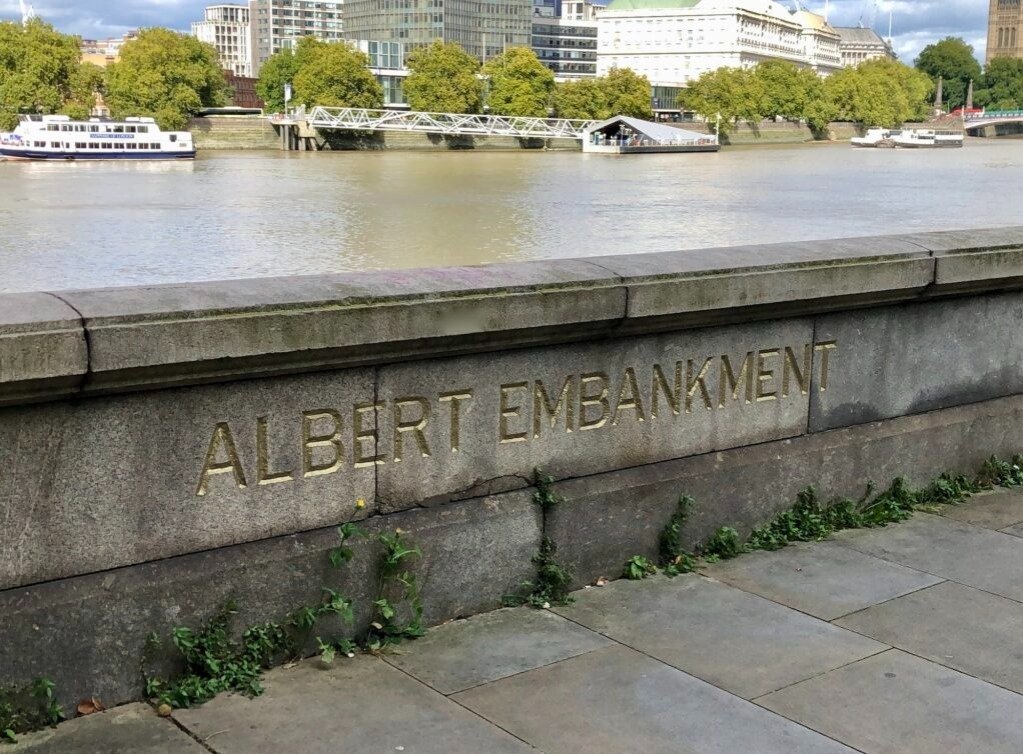
On 24 November 1869, London’s completed Albert Embankment opened, marking an important stage in the redevelopment of the Thames waterfront. The project combined a protective river wall with improved public access and transport infrastructure. Its footway had opened separately on 2 May 1868, making the November anniversary the opening of the completed work rather than the first use of the riverside route.
Engineered by Sir Joseph Bazalgette for the Metropolitan Board of Works, the embankment addressed conditions affecting low-lying Lambeth. High tides exposed streets and properties to flooding, while the surrounding road network restricted movement. The scheme therefore connected river engineering with the practical requirements of an expanding city, placing the protection and accessibility of urban land at its centre.
Construction took place between 1866 and 1869. The embankment replaced an irregular riverside environment containing wharves, timber yards and boat-building premises with a more organised frontage. This was a physical redevelopment of working urban land, changing how the riverbank related to roads, buildings and public movement.
Flood protection was especially relevant to property use. Repeated inundation could interrupt access, damage buildings and undermine everyday business activity. From a real estate perspective, constructing a continuous defensive boundary addressed an environmental constraint on the surrounding district. This connection concerns the usability and protection of land; it does not establish a particular increase in property prices.
The project also involved land reclamation. A historical study records a net gain of approximately 2.1 hectares, alongside engineering decisions intended to avoid excessively restricting the river. Reclamation was therefore part of a negotiated balance between creating usable urban space and maintaining the Thames as a functioning waterway.
The wider transformation included land for institutional development. Historical accounts connect reclaimed ground behind the river wall with the construction of St Thomas’ Hospital. This relationship provides a direct link between waterfront engineering and the provision of a major public property within London’s changing built environment.
Granite formed the principal facing of the embankment, while a short experimental section used granite-faced concrete. These choices combined structural requirements with the appearance of a prominent public frontage. The engineering work also provided pedestrian space and a roadway, connecting protection from the river with improved circulation along its edge.
For urban planning, the significance extends beyond the wall itself. A new route can change the relationship between neighbouring sites, public institutions and existing streets. At Albert Embankment, infrastructure investment reorganised the waterfront as a connected corridor, demonstrating how transport and environmental works can influence the practical development of surrounding land.
The anniversary records the completion of a public construction project that reshaped part of London’s riverfront. Its relevance to real estate rests in land reclamation, flood protection, access and institutional development. Together, these elements show how engineering decisions can establish lasting conditions for the use and management of urban property.
▪️Syed Shayan Real Estate Archive
▪ Reference(s):
On This Date
لندن میں البرٹ ایمبینکمنٹ کا افتتاح 24 نومبر 1869 کو ہوا۔ اس منصوبے نے سیلاب سے تحفظ، دریا سے حاصل کردہ زمین اور بہتر سڑک رابطوں کے ذریعے دریائے ٹیمز کے کنارے کی شکل بدل دی۔
24 نومبر 1869 کو لندن میں البرٹ ایمبینکمنٹ کے مکمل منصوبے کا افتتاح ہوا، جو دریائے ٹیمز کے کنارے کی ازسرِنو ترقی کا ایک اہم مرحلہ تھا۔ منصوبے میں دریا کی حفاظتی دیوار، عوامی رسائی اور نقل و حمل کی بہتر سہولتیں یکجا کی گئیں۔ اس کا پیدل راستہ 2 مئی 1868 کو الگ سے کھولا جاچکا تھا، اس لیے نومبر کی تاریخ مکمل منصوبے کے افتتاح کی نشاندہی کرتی ہے۔
میٹروپولیٹن بورڈ آف ورکس کے لیے سر جوزف بیزلجیٹ کی انجینئرنگ نگرانی میں تعمیر کردہ اس پشتے کا مقصد لیمبتھ کے نشیبی علاقے کو درپیش مسائل حل کرنا تھا۔ اونچی سمندری لہروں کے باعث دریا میں پانی کی سطح بڑھنے سے سڑکیں اور املاک سیلاب کی زد میں آجاتی تھیں، جبکہ مقامی سڑکوں کا محدود جال آمدورفت میں رکاوٹ بنتا تھا۔ منصوبے میں شہری زمین کے تحفظ اور اس تک رسائی کو بنیادی اہمیت دی گئی۔
تعمیراتی کام 1866 سے 1869 کے دوران ہوا۔ منصوبے نے دریا کنارے واقع غیرمنظم گھاٹوں، لکڑی کے گوداموں اور کشتی سازی کی جگہوں پر مشتمل علاقے کو زیادہ منظم شکل دی۔ یہ زیرِ استعمال شہری زمین کی ازسرِنو ترقی تھی، جس نے دریا کے کنارے، سڑکوں، عمارتوں اور عوامی آمدورفت کے باہمی تعلق کو تبدیل کیا۔
سیلاب سے تحفظ املاک کے استعمال کے لیے خاص اہمیت رکھتا تھا۔ بار بار پانی داخل ہونے سے راستے بند ہوسکتے تھے، عمارتوں کو نقصان پہنچ سکتا تھا اور روزمرہ کاروبار متاثر ہوتا تھا۔ رئیل اسٹیٹ کے تناظر میں مسلسل حفاظتی دیوار کی تعمیر نے علاقے کو درپیش ایک ماحولیاتی رکاوٹ کم کرنے کی کوشش کی۔ اس کا تعلق زمین کے تحفظ اور قابلِ استعمال رہنے سے ہے؛ اس سے املاک کی قیمتوں میں کسی مخصوص اضافے کا نتیجہ اخذ نہیں کیا جاسکتا۔
منصوبے میں دریا سے زمین حاصل کرنا بھی شامل تھا۔ ایک تاریخی مطالعے کے مطابق، اس عمل سے خالصتاً تقریباً 2.1 ہیکٹر اضافی زمین حاصل ہوئی۔ ساتھ ہی ایسے انجینئرنگ فیصلے کیے گئے جن کا مقصد دریا کے بہاؤ کو ضرورت سے زیادہ محدود ہونے سے بچانا تھا۔ یوں نئی شہری جگہ پیدا کرنے اور دریائے ٹیمز کے بہاؤ کو برقرار رکھنے کے درمیان توازن قائم کرنے کی کوشش کی گئی۔
اس وسیع تر تبدیلی میں ادارہ جاتی تعمیرات کے لیے زمین کی فراہمی بھی شامل تھی۔ تاریخی حوالوں میں حفاظتی دیوار کے پیچھے دریا سے حاصل کردہ زمین کو سینٹ تھامس ہسپتال کی تعمیر سے جوڑا گیا ہے۔ یہ تعلق واضح کرتا ہے کہ دریا کنارے انجینئرنگ کے کام کس طرح لندن میں ایک بڑی عوامی عمارت کی تعمیر کے لیے جگہ فراہم کرنے میں معاون بنے۔
پشتے کی بیرونی سطح پر بنیادی طور پر گرینائٹ استعمال کیا گیا، جبکہ ایک مختصر تجرباتی حصے میں گرینائٹ کی تہہ چڑھا ہوا کنکریٹ لگایا گیا۔ ان تعمیراتی طریقوں میں مضبوطی کے ساتھ نمایاں عوامی مقام کی ظاہری شکل کو بھی اہمیت دی گئی۔ منصوبے کے تحت پیدل راستہ اور سڑک بھی فراہم کی گئی، جس سے دریا سے تحفظ کے ساتھ اس کے کنارے آمدورفت بہتر ہوئی۔
شہری منصوبہ بندی کے لحاظ سے اس منصوبے کی اہمیت صرف حفاظتی دیوار تک محدود نہیں۔ کوئی نیا راستہ قریبی املاک، عوامی اداروں اور موجودہ سڑکوں کے باہمی رابطے کو بدل سکتا ہے۔ البرٹ ایمبینکمنٹ میں بنیادی ڈھانچے پر سرمایہ کاری نے دریا کے کنارے کو ایک مربوط گزرگاہ کی شکل دی، جو ظاہر کرتی ہے کہ نقل و حمل اور ماحولیاتی تحفظ کے منصوبے اردگرد زمین کی ترقی پر اثرانداز ہوسکتے ہیں۔
یہ سالگرہ ایک ایسے عوامی تعمیراتی منصوبے کی تکمیل کی یاد دلاتی ہے جس نے لندن کے دریا کنارے واقع ایک حصے کی شکل بدل دی۔ رئیل اسٹیٹ سے اس کا تعلق دریا سے زمین حاصل کرنے، سیلاب سے تحفظ، بہتر رسائی اور ادارہ جاتی تعمیرات میں ہے۔ یہ عناصر واضح کرتے ہیں کہ انجینئرنگ کے فیصلے شہری املاک کے استعمال اور انتظام کے لیے دیرپا بنیادیں فراہم کرسکتے ہیں۔
▪️ سید شایان ریئل اسٹیٹ آرکائیو
▪ حوالہ جات:
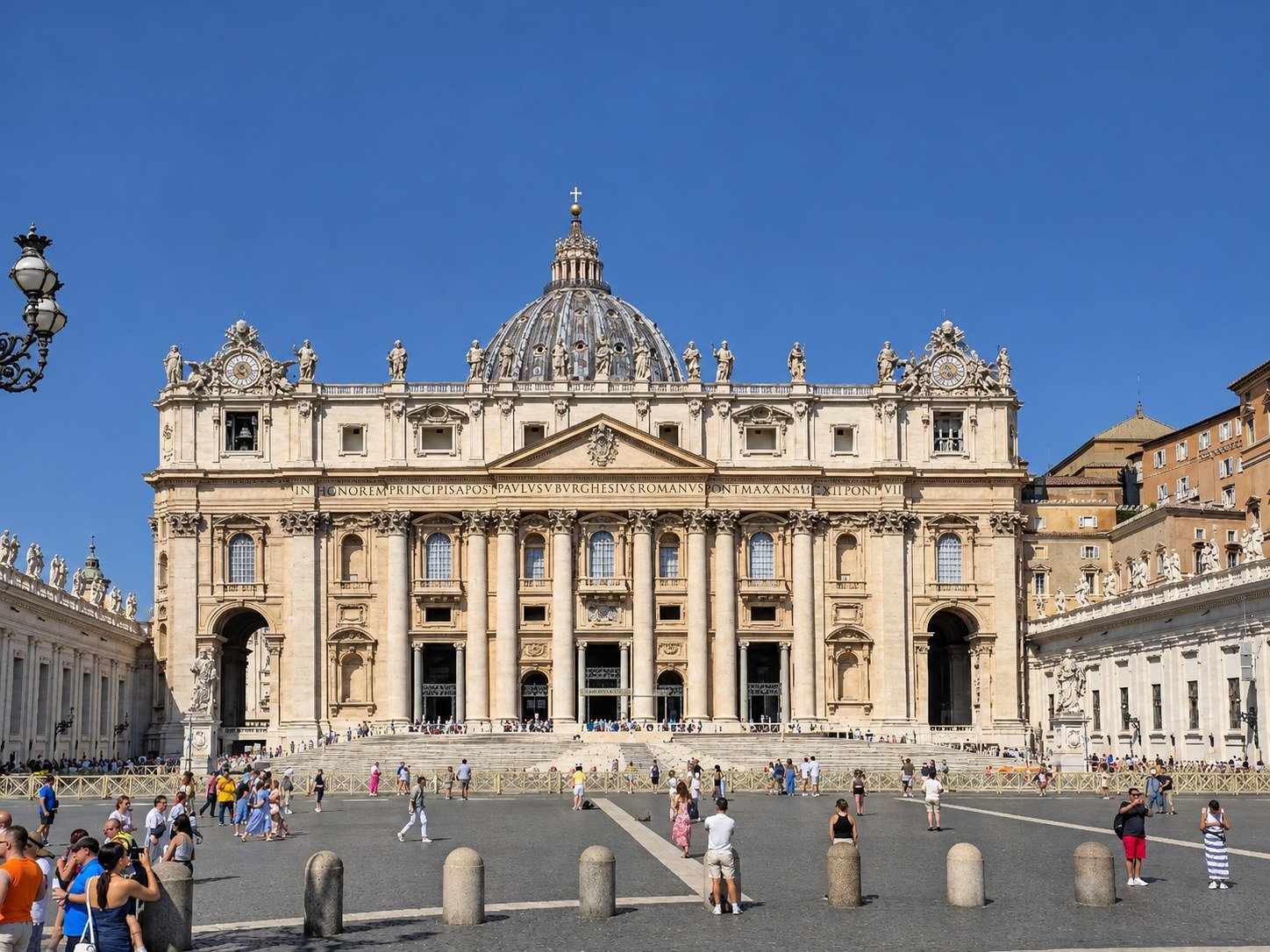
On 18 November 1626 Pope Urban VIII consecrated the rebuilt St Peter’s Basilica, formally dedicating it to worship. Four hundred years later, the church remains...
Read More →
According to the notification published in Part One of the Government of India Gazette on 28 November 1903, the East Indian Railway authorised for the first tim...
Read More →
On September 10, 1509, Constantinople, the capital of the Ottoman Empire, was struck by a powerful earthquake that caused extensive destruction to homes, religi...
Read More →
On 1 February 1887, in what is now Los Angeles County in the US state of California, Harvey Wilcox formally registered his privately owned agricultural land as ...
Read More →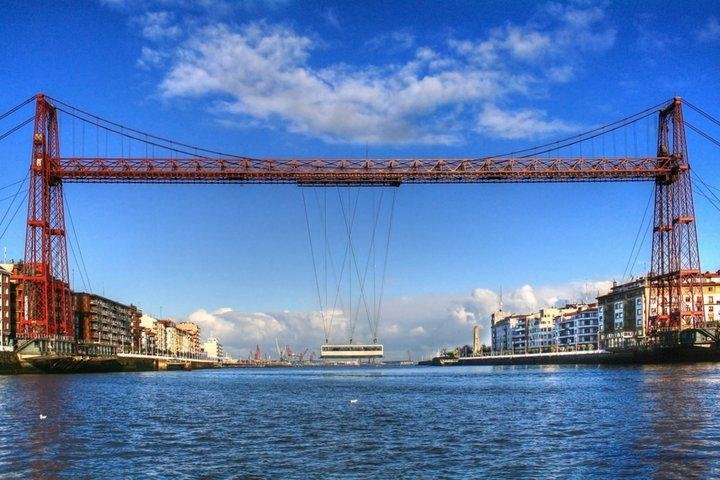
The Vizcaya Bridge opened to the public in northern Spain. Recognised as the world’s first transporter bridge, it introduced a new approach to bridge constructi...
Read More →
The acquisition of land for the Model Town Society was one of the most remarkable and spirited chapters in its early history. Dewan Khem Chand and his...

Between 1921 and 1924, the land for Model Town Lahore was acquired in successive phases. The process began in 1921, shortly after the establishment of...
No comments yet. Be the first to comment!