
Syed Shayan Real Estate Archive
From Real Estate History
On This Date
Governor Richard Bourke laid the foundation stone of Parramatta’s Lennox Bridge on 23 November 1836. Its construction and later adaptation illustrate how transport infrastructure supports urban connections while becoming part of a city’s architectural heritage.
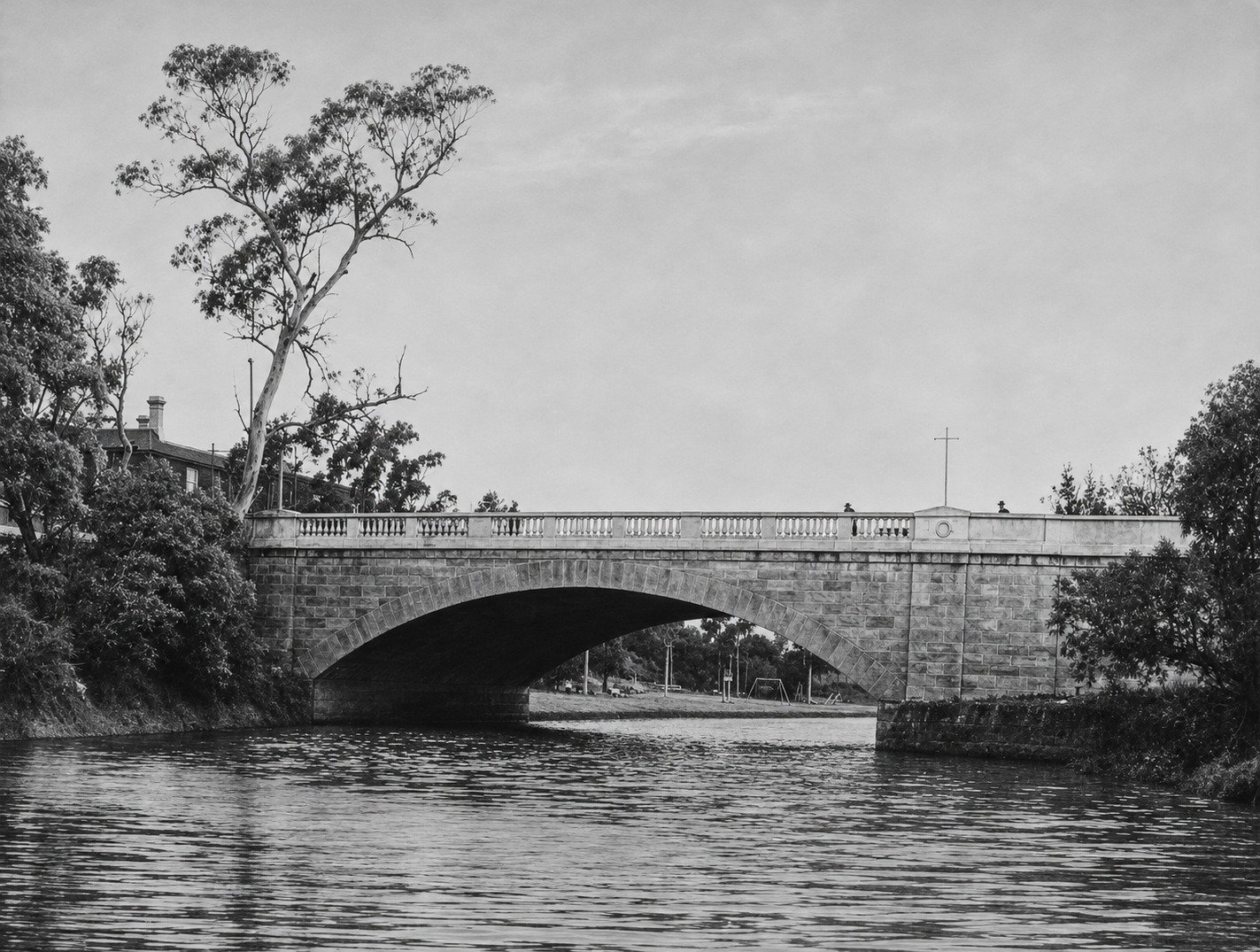
On 23 November 1836, Governor Richard Bourke laid the foundation stone of the bridge now known as Lennox Bridge in Parramatta, Australia. The City of Parramatta’s historical account records the ceremony during a construction programme that had begun the previous month. It marked a documented stage in replacing an inadequate river crossing with a substantial sandstone structure.
Heritage NSW identifies the site, where Church Street crosses the Parramatta River, as the district’s earliest documented colonial river crossing. Building there maintained an established connection within the town while providing more substantial infrastructure.
David Lennox, the colonial Superintendent of Bridges, developed the design. Discussions included alternative structural proposals and the width of the arch. The council’s account records Lennox’s concern that reducing the span would restrict floodwater, connecting engineering decisions with the river’s physical conditions.
Construction required stonemasons, lime, quarried stone and organised transport of materials. Labour difficulties slowed progress, but one side opened to limited traffic by September 1838. Completion followed in 1839 at a recorded final cost of £1,797. The bridge received the name Lennox Bridge in 1867, honouring its designer decades after the foundation ceremony.
Heritage NSW describes the structure as a sandstone masonry bridge built using convict labour, with stone sourced from the Parramatta Female Factory quarry. Its architectural importance includes the surviving stone arch and the craftsmanship of its construction. It is recognised as the third-oldest surviving masonry bridge in New South Wales.
Later development changed the demands placed on the crossing. A New South Wales planning assessment records strengthening for tramway use in 1901–1902, followed by alterations for footpaths, road widening and access to neighbouring retail. These changes show how public infrastructure can be adapted as transport systems and surrounding land uses evolve.
Pedestrian portals constructed through the bridge’s northern and southern abutments during 2014–2015 introduced riverside connections through the heritage structure. This work extended its role in public access while requiring careful management of its historic fabric.
▪️Syed Shayan Real Estate Archive
▪ Reference(s):
On This Date
گورنر رچرڈ بورک نے 23 نومبر 1836 کو آسٹریلیا کے شہر پیراماٹا میں لینکس پل کا سنگِ بنیاد رکھا۔ اس کی تعمیر اور بعد کی تبدیلیاں ظاہر کرتی ہیں کہ ٹرانسپورٹ کا بنیادی ڈھانچہ شہری رابطوں کو برقرار رکھتے ہوئے تعمیراتی ورثے کا حصہ کیسے بنتا ہے۔
23 نومبر 1836 کو گورنر رچرڈ بورک نے آسٹریلیا کے شہر پیراماٹا میں اس پل کا سنگِ بنیاد رکھا، جو آج لینکس پل کے نام سے معروف ہے۔ پیراماٹا کی شہری انتظامیہ کے تاریخی ریکارڈ کے مطابق، یہ تقریب تعمیراتی کام شروع ہونے کے اگلے ماہ منعقد ہوئی۔ یہ ایک ناکافی دریائی گزرگاہ کی جگہ بلوا پتھر کا مضبوط پل تعمیر کرنے کے منصوبے کا اہم مرحلہ تھا۔
نیو ساؤتھ ویلز کے ادارۂ تحفظِ ورثہ کے مطابق، چرچ اسٹریٹ پر دریائے پیراماٹا کے اس مقام کو علاقے کی قدیم ترین دستاویزی نوآبادیاتی دریائی گزرگاہ کی حیثیت حاصل ہے۔ یہاں نئے پل کی تعمیر نے قصبے کے پہلے سے قائم زمینی رابطے کو برقرار رکھتے ہوئے زیادہ مضبوط بنیادی ڈھانچہ فراہم کیا۔
نوآبادیاتی دور کے سپرنٹنڈنٹ آف برجز ڈیوڈ لینکس نے پل کا ڈیزائن تیار کیا۔ منصوبے پر ہونے والی مشاورت میں متبادل تعمیراتی تجاویز اور محراب کے پھیلاؤ پر غور کیا گیا۔ شہری انتظامیہ کے ریکارڈ کے مطابق، لینکس کو خدشہ تھا کہ محراب کا پھیلاؤ کم کرنے سے سیلابی پانی کا بہاؤ متاثر ہوگا۔ یوں تعمیراتی فیصلوں میں دریا کی قدرتی کیفیت کو بھی مدنظر رکھا گیا۔
تعمیر کے لیے سنگ تراشوں، چونے، کان سے نکالے گئے پتھر اور تعمیراتی سامان کی منظم ترسیل درکار تھی۔ افرادی قوت کی مشکلات سے کام کی رفتار متاثر ہوئی، تاہم ستمبر 1838 تک پل کا ایک حصہ محدود آمدورفت کے لیے کھول دیا گیا۔ تعمیر 1839 میں مکمل ہوئی اور حتمی لاگت 1,797 پاؤنڈ ریکارڈ کی گئی۔ سنگِ بنیاد رکھنے کے کئی دہائیوں بعد، 1867 میں، اس کے ڈیزائنر کے اعزاز میں اسے لینکس پل کا نام دیا گیا۔
اس کی آج تک برقرار پتھریلی محراب اور سنگ تراشی تعمیراتی اہمیت کی حامل ہیں۔ بلوا پتھر کے اس پل کی تعمیر میں قیدیوں سے محنت لی گئی، جبکہ پتھر پیراماٹا فیمیل فیکٹری کی کان سے حاصل کیا گیا۔ اس کی محفوظ محراب اور سنگ تراشی تعمیراتی اہمیت کی حامل ہیں۔ اسے نیو ساؤتھ ویلز میں پتھر کی چنائی سے تعمیر کردہ باقی ماندہ پلوں میں تیسرا قدیم ترین پل تسلیم کیا جاتا ہے۔
بعد کی شہری ترقی کے ساتھ اس گزرگاہ کی ضروریات بھی تبدیل ہوئیں۔ نیو ساؤتھ ویلز کی ایک منصوبہ بندی رپورٹ کے مطابق، 1901–1902 میں ٹرام چلانے کے لیے پل کو مضبوط کیا گیا۔ بعد ازاں پیدل راستوں، سڑک کی کشادگی اور قریبی تجارتی مراکز تک رسائی کے لیے بھی تبدیلیاں کی گئیں۔ یہ اقدامات ظاہر کرتے ہیں کہ نقل و حمل اور اردگرد زمین کے استعمال میں تبدیلی کے ساتھ عوامی بنیادی ڈھانچے کو بھی نئی ضروریات کے مطابق ڈھالا جا سکتا ہے۔
2014–2015 کے دوران پل کے شمالی اور جنوبی پشتوں میں پیدل گزرگاہیں بنائی گئیں، جن سے دریا کے کنارے آمدورفت کے نئے رابطے قائم ہوئے۔ اس کام نے عوامی رسائی میں پل کے کردار کو وسعت دی، جبکہ اس کی تاریخی ساخت کے محتاط تحفظ کی ضرورت بھی برقرار رہی۔
▪️ سید شایان ریئل اسٹیٹ آرکائیو
▪ حوالہ جات:
On 11 July 2007, global attention turned towards one of the most significant demographic transformations in human history: the world was entering an era in whic...
Read More →
On November 6, 1995, the Government of Sindh embarked on one of the most ambitious urban land reform programs in Pakistan’s history the Karachi Katchi Abadi Reg...
Read More →
The developing rail network improved access to agricultural land, connected producers with markets and helped shape investment in farms, settlements, and urban ...
Read More →
On October 25, 1992, the Government of Pakistan introduced a landmark Housing Finance Policy aimed at increasing homeownership and stimulating the real estate s...
Read More →
September 4, 1666, stands as an important date in global real estate and urban history. On this day, the Great Fire of London reached its peak after starting tw...
Read More →
The acquisition of land for the Model Town Society was one of the most remarkable and spirited chapters in its early history. Dewan Khem Chand and his...

Between 1921 and 1924, the land for Model Town Lahore was acquired in successive phases. The process began in 1921, shortly after the establishment of...
No comments yet. Be the first to comment!