On This Date
China Launches Shenzhen Special Housing Corridor to Support Rapid Industrial Workforce
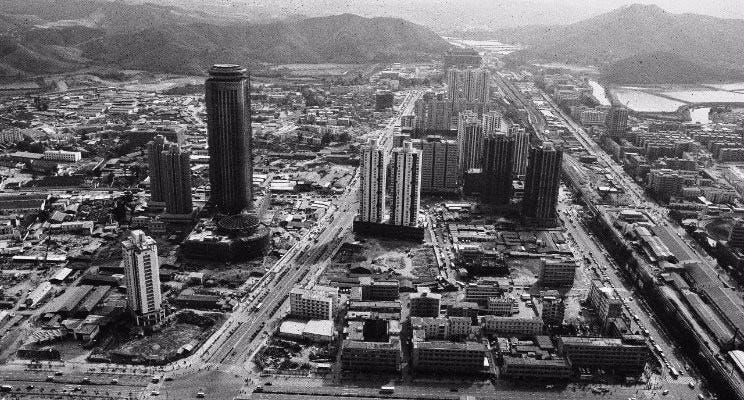
On November 17, 1982, the Chinese government initiated the Shenzhen Special Housing Corridor, one of the earliest urban housing reforms designed to manage the massive influx of workers entering the new Special Economic Zone (SEZ). Shenzhen, which had transformed from a fishing town into an industrial magnet in just two years, lacked proper housing for factory labor. The new corridor project introduced multi-story dormitory blocks, standardized apartment units, dedicated utility pipelines, and a grid-style urban layout. It became China’s first experiment where housing and industrial growth were planned together. The project helped stabilize Shenzhen’s workforce by providing affordable accommodation within walking distance of manufacturing hubs. It also influenced China’s national housing policy, encouraging the development of worker housing towns across Guangzhou, Shanghai, and Tianjin. Urban historians regard the 1982 Shenzhen corridor as the foundation of China’s modern megacity planning model, where economic zones and residential zones grow systematically and simultaneously.
▪️Syed Shayan Real Estate Archive
▪ Reference(s):
On This Date
چین نے تیزی سے بڑھتی صنعتی افرادی قوت کے لیے شینزین اسپیشل ہاؤسنگ کوریڈور کا آغاز کیا
17 نومبر 1982 کو چینی حکومت نے شینزین اسپیشل ہاؤسنگ کوریڈور کا آغاز کیا، جو تیزی سے بڑھتی ہوئی صنعتی افرادی قوت کے لیے متعارف کروائی گئی ابتدائی شہری ہاؤسنگ اصلاحات میں سے ایک تھا۔ شینزین، جو محض دو سال میں مچھلیوں کے گاؤں سے ایک صنعتی مرکز میں بدل چکا تھا، فیکٹری مزدوروں کے لیے مناسب رہائش سے محروم تھا۔ اس ہاؤسنگ کوریڈور میں کئی منزلہ ڈارمیٹری بلاکس، معیاری اپارٹمنٹس، بجلی و پانی کی خصوصی لائنیں، اور گرڈ طرز کا شہری نقشہ شامل تھا۔ یہ چین کا پہلا تجربہ تھا جس میں رہائش اور صنعت کو ساتھ ساتھ منصوبہ بند کیا گیا۔ اس منصوبے نے مزدوروں کو سستی رہائش فراہم کر کے صنعتی پیداواری عمل کو مستحکم کیا، اور بعد میں گوانگژو، شنگھائی اور تیانجن میں ورکر ہاؤسنگ ٹاؤنز کے قیام پر بھی اثر ڈالا۔ شہری ماہرین کے مطابق 1982 کا یہ منصوبہ چین کے جدید میگا سٹی ماڈل کی بنیاد ثابت ہوا جس میں معاشی زون اور رہائشی علاقے بیک وقت اور منظم انداز میں بڑھتے ہیں۔
▪️ سید شایان ریئل اسٹیٹ آرکائیو
▪ حوالہ جات:
On This Date
Peshawar Launches First Ring Road Housing Expansion to Ease Inner-City Congestion

On November 17, 1994, the Peshawar Development Authority (PDA) began its first Ring Road Housing Expansion Scheme to reduce congestion inside the historical core of Peshawar. By the mid-1990s, Hayatabad, Gulbahar and inner Saddar were experiencing severe residential pressure due to migration from tribal districts and rising commercial activity. The new Ring Road expansion introduced structured residential zones, planned 30–40 ft streets, electrification corridors, storm-water drains, and reserved land for parks and schools. This marked one of the first attempts to decentralize Peshawar’s population and push housing growth outward rather than inward. The plan attracted middle-income families and small real estate developers, resulting in early settlements around Palosi, Pishtakhara, and Kohat Road junctions. Urban experts see the 1994 expansion as a defining shift that redirected Peshawar’s urban footprint and laid the groundwork for later developments such as Regi Model Town and Ring Road Phase-II. The initiative helped formalize land-use rules, reduced traffic burden in the walled city, and signaled Peshawar’s transformation from a compact historic town into a structured metropolitan region.
▪️Syed Shayan Real Estate Archive
▪ Reference(s):
On This Date
پشاور نے اندرون شہر کے دباؤ کو کم کرنے کے لیے پہلی رنگ روڈ ہاؤسنگ توسیع کا آغاز کیا
17 نومبر 1994 کو پشاور ڈویلپمنٹ اتھارٹی (PDA) نے اندرون شہر کے شدید دباؤ کو کم کرنے کے لیے پہلی رنگ روڈ ہاؤسنگ توسیع اسکیم کا آغاز کیا۔ 1990 کی دہائی کے وسط تک حیات آباد، گل بہار اور صدر کے اندرونی علاقے مسلسل ہجرت، قبائلی اضلاع سے آمد اور بڑھتی ہوئی تجارتی سرگرمیوں کے باعث شدید رہائشی دباؤ کا شکار تھے۔ رنگ روڈ کی اس توسیع میں باقاعدہ رہائشی زون، 30 تا 40 فٹ کی منصوبہ بند سڑکیں، بجلی کی لائنیں، نکاسی آب کا نظام، اور پارکس و اسکولوں کے لیے مختص زمین شامل تھی۔ یہ پشاور کی آبادی کو مرکز سے اطراف کی طرف منتقل کرنے کی پہلی منظم کوششوں میں سے ایک تھی۔ اس منصوبے نے متوسط طبقے اور چھوٹے رئیل اسٹیٹ ڈیویلپرز کو راغب کیا، جس کے نتیجے میں پلوسی، پشتاخارہ اور کوہاٹ روڈ انٹرچینج کے قریب ابتدائی بستیاں وجود میں آئیں۔ ماہرین کے مطابق 1994 کی یہ توسیع پشاور کے شہری نقشے کی سمت بدلنے کا سنگ میل ثابت ہوئی اور ریگی ماڈل ٹاؤن اور رنگ روڈ فیز II جیسے منصوبوں کی بنیاد بنی۔ اس اقدام نے لینڈ یوز کے اصولوں کو مضبوط کیا، اندرون شہر کی ٹریفک میں کمی کی، اور پشاور کو ایک منظم میٹروپولیٹن خطے کی طرف منتقل کیا۔
▪️ سید شایان ریئل اسٹیٹ آرکائیو
▪ حوالہ جات:
No comments yet. Be the first to comment!