
Syed Shayan Real Estate Archive
Syed Shayan Real Estate Archive
From Real Estate History
On This Date
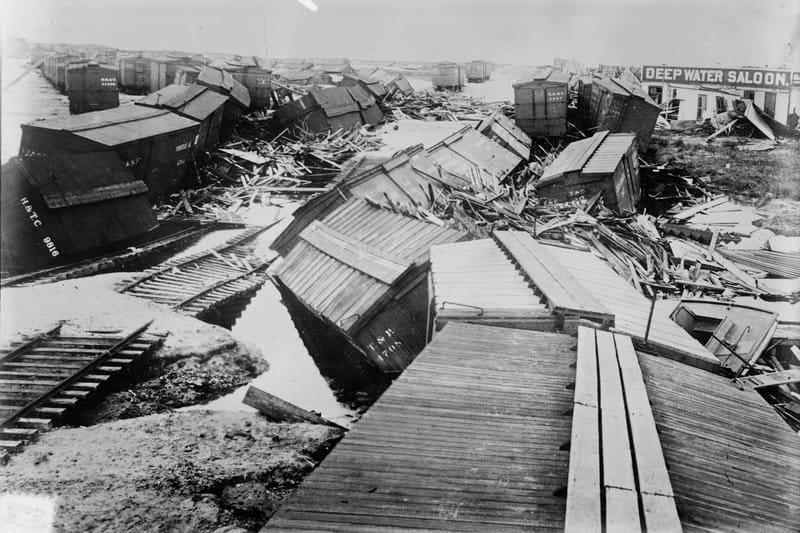
On September 8, 1900, the devastating Galveston Hurricane struck Galveston, Texas, becoming one of the deadliest natural disasters in U.S. history. The disaster was also a defining moment in the history of property, urban planning, construction and coastal real estate.
The hurricane destroyed 2,636 houses in Galveston and damaged thousands of additional buildings. Property losses were estimated at approximately $28–30 million at the time—a staggering amount for 1900.
What makes the event particularly significant for real estate is what happened after the disaster.
Instead of simply rebuilding the destroyed properties, Galveston undertook one of the most extraordinary urban-engineering projects of its era. The city constructed a massive seawall, initially about six miles long and 17 feet above mean low tide, while large sections of the city were physically raised above the existing ground level.
The scale of the reconstruction was extraordinary. Sand was pumped from the Gulf to raise the city's grade by as much as 17 feet, and 2,146 buildings had to be raised, along with streetcar tracks, fireplugs and water pipes. Even a 3,000-ton church was lifted with jacks and had fill pumped underneath it.
The September 8, 1900 disaster fundamentally changed the way Galveston approached coastal property development and urban resilience. It demonstrated that rebuilding after a catastrophic event could involve not merely replacing buildings, but completely redesigning the physical foundations and protective infrastructure of an entire city.
The lessons remain highly relevant today for cities facing flooding, sea-level rise, extreme weather, coastal development and climate-related property risks.
The U.S. National Weather Service describes the September 8, 1900 hurricane as the greatest natural disaster to strike the United States at the time, with at least 6,000 deaths.
▪️Syed Shayan Real Estate Archive
▪ Reference(s):
On This Date
8 ستمبر 1900 کو امریکا کی ریاست ٹیکساس کے ساحلی شہر گیلویسٹن سے ٹکرانے والا تباہ کن سمندری طوفان امریکی تاریخ کی مہلک ترین قدرتی آفات میں شمار ہوتا ہے۔ یہ سانحہ صرف انسانی جانوں اور املاک کے بڑے پیمانے پر نقصان تک محدود نہیں رہا بلکہ اس نے پراپرٹی، شہری منصوبہ بندی، تعمیرات اور ساحلی رئیل اسٹیٹ کے مستقبل پر بھی گہرے اثرات مرتب کیے۔
سمندری طوفان نے گیلویسٹن میں ہزاروں عمارتوں کو شدید نقصان پہنچایا جبکہ 2,636 مکانات تباہ ہوئے۔ اس وقت املاک کو پہنچنے والے نقصان کا تخمینہ تقریباً 28 سے 30 ملین ڈالر لگایا گیا تھا، جو 1900 کے لحاظ سے ایک انتہائی بھاری مالی نقصان تھا۔
تاہم رئیل اسٹیٹ اور شہری ترقی کے حوالے سے اس سانحے کی اصل اہمیت اس کے بعد شروع ہونے والی تعمیر نو میں سامنے آئی۔
گیلویسٹن نے تباہ شدہ عمارتوں کو محض دوبارہ تعمیر کرنے کے بجائے پورے شہر کے بنیادی ڈھانچے اور زمینی سطح کو تبدیل کرنے کا غیر معمولی منصوبہ شروع کیا۔ شہر کو مستقبل کے سمندری طوفانوں سے محفوظ رکھنے کے لیے ایک وسیع سی وال تعمیر کی گئی، جو ابتدائی طور پر تقریباً چھ میل طویل اور اوسط کم مدوجزر کی سطح سے 17 فٹ بلند تھی۔
اس کے ساتھ ساتھ شہر کے بڑے حصے کو موجودہ زمینی سطح سے بلند کیا گیا۔ خلیجِ میکسیکو سے ریت پمپ کرکے شہر کی سطح بعض مقامات پر 17 فٹ تک بلند کی گئی۔ اس بڑے پیمانے کی انجینئرنگ کے دوران 2,146 عمارتوں کو بھی اٹھا کر نئی بلند سطح پر منتقل کرنا پڑا، جبکہ ٹرام کی پٹریوں، فائر ہائیڈرنٹس اور پانی کی پائپ لائنوں سمیت بنیادی شہری سہولیات کو بھی نئی سطح کے مطابق ڈھالا گیا۔
اس منصوبے کی غیر معمولی نوعیت کا اندازہ اس بات سے لگایا جا سکتا ہے کہ تقریباً 3,000 ٹن وزنی ایک چرچ کو بھی جیکس کی مدد سے بلند کیا گیا اور اس کے نیچے مٹی اور ریت بھر کر اسے نئی سطح پر قائم کیا گیا۔
8 ستمبر 1900 کا یہ سانحہ گیلویسٹن میں ساحلی پراپرٹی ڈویلپمنٹ اور شہری تحفظ کے تصور کے لیے ایک فیصلہ کن موڑ ثابت ہوا۔ اس واقعے نے یہ واضح کیا کہ کسی بڑے قدرتی سانحے کے بعد تعمیر نو کا مطلب صرف تباہ شدہ عمارتوں کو دوبارہ کھڑا کرنا نہیں بلکہ پورے شہر کی زمینی ساخت، حفاظتی نظام اور بنیادی شہری انفراسٹرکچر کو نئے سرے سے ڈیزائن کرنا بھی ہو سکتا ہے۔
گیلویسٹن کی یہ تاریخی مثال آج بھی ان شہروں کے لیے اہم سبق رکھتی ہے جو سیلاب، سمندر کی سطح میں اضافے، شدید موسمی حالات، ساحلی تعمیرات اور موسمیاتی تبدیلی سے پیدا ہونے والے رئیل اسٹیٹ خطرات کا سامنا کر رہے ہیں۔
امریکی نیشنل ویدر سروس کے مطابق 8 ستمبر 1900 کا گیلویسٹن ہریکین اس وقت امریکا سے ٹکرانے والی سب سے بڑی قدرتی آفت قرار دیا گیا تھا، جس میں کم از کم 6,000 افراد جاں بحق ہوئے۔
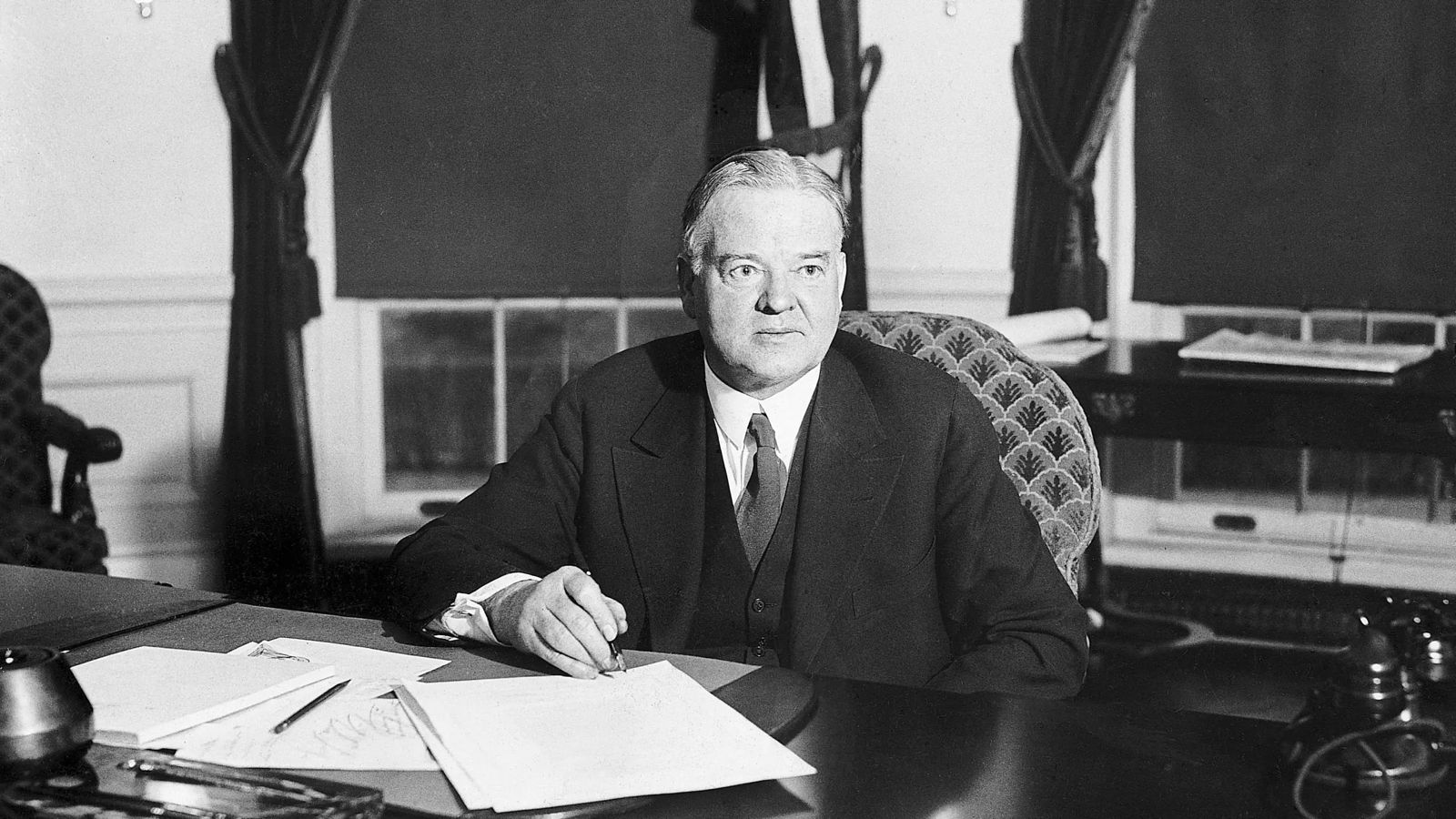
Amid the continuing economic crisis, President Herbert Hoover inaugurated the White House Conference on Home Building and Home Ownership today in Washington. Th...
Read More →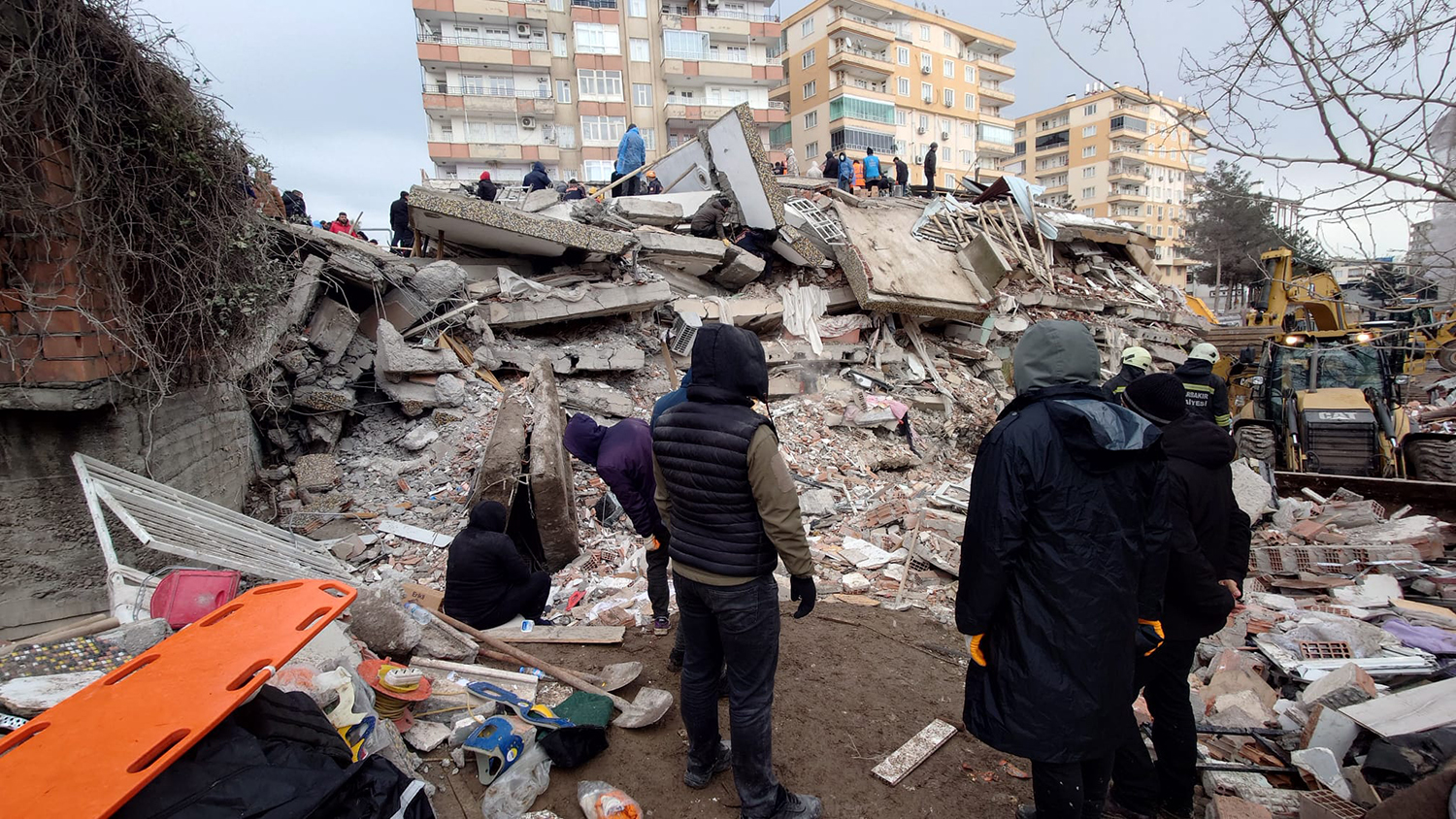
On October 21, 2005, following the devastating earthquake of October 8, the Government of Pakistan announced a comprehensive reconstruction package for earthqua...
Read More →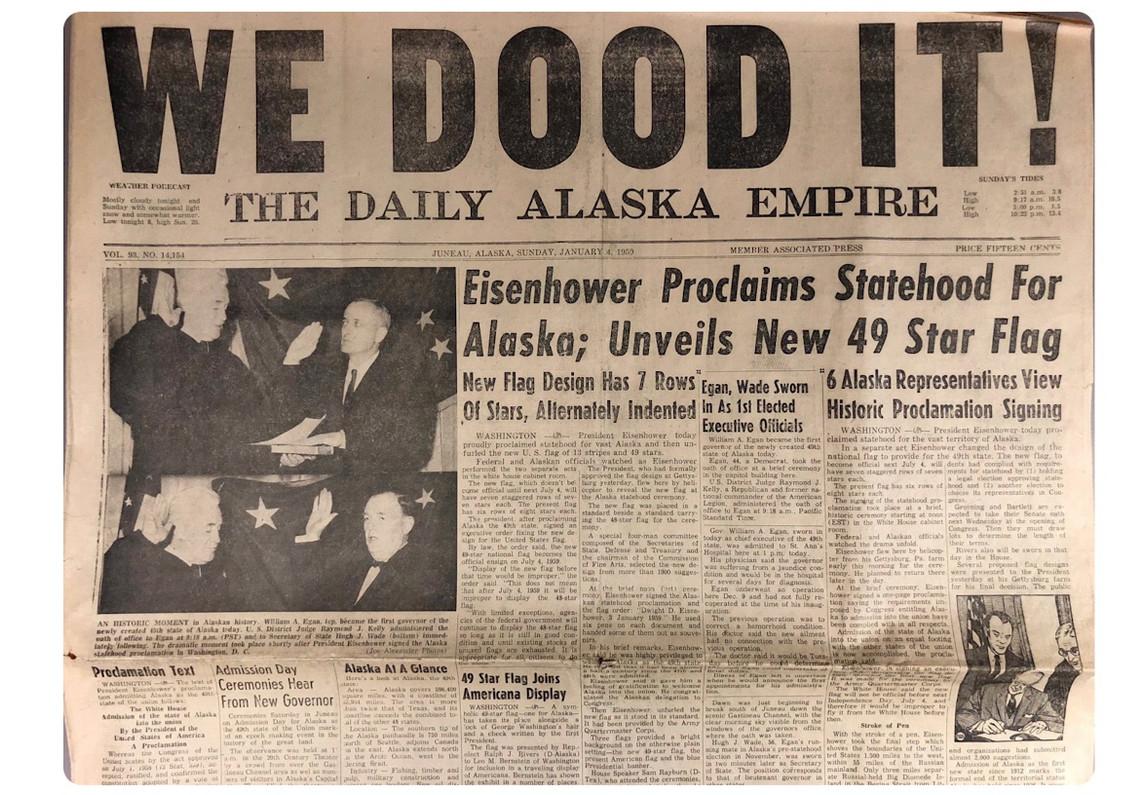
3 January 1959 marks not merely the admission of Alaska as the forty ninth state of the United States, but a historically significant moment representing the tr...
Read More →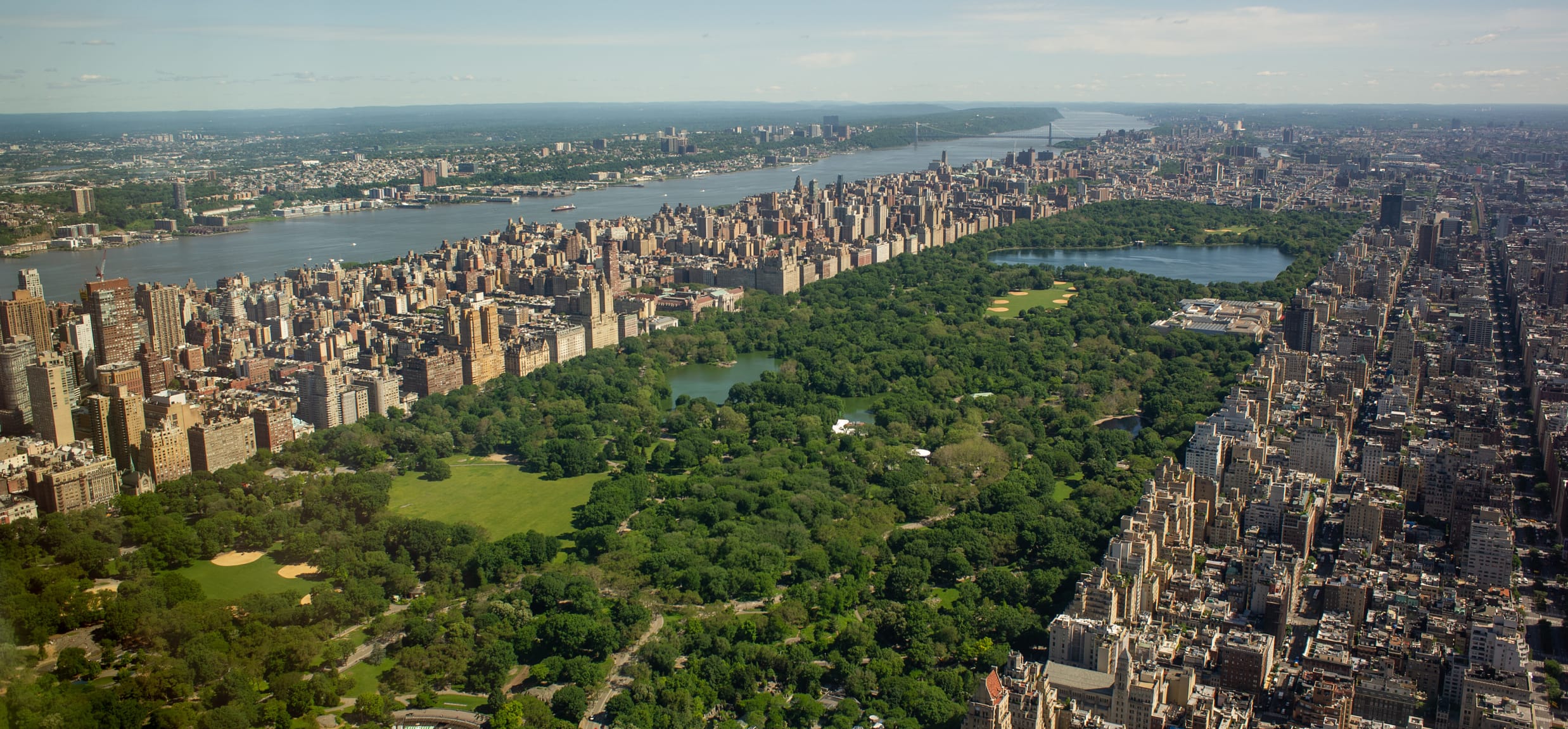
On November 7, 1857, the New York State authorities officially approved the design proposal by Frederick Law Olmsted and Calvert Vaux for Central Park, marking ...
Read More →On November 23, 1971, the United Nations General Assembly convened an urgent session in New York to address the rapidly escalating humanitarian crisis in South ...
Read More →
The acquisition of land for the Model Town Society was one of the most remarkable and spirited chapters in its early history. Dewan Khem Chand and his...

Between 1921 and 1924, the land for Model Town Lahore was acquired in successive phases. The process began in 1921, shortly after the establishment of...
No comments yet. Be the first to comment!