On This Date
US Model Cities Act Signed on November 3, 1966
Landmark law linked housing renewal with wider neighbourhood development. The programme sought to tackle urban blight through coordinated federal support.
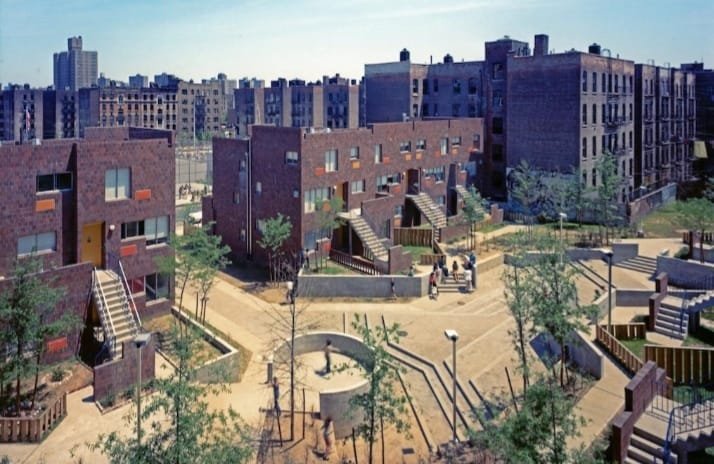
On November 3, 1966, US President Lyndon B. Johnson signed the Demonstration Cities and Metropolitan Development Act, a landmark in the country’s urban policy. Its “Model Cities” programme aimed to help cities address deteriorating neighbourhoods through coordinated action on housing, public facilities and social services. The law is more than half a century old and offers a notable example of how governments have connected housing policy with broader city planning.
The act came at a time when many American cities faced poverty, substandard housing and urban decay. Earlier approaches to urban renewal often focused on clearing and rebuilding physical areas. Johnson’s administration proposed a wider effort: combine reconstruction and housing rehabilitation with services for residents, while coordinating programmes that had previously been handled by separate agencies.
In his remarks at the signing, Johnson said the legislation recognised that cities were made of people, “not just bricks and mortar.” He argued that clearing slums would not solve the problem if displaced residents had nowhere to live. The act therefore made housing and the needs of local communities part of a broader renewal effort. The law authorised federal assistance for comprehensive city demonstration programmes in areas affected by slums and blight. Its stated purpose included rebuilding those areas and providing public facilities and services to improve residents’ welfare. The administration’s earlier proposal also called for more low- and moderate-cost housing, rehabilitation of existing homes, schools, parks and community facilities, and relocation housing for people displaced by redevelopment.
The programme required cities to bring different parts of urban policy together. Housing, transport, education and other services were intended to support a coordinated plan for each designated area. This reflected a shift in thinking: neighbourhood renewal was not simply a construction project, but an effort to change the conditions affecting residents’ daily lives.
The initiative moved into implementation the following year. In its 1967 annual report, the US Department of Housing and Urban Development said 193 localities had applied for the first round of Model Cities planning grants. Sixty-three communities were selected to prepare plans addressing physical and social needs in their most troubled neighbourhoods. The report described better housing as one part of a wider package that included health, education, job training and social services.
The Model Cities programme did not resolve the deep housing and poverty challenges facing American cities. Its significance lies in the policy approach it represented: federal support for urban renewal was tied to coordinated planning and community needs, alongside redevelopment of the built environment.
November 3, 1966, therefore marks an important date in the history of housing and urban development in the United States.
▪️Syed Shayan Real Estate Archive
▪ Reference(s):
On This Date
امریکی ماڈل سٹیز ایکٹ 3 نومبر 1966 کو نافذ ہوا
اہم قانون کے تحت رہائشی علاقوں کی بحالی کو وسیع تر شہری ترقی سے جوڑا گیا، پروگرام کا مقصد وفاقی تعاون سے شہری زوال اور خستہ حال محلوں کے مسائل حل کرنا تھا
3 نومبر 1966 کو امریکی صدر لنڈن بی جانسن نے ڈیمونسٹریشن سٹیز اینڈ میٹروپولیٹن ڈویلپمنٹ ایکٹ پر دستخط کیے۔ اس قانون کے تحت شروع کیے گئے ’’ماڈل سٹیز‘‘ پروگرام کا مقصد رہائشی علاقوں، عوامی سہولتوں اور سماجی خدمات کو یکجا کرکے خستہ حال محلوں کے مسائل سے نمٹنا تھا۔
یہ قانون امریکی شہری پالیسی کا ایک اہم سنگِ میل سمجھا جاتا ہے اور اس سے ظاہر ہوتا ہے کہ حکومتیں رہائشی پالیسی کو وسیع تر شہری منصوبہ بندی کے ساتھ کیسے جوڑ سکتی ہیں۔
اس وقت امریکا کے کئی شہر غربت، غیر معیاری رہائش اور شہری زوال جیسے مسائل سے دوچار تھے۔
شہری تجدید کے پہلے طریقوں میں عموماً متاثرہ علاقوں کو خالی کرانے اور دوبارہ تعمیر کرنے پر توجہ دی جاتی تھی۔ جانسن انتظامیہ نے اس کے بجائے زیادہ جامع حکمتِ عملی پیش کی، جس میں تعمیرِ نو اور رہائشی عمارتوں کی بحالی کے ساتھ مقامی آبادی کے لیے خدمات فراہم کرنا بھی شامل تھا۔ اس کا ایک مقصد مختلف سرکاری اداروں کے الگ الگ پروگراموں میں بہتر رابطہ پیدا کرنا تھا۔
قانون پر دستخط کے موقع پر جانسن نے کہا کہ شہر صرف ’’اینٹوں اور گارے‘‘ سے نہیں بلکہ لوگوں سے بنتے ہیں۔ ان کا کہنا تھا کہ اگر کچی آبادیوں کو صاف کرنے کے بعد وہاں سے بے دخل ہونے والے لوگوں کے پاس رہنے کی جگہ نہ ہو تو یہ مسئلے کا حل نہیں۔ اس لیے قانون نے مقامی آبادی کی ضروریات اور رہائش کو شہری تجدید کے وسیع تر منصوبے کا حصہ بنایا۔
اس قانون نے کچی آبادیوں اور خستہ حال علاقوں کی جامع بحالی کے لیے وفاقی معاونت کی اجازت دی۔ اس کا مقصد ایسے علاقوں کی تعمیرِ نو اور وہاں عوامی سہولتوں اور خدمات کی فراہمی کے ذریعے شہریوں کی فلاح بہتر بنانا تھا۔ انتظامیہ کی ابتدائی تجویز میں کم اور درمیانی آمدنی والے گھرانوں کے لیے مزید رہائش، موجودہ گھروں کی مرمت و بحالی، اسکولوں، پارکوں اور کمیونٹی سہولتوں کی فراہمی، نیز ترقیاتی منصوبوں سے متاثر ہونے والے افراد کے لیے متبادل رہائش بھی شامل تھی۔
پروگرام کے تحت شہروں کو شہری پالیسی کے مختلف شعبوں میں رابطہ پیدا کرنا تھا۔ رہائش، ٹرانسپورٹ، تعلیم اور دیگر خدمات کو ہر منتخب علاقے کے مربوط منصوبے کا حصہ بنایا جانا تھا۔ اس سوچ کے مطابق محلے کی بحالی محض تعمیراتی سرگرمی نہیں تھی بلکہ اس کا مقصد ان حالات کو بہتر بنانا بھی تھا جو رہائشیوں کی روزمرہ زندگی پر اثر انداز ہوتے ہیں۔
اگلے برس پروگرام پر عمل درآمد شروع ہوا۔ امریکی محکمہ برائے ہاؤسنگ اینڈ اربن ڈیولپمنٹ کی 1967 کی سالانہ رپورٹ کے مطابق، ماڈل سٹیز منصوبہ بندی گرانٹس کے پہلے مرحلے کے لیے 193 مقامی علاقوں نے درخواست دی۔ ان میں سے 63 کمیونٹیز کو اپنے مسائل سے دوچار محلوں کی جسمانی اور سماجی ضروریات پر منصوبے تیار کرنے کے لیے منتخب کیا گیا۔ رپورٹ میں بہتر رہائش کو صحت، تعلیم، روزگار کی تربیت اور سماجی خدمات پر مشتمل وسیع تر پیکیج کا حصہ قرار دیا گیا۔
ماڈل سٹیز پروگرام امریکی شہروں میں غربت اور رہائش کے دیرینہ مسائل حل نہیں کرسکا، تاہم اس نے شہری تجدید کے لیے ایک مربوط طریقۂ کار پیش کیا، جس میں وفاقی معاونت کو منصوبہ بندی اور مقامی آبادی کی ضروریات سے جوڑا گیا۔ اسی لیے 3 نومبر 1966 کو امریکا میں رہائش اور شہری ترقی کی تاریخ کی ایک اہم تاریخ قرار دیا جاتا ہے۔
▪️ سید شایان ریئل اسٹیٹ آرکائیو
▪ حوالہ جات:
No comments yet. Be the first to comment!