
Syed Shayan Real Estate Archive
Syed Shayan Real Estate Archive
From Real Estate History
On This Date
The bridge opened with the world’s longest spans in 1890 and still carries passengers and freight as a UNESCO World Heritage Site
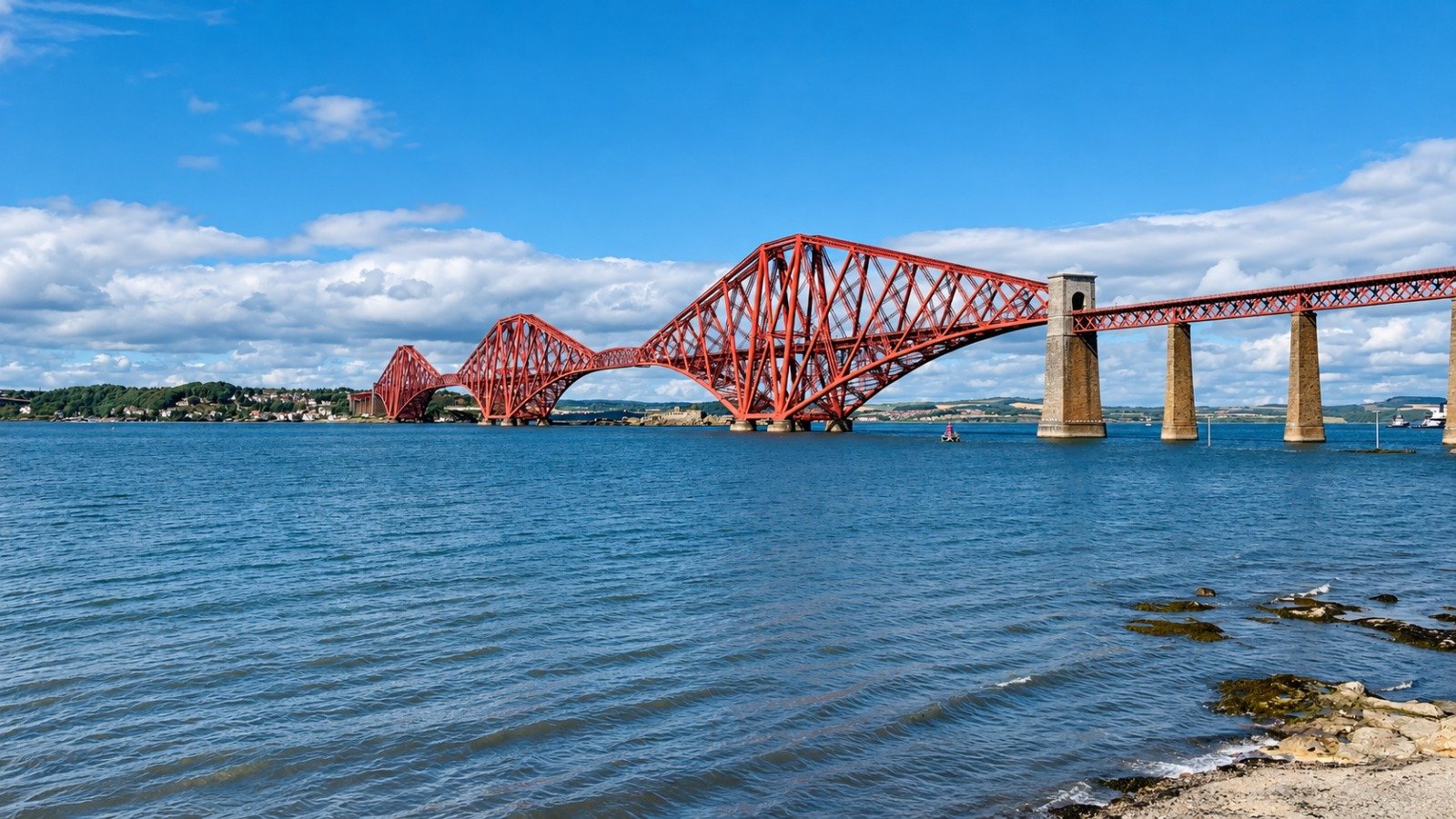
On 15 November 1889, construction was completed on Scotland’s Forth Bridge, a railway crossing that changed how trains travelled along Britain’s east coast. The bridge spanned the Firth of Forth between South Queensferry, now part of Edinburgh, and North Queensferry in Fife. The International Council on Monuments and Sites records that the structure was successfully tested in January 1890 and officially opened on 4 March 1890. The completion marks its 137th anniversary on 15 November 2026.
Before the bridge, trains could cross the estuary aboard a ferry service introduced in 1850 between Granton and Burntisland. An earlier plan for a suspension bridge was abandoned after the Tay Bridge collapsed in a storm in 1879. Engineers John Fowler and Benjamin Baker were then commissioned to design a crossing rigid enough to carry heavy freight trains while keeping the estuary navigable for ships. Their design used the island of Inch Garvie as a foundation site between the two shores.
Fowler and Baker’s design used three double cantilevers. Steel arms extended from either side of each tower, supporting suspended sections that bridged the gaps. The rail deck sat about 46 metres above high water to allow ships to pass beneath it. According to Network Rail, the project used about 53,000 tonnes of steel and 6.5 million rivets. UNESCO records that the two main spans, each measuring 541 metres, were the longest in the world when the bridge opened.
Building the crossing required substantial work below the waterline. Crews sank large chambers known as caissons to construct the foundations and build the piers that would carry the steel towers. Once the foundations were in place, workers erected the towers and built the approach viaducts that connected the bridge to the railway on either shore. The workforce reached about 4,600 at the peak of construction. ICOMOS records that 73 workers died during the project.
The permanent crossing completed a continuous East Coast railway route from London to Aberdeen. Its influence extended beyond the route itself. The bridge demonstrated how steel could carry heavy railway loads across exceptionally long spans, and its exposed framework gave the structure the industrial appearance for which it is still recognised. The same components that bear the weight of passing trains define the bridge’s distinctive silhouette.
Keeping the bridge in service has required sustained investment. Network Rail completed a decade-long, £130 million restoration in 2011 that included stripping and repainting the steelwork and replacing some corroded sections. UNESCO added the bridge to the World Heritage List in 2015, recognising its importance in the development of bridge design and construction. More than a century after the first trains crossed the Forth, the bridge continues to serve the purpose for which it was built, carrying passengers and freight between Edinburgh and Fife.
▪️Syed Shayan Real Estate Archive
▪ Reference(s):
On This Date
فولادی ریلوے پل نے ایڈنبرا اور فائف کو جوڑا اور لندن سے ایبرڈین تک مشرقی ساحلی ریلوے کا مسلسل راستہ مکمل کیا، افتتاح کے وقت پل کے مرکزی دہانے دنیا میں سب سے طویل تھے، یونیسکو کے عالمی ورثے میں شامل پل آج بھی مسافر اور مال بردار ٹرینوں کے زیرِ استعمال ہے
سکاٹ لینڈ کے تاریخی فورتھ برج کی تعمیر 15 نومبر 1889 کو مکمل ہوئی۔ دریائے فورث کے دہانے پر تعمیر کیے گئے اس پل نے ایڈنبرا کے علاقے ساؤتھ کوئنز فیری کو فائف کے علاقے نارتھ کوئنز فیری سے ملایا اور برطانیہ کے مشرقی ساحل پر ریل کا سفر بدل دیا۔ تاریخی یادگاروں اور مقامات کی بین الاقوامی کونسل (آئی کوموس) کے مطابق پل کی آزمائش جنوری 1890 میں کامیابی سے مکمل ہوئی اور اس کا باضابطہ افتتاح 4 مارچ 1890 کو ہوا۔ 15 نومبر 2026 کو پل کی تعمیر مکمل ہونے کے 137 برس پورے ہوں گے۔
پل کی تعمیر سے پہلے ریل کی بوگیاں فیری کے ذریعے دریائی دہانہ عبور کرتی تھیں۔ یہ سروس 1850 میں گرانٹن اور برنٹ آئی لینڈ کے درمیان شروع ہوئی تھی۔ اس مقام پر ایک معلق پل بنانے کا ابتدائی منصوبہ 1879 میں ایک طوفان کے دوران ٹے برج کے انہدام کے بعد ترک کر دیا گیا۔ بعد ازاں انجینئرز جان فولر اور بینجمن بیکر کو ایسا پل ڈیزائن کرنے کی ذمہ داری سونپی گئی جو بھاری مال بردار ٹرینوں کا وزن اٹھا سکے اور نیچے سے بحری جہازوں کی آمدورفت بھی برقرار رہے۔ دونوں انجینئروں نے کناروں کے درمیان واقع جزیرے اِنچ گاروی کو پل کے ایک بنیادی سہارے کے لیے استعمال کیا۔
پل کا ڈیزائن تین دوطرفہ کینٹی لیور حصوں پر مشتمل تھا۔ ہر مینار کے دونوں طرف پھیلے فولادی بازو درمیان میں معلق حصوں کو سہارا دیتے تھے۔ ریلوے پٹڑی بلند آبی سطح سے تقریباً 46 میٹر اوپر رکھی گئی تاکہ جہاز گزر سکیں۔ نیٹ ورک ریل کے مطابق تعمیر میں تقریباً 53 ہزار ٹن فولاد اور 65 لاکھ فولادی کیلیں استعمال ہوئیں۔ یونیسکو کے مطابق پل کے دونوں مرکزی دہانوں میں سے ہر ایک کی لمبائی 541 میٹر تھی اور افتتاح کے وقت یہ دنیا کے طویل ترین دہانے تھے۔
پل کی بنیادوں کے لیے پانی کے نیچے بڑے تعمیراتی چیمبر اتارے گئے، جنہیں کیسن کہا جاتا ہے۔ ان کی مدد سے بنیادیں ڈالی گئیں اور فولادی میناروں کا وزن اٹھانے والے ستون تعمیر کیے گئے۔ اس کے بعد کارکنوں نے مینار کھڑے کیے اور دونوں کناروں پر پل کو موجودہ ریلوے لائن سے ملانے والے رابطہ پل تعمیر کیے۔ کام عروج پر پہنچا تو منصوبے پر تقریباً 4,600 افراد کام کر رہے تھے۔ آئی کوموس کے ریکارڈ کے مطابق تعمیر کے دوران 73 کارکن جان سے گئے۔
فورتھ برج کی تکمیل سے لندن اور ایبرڈین کے درمیان مشرقی ساحل کے ساتھ مسلسل ریلوے رابطہ قائم ہوا۔ اس منصوبے نے یہ بھی دکھایا کہ فولادی ڈھانچے طویل فاصلے پر بھاری ٹرینوں کا وزن اٹھا سکتے ہیں۔ پل کے نمایاں فولادی بازو اور مینار آج بھی اس کی پہچان ہیں۔ یہی اجزا گزرتی ٹرینوں کا وزن اٹھاتے ہیں اور پل کو اس کی مخصوص صنعتی شکل دیتے ہیں۔
پل کو فعال رکھنے کے لیے نیٹ ورک ریل نے 13 کروڑ پاؤنڈ مالیت کا دس سالہ بحالی منصوبہ 2011 میں مکمل کیا۔ اس دوران فولادی ڈھانچے سے پرانی تہیں ہٹا کر دوبارہ رنگ کیا گیا اور زنگ سے متاثرہ بعض حصے تبدیل کیے گئے۔ یونیسکو نے پلوں کے ڈیزائن اور تعمیر کی تاریخ میں اس کی اہمیت کو تسلیم کرتے ہوئے 2015 میں اسے عالمی ورثے کی فہرست میں شامل کیا۔ افتتاح کے ایک صدی سے زیادہ عرصے بعد بھی فورتھ برج پر ایڈنبرا اور فائف کے درمیان مسافر اور مال بردار ٹرینیں چلتی ہیں۔
▪️ سید شایان ریئل اسٹیٹ آرکائیو
▪ حوالہ جات:
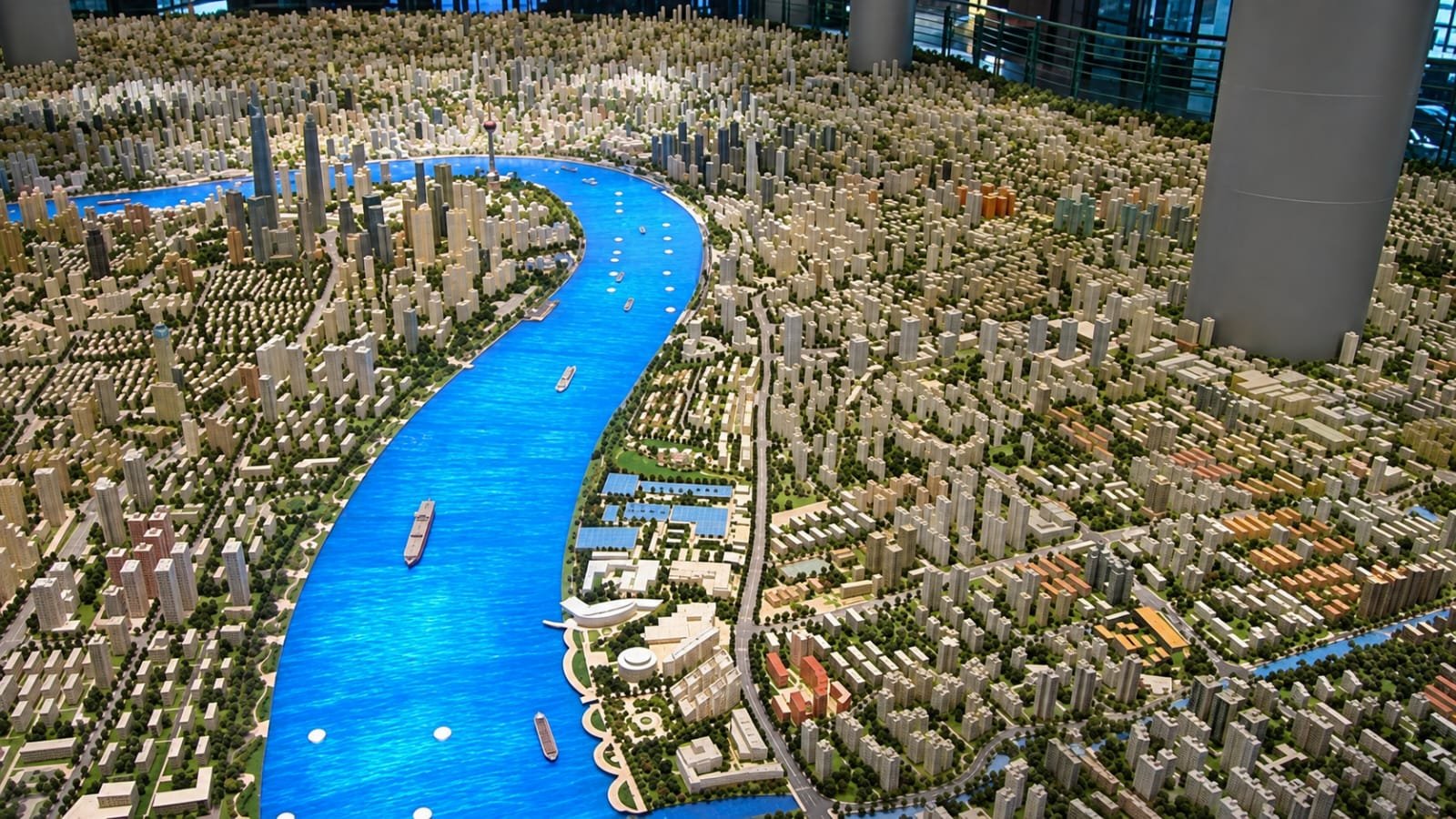
Every November 8, planners and communities mark World Town Planning Day, also known as World Urbanism Day. The observance began in 1949 in Buenos Aires, through...
Read More →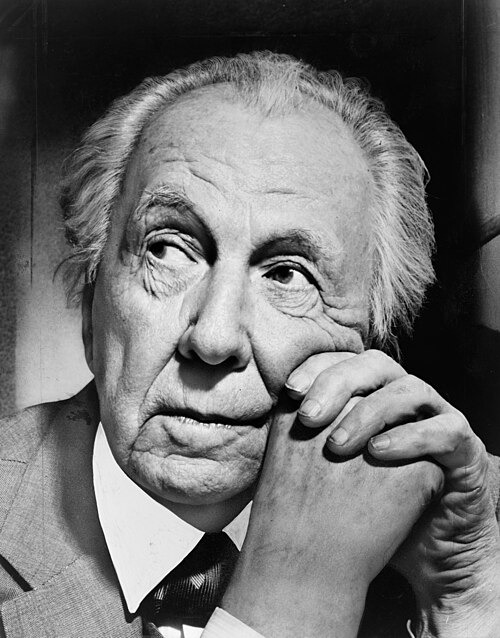
1869: legendary American architect Frank Lloyd Wright was born in Richland Center, Wisconsin. His philosophy of “Organic Architecture” reshaped 20th century re...
Read More →On November 4, 1985, the Capital Development Authority (CDA) approved Islamabad's first comprehensive master plan for systematic sector development. This landma...
Read More →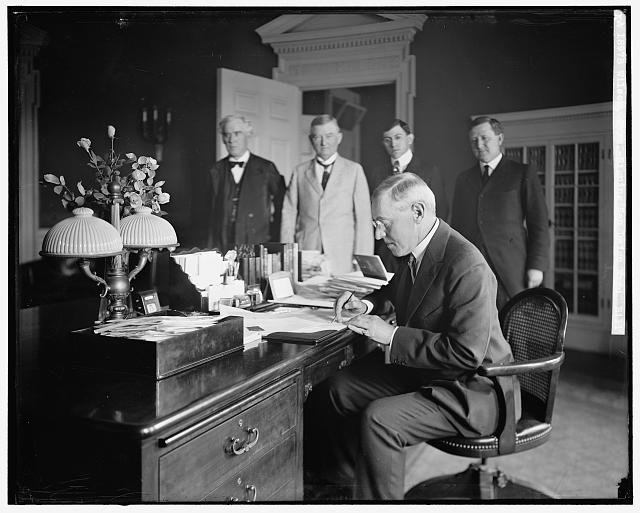
On August 25, 1916, US President Woodrow Wilson signed legislation creating the National Park Service, establishing a unified federal system for managing some o...
Read More →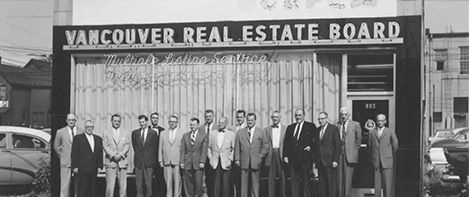
On October 22, 1929, the nation's first comprehensive real estate board was established, creating professional standards and ethical guidelines for property tra...
Read More →
The acquisition of land for the Model Town Society was one of the most remarkable and spirited chapters in its early history. Dewan Khem Chand and his...

Between 1921 and 1924, the land for Model Town Lahore was acquired in successive phases. The process began in 1921, shortly after the establishment of...
No comments yet. Be the first to comment!