
Syed Shayan Real Estate Archive
Syed Shayan Real Estate Archive
From Real Estate History
On This Date
The suspension bridge provided a permanent road crossing below Bangor, linking communities on both sides of the Penobscot River and improving access to coastal Maine
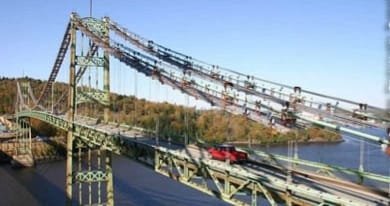
On 16 November 1931, the Waldo–Hancock Bridge opened to traffic across Maine’s Penobscot River, providing the first permanent crossing downstream of Bangor. The bridge carried U.S. Route 1 from Prospect in Waldo County to Verona Island near Bucksport in Hancock County. The opening gave motorists a year-round road connection across a stretch of river previously served by a ferry and improved access between inland communities and the coast.
The project responded to growing traffic on Route 1. In 1929, the Maine legislature authorised $1.2 million in 30-year bonds for construction, with tolls intended to recover the cost. Work began in late summer 1930 and continued through the winter. The state’s decision to finance a permanent crossing reflected the route’s importance to travellers and businesses that depended on reliable access across the river. Maine Department of Transportation
Steinman’s design gave the bridge an 800-foot main span, about 244 metres, between two steel towers. The bridge was among the earliest in the United States to use prefabricated, prestressed wire strands for its main suspension cables. Preparing the strands in advance reduced the adjustments crews had to make on site. It was also the first bridge to use Vierendeel trusses in its towers, producing a distinctive pattern of horizontal and vertical steel members. The roadway stood 135 feet above the river, allowing large vessels to pass below.
The bridge’s significance for real estate lay in the access it provided. With a permanent crossing, homes, businesses and visitor destinations east of Bucksport were easier to reach by road. Maine’s Department of Transportation credits the bridge with supporting growth and tourism in that part of the state. The project also shows how a single transport investment can change the practical location of a property. The land stays where it is, but a dependable road link can bring it closer to customers, suppliers and services in everyday travel. Maine Department of Transportation
More than seven decades after the opening, deterioration in the main cables led Maine to replace the bridge. The Penobscot Narrows Bridge opened on 30 December 2006, keeping Route 1 connected across the same stretch of river. The original Waldo–Hancock Bridge was demolished in 2013. The replacement added an observatory, which opened in 2007, giving the crossing a role as a visitor destination as well as a transport link.
The Waldo–Hancock Bridge survives in engineering records and archival photographs. Its lasting contribution was to establish a permanent road corridor across the lower Penobscot. The replacement bridge continues to serve that corridor, carrying traffic between communities whose access to one another changed when the original span opened in 1931.
▪️Syed Shayan Real Estate Archive
▪ Reference(s):
On This Date
معلق پل نے بنگور کے زیریں علاقے میں دریائے پینوبسکاٹ کے دونوں کناروں کی آبادیوں کو مستقل سڑک رابطہ فراہم کیا اور ریاست کے ساحلی علاقوں تک رسائی بہتر بنائی
امریکی ریاست مین میں دریائے پینوبسکاٹ پر تعمیر کیا گیا والڈو ہینکاک پل 16 نومبر 1931 کو ٹریفک کے لیے کھول دیا گیا۔ یہ بنگور سے نیچے دریا پر قائم ہونے والا پہلا مستقل گزرگاہ کا پل تھا۔ اس کے ذریعے امریکی شاہراہ نمبر 1 والڈو کاؤنٹی کے علاقے پراسپیکٹ سے ہینکاک کاؤنٹی میں بکس پورٹ کے قریب واقع جزیرے ویرونا تک پہنچتی تھی۔ دریا کے اس حصے میں پہلے فیری چلتی تھی۔ پل کھلنے سے گاڑیوں کو سال بھر دریا عبور کرنے کی سہولت ملی اور اندرونِ ریاست آبادیوں کا ساحلی علاقوں سے رابطہ بہتر ہوا۔
شاہراہ نمبر 1 پر بڑھتی ہوئی ٹریفک کے پیش نظر ریاستی اسمبلی نے 1929 میں پل کی تعمیر کے لیے 12 لاکھ ڈالر مالیت کے 30 سالہ بانڈز جاری کرنے کی منظوری دی۔ تعمیراتی لاگت ٹول کی وصولی سے پوری کرنے کا منصوبہ تھا۔ کام 1930 کے موسمِ گرما کے آخری دنوں میں شروع ہوا اور سردیوں میں بھی جاری رہا۔ ریاستی فنڈنگ کا فیصلہ اس راستے کی اہمیت کو ظاہر کرتا تھا، جس پر مسافروں اور کاروباری اداروں کا انحصار تھا۔
اسٹائن مین کے ڈیزائن میں دونوں فولادی برجوں کے درمیان مرکزی دہانے کی لمبائی 800 فٹ، یعنی تقریباً 244 میٹر تھی۔ یہ امریکا کے ابتدائی پلوں میں شامل تھا جن کی مرکزی معلق کیبلوں کے لیے فولادی تاروں کے گچھے پہلے سے تیار کر کے ان پر کھنچاؤ ڈالا گیا۔ اس طریقے سے تعمیراتی مقام پر کیبلوں کی ترتیب درست کرنے کا کام کم ہوا۔ یہ پہلا پل بھی تھا جس کے برجوں میں ویئرینڈیل طرز کا فولادی ڈھانچہ استعمال کیا گیا۔ اس میں افقی اور عمودی فولادی اجزا نمایاں تھے۔ سڑک دریا کی سطح سے 135 فٹ بلند تھی، جس کے باعث بڑے بحری جہاز اس کے نیچے سے گزر سکتے تھے۔
رئیل اسٹیٹ کے لحاظ سے اس پل کی اہمیت بکس پورٹ کے مشرق میں واقع گھروں، کاروباری مقامات اور سیاحتی مراکز تک بہتر رسائی میں تھی۔ ریاست مین کے محکمۂ ٹرانسپورٹ کے مطابق، پل نے اس علاقے کی ترقی اور سیاحت کو فروغ دیا۔ مستقل سڑک رابطے نے مقامی املاک کو خریداروں، سامان فراہم کرنے والوں اور روزمرہ خدمات سے بہتر طور پر جوڑ دیا۔
افتتاح کے سات دہائیوں سے زائد عرصے بعد مرکزی کیبلوں کی خراب حالت کے باعث ریاست نے پل تبدیل کرنے کا فیصلہ کیا۔
پینوبسکاٹ نیرووز برج 30 دسمبر 2006 کو کھولا گیا، جس سے دریا کے اسی حصے پر شاہراہ نمبر 1 کا رابطہ برقرار رہا۔ اصل والڈو ہینکاک پل 2013 میں مسمار کر دیا گیا۔ نئے پل میں ایک نظارہ گاہ بھی بنائی گئی جو 2007 میں عوام کے لیے کھولی گئی۔
والڈو ہینکاک پل کی تعمیر اور ڈیزائن کی تفصیلات انجینئرنگ ریکارڈ اور تاریخی تصاویر میں محفوظ ہیں۔ نئے پل پر آج بھی وہی سڑک رابطہ قائم ہے جو 1931 میں پہلی بار دریائے پینوبسکاٹ کے دونوں کناروں کی آبادیوں کو مستقل طور پر میسر آیا تھا۔
▪️ سید شایان ریئل اسٹیٹ آرکائیو
▪ حوالہ جات:
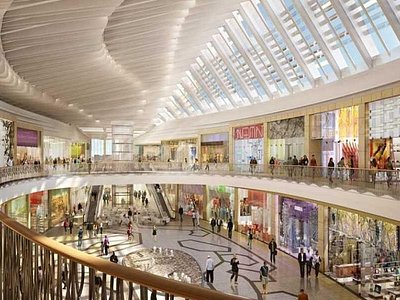
On October 19, 1956, the modern shopping mall era began with the opening of the first fully enclosed regional shopping center, fundamentally transforming retail...
Read More →
The Philippine government issued Executive Order No. 486, creating a special advisory committee for the development of Baguio City. The initiative was intended ...
Read More →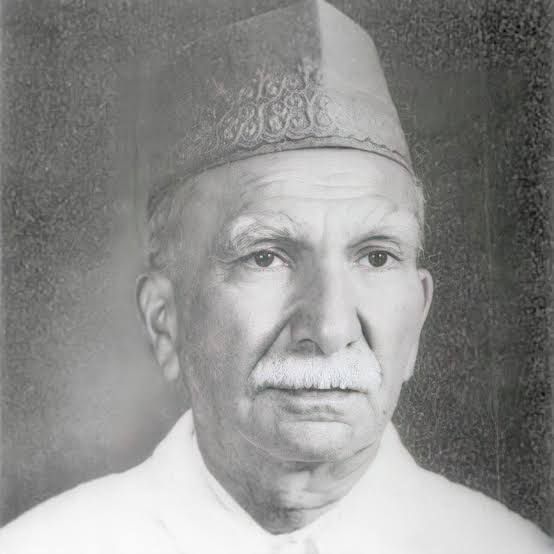
Born on 7 January 1886, Jamshed Nusserwanjee Mehta’s life story is inseparable from the transformation of Karachi itself, from a small harbour settlement into a...
Read More →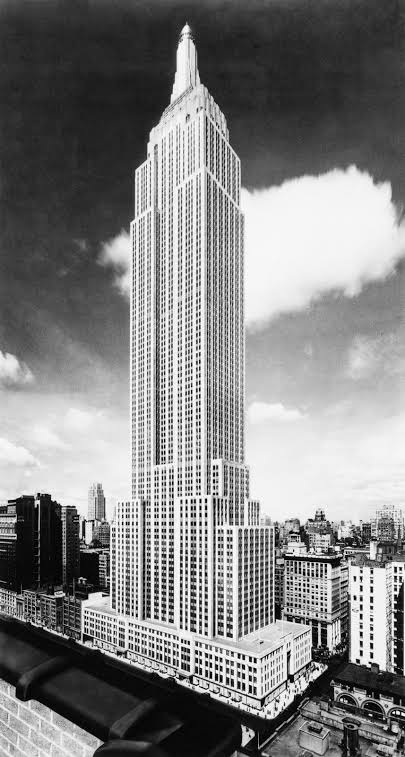
The Empire State Building, one of the tallest buildings, was completed on 19 September 1931. The Empire State Building is a 102 story, supertall skyscraper in t...
Read More →
On November 4, 1890, the City & South London Railway, recognised as the world's first deep-level electric underground passenger railway, was officially inaugura...
Read More →
The acquisition of land for the Model Town Society was one of the most remarkable and spirited chapters in its early history. Dewan Khem Chand and his...

Between 1921 and 1924, the land for Model Town Lahore was acquired in successive phases. The process began in 1921, shortly after the establishment of...
No comments yet. Be the first to comment!