On This Date
On November 5, 1917, US Supreme Court Struck Down Racial Housing Zoning
The decision protected property owners’ right to sell across racial lines, but did not end housing segregation
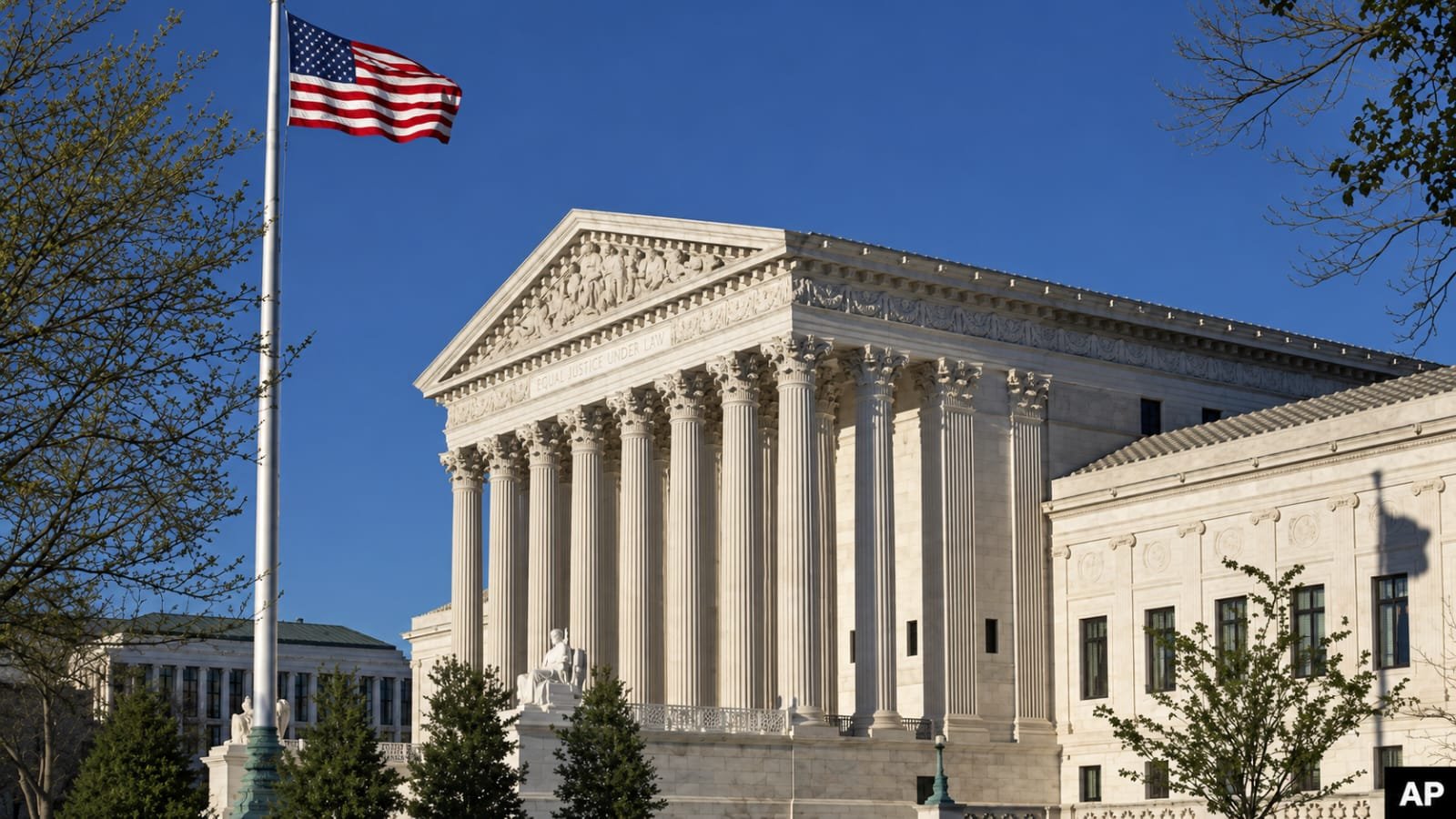
On November 5, 1917, the US Supreme Court ruled in Buchanan v. Warley that a Louisville, Kentucky, ordinance barring Black people from occupying homes on majority-white blocks was unconstitutional. The decision came 109 years ago and became a landmark in the history of housing and property rights in the United States.
The case arose from a real estate sale: white property owner Charles Buchanan agreed to sell a lot to William Warley, a Black buyer.
Louisville’s ordinance prevented Warley from living there because most homes on the block were occupied by white residents. The Court found that the restriction interfered with the owner’s right to sell his property and violated the Fourteenth Amendment.
The ruling invalidated government-imposed racial zoning, but it did not bring housing segregation to an end. The Library of Congress notes that, after the decision, property owners used private racial covenants to restrict who could buy or rent homes. Buchanan v. Warley remains a consequential date in the history of housing discrimination and civil rights.
▪️Syed Shayan Real Estate Archive
▪ Reference(s):
On This Date
5 نومبر 1917: امریکی سپریم کورٹ نے نسلی بنیادوں پر رہائشی زوننگ کالعدم قرار دیدی
"بوکانن بنام وارلی" کے تاریخی فیصلے نے لوئسویل میں سیاہ فام شہریوں کے سفید فام اکثریتی محلوں میں گھر خریدنے پر پابندی کو چیلنج کیا
5 نومبر 1917 کو امریکی سپریم کورٹ نے "بوکانن بنام وارلی" مقدمے میں قرار دیا کہ ریاست کینٹکی کے شہر لوئسویل کا وہ بلدیاتی قانون غیر آئینی ہے جو سیاہ فام افراد کو ایسے محلوں میں گھر رکھنے سے روکتا تھا جہاں اکثریتی آبادی سفید فام ہو۔ یہ فیصلہ 109 برس قبل آیا اور امریکا میں رہائش اور جائیداد کے حقوق کی تاریخ کا اہم موڑ بن گیا۔
مقدمہ ایک جائیداد کی فروخت سے متعلق تھا۔ سفید فام مالک چارلس بوکانن نے سیاہ فام خریدار ولیم وارلی کو ایک پلاٹ فروخت کرنے پر اتفاق کیا تھا۔ لوئسویل کے قانون کے تحت وارلی اس پلاٹ پر گھر میں رہائش اختیار نہیں کر سکتے تھے، کیونکہ اس بلاک کے زیادہ تر مکانات میں سفید فام افراد رہتے تھے۔
سپریم کورٹ نے قرار دیا کہ یہ پابندی مالک کے اپنی جائیداد فروخت کرنے کے حق میں مداخلت اور امریکی آئین کی چودھویں ترمیم کی خلاف ورزی تھی۔
فیصلے نے حکومت کی جانب سے نافذ نسلی زوننگ کو کالعدم قرار دیا، تاہم اس سے رہائشی علیحدگی ختم نہیں ہوئی۔
لائبریری آف کانگریس کے مطابق، اس کے بعد جائیداد مالکان نے نجی نسلی معاہدوں کے ذریعے گھروں کی خرید و فروخت اور کرائے پر دینے کو محدود کیا۔ "بوکانن بنام وارلی" آج بھی رہائشی امتیاز اور شہری حقوق کی تاریخ کا ایک اہم فیصلہ شمار ہوتا ہے۔
▪️ سید شایان ریئل اسٹیٹ آرکائیو
▪ حوالہ جات:
On This Date
Bolshevik Uprising of November 6, 1917, Set Russia on Course for Radical Land Reform
Lands belonging to the royal family, churches and monasteries were also placed under the administration of local land committees and peasant soviets.
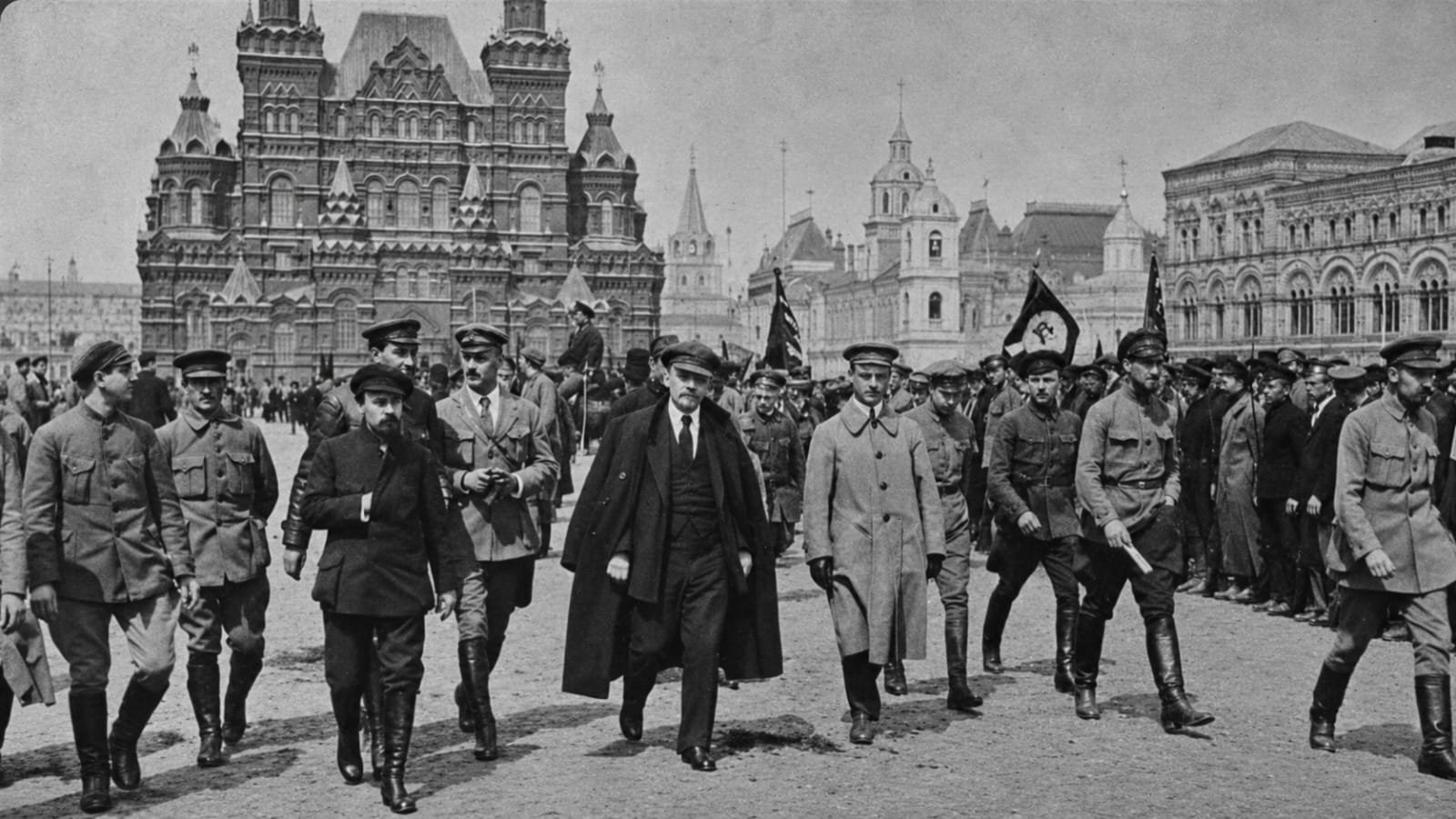
On November 6, 1917, the Bolsheviks launched an armed uprising against Russia’s Provisional Government in the capital, Petrograd. The revolt changed the country’s political course and helped reshape its system of land and property ownership. According to the Gregorian calendar, the uprising lasted from November 6 to 8; under the Julian calendar then in use in Russia, it became known as the October Revolution.
Russia was grappling with the First World War, food shortages and economic hardship.
After the February Revolution ended tsarist rule, the Provisional Government took power but failed to resolve major issues, including the war and peasants’ demands for land. In rural areas, peasants had already begun occupying large estates. Bolshevik leader Vladimir Lenin promised to transfer land to the peasants, helping his party win support in the countryside.
On the night of November 6, revolutionary forces aligned with the Bolsheviks seized bridges, railway stations, telegraph facilities and other key locations in Petrograd. Prime Minister Alexander Kerensky failed to organise an effective defence. By the following day, the Bolsheviks had taken control of government centres and declared that they had assumed power. Months of political uncertainty gave way to a new period of upheaval and prolonged conflict.
A decision on land followed soon after the revolution. On November 8, the Congress of Soviets adopted the Decree on Land, declaring that the estates of large landowners would be confiscated without compensation. Land belonging to the royal family, churches and monasteries was also placed under the control of local land committees and peasant soviets. The decree exempted the small holdings of ordinary peasants and Cossacks from confiscation.
The measure ranks among the most significant land reforms in modern history. It set Russia on a path towards replacing private ownership of land with public control and state administration. However, the decree did not immediately grant every peasant legal ownership of a plot. Local committees played a central role in managing land use, while a final settlement was left to the Constituent Assembly.
The events of November 6 are tied to the history of real estate and property because the uprising launched a political revolution that fundamentally changed the rules governing land ownership, possession and use. Its impact extended beyond rural Russia, shaping debates about land and property around the world.
▪️Syed Shayan Real Estate Archive
▪ Reference(s):
On This Date
روسی انقلاب: 6 نومبر 1917 کو بالشویکوں کی شروع ہونے والی مسلح بغاوت اراضی اصلاحات اور نئے اراضی نظام کی تبدیلی کی بنیاد بنی
شاہی خاندان، گرجا گھروں اور خانقاہوں کی زمینیں بھی مقامی لینڈ کمیٹیوں اور کسانوں کی سوویت کونسلوں کے انتظام میں دے دی گئیں
6 نومبر 1917 کو روس کے دارالحکومت پیٹروگراڈ میں بالشویکوں نے عبوری حکومت کے خلاف مسلح بغاوت شروع کی۔ اس کارروائی نے نہ صرف روس کے سیاسی اقتدار کا رخ بدلا بلکہ ملک میں زمین اور جائیداد کی ملکیت کے نظام پر بھی گہرے اثرات مرتب کیے۔ گریگورین کیلنڈر کے مطابق بغاوت 6 سے 8 نومبر تک جاری رہی، جبکہ روس میں رائج جولین کیلنڈر میں اسے اکتوبر انقلاب کہا جاتا ہے۔
1917 میں روس پہلی عالمی جنگ، خوراک کی قلت اور معاشی بحران سے دوچار تھا۔ فروری کے انقلاب کے بعد زار کی حکومت ختم ہوئی اور عبوری حکومت قائم ہوئی، لیکن جنگ سے نکلنے اور کسانوں کے زمین کے مطالبے جیسے اہم مسائل حل نہ ہوسکے۔ دیہی علاقوں میں کسان پہلے ہی بڑے زمینداروں کی زمینوں پر قبضے کر رہے تھے۔ بالشویک رہنما ولادیمیر لینن نے زمین کسانوں کے حوالے کرنے کا وعدہ کیا، جس سے پارٹی کو دیہی آبادی میں حمایت ملی۔
6 نومبر کی رات بالشویکوں کے زیرِ اثر انقلابی دستوں نے پیٹروگراڈ میں پلوں، ریلوے اسٹیشنوں، ٹیلی گراف اور دیگر اہم مقامات پر قبضہ کیا۔ عبوری حکومت کے وزیرِاعظم الیگزینڈر کیرنسکی مزاحمت منظم کرنے میں ناکام رہے۔ اگلے روز حکومت کے مراکز پر قبضہ مکمل ہونے کے بعد بالشویکوں نے اقتدار سنبھالنے کا اعلان کیا۔ یوں کئی ماہ سے جاری سیاسی بے یقینی ختم ہوئی، مگر ملک ایک نئے اور طویل تنازع کے دور میں داخل ہوگیا۔
زمین کے سوال پر فیصلہ انقلاب کے فوراً بعد سامنے آیا۔ 8 نومبر کو سوویت کانگریس نے لینڈ ڈیکری منظور کیا، جس کے تحت بڑے زمینداروں کی زمین بغیر معاوضے ضبط کرنے کا اعلان کیا گیا۔ شاہی خاندان، گرجا گھروں اور خانقاہوں کی زمینیں بھی مقامی لینڈ کمیٹیوں اور کسانوں کی سوویت کونسلوں کے انتظام میں دے دی گئیں۔ ڈیکری میں عام کسانوں اور قزاقوں کی چھوٹی زمینیں ضبط نہ کرنے کی شق بھی شامل تھی۔
یہ اقدام جدید تاریخ کی نمایاں ترین اراضی اصلاحات میں شمار ہوتا ہے، کیونکہ اس نے زمین کو نجی ملکیت کے بجائے عوامی اختیار اور ریاستی نظم کے تحت لانے کی سمت متعین کی۔ تاہم، ڈیکری کا مطلب یہ نہیں تھا کہ ہر کسان کو فوراً قانونی طور پر ذاتی ملکیت میں زمین مل گئی؛ زمین کے استعمال اور انتظام کے لیے مقامی کمیٹیوں کا کردار مرکزی تھا، اور حتمی بندوبست آئینی اسمبلی کے فیصلے سے مشروط رکھا گیا تھا۔
6 نومبر کا واقعہ اس لیے رئیل اسٹیٹ اور پراپرٹی کی تاریخ سے جڑا ہے کہ اس نے ایسے سیاسی انقلاب کا آغاز کیا جس کے بعد زمین کی ملکیت، قبضے اور استعمال کے اصول بنیادی طور پر تبدیل ہوئے۔ اس تبدیلی نے روس کے دیہی معاشرے اور عالمی سطح پر زمین اور جائیداد کے بارے میں سیاسی بحث پر دیرپا اثر چھوڑا۔
▪️ سید شایان ریئل اسٹیٹ آرکائیو
▪ حوالہ جات:
No comments yet. Be the first to comment!