
Syed Shayan Real Estate Archive
Syed Shayan Real Estate Archive
From Real Estate History
On This Date
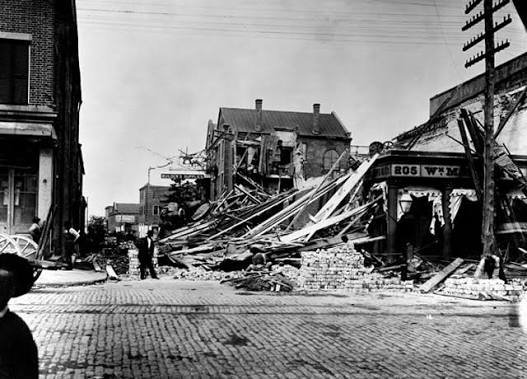
On August 31, 1886, a powerful earthquake struck Charleston, South Carolina, becoming one of the most significant natural disasters in the history of the eastern United States. The earthquake caused extensive damage across the city, severely affecting homes, commercial properties, churches and other masonry structures. Many buildings developed major cracks, while some collapsed completely. Property losses in Charleston were estimated at more than $5 million at the time, making the disaster a major economic setback for the city.
The destruction highlighted a critical weakness in traditional construction: many buildings had not been designed to withstand powerful ground movement. Brick masonry structures were particularly vulnerable, while a number of wooden buildings performed comparatively better. The disaster demonstrated that construction materials, building foundations, workmanship and the overall strength of a structure can determine how well a property survives a natural disaster.
In the aftermath, Charleston’s building owners and engineers began looking for ways to strengthen damaged structures. Iron rods and tie rods were installed in many masonry buildings to reinforce walls and improve their structural stability. These measures represented an early effort to make existing buildings more resistant to earthquake forces.
The Charleston earthquake became an important historical lesson for the real estate and construction industries. It showed that property development cannot focus solely on appearance, location or economic value. Structural safety must be considered from the earliest stages of planning and construction.
The event also contributed to a broader understanding of disaster-resistant construction. Over time, engineers developed stronger foundations, improved building materials, structural reinforcement techniques and construction standards designed to reduce earthquake damage.
Today, earthquake-resistant design is an essential part of modern construction in regions exposed to seismic risks. Modern buildings are planned according to engineering principles that consider the movement of the ground and the ability of structures to absorb and withstand seismic forces.
The Charleston earthquake therefore remains more than a historical disaster. It represents an important turning point in the development of safer construction practices and serves as a reminder that resilient buildings can protect both property investments and human lives.
▪️Syed Shayan Real Estate Archive
▪ Reference(s):
On This Date
31 اگست 1886 کو امریکی ریاست جنوبی کیرولائنا کے شہر چارلسٹن میں ایک شدید زلزلہ آیا، جس نے شہر کی عمارتوں اور رہائشی ڈھانچوں کو بڑے پیمانے پر نقصان پہنچایا۔ اس قدرتی آفت کے نتیجے میں متعدد عمارتیں منہدم ہوئیں، جبکہ املاک کو اس وقت پانچ ملین ڈالر سے زیادہ کا نقصان پہنچا۔ اس واقعے نے تعمیراتی ماہرین اور عمارت مالکان کو اس بات پر غور کرنے پر مجبور کیا کہ مستقبل میں عمارتوں کو زلزلوں کے اثرات سے کس طرح محفوظ بنایا جا سکتا ہے۔
زلزلے کے بعد چارلسٹن میں متاثرہ عمارتوں کو مضبوط بنانے کے لیے لوہے کی سلاخیں استعمال کی گئیں۔ ان سلاخوں کے ذریعے اینٹوں کی دیواروں کو آپس میں مضبوطی سے جوڑا گیا تاکہ عمارتیں لرزش کے دوران بہتر طور پر قائم رہ سکیں۔ اس تجربے نے عمارتوں کی مضبوطی اور قدرتی آفات سے تحفظ کی اہمیت کو نمایاں کیا۔
چارلسٹن کا زلزلہ تعمیراتی تاریخ میں ایک اہم موڑ ثابت ہوا، کیونکہ اس کے بعد عمارتوں کی بنیاد، تعمیراتی مواد، دیواروں کی مضبوطی اور مجموعی ساخت کو زلزلے کے خطرے کے پیش نظر دیکھنے کا رجحان بڑھا۔ وقت کے ساتھ یہی سوچ جدید زلزلہ مزاحم تعمیرات کی بنیاد بنی۔
آج دنیا بھر میں عمارتوں کی منصوبہ بندی کرتے وقت زلزلے سمیت مختلف قدرتی آفات کے خطرات کو مدنظر رکھا جاتا ہے۔ چارلسٹن کا واقعہ اس حقیقت کی یاد دہانی ہے کہ مضبوط اور محفوظ تعمیر صرف املاک کو نقصان سے بچانے کے لیے نہیں بلکہ انسانی جانوں کے تحفظ کے لیے بھی ضروری ہے۔

On November 1, 2016, Pakistan inaugurated the Gwadar Free Zone under the China-Pakistan Economic Corridor (CPEC), marking a milestone in regional industrial gro...
Read More →
On August 19 2007, Singapore marked an important moment in its urban and real estate history when then-Prime Minister Lee Hsien Loong announced the Punggol 21 ...
Read More →
On 11 December 2018, the Supreme Court of Pakistan, under the leadership of then Chief Justice Mian Saqib Nisar, imposed a strict and highly unusual restriction...
Read More →
The first offices in the newly built United Nations Secretariat Building in Manhattan were occupied as UN staff began moving from their temporary headquarters a...
Read More →
On October 5, 2010, the Champalimaud Centre for the Unknown, designed by renowned Indian architect Charles Correa, was officially inaugurated in Lisbon, Portuga...
Read More →
The acquisition of land for the Model Town Society was one of the most remarkable and spirited chapters in its early history. Dewan Khem Chand and his...

Between 1921 and 1924, the land for Model Town Lahore was acquired in successive phases. The process began in 1921, shortly after the establishment of...
No comments yet. Be the first to comment!