On This Date
Quaid-e-Azam House Opened to the Public in Karachi on 25 November 1993
The opening of Quaid-e-Azam House Museum in Karachi on 25 November 1993 marked a significant milestone in Pakistan’s architectural heritage conservation, transforming a historic residential property into a protected national monument and public museum.
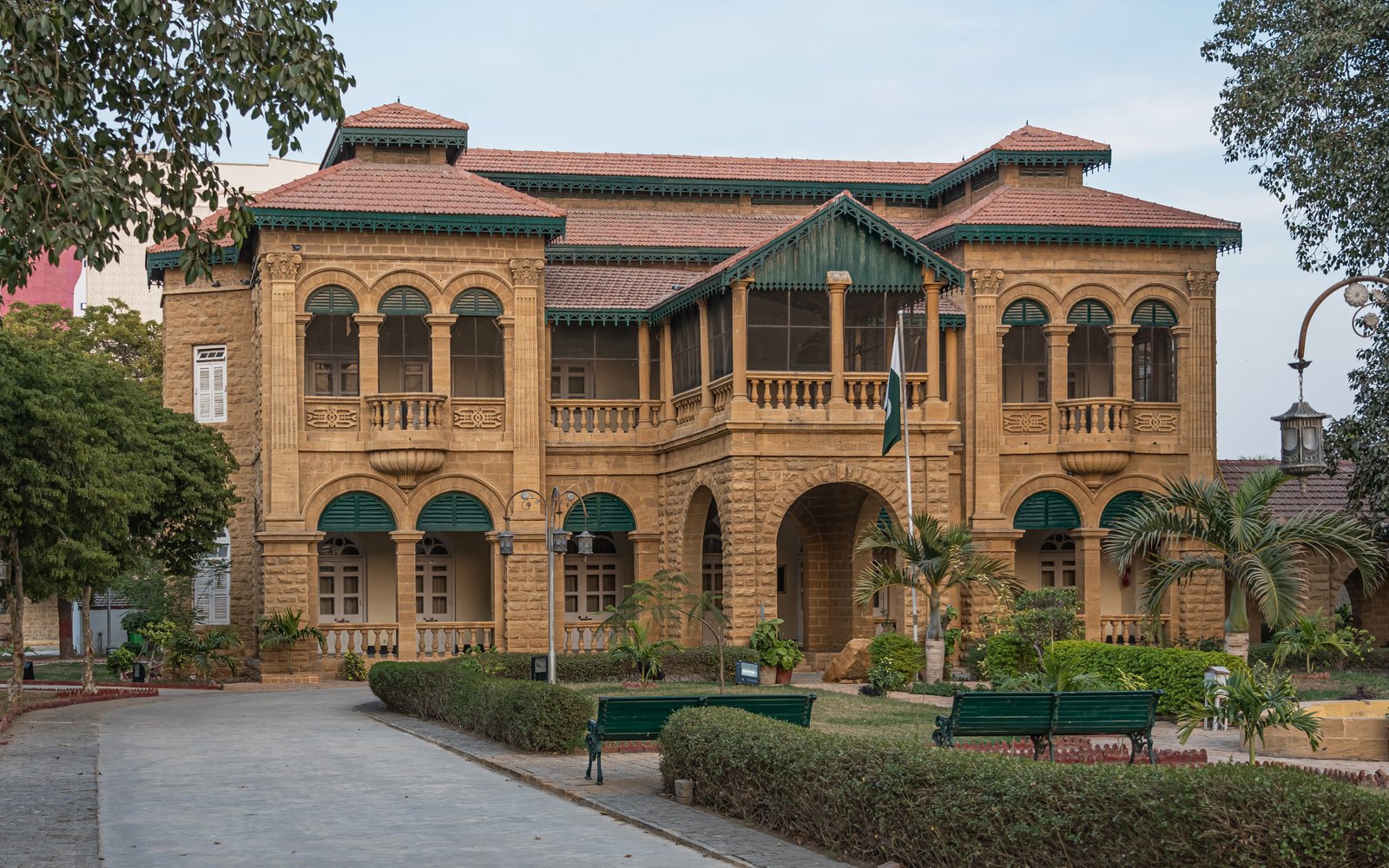
On 25 November 1993, Quaid-e-Azam House, formerly known as Flagstaff House, was officially opened to the public in Karachi following extensive restoration and renovation. The transformation of this historic residential property into a museum represented an important milestone in Pakistan’s heritage conservation, architectural preservation, and adaptive reuse of historic real estate.
Located at the intersection of Shahrah-e-Faisal and Fatima Jinnah Road in Karachi Cantonment, the property occupies an area of 10,241 square yards. Its prominent location and distinctive colonial-era architecture make it an important component of Karachi’s historic urban landscape.
Quaid-e-Azam Muhammad Ali Jinnah purchased the property on 14 August 1943 from Sorab Kavasji Katrak, a former mayor of Karachi, for Rs 115,000. The transaction remains a notable example of historical residential property acquisition associated with the founder of Pakistan. The house subsequently served as the residence of Mohtarma Fatima Jinnah.
The two-storey building features yellow limestone construction, timber roof supports, spacious verandahs and traditional architectural elements. Its layout includes three rooms on each floor, reflecting the residential planning and construction practices of the colonial period. The surrounding grounds and ancillary structures further demonstrate the architectural character of historic residential estates.
Following the death of Jinnah’s last surviving sister, responsibility for the property passed to the reconstituted Quaid-e-Azam Trust. Restoration work commenced in June 1984, while the property's transfer to the federal government was formalised through a deed dated 14 February 1985 for Rs 5.107 million.
The Department of Archaeology and Museums and the Public Works Department jointly developed a comprehensive restoration programme. The project focused on preserving the building’s architectural character while adapting its facilities for public use.
An existing annexe was converted into an auditorium and exhibition space, while several ancillary buildings were repurposed for administrative functions. The surrounding gardens were also redesigned to accommodate museum visitors, demonstrating the integration of heritage conservation with modern functional requirements.
The opening of the museum on 25 November 1993 marked the successful conversion of a historic private residence into a publicly accessible cultural property.
From a real estate perspective, Quaid-e-Azam House demonstrates the importance of heritage property acquisition, architectural restoration, adaptive reuse, and long-term asset management. Its preservation also highlights the role of government institutions in protecting historically significant properties amid urban development.
Today, Quaid-e-Azam House Museum remains a prominent national monument in Karachi, illustrating how historic residential properties can be preserved and repurposed while retaining their architectural identity and contributing to the cultural and historical value of the urban environment.
▪️Syed Shayan Real Estate Archive
▪ Reference(s):
On This Date
کراچی میں قائداعظم ہاؤس کو 25 نومبر 1993 کو عوام کے لیے کھول دیا گیا
کراچی میں 25 نومبر 1993 کو قائداعظم ہاؤس میوزیم کو عوام کے لیے کھولنا پاکستان کے تاریخی تعمیراتی ورثے کے تحفظ کی جانب ایک اہم سنگِ میل تھا، جس کے تحت ایک تاریخی رہائشی جائیداد کو محفوظ قومی یادگار اور عوامی عجائب گھر میں تبدیل کیا گیا۔
25 نومبر 1993 کو کراچی میں واقع قائداعظم ہاؤس، جو پہلے فلیگ اسٹاف ہاؤس کے نام سے معروف تھا، وسیع پیمانے پر بحالی اور تزئین و آرائش کے بعد باضابطہ طور پر عوام کے لیے کھول دیا گیا۔ اس تاریخی رہائشی جائیداد کو عجائب گھر میں تبدیل کرنا پاکستان کے تاریخی و تعمیراتی ورثے کے تحفظ اور قدیم عمارات کو نئے مقاصد کے لیے استعمال کرنے کے حوالے سے ایک اہم سنگِ میل تھا۔
کراچی کینٹ میں شاہراہِ فیصل اور فاطمہ جناح روڈ کے سنگم پر واقع یہ جائیداد 10 ہزار 241 مربع گز رقبے پر محیط ہے۔ اہم محلِ وقوع اور نوآبادیاتی دور کے منفرد طرزِ تعمیر کے باعث یہ عمارت کراچی کے تاریخی شہری منظرنامے میں نمایاں مقام رکھتی ہے۔
قائداعظم محمد علی جناح نے 14 اگست 1943 کو یہ جائیداد کراچی کے سابق میئر سوراب کاوس جی کٹراک سے ایک لاکھ 15 ہزار روپے میں خریدی تھی۔ جائیداد کی خریداری کا یہ معاملہ بانیٔ پاکستان سے وابستہ رہائشی املاک کے حصول کی ایک اہم تاریخی مثال ہے۔ بعد ازاں یہ عمارت محترمہ فاطمہ جناح کی رہائش گاہ بھی رہی۔
دو منزلہ عمارت کی تعمیر میں زرد چونے کا پتھر، چھتوں کو سہارا دینے کے لیے لکڑی کے شہتیر، کشادہ برآمدے اور روایتی تعمیراتی عناصر استعمال کیے گئے۔ عمارت کی ہر منزل پر تین کمرے ہیں، جو نوآبادیاتی دور کی رہائشی منصوبہ بندی اور تعمیراتی طریقوں کی عکاسی کرتے ہیں۔ عمارت سے ملحقہ وسیع احاطہ اور ذیلی عمارات بھی اس دور کی رہائشی جائیدادوں کی تعمیراتی خصوصیات کو نمایاں کرتی ہیں۔
قائداعظم کی آخری حیات بہن کے انتقال کے بعد جائیداد کی ذمہ داری ازسرنو تشکیل دیے گئے قائداعظم ٹرسٹ کو منتقل ہو گئی۔ عمارت کی بحالی کا کام جون 1984 میں شروع کیا گیا، جبکہ 14 فروری 1985 کی انتقالِ ملکیت کی دستاویز کے تحت یہ جائیداد 51 لاکھ 7 ہزار روپے کے عوض وفاقی حکومت کو منتقل کی گئی۔
محکمہ آثارِ قدیمہ و عجائب گھر اور محکمہ تعمیراتِ عامہ نے مشترکہ طور پر عمارت کی بحالی کا جامع منصوبہ تیار کیا۔ منصوبے کا بنیادی مقصد عمارت کی اصل تعمیراتی شناخت برقرار رکھتے ہوئے اسے عوامی استعمال کے لیے موزوں بنانا تھا۔
عمارت سے ملحقہ ایک حصے کو آڈیٹوریم اور نمائش گاہ میں تبدیل کیا گیا، جبکہ دیگر ذیلی عمارات کو انتظامی امور کے لیے مختص کیا گیا۔ عجائب گھر آنے والے شہریوں کی سہولت کے لیے اطراف میں موجود باغات کی بھی ازسرنو منصوبہ بندی کی گئی، جو تاریخی ورثے کے تحفظ اور جدید ضروریات کے درمیان ہم آہنگی کی عکاسی کرتی ہے۔
25 نومبر 1993 کو عجائب گھر کو عوام کے لیے کھولنا ایک تاریخی نجی رہائش گاہ کو عوامی ثقافتی مرکز میں تبدیل کرنے کی جانب اہم پیش رفت تھی۔
ریل اسٹیٹ کے نقطۂ نظر سے قائداعظم ہاؤس تاریخی جائیدادوں کے حصول، تعمیراتی بحالی، نئے مقاصد کے لیے استعمال اور املاک کے طویل مدتی انتظام کی اہمیت کو اجاگر کرتا ہے۔ اس کا تحفظ بڑھتی ہوئی شہری ترقی کے تناظر میں تاریخی اہمیت کی حامل جائیدادوں کو محفوظ بنانے میں سرکاری اداروں کے کردار کی بھی عکاسی کرتا ہے۔
آج قائداعظم ہاؤس میوزیم کراچی کی نمایاں قومی یادگاروں میں شمار ہوتا ہے۔ یہ عمارت اس امر کی اہم مثال ہے کہ تاریخی رہائشی جائیدادوں کی اصل تعمیراتی شناخت برقرار رکھتے ہوئے انہیں نئے مقاصد کے لیے استعمال کیا جا سکتا ہے اور شہری ماحول کی تاریخی و ثقافتی اہمیت میں اضافہ کیا جا سکتا ہے۔
▪️ سید شایان ریئل اسٹیٹ آرکائیو
▪ حوالہ جات:
On This Date
Holy Trinity Church Consecrated in Paris on 25 November 1886
The consecration of Holy Trinity Church, now known as the American Cathedral in Paris, marked a significant milestone in nineteenth century architectural development, institutional real estate investment, and the transformation of urban land into a historic religious landmark.
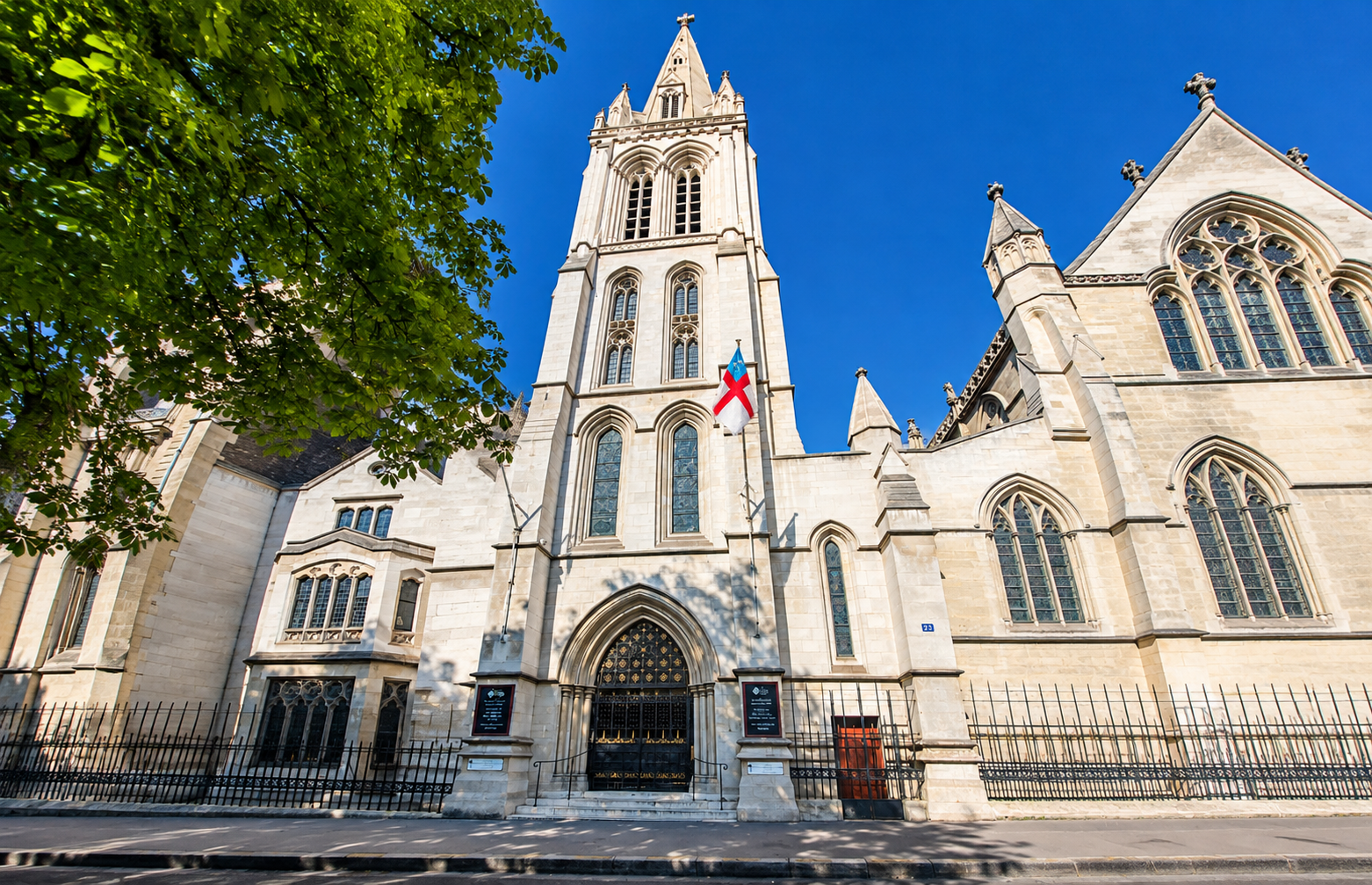
On 25 November 1886, Holy Trinity Church, now known as the American Cathedral in Paris, was formally consecrated in France. Located at 23 Avenue George V in the eighth arrondissement of Paris, the building represents a significant example of nineteenth-century institutional property development, Gothic Revival architecture, and the transformation of urban land into a historic architectural landmark.
The cathedral’s development reflects the growing demand for community infrastructure. In 1863, the congregation acquired a property on Rue Bayard, where a church accommodating 500 people was constructed. By 1875, however, the existing premises had become insufficient to accommodate the expanding congregation, creating a need for larger facilities.
In July 1880, the church administration acquired two plots on Avenue de l’Alma, now known as Avenue George V. The land acquisition marked a significant step towards establishing a permanent religious and community complex. The previous church property was subsequently sold to the Scots’ Kirk.
British architect George Edmund Street prepared the architectural design in December 1880, while construction began in 1881. The building was developed in the Gothic Revival architectural style, incorporating pointed arches, marble columns and vaulted interiors. Construction was undertaken by British contractor Henry Lovatt.
The formal consecration on 25 November 1886 marked an important milestone in the development of the newly constructed property. Architectural development continued in subsequent years, including the construction of an 84-metre spire between 1904 and 1906. Additional facilities were developed over time, reflecting the gradual expansion of the institutional property.
On 27 August 1997, French authorities granted historic monument protection to the cathedral, its bell tower and the covered gallery along its southern façade. This designation recognised the property's historical and architectural significance while supporting its long-term preservation.
From a real estate perspective, the cathedral demonstrates the importance of strategic land acquisition, property relocation, architectural planning and phased construction. Its development also illustrates how growing community requirements influence institutional property investment and expansion.
Today, the American Cathedral remains a prominent architectural landmark in Paris. Its continued preservation highlights the historical, cultural, and architectural value of heritage real estate within an evolving urban environment.
▪️Syed Shayan Real Estate Archive
▪ Reference(s):
On This Date
پیرس میں ہولی ٹرینیٹی چرچ کی 25 نومبر 1886 کو رسمِ تقدیس
پیرس میں ہولی ٹرینیٹی چرچ، جو آج امریکن کیتھیڈرل کے نام سے معروف ہے، کی رسمِ تقدیس انیسویں صدی کی تعمیراتی ترقی، جائیداد میں ادارہ جاتی سرمایہ کاری اور شہری اراضی کو تاریخی مذہبی عمارت میں تبدیل کرنے کے حوالے سے ایک اہم سنگِ میل تھی۔
25 نومبر 1886 کو فرانس کے دارالحکومت پیرس میں واقع ہولی ٹرینیٹی چرچ، جو آج امریکن کیتھیڈرل کے نام سے معروف ہے، کی باضابطہ رسمِ تقدیس ادا کی گئی۔ پیرس کے آٹھویں انتظامی ضلع میں 23 ایونیو جارج پنجم پر واقع یہ عمارت انیسویں صدی کی ادارہ جاتی جائیدادوں کی ترقی، گوتھک احیائی طرزِ تعمیر اور شہری اراضی کو ایک تاریخی تعمیراتی ورثے میں تبدیل کرنے کی نمایاں مثال ہے۔
کیتھیڈرل کی تعمیر و ترقی بڑھتی ہوئی اجتماعی ضروریات اور بنیادی سہولیات کی طلب کی عکاسی کرتی ہے۔ 1863 میں چرچ کی انتظامیہ نے رو بایارڈ میں ایک جائیداد حاصل کی، جہاں 500 افراد کی گنجائش کا حامل چرچ تعمیر کیا گیا۔ تاہم 1875 تک عبادت گزاروں کی بڑھتی ہوئی تعداد کے باعث موجودہ عمارت ناکافی ہو گئی، جس کے نتیجے میں وسیع تر عمارت کی ضرورت محسوس کی گئی۔
جولائی 1880 میں چرچ کی انتظامیہ نے ایونیو ڈی ایلما، جو اب ایونیو جارج پنجم کے نام سے معروف ہے، پر دو قطعہ ہائے اراضی حاصل کیے۔ اراضی کا حصول ایک مستقل مذہبی اور سماجی مرکز کے قیام کی جانب اہم پیش رفت تھی۔ بعد ازاں چرچ کی سابقہ جائیداد اسکاٹس کرک کو فروخت کر دی گئی۔
معروف برطانوی ماہرِ تعمیرات جارج ایڈمنڈ اسٹریٹ نے دسمبر 1880 میں عمارت کا نقشہ تیار کیا، جبکہ تعمیراتی کام کا آغاز 1881 میں ہوا۔ عمارت کو گوتھک احیائی طرزِ تعمیر کے مطابق تعمیر کیا گیا، جس میں نوک دار محرابیں، سنگِ مرمر کے ستون اور بلند محرابی چھتیں شامل تھیں۔ تعمیراتی کام برطانوی ٹھیکیدار ہنری لوواٹ نے انجام دیا۔
25 نومبر 1886 کو منعقد ہونے والی باضابطہ رسمِ تقدیس اس نو تعمیر شدہ عمارت کی ترقی کی تاریخ میں ایک اہم سنگِ میل ثابت ہوئی۔
بعد کے برسوں میں عمارت کی تعمیراتی ترقی کا سلسلہ جاری رہا، جس کے تحت 1904 سے 1906 کے دوران 84 میٹر بلند مینار تعمیر کیا گیا۔ وقت گزرنے کے ساتھ اضافی سہولیات بھی فراہم کی گئیں، جو اس ادارہ جاتی جائیداد کی مرحلہ وار توسیع کی عکاسی کرتی ہیں۔
27 اگست 1997 کو فرانسیسی حکام نے کیتھیڈرل، اس کے گھنٹہ گھر اور جنوبی بیرونی حصے کے ساتھ واقع مسقف گزرگاہ کو تاریخی عمارات کے تحفظ کا درجہ دیا۔ اس اقدام کے ذریعے جائیداد کی تاریخی اور تعمیراتی اہمیت کو تسلیم کرنے کے ساتھ اس کے طویل مدتی تحفظ کو فروغ دیا گیا۔
ریل اسٹیٹ کے نقطۂ نظر سے یہ کیتھیڈرل منصوبہ بندی کے تحت اراضی کے حصول، جائیداد کی منتقلی، تعمیراتی منصوبہ بندی اور مرحلہ وار تعمیر کی اہمیت کو اجاگر کرتا ہے۔ اس کی ترقی اس امر کی بھی عکاسی کرتی ہے کہ بڑھتی ہوئی اجتماعی ضروریات کس طرح ادارہ جاتی جائیدادوں میں سرمایہ کاری اور ان کی توسیع پر اثرانداز ہوتی ہیں۔
آج امریکن کیتھیڈرل پیرس کی نمایاں تاریخی عمارات میں شمار ہوتا ہے۔ اس کا مسلسل تحفظ بدلتے ہوئے شہری ماحول میں تاریخی جائیدادوں کی ثقافتی، تعمیراتی اور تاریخی اہمیت کو اجاگر کرتا ہے۔
▪️ سید شایان ریئل اسٹیٹ آرکائیو
▪ حوالہ جات:
No comments yet. Be the first to comment!