
Syed Shayan Real Estate Archive
Syed Shayan Real Estate Archive
From Real Estate History
On This Date
Barnsbury station opened at a replacement site east of its predecessor on 21 November 1870. The relocation forms part of London’s transport and property history, illustrating how railway sites connect infrastructure with surrounding neighbourhoods.
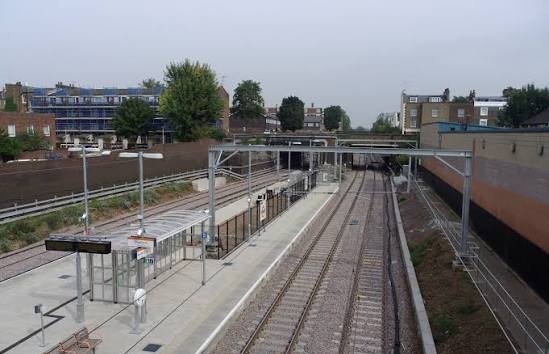
On 21 November 1870, a replacement Barnsbury station opened east of its predecessor on the North London Railway. The relocation established the site associated with today’s Caledonian Road & Barnsbury station in London’s Islington district. The North London Railway Source Book records the opening as a milestone in the area’s railway development.
The earlier station had opened as Caledonian Road on 10 June 1852 and was renamed Barnsbury on 1 July 1870. Following its relocation that November, the replacement station subsequently received the name Caledonian Road & Barnsbury on 22 May 1893.
Barnsbury’s residential development began before the station moved. Islington’s local history records that construction started during the 1820s, replacing fields with terraced housing and larger residential estates. Streets and squares gradually shaped the neighbourhood in which the replacement station opened. The relocation changed where passengers accessed the railway from surrounding streets. Its connection to real estate lies in the reorganisation of railway land and passenger facilities within an established residential district, illustrating the relationship between transport infrastructure and urban land use.
Islington Council’s Tall Buildings Study identifies railway expansion as an important factor in the borough’s transformation. Industry and warehouses developed around railway goods yards, while terraced housing accommodated residents and workers. Transport facilities became part of a wider urban landscape combining homes, employment and commercial activity.
Railway connections also influenced residential patterns. Islington’s local history notes that expanding services enabled prosperous tradespeople and professionals to move from Barnsbury to newer suburbs, demonstrating how transport could reshape where Londoners lived.
Today, Caledonian Road & Barnsbury operates on the London Overground’s Mildmay line. Its continuing use connects the nineteenth-century relocation with modern transport needs, showing how railway sites can retain their public function through generations of urban change.
▪️Syed Shayan Real Estate Archive
▪ Reference(s):
On This Date
بارنزبری ریلوے اسٹیشن نے 21 نومبر 1870 کو اپنے سابقہ مقام کے مشرق میں نئی جگہ پر کام شروع کیا۔ یہ منتقلی لندن کی ٹرانسپورٹ اور اراضی کی ترقی کی تاریخ کا حصہ ہے، جو ریلوے بنیادی ڈھانچے اور آس پاس کی آبادیوں کے تعلق کو ظاہر کرتی ہے۔
21 نومبر 1870 کو نارتھ لندن ریلوے پر بارنزبری اسٹیشن نے اپنے سابقہ مقام کے مشرق میں نئی جگہ پر کام شروع کیا۔ یہی مقام آج لندن کے ضلع ازلنگٹن میں کیلیڈونین روڈ اینڈ بارنزبری اسٹیشن کے طور پر جانا جاتا ہے۔ نارتھ لندن ریلوے سورس بک میں اس افتتاح کو علاقے کی ریلوے ترقی کے ایک اہم مرحلے کے طور پر درج کیا گیا ہے۔
پرانا اسٹیشن 10 جون 1852 کو کیلیڈونین روڈ کے نام سے کھولا گیا تھا، جس کا نام یکم جولائی 1870 کو بارنزبری رکھ دیا گیا۔ اسی سال نومبر میں نئی جگہ منتقلی کے بعد، 22 مئی 1893 کو نئے اسٹیشن کا نام کیلیڈونین روڈ اینڈ بارنزبری رکھا گیا۔
بارنزبری میں رہائشی تعمیرات کا آغاز اسٹیشن کی منتقلی سے پہلے ہو چکا تھا۔ ازلنگٹن کی مقامی تاریخ کے مطابق، 1820 کی دہائی میں تعمیراتی سرگرمیاں شروع ہوئیں اور کھیتوں کی جگہ قطار میں بنے مکانات اور بڑے رہائشی احاطے قائم ہونے لگے۔ سڑکوں اور چوکوں نے بتدریج اس محلے کی شہری شکل متعین کی، جہاں بعد میں نیا اسٹیشن کھولا گیا۔ اسٹیشن کی منتقلی سے آس پاس کی سڑکوں سے ریلوے تک مسافروں کی رسائی کا مقام بھی بدل گیا۔ رئیل اسٹیٹ کے حوالے سے اس کی اہمیت ایک قائم شدہ رہائشی علاقے میں ریلوے کی اراضی اور مسافروں کی سہولتوں کی ازسرِنو ترتیب میں ہے، جو ٹرانسپورٹ کے بنیادی ڈھانچے اور شہری اراضی کے استعمال کا باہمی تعلق واضح کرتی ہے۔
ازلنگٹن کونسل کی بلند عمارتوں سے متعلق تحقیق میں ریلوے کی توسیع کو علاقے کی تبدیلی کا ایک اہم عنصر قرار دیا گیا ہے۔ ریلوے کے مال برداری یارڈز کے اطراف صنعتیں اور گودام قائم ہوئے، جبکہ قطار میں تعمیر کیے گئے مکانات میں رہائشیوں اور کارکنوں کو رہائش ملی۔ یوں ٹرانسپورٹ کی سہولتیں ایک ایسے وسیع شہری منظرنامے کا حصہ بن گئیں، جس میں رہائش، روزگار اور تجارتی سرگرمیاں یکجا تھیں۔
ریلوے رابطوں نے رہائش کے رجحانات پر بھی اثر ڈالا۔ ازلنگٹن کی مقامی تاریخ کے مطابق، ریل خدمات کی توسیع سے خوش حال تاجروں اور مختلف پیشوں سے وابستہ افراد کو بارنزبری سے نئے مضافاتی علاقوں میں منتقل ہونے کی سہولت ملی۔ یہ تبدیلی ظاہر کرتی ہے کہ ٹرانسپورٹ کی دستیابی لندن کے باشندوں کے رہائش کے انتخاب پر کیسے اثرانداز ہوئی۔
آج کیلیڈونین روڈ اینڈ بارنزبری اسٹیشن لندن اوورگراؤنڈ کی ملڈمے لائن پر خدمات فراہم کرتا ہے۔ اس کا مسلسل استعمال انیسویں صدی کی منتقلی کو موجودہ ٹرانسپورٹ ضروریات سے جوڑتا ہے اور واضح کرتا ہے کہ شہری تبدیلیوں کے باوجود ریلوے کے مقامات نسل در نسل اپنا عوامی کردار برقرار رکھ سکتے ہیں۔
▪️ سید شایان ریئل اسٹیٹ آرکائیو
▪ حوالہ جات:

On November 6, 1853, the French Emperor Napoleon III appointed Baron Georges Eugène Haussmann as Prefect of the Seine, launching one of the most transformative ...
Read More →
On 24 December 1968, the Apollo 8 spacecraft was orbiting the Moon. As it emerged from behind the Moon’s far side, an extraordinary sight appeared before the as...
Read More →On November 12, 1892, the British Municipal Authority of Karachi approved the Frere Town Housing Project, one of the earliest organized residential developments...
Read More →
On October 6, 2014, Moscow’s Evolution Tower was reported completed and put into operation, marking an important milestone in the development of the Moscow Inte...
Read More →
On 24 January 1965, the historic Sardar Mahal, located in Hyderabad, was placed under official municipal control following the failure to clear outstanding pro...
Read More →
The acquisition of land for the Model Town Society was one of the most remarkable and spirited chapters in its early history. Dewan Khem Chand and his...

Between 1921 and 1924, the land for Model Town Lahore was acquired in successive phases. The process began in 1921, shortly after the establishment of...
No comments yet. Be the first to comment!