پبلشنگ کی تاریخ:
11 جون 2026 - 10:46 AM
Pakistan’s real estate sector has for decades remained a major source of investment, employment and urban development. However, the same sector has...
پاکستان کا رئیل اسٹیٹ سیکٹر کئی دہائیوں سے سرمایہ کاری، روزگار اور شہری ترقی کا اہم ذریعہ رہا ہے، مگر اسی شعبے...
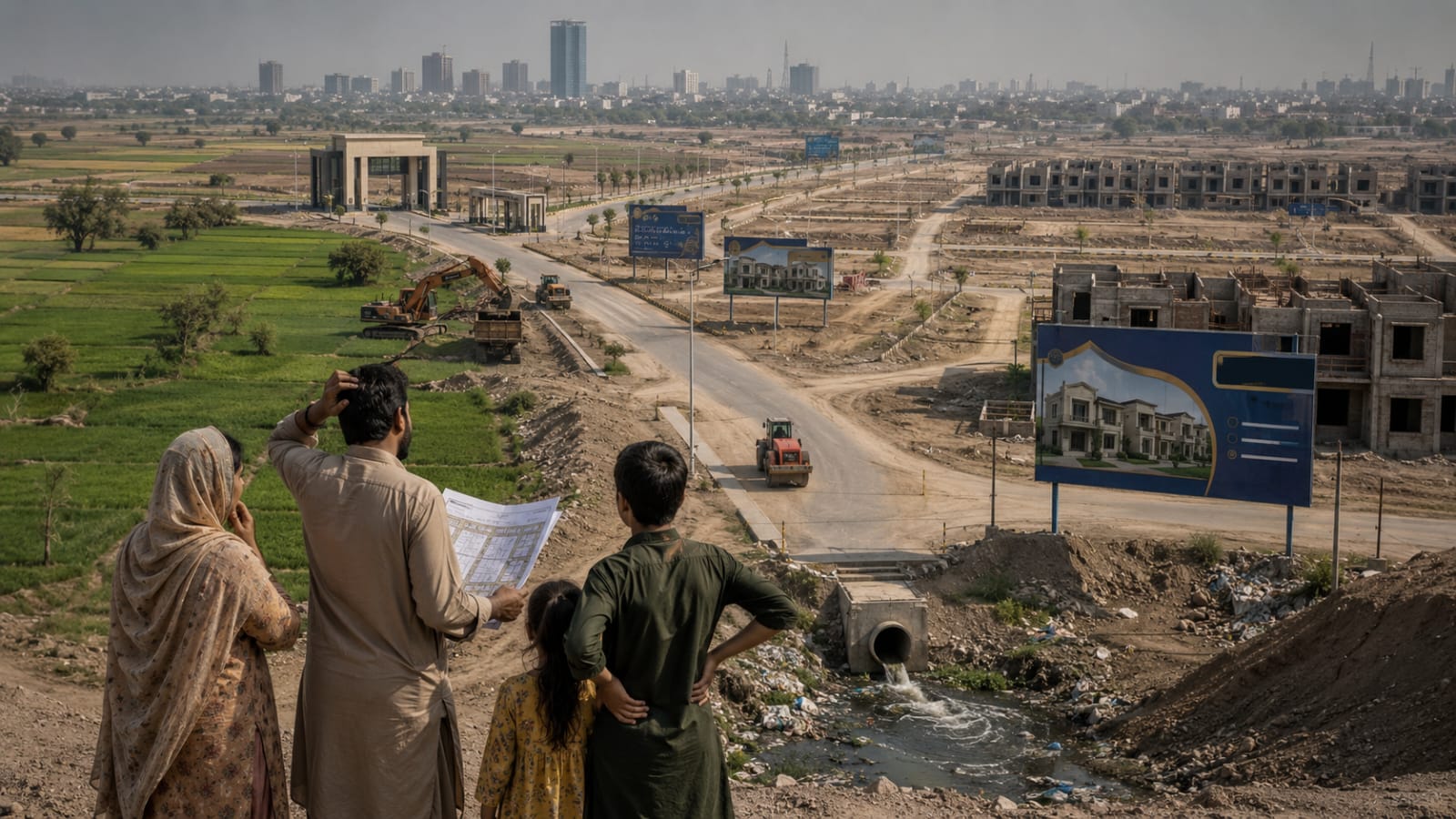
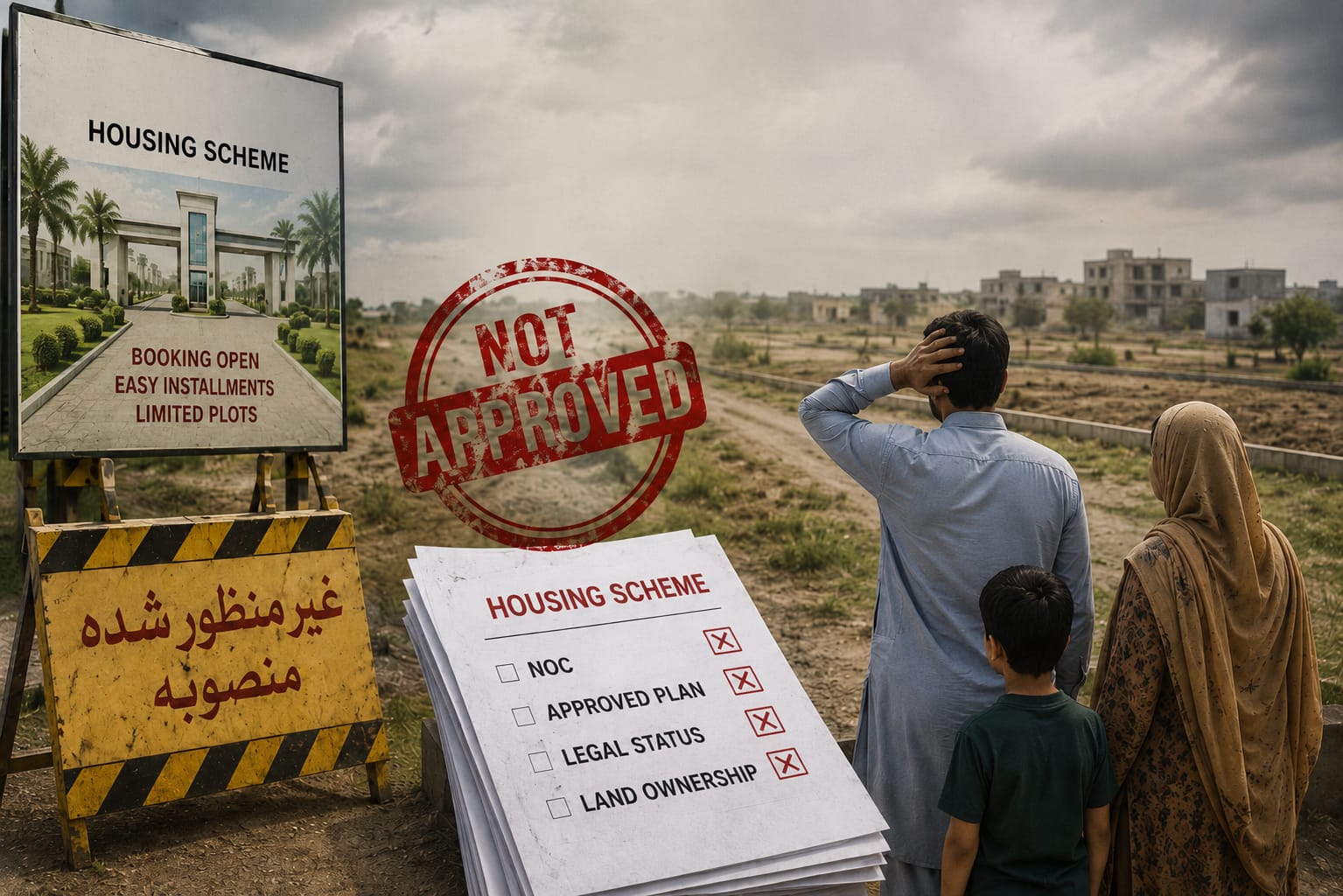
Pakistan’s real estate sector has for decades remained a major source of investment, employment and urban development. However, the same sector has also been marred by non-transparent transactions, fake files, unapproved housing schemes and cash-based payments, causing financial losses to millions of citizens.
In this context, the National Accountability Bureau’s announcement of reforms in the real estate sector, including the elimination of the file system and the strengthening of regulatory oversight, is a highly significant development.
Speaking at the Lahore Chamber of Commerce and Industry, NAB Chairman Lieutenant General (Retired) Nazir Ahmed Butt highlighted issues that reflect the core problems of Pakistan’s property market. The biggest among them is the file culture, under which paper-based files have been bought and sold instead of actual land ownership, approved land area and available plots. Several housing schemes sold far more files than their approved land capacity, leaving ordinary citizens running from office to office for years in pursuit of plots, possession or refunds.
NAB is right in saying that future real estate transactions should be routed through banking channels so that every payment has a documented record. Cash transactions not only increase the risk of tax evasion and money laundering but also weaken legal protection for buyers. Once payments are made through banks, buyers, developers and regulators will all have a clear financial record, which can help reduce the chances of fraud.
Similarly, it is essential that housing developers be allowed to sell only as many plots as actually exist within their approved land bank. One of the major causes of real estate fraud in Pakistan has been the sale of files that were not backed by complete land ownership, approved layout plans or clear no-objection certificates from the relevant authorities. If NAB, development authorities and local governments jointly make the approved land area, number of plots, NOCs and layout plans of every scheme available to the public through a digital system, buyers will be able to make safer decisions.
The memorandum of understanding between NAB and the Lahore Chamber is also important because real estate reforms cannot succeed through accountability actions alone. Trust-building among the business community, developers, regulators and citizens is equally necessary.
A one-window mechanism can facilitate investors and developers, but its purpose should not be to relax rules; rather, it should ensure transparency and timely approvals.
NAB’s distribution of Rs462 million among victims of different housing societies and investment schemes is proof that real estate fraud is not merely a paper-based issue but a human tragedy linked to the life savings of thousands of families. However, the return of money is only temporary relief. The permanent solution is to prevent fraud from taking place in the first place.
Citizens must also play a responsible role in regulating the real estate sector. Before investing in any scheme, they should verify the NOC, approved layout plan, land ownership, possession status and the previous track record of the developer. Investing solely on the basis of advertisements, low-priced files or promises of profit can prove highly risky.
If NAB’s proposed reforms are implemented seriously, Pakistan’s real estate market can move away from file culture, false promises and opaque transactions toward a safer, documented and more reliable system. The real test lies not in the announcement but in implementation, because transparency in the real estate sector is essential not only for investors but also for public trust, economic stability and the rule of law.
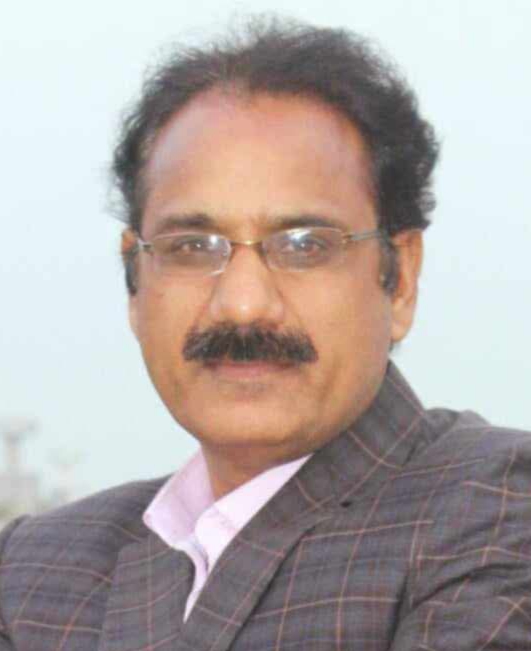
The writer of this article, Riaz Hussain, has been associated with the field of journalism for nearly two decades. He lives in Lahore and is currently working as Head of Multimedia at ReNews Pakistan. In addition to real estate, he also writes on political and social issues, human rights, literature and culture. Riaz Hussain is an Old Ravian and holds a Master’s degree in Philosophy from Government College University, Lahore. (Editor)
پاکستان کا رئیل اسٹیٹ سیکٹر کئی دہائیوں سے سرمایہ کاری، روزگار اور شہری ترقی کا اہم ذریعہ رہا ہے، مگر اسی شعبے میں غیر شفاف لین دین، جعلی فائلوں، غیر منظور شدہ ہاؤسنگ سکیموں اور نقد ادائیگیوں نے لاکھوں شہریوں کو مالی نقصان سے دوچار کیا ہے۔ قومی احتساب بیورو کی جانب سے رئیل اسٹیٹ سیکٹر میں اصلاحات، فائل سسٹم کے خاتمے اور ریگولیٹری نگرانی مضبوط بنانے کا اعلان اسی پس منظر میں نہایت اہم پیش رفت ہے۔
لاہور چیمبر آف کامرس اینڈ انڈسٹری میں گفتگو کرتے ہوئے چیئرمین نیب لیفٹیننٹ جنرل ریٹائرڈ نذیر احمد بٹ نے جن نکات کی نشاندہی کی، وہ دراصل پاکستان کی پراپرٹی مارکیٹ کے بنیادی مسائل کی عکاسی کرتے ہیں۔ سب سے بڑا مسئلہ فائل کلچر ہے، جس میں زمین کی حقیقی ملکیت، منظور شدہ رقبے اور دستیاب پلاٹس کے بجائے محض کاغذی فائلوں کی خرید و فروخت ہوتی رہی ہے۔ کئی ہاؤسنگ سکیموں نے منظور شدہ اراضی سے کہیں زیادہ فائلیں فروخت کیں، جس کے نتیجے میں عام شہری برسوں تک پلاٹ، قبضہ یا رقم کی واپسی کے لیے دفاتر کے چکر لگاتے رہے۔
نیب کا یہ کہنا درست ہے کہ مستقبل میں رئیل اسٹیٹ ٹرانزیکشنز کو بینکنگ چینلز کے ذریعے لایا جائے تاکہ ہر ادائیگی کا ریکارڈ موجود ہو۔ نقد لین دین نہ صرف ٹیکس چوری اور منی لانڈرنگ کے خدشات بڑھاتا ہے بلکہ خریدار کے لیے قانونی تحفظ بھی کم کر دیتا ہے۔ جب ادائیگی بینک کے ذریعے ہو گی تو خریدار، ڈویلپر اور ریگولیٹر تینوں کے پاس ایک واضح مالی ریکارڈ موجود ہو گا، جس سے فراڈ کے امکانات کم ہو سکتے ہیں۔
اسی طرح ہاؤسنگ ڈویلپرز کے لیے یہ شرط بھی انتہائی ضروری ہے کہ وہ صرف اتنے ہی پلاٹس فروخت کریں جتنے ان کے منظور شدہ لینڈ بینک میں حقیقتاً موجود ہوں۔ پاکستان میں رئیل اسٹیٹ فراڈ کی بڑی وجہ یہی رہی ہے کہ مارکیٹ میں ایسی فائلیں فروخت کی گئیں جن کے پیچھے نہ مکمل زمین موجود تھی، نہ منظور شدہ لے آؤٹ پلان اور نہ ہی متعلقہ اداروں کا واضح این او سی۔ اگر نیب، ترقیاتی ادارے اور مقامی حکومتیں مشترکہ ڈیجیٹل نظام کے تحت ہر سکیم کا منظور شدہ رقبہ، پلاٹس کی تعداد، این او سی اور لے آؤٹ پلان عوام کے لیے دستیاب کر دیں تو خریدار زیادہ محفوظ فیصلہ کر سکیں گے۔
نیب اور لاہور چیمبر کے درمیان مفاہمتی یادداشت بھی اس لحاظ سے اہم ہے کہ رئیل اسٹیٹ اصلاحات صرف احتسابی کارروائیوں سے کامیاب نہیں ہوں گی۔ اس کے لیے کاروباری برادری، ڈویلپرز، ریگولیٹرز اور شہریوں کے درمیان اعتماد سازی ضروری ہے۔ ایک ون ونڈو میکانزم سرمایہ کاروں اور ڈویلپرز کے لیے آسانی پیدا کر سکتا ہے، مگر اس کا مقصد قواعد میں نرمی نہیں بلکہ شفافیت اور بروقت منظوری ہونا چاہیے۔
نیب کی جانب سے مختلف ہاؤسنگ سوسائٹیز اور سرمایہ کاری سکیموں کے متاثرین میں 46 کروڑ 20 لاکھ روپے کی تقسیم اس بات کا ثبوت ہے کہ رئیل اسٹیٹ فراڈ محض کاغذی مسئلہ نہیں بلکہ ہزاروں خاندانوں کی جمع پونجی سے جڑا انسانی المیہ ہے۔ تاہم رقوم کی واپسی عارضی ریلیف ہے، مستقل حل یہ ہے کہ فراڈ ہونے ہی نہ دیا جائے۔
رئیل اسٹیٹ سیکٹر کو منظم کرنے کے لیے شہریوں کو بھی ذمہ دار کردار ادا کرنا ہو گا۔ کسی بھی سکیم میں سرمایہ کاری سے پہلے این او سی، منظور شدہ لے آؤٹ پلان، زمین کی ملکیت، قبضے کی حیثیت اور ڈویلپر کا سابقہ ریکارڈ لازمی چیک کیا جانا چاہیے۔ صرف اشتہارات، کم قیمت فائلوں یا منافع کے وعدوں پر سرمایہ کاری کرنا خطرناک ثابت ہو سکتا ہے۔
اگر نیب کی مجوزہ اصلاحات سنجیدگی سے نافذ ہوئیں تو پاکستان کی رئیل اسٹیٹ مارکیٹ فائل کلچر، جعلی وعدوں اور غیر شفاف لین دین سے نکل کر ایک زیادہ محفوظ، دستاویزی اور قابل اعتماد نظام کی طرف بڑھ سکتی ہے۔ اصل امتحان اعلان نہیں بلکہ عملدرآمد ہے، کیونکہ رئیل اسٹیٹ سیکٹر میں شفافیت صرف سرمایہ کاروں کے لیے نہیں بلکہ شہری اعتماد، معاشی استحکام اور قانونی حکمرانی کے لیے بھی ناگزیر ہے۔
اس تحریر کے لکھاری ریاض حسین کم و بیش دو دہائیوں سے شعبہ صحافت سے وابستہ ہیں۔ لاہور میں رہتے ہیں اور آج کل 'ری نیوز پاکستان' میں بطور ہیڈ ملٹی میڈیا کام کر رہے ہیں۔ رئیل اسٹیٹ کے علاوہ سیاسی و سماجی موضوعات، انسانی حقوق اور ادب و ثقافت پر بھی لکھتے ہیں۔ ریاض حسین اولڈ راوین ہیں اور گورنمنٹ کالج لاہور یونیورسٹی سے فلسفے میں ایم اے کر رکھا ہے۔ (ادارہ)