پبلشنگ کی تاریخ:
30 جون 2026 - 5:00 PM
Pakistan’s real estate sector is considered one of the key pillars of the economy. However, one of the major challenges facing this...
پاکستان میں رئیل اسٹیٹ کا شعبہ معیشت کے اہم ستونوں میں شمار ہوتا ہے، مگر اس شعبے کو درپیش بنیادی مسائل میں...
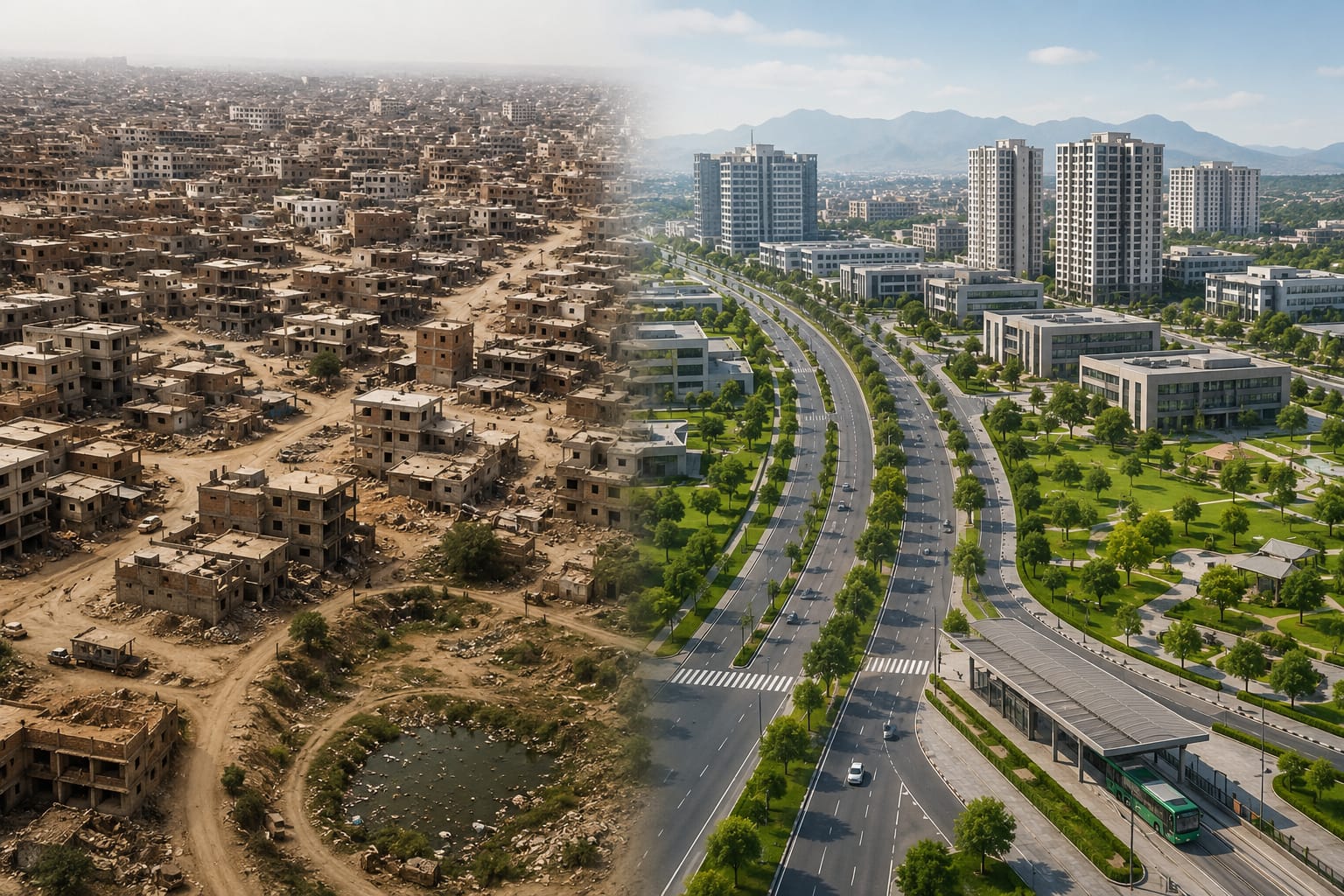
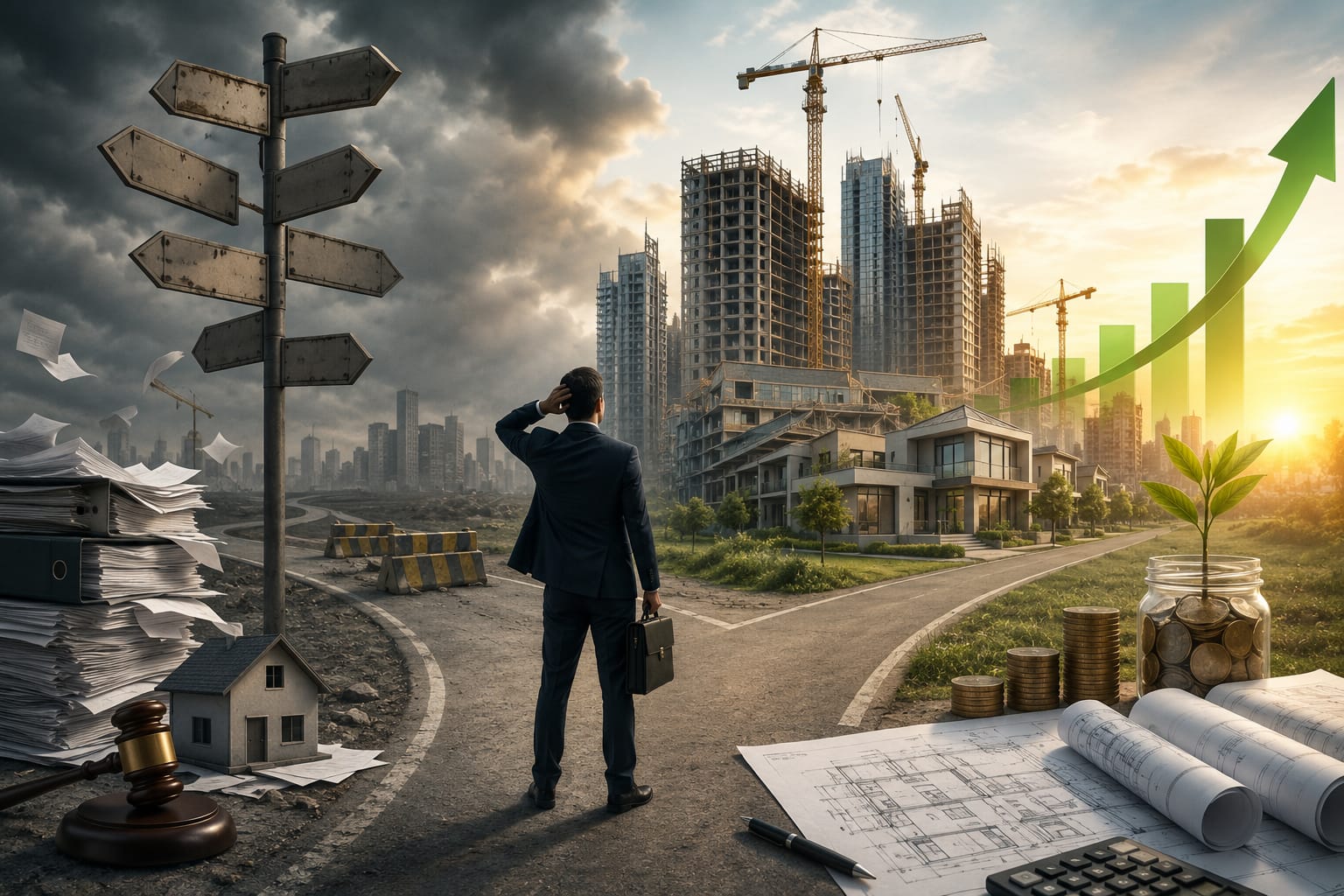
Pakistan’s real estate sector is considered one of the key pillars of the economy. However, one of the major challenges facing this sector is weak urban planning and uncontrolled urban sprawl. Over the past two decades, urban population has increased rapidly, but city planning has failed to keep pace with this growth. As a result, major cities have expanded beyond their planned boundaries in an unorganized manner, placing severe pressure on infrastructure and disturbing the balance between residential, commercial, and industrial areas.
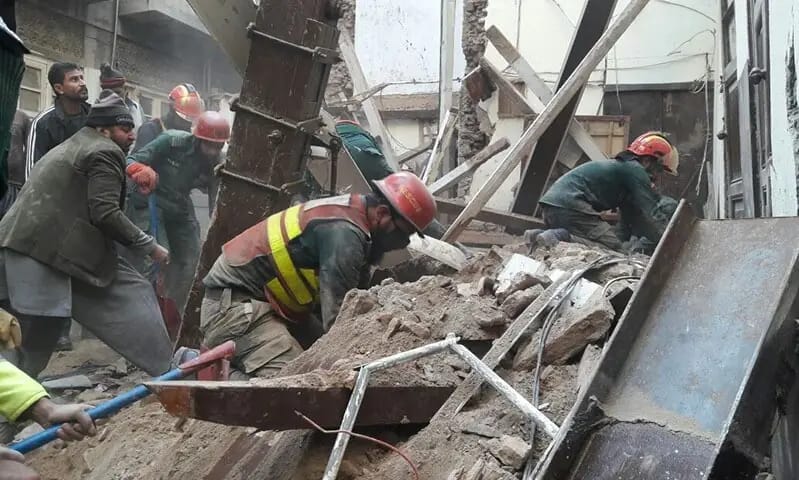
In most major cities of Pakistan, unplanned housing societies, illegal constructions, and residential projects on agricultural land have become increasingly common. Many projects are marketed without meeting basic requirements such as drainage, clean drinking water, traffic management, green areas, and public transport. Later, residents of these areas face numerous difficulties in daily life.
A major consequence of uncontrolled urban sprawl is that it becomes expensive and difficult for government institutions to provide roads, sewerage, electricity, gas, schools, hospitals, and other civic facilities. As a result, government development expenditures increase, while citizens still remain deprived of quality services. On the other hand, growing distances between employment centers and residential areas lead to traffic congestion, higher fuel costs, and increased environmental pollution.
According to experts, Pakistan’s urban planning system often suffers from institutional weaknesses, poor implementation, and a lack of coordination among different departments. Master plans of many cities have become outdated, while timely revisions are not carried out in view of population growth, transport needs, climate change, water resources, and future urban requirements. This is why urban development often moves forward on the basis of immediate needs and private interests rather than proper planning.
This issue is not limited to urban administration alone; it also directly affects the sustainable growth of the real estate market. Unbalanced development causes property prices in some areas to rise unrealistically, while investment slows down in others. This creates imbalance in the market and leaves long-term investors in a state of uncertainty.
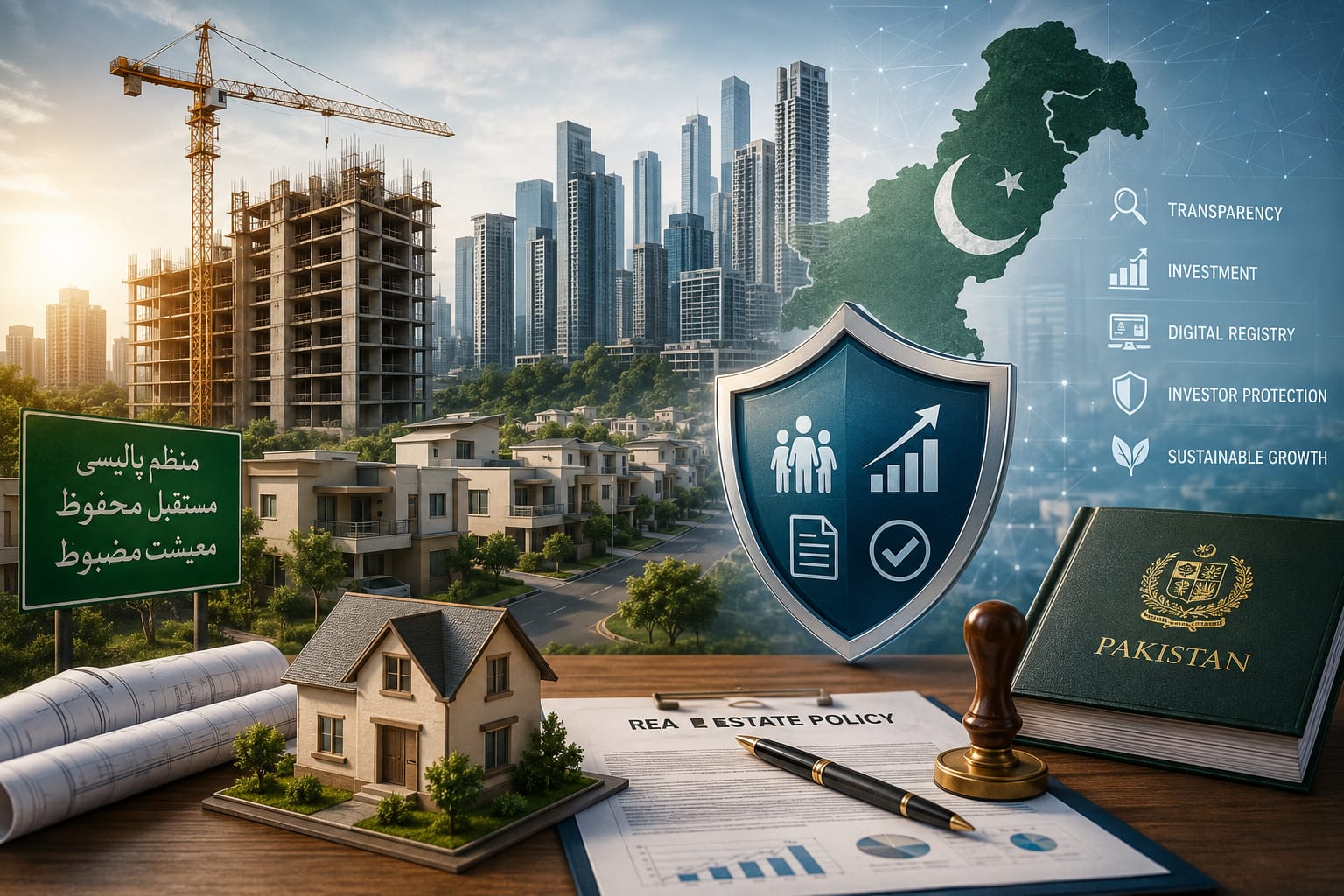
To address this challenge, it is essential for federal, provincial, and local governments to adopt modern principles of urban planning, regularly update master plans, take effective action against illegal housing schemes, and promote global models such as transit-oriented development, green infrastructure, and mixed land use. At the same time, geographic information systems (GIS), digital land records, and transparent approval mechanisms must also be strengthened.
If Pakistan wants to build sustainable, secure, and investment-friendly urban centers in the future, the issue of weak urban planning and uncontrolled urban sprawl must be addressed on an urgent and priority basis. This is the path that can not only stabilize the real estate sector but also provide citizens with a better quality of life, stronger infrastructure, and a more balanced urban future.
The writer of this article, Riaz Hussain, has been associated with the field of journalism for nearly two decades. He lives in Lahore and is currently working as Head of Multimedia at ReNews Pakistan. In addition to real estate, he also writes on political and social issues, human rights, literature and culture. Riaz Hussain is an Old Ravian and holds a Master’s degree in Philosophy from Government College University, Lahore. (Editor)
پاکستان میں رئیل اسٹیٹ کا شعبہ معیشت کے اہم ستونوں میں شمار ہوتا ہے، مگر اس شعبے کو درپیش بنیادی مسائل میں ایک بڑا مسئلہ کمزور اربن پلاننگ اور بے ہنگم شہری پھیلاؤ (Urban Sprawl) ہے۔ گزشتہ دو دہائیوں کے دوران شہروں کی آبادی میں تیزی سے اضافہ ہوا، لیکن اس رفتار کے مطابق شہری منصوبہ بندی نہ ہو سکی۔ نتیجتاً بڑے شہر اپنی طے شدہ حدود سے باہر بے ترتیب انداز میں پھیلتے چلے گئے، جس کے باعث نہ صرف انفراسٹرکچر پر شدید دباؤ آیا بلکہ رہائشی، تجارتی اور صنعتی علاقوں کے درمیان توازن بھی متاثر ہوا۔
پاکستان کے بیشتر بڑے شہروں میں غیر منصوبہ بند ہاؤسنگ سوسائٹیز، غیر قانونی تعمیرات اور زرعی اراضی پر رہائشی منصوبوں کی بھرمار دیکھنے میں آتی ہے۔ کئی منصوبے بنیادی سہولیات، نکاسی آب، پینے کے صاف پانی، ٹریفک مینجمنٹ، گرین ایریاز اور عوامی ٹرانسپورٹ جیسے بنیادی تقاضے پورے کیے بغیر ہی فروخت کے لیے پیش کر دیے جاتے ہیں۔ بعد ازاں ان منصوبوں میں رہائش اختیار کرنے والے شہریوں کو روزمرہ زندگی میں متعدد مشکلات کا سامنا کرنا پڑتا ہے۔
بے ہنگم شہری پھیلاؤ کا ایک بڑا نقصان یہ بھی ہے کہ سرکاری اداروں کے لیے سڑکیں، سیوریج، بجلی، گیس، سکول، ہسپتال اور دیگر شہری سہولیات فراہم کرنا مہنگا اور مشکل ہو جاتا ہے۔ اس کے نتیجے میں حکومت کے ترقیاتی اخراجات میں اضافہ ہوتا ہے جبکہ شہریوں کو معیاری سہولیات میسر نہیں آتیں۔ دوسری جانب روزگار کے مراکز اور رہائشی علاقوں کے درمیان فاصلہ بڑھنے سے ٹریفک جام، ایندھن کے اضافی اخراجات اور ماحولیاتی آلودگی میں بھی نمایاں اضافہ ہوتا ہے۔
ماہرین کے مطابق پاکستان میں شہری منصوبہ بندی کا نظام اکثر ادارہ جاتی کمزوریوں، ناقص عمل درآمد اور مختلف محکموں کے درمیان رابطے کے فقدان کا شکار ہے۔ کئی شہروں کے ماسٹر پلان برسوں پرانے ہو چکے ہیں، جبکہ آبادی، ٹرانسپورٹ، موسمیاتی تبدیلی، آبی وسائل اور مستقبل کی ضروریات کو مدنظر رکھتے ہوئے بروقت نظرثانی نہیں کی جاتی۔ یہی وجہ ہے کہ شہری ترقی اکثر منصوبہ بندی کے بجائے وقتی ضروریات اور نجی مفادات کے تحت آگے بڑھتی ہے۔
یہ مسئلہ صرف شہری انتظامیہ تک محدود نہیں بلکہ رئیل اسٹیٹ مارکیٹ کی پائیدار ترقی پر بھی براہِ راست اثر انداز ہوتا ہے۔ غیر متوازن ترقی سے بعض علاقوں میں جائیدادوں کی قیمتیں غیر حقیقی حد تک بڑھ جاتی ہیں، جبکہ دیگر علاقوں میں سرمایہ کاری کی رفتار سست پڑ جاتی ہے۔ اس صورتحال سے مارکیٹ میں عدم توازن پیدا ہوتا ہے اور طویل المدتی سرمایہ کار بھی غیر یقینی کیفیت کا شکار رہتے ہیں۔
اس چیلنج سے نمٹنے کے لیے ضروری ہے کہ وفاقی، صوبائی اور مقامی حکومتیں جدید اربن پلاننگ کے اصولوں کو اپنائیں، ماسٹر پلانز کو باقاعدگی سے اپ ڈیٹ کریں، غیر قانونی ہاؤسنگ سکیموں کے خلاف مؤثر کارروائی کریں اور ٹرانزٹ پر مبنی ترقی، گرین انفراسٹرکچر اور مخلوط زمینی استعمال (Mixed Land Use) جیسے عالمی ماڈلز کو فروغ دیں۔ اس کے ساتھ ساتھ جغرافیائی معلوماتی نظام (GIS)، ڈیجیٹل لینڈ ریکارڈ اور شفاف منظوری کے نظام کو بھی مضبوط بنایا جائے۔
اگر پاکستان مستقبل میں پائیدار، محفوظ اور سرمایہ کاری کے لیے پرکشش شہری مراکز قائم کرنا چاہتا ہے تو کمزور اربن پلاننگ اور بے ہنگم شہری پھیلاؤ کے مسئلے کو فوری ترجیحی بنیادوں پر حل کرنا ہوگا۔ یہی وہ راستہ ہے جو نہ صرف رئیل اسٹیٹ سیکٹر کو مستحکم بنا سکتا ہے بلکہ شہریوں کو بہتر معیارِ زندگی، مضبوط انفراسٹرکچر اور ایک متوازن شہری مستقبل بھی فراہم کر سکتا ہے۔
اس تحریر کے لکھاری ریاض حسین کم و بیش دو دہائیوں سے شعبہ صحافت سے وابستہ ہیں۔ لاہور میں رہتے ہیں اور آج کل 'ری نیوز پاکستان' میں بطور ہیڈ ملٹی میڈیا کام کر رہے ہیں۔ رئیل اسٹیٹ کے علاوہ سیاسی و سماجی موضوعات، انسانی حقوق اور ادب و ثقافت پر بھی لکھتے ہیں۔ ریاض حسین اولڈ راوین ہیں اور گورنمنٹ کالج لاہور یونیورسٹی سے فلسفے میں ایم اے کر رکھا ہے۔ (ادارہ)