

By Riaz Hussain
تحریر: ریاض حسین
Published: August 6, 2026 - 3:04 PM
پبلشنگ کی تاریخ: 6 اگست 2026 - 3:04 PM
Operation Against Illegal Hostels and Hotels in Lahore Raises Questions Over Balanced Urban Planning, Residents’ Rights and Business Needs
لاہور میں غیرقانونی ہاسٹلز اور ہوٹلوں کیخلاف آپریشن: شہری منصوبہ بندی، رہائشی حقوق اور کاروباری ضرورت بارے متوازن حکمت عملی کا سوال!
The Lahore Development Authority’s recent operation against illegally operating hostels and hotels in residential areas has once again brought important questions surrounding...
لاہور ڈویلپمنٹ اتھارٹی (ایل ڈی اے) کی جانب سے رہائشی علاقوں میں غیرقانونی طور پر قائم ہاسٹلز اور ہوٹلوں کے خلاف حالیہ...
The sealing of 32 buildings in different blocks of Johar Town was not merely an administrative action. It also reflected the authorities’ growing emphasis on maintaining a clear distinction between residential and commercial land use across the city.
Over the past several years, the number of universities, colleges and other educational institutions in Lahore has increased significantly, leading to a steady rise in demand for student accommodation. To meet this need, numerous residential properties have been converted into hostels and guest houses without obtaining the required legal approvals.
In some neighbourhoods, the trend has expanded to such an extent that the original residential character of entire blocks has begun to change. As a result, local residents have increasingly complained about traffic congestion, parking shortages, blocked sewerage systems, noise pollution, security concerns and pressure on basic civic services.
According to the LDA, the primary objective of the operation is to enforce building and land-use regulations that prohibit properties approved for residential purposes from being used for commercial activities without formal permission.
The authority maintains that such unauthorised conversions not only violate the city’s master plan and building bylaws but also place additional strain on urban infrastructure. Roads, drainage systems and other municipal facilities in residential areas are generally designed to serve a limited population rather than accommodate large-scale commercial activity.
However, the issue also carries important economic and social dimensions. Lahore is one of Pakistan’s largest educational centres, attracting thousands of students from other districts and cities. These students require accommodation that is safe, accessible and reasonably affordable.
When the number of legally approved hostels remains insufficient to meet demand, informal and unregulated accommodation businesses are likely to emerge. This is why enforcement action alone may not provide a lasting solution to the problem.
Urban planning experts argue that strict monitoring should be accompanied by practical alternatives. Designated student accommodation or hostel zones could be developed near major educational institutions through proper planning and regulation.
Such zones should be required to comply with clear standards relating to parking, sewerage, fire safety, security, building design and emergency access. This approach could provide students with better accommodation while also protecting residential communities and preserving urban order.
Similarly, the hotel and guest house sector requires a transparent and efficient regulatory framework that allows investors and property owners to operate legally while discouraging unauthorised commercial use. If the approval process remains excessively complicated, costly or time-consuming, the likelihood of illegal construction and unauthorised land conversion may continue to increase.
Lahore’s expanding population and rapidly growing urban boundaries demand a balanced strategy that aligns land use, construction regulations and civic infrastructure with changing social and economic realities.
Strict enforcement of the law is essential, but the growing demand for student housing, commercial investment and urban services must also be acknowledged. Ignoring these needs could merely shift illegal businesses from one locality to another rather than resolving the underlying problem.
The LDA’s latest operation sends a clear message that unauthorised commercial activities in residential areas will face continued action. However, sustainable progress will only be possible if enforcement is supported by legal alternatives, improved urban planning and a transparent regulatory system.
A durable balance must therefore be created between residents’ rights, business activity, student accommodation needs and the broader public interest.
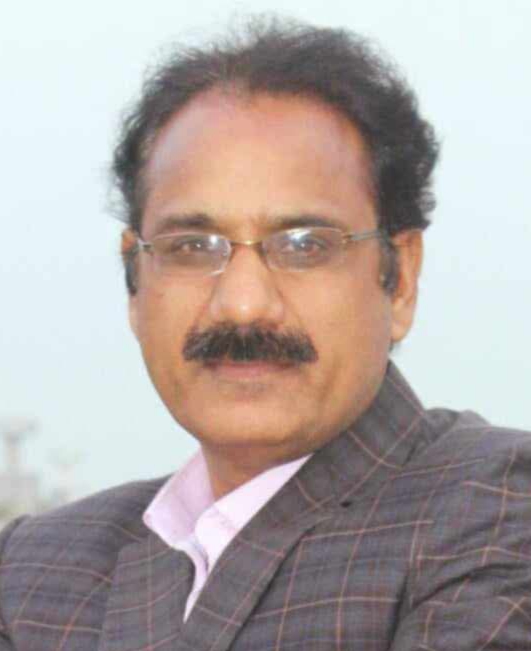
The writer of this article, Riaz Hussain, has been associated with the field of journalism for nearly two decades. He lives in Lahore and is currently working as Head of Multimedia at ReNews Pakistan. In addition to real estate, he also writes on political and social issues, human rights, literature and culture. Riaz Hussain is an Old Ravian and holds a Master’s degree in Philosophy from Government College University, Lahore. (Editor)
گزشتہ چند برسوں کے دوران لاہور میں جامعات، کالجز اور دیگر تعلیمی اداروں کی تعداد میں اضافہ ہوا ہے، جس کے ساتھ ہی طلبہ کے لیے رہائش کی طلب بھی مسلسل بڑھی۔ اسی ضرورت کو پورا کرنے کے لیے متعدد رہائشی مکانات کو بغیر قانونی منظوری کے ہاسٹلز اور گیسٹ ہاؤسز میں تبدیل کر دیا گیا۔ بعض علاقوں میں یہ کاروبار اس قدر وسیع ہو گیا کہ پورے رہائشی بلاکس کی نوعیت ہی تبدیل ہونے لگی، جس کے نتیجے میں مقامی آبادی کو پارکنگ، ٹریفک، سیوریج، شور شرابے اور سکیورٹی جیسے مسائل کا سامنا کرنا پڑا۔
ایل ڈی اے کے مطابق کارروائی کا بنیادی مقصد ایسے تعمیراتی ضوابط پر عمل درآمد یقینی بنانا ہے جن کے تحت رہائشی مقاصد کے لیے منظور شدہ عمارتوں کو تجارتی سرگرمیوں کے لیے استعمال نہیں کیا جا سکتا۔ اتھارٹی کا مؤقف ہے کہ غیرقانونی تبدیلیاں نہ صرف ماسٹر پلان اور بلڈنگ بائی لاز کی خلاف ورزی ہیں بلکہ شہری انفراسٹرکچر پر بھی اضافی دباؤ ڈالتی ہیں، کیونکہ رہائشی علاقوں کی سڑکیں، نکاسی آب اور دیگر سہولیات محدود آبادی کے لیے ڈیزائن کی جاتی ہیں، نہ کہ بڑے پیمانے پر تجارتی سرگرمیوں کے لیے۔
دوسری جانب اس مسئلے کا ایک معاشی اور سماجی پہلو بھی موجود ہے۔ لاہور جیسے بڑے تعلیمی شہر میں ہزاروں طلبہ دوسرے اضلاع اور شہروں سے تعلیم حاصل کرنے آتے ہیں، جنہیں مناسب، محفوظ اور نسبتاً کم لاگت رہائش درکار ہوتی ہے۔ اگر قانونی اور منظور شدہ ہاسٹلز کی تعداد طلب کے مقابلے میں کم ہو تو غیر رسمی اور غیرقانونی کاروبار فروغ پانا ایک فطری عمل بن جاتا ہے۔ یہی وجہ ہے کہ صرف کارروائیاں کرنا اس مسئلے کا مکمل حل نہیں ہو سکتا۔
شہری منصوبہ بندی کے ماہرین کا خیال ہے کہ انتظامیہ کو سخت نگرانی کے ساتھ ساتھ متبادل حل بھی فراہم کرنے چاہییں۔ مثال کے طور پر مخصوص علاقوں کو باقاعدہ منصوبہ بندی کے ذریعے طلبہ رہائش یا ہاسٹل زون قرار دیا جا سکتا ہے، جہاں پارکنگ، سیوریج، فائر سیفٹی، سیکیورٹی اور بلڈنگ سٹینڈرڈز پر سختی سے عمل درآمد کرایا جائے۔ اس سے نہ صرف طلبہ کو بہتر سہولیات ملیں گی بلکہ رہائشی آبادی کے تحفظ اور شہری نظم و ضبط کو بھی برقرار رکھا جا سکے گا۔
اسی طرح ہوٹل اور گیسٹ ہاؤس انڈسٹری کے لیے بھی واضح اور شفاف ریگولیٹری نظام ضروری ہے تاکہ سرمایہ کار قانونی تقاضے پورے کرتے ہوئے کاروبار کر سکیں، جبکہ غیرقانونی سرگرمیوں کی حوصلہ شکنی بھی ہو۔ اگر منظوری کا نظام پیچیدہ یا غیر ضروری طور پر طویل ہوگا تو غیر قانونی تعمیرات اور غیر مجاز استعمال کے امکانات بڑھ سکتے ہیں۔
لاہور کی بڑھتی ہوئی آبادی اور تیزی سے پھیلتی شہری حدود اس بات کی متقاضی ہیں کہ زمین کے استعمال، تعمیراتی قوانین اور شہری سہولیات کے درمیان ایک متوازن حکمت عملی اختیار کی جائے۔ قانون پر سختی سے عمل درآمد اپنی جگہ اہم ہے، لیکن اس کے ساتھ ساتھ شہری ضروریات، تعلیمی مراکز کی بڑھتی ہوئی طلب اور سرمایہ کاری کے تقاضوں کو بھی نظر انداز نہیں کیا جا سکتا۔
ایل ڈی اے کا حالیہ آپریشن اس بات کا واضح پیغام دیتا ہے کہ رہائشی علاقوں میں غیرقانونی کمرشل سرگرمیوں کے خلاف کارروائیاں جاری رہیں گی۔ تاہم پائیدار کامیابی اسی صورت ممکن ہے جب قانون نافذ کرنے کے ساتھ ساتھ قانونی متبادل، بہتر شہری منصوبہ بندی اور شفاف ریگولیٹری نظام بھی متعارف کرایا جائے، تاکہ شہری سہولت، کاروباری سرگرمی اور عوامی مفاد کے درمیان ایک دیرپا اور متوازن توازن قائم کیا جا سکے۔
اس تحریر کے لکھاری ریاض حسین کم و بیش دو دہائیوں سے شعبہ صحافت سے وابستہ ہیں۔ لاہور میں رہتے ہیں اور آج کل 'ری نیوز پاکستان' میں بطور ہیڈ ملٹی میڈیا کام کر رہے ہیں۔ رئیل اسٹیٹ کے علاوہ سیاسی و سماجی موضوعات، انسانی حقوق اور ادب و ثقافت پر بھی لکھتے ہیں۔ ریاض حسین اولڈ راوین ہیں اور گورنمنٹ کالج لاہور یونیورسٹی سے فلسفے میں ایم اے کر رکھا ہے۔ (ادارہ)