پبلشنگ کی تاریخ:
11 جولائی 2026 - 10:24 AM
Pakistan’s real estate sector has always played an unusually important role in the national economy. It not only provides employment to millions...
پاکستان کی معیشت میں رئیل اسٹیٹ کا کردار ہمیشہ سے غیر معمولی رہا ہے۔ یہ شعبہ نہ صرف لاکھوں افراد کو روزگار...
Pakistan’s real estate sector has always played an unusually important role in the national economy. It not only provides employment to millions of people but also supports construction, cement, steel, transportation, banking, architecture and dozens of related industries. For this reason, every government decision concerning real estate affects far more than just investors; its consequences are felt across the wider economy.
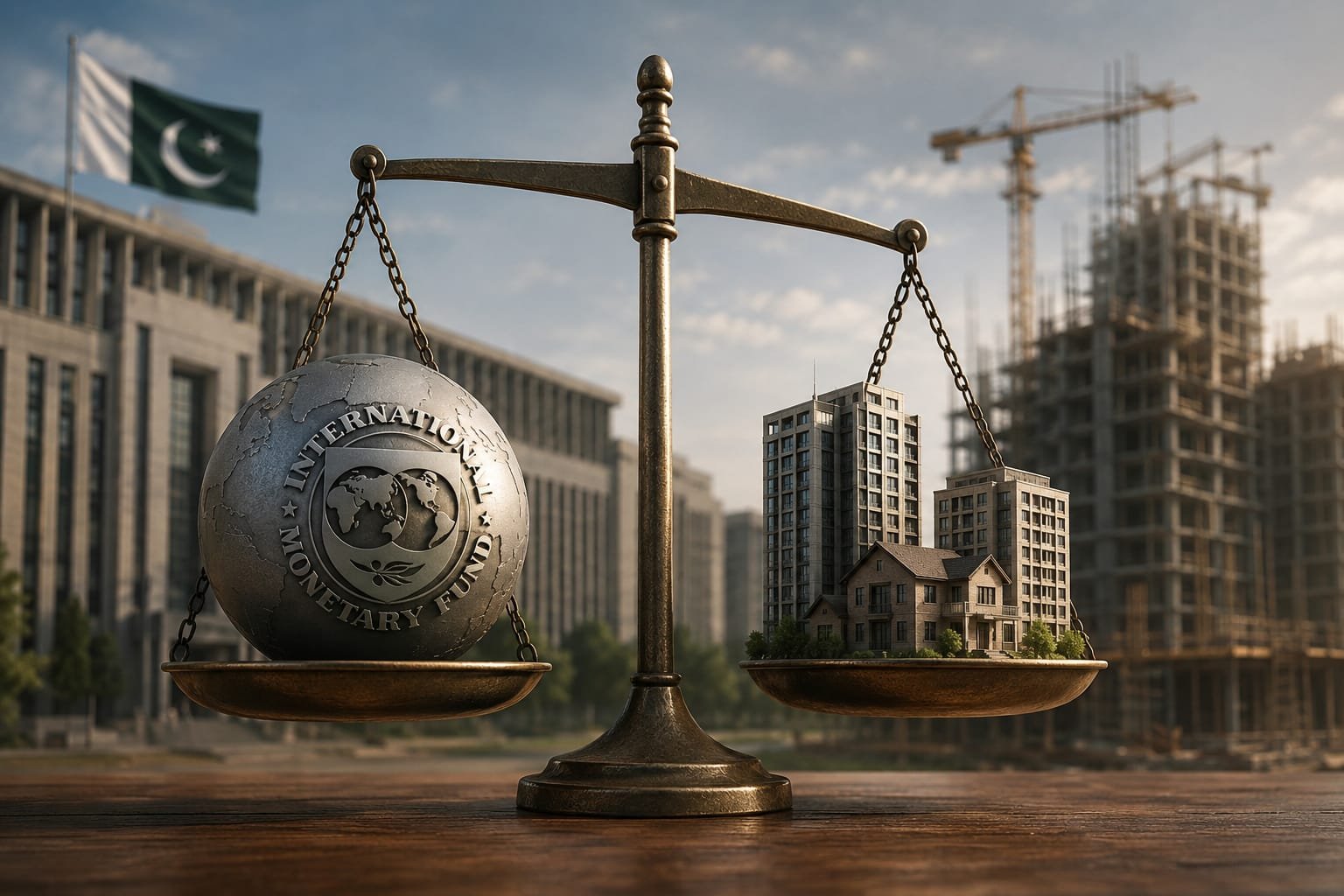
Over the past few years, Pakistan’s real estate sector has faced a series of serious challenges. High interest rates, inflation, repeated changes in tax policy, rising construction costs and investor uncertainty have all slowed down market activity. Against this backdrop, the federal government’s decision to introduce certain tax concessions and relief measures for the real estate sector in the 2026–27 budget created fresh optimism in the market. However, reports also emerged that the International Monetary Fund had expressed reservations over some additional proposed concessions, triggering a wider debate over the extent to which the IMF influences Pakistan’s real estate policy.
This question must be examined through facts rather than emotion.
The reality is that Pakistan is currently part of an IMF financial programme. Under such arrangements, borrowing countries are required to meet targets related to fiscal discipline, tax reforms, reduction of budget deficits and improvement in government revenues. Since real estate is one of the largest sectors of Pakistan’s economy and has traditionally remained under-documented, it naturally falls within the scope of these reforms.
The IMF’s central position has been that Pakistan must broaden its tax base, document economic activity more effectively and improve transparency in sectors where significant tax potential exists. In this context, attention is also given to property transactions, asset valuations, investment flows and the taxation structure governing real estate. The stated objective is not necessarily to target one particular sector, but to strengthen overall fiscal stability.
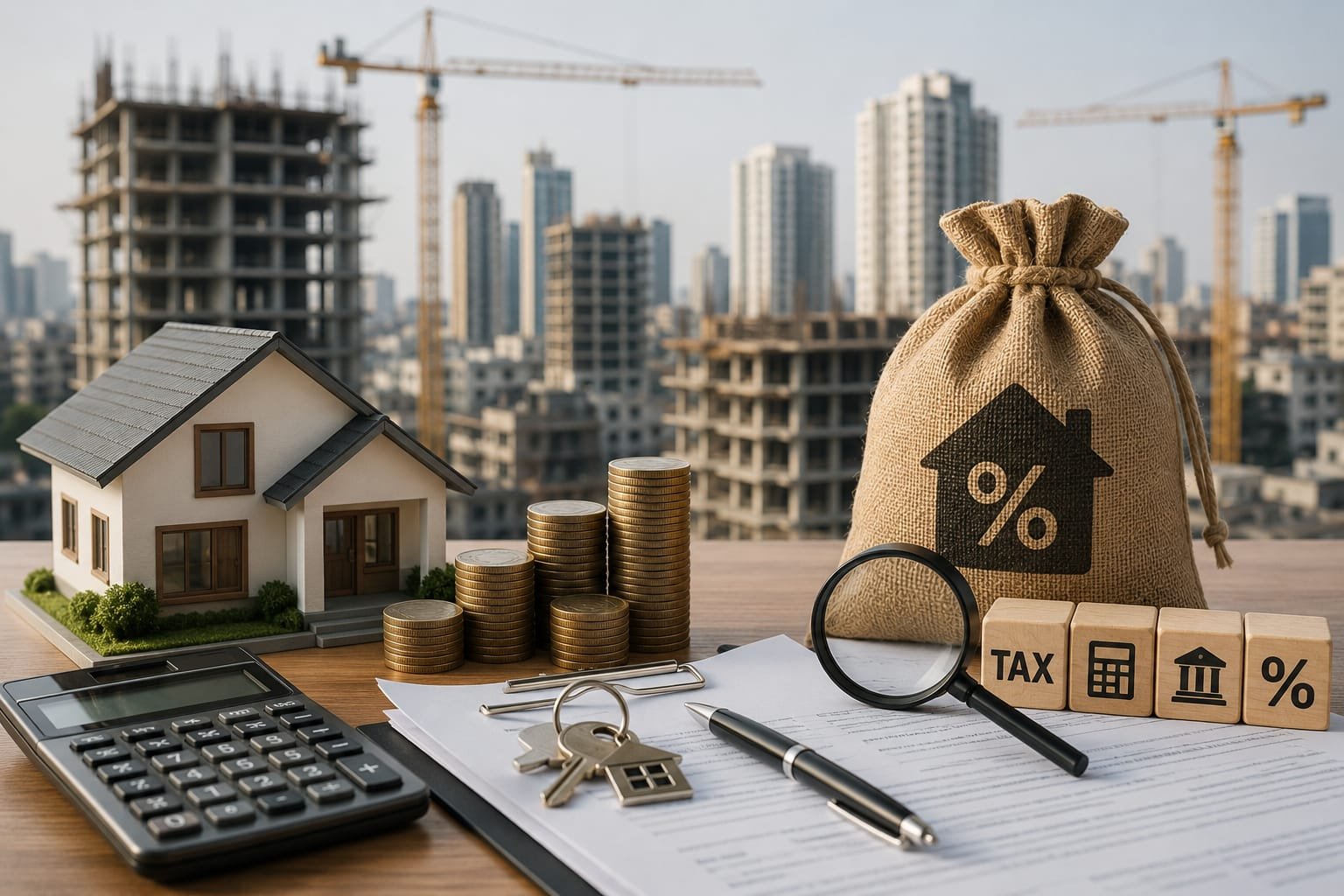
The government and representatives of the real estate industry, however, present a different perspective. They argue that if the sector is burdened with excessive taxation, investment declines, construction activity slows, employment opportunities are reduced and several linked industries also suffer. It was under this reasoning that the recent budget included measures such as reductions in certain withholding taxes on property transactions and the abolition of Section 7E. These steps were widely viewed as positive developments for the construction and property sectors.
The real issue, however, is not simply whether taxes are high or low. The deeper problem is the lack of policy continuity.
Frequent changes in real estate laws and tax policies undermine investor confidence. Concessions are introduced in one year, new restrictions follow in the next, and then another budget changes the framework again. In such an uncertain environment, both domestic and foreign investors become reluctant to make long-term commitments, and the entire sector suffers as a result.
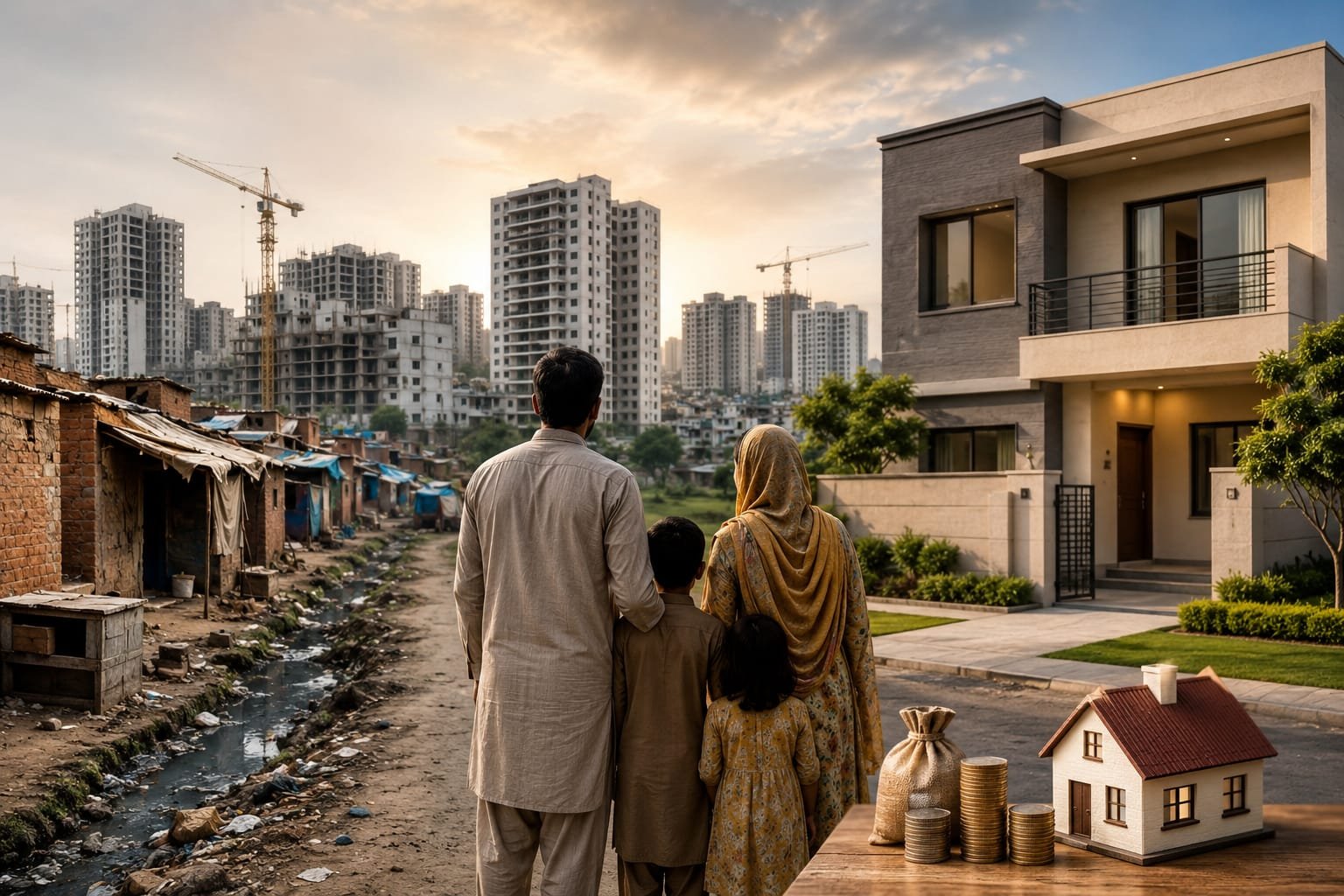
At the same time, several fundamental problems within Pakistan’s real estate market remain unresolved. Illegal housing schemes, land disputes, weaknesses in land records, delays in project approvals, poor urban planning and limited access to housing finance are all major issues. These problems are not directly linked to the IMF; rather, they reflect weaknesses in Pakistan’s own administrative and institutional systems.
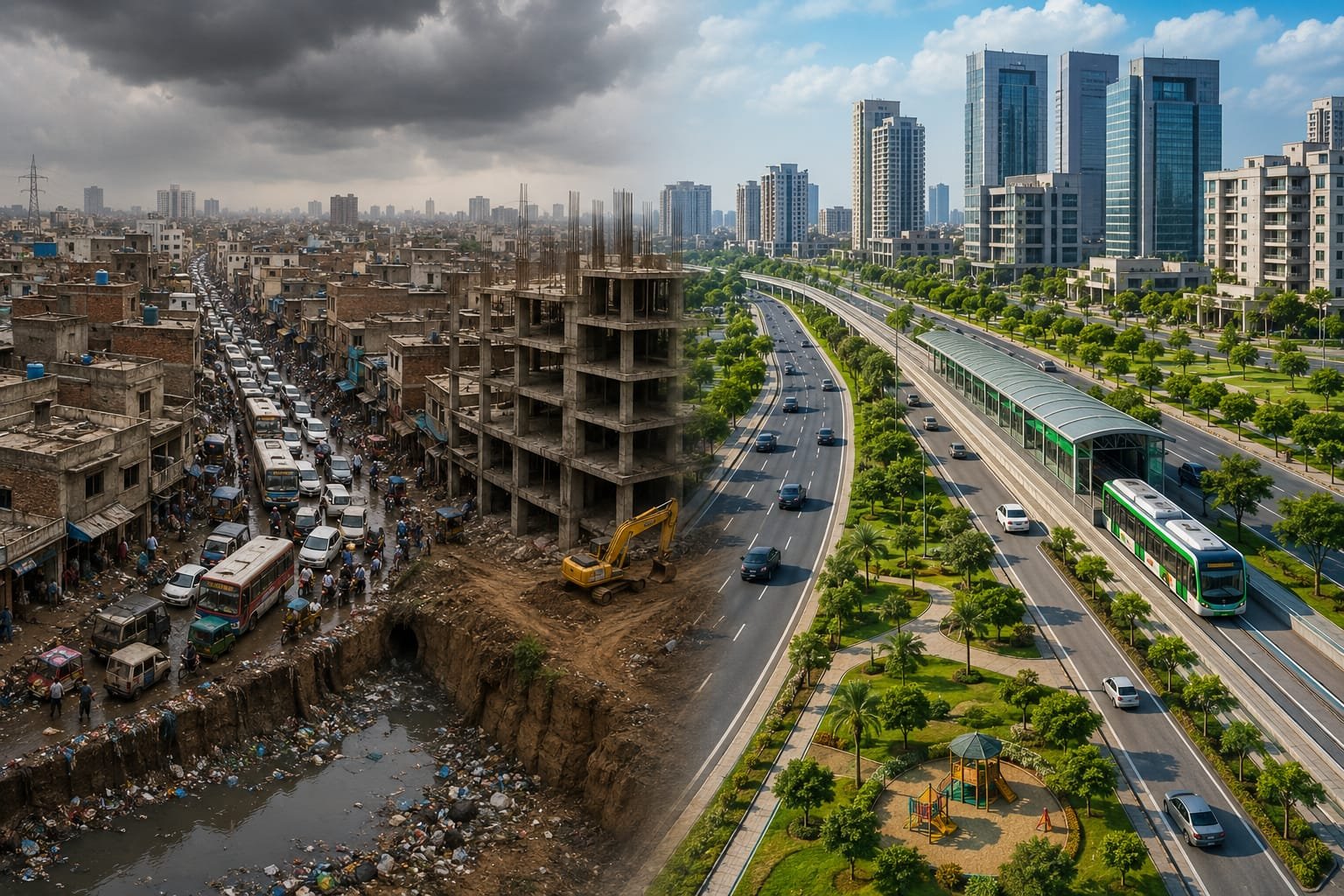
A large number of economists agree that Pakistan needs a comprehensive, stable and credible national real estate policy that extends beyond a single budget or one government’s tenure. Such a policy should provide clarity in taxation, continuity in regulations, incentives for productive investment, complete digitisation of land records, effective action against illegal housing projects and wider access to mortgage financing through the banking system.
If these reforms are introduced, Pakistan could attract greater domestic investment while also restoring the confidence of overseas Pakistanis and foreign investors. This would represent a major breakthrough for the country’s housing and construction sectors.
It is also important to understand that the relationship between Pakistan and the IMF cannot be reduced to a simple debate between “relief” and “strictness.” On one side, there is a genuine need for fiscal stability and stronger government revenues. On the other, economic growth, construction activity, employment and investment cannot be ignored. A successful policy must therefore strike a careful balance between these competing priorities.
The future of Pakistan’s real estate sector does not depend solely on reducing or increasing taxes. It depends on transparent laws, consistent policies, stronger institutions and an investor-friendly environment. If the government gives priority to these structural reforms, real estate can play a major role not only in economic recovery but also in building a stronger and more sustainable foundation for long-term national growth.

The writer of this article, Riaz Hussain, has been associated with the field of journalism for nearly two decades. He lives in Lahore and is currently working as Head of Multimedia at ReNews Pakistan. In addition to real estate, he also writes on political and social issues, human rights, literature and culture. Riaz Hussain is an Old Ravian and holds a Master’s degree in Philosophy from Government College University, Lahore. (Editor)
پاکستان کی معیشت میں رئیل اسٹیٹ کا کردار ہمیشہ سے غیر معمولی رہا ہے۔ یہ شعبہ نہ صرف لاکھوں افراد کو روزگار فراہم کرتا ہے بلکہ تعمیرات، سیمنٹ، سٹیل، ٹرانسپورٹ، بینکاری، آرکیٹیکچر اور درجنوں دیگر صنعتوں کو بھی متحرک رکھتا ہے۔ یہی وجہ ہے کہ رئیل اسٹیٹ سے متعلق ہر حکومتی فیصلہ صرف سرمایہ کاروں تک محدود نہیں رہتا بلکہ اس کے اثرات پوری معیشت پر مرتب ہوتے ہیں۔
گزشتہ چند برسوں میں پاکستان کے رئیل اسٹیٹ سیکٹر کو متعدد چیلنجز کا سامنا رہا ہے۔ بلند شرح سود، مہنگائی، ٹیکس پالیسیوں میں بار بار تبدیلی، تعمیراتی لاگت میں اضافہ اور سرمایہ کاروں کے غیر یقینی رویے نے اس شعبے کی رفتار کو متاثر کیا۔ ایسے میں جب وفاقی حکومت نے بجٹ 27-2026 میں رئیل اسٹیٹ کے لیے بعض ٹیکس مراعات اور ریلیف اقدامات متعارف کرائے تو مارکیٹ میں ایک نئی امید پیدا ہوئی۔ تاہم اسی دوران یہ اطلاعات بھی سامنے آئیں کہ بین الاقوامی مالیاتی فنڈ (آئی ایم ایف) نے بعض مزید مجوزہ رعایتوں پر تحفظات کا اظہار کیا ہے، جس سے ایک نئی بحث نے جنم لیا کہ آخر آئی ایم ایف پاکستان کی رئیل اسٹیٹ پالیسی پر کس حد تک اثر انداز ہوتا ہے۔
اس سوال کا جواب جذبات کے بجائے حقائق میں تلاش کرنا ضروری ہے۔
حقیقت یہ ہے کہ پاکستان اس وقت آئی ایم ایف کے مالیاتی پروگرام کا حصہ ہے۔ ایسے پروگراموں کے تحت قرض لینے والے ممالک کو مالیاتی نظم و ضبط، ٹیکس اصلاحات، حکومتی خسارے میں کمی اور محصولات بڑھانے جیسے اہداف پر عمل کرنا ہوتا ہے۔ چونکہ رئیل اسٹیٹ پاکستان کی معیشت کا ایک بڑا اور روایتی طور پر کم دستاویزی شعبہ رہا ہے، اس لیے قدرتی طور پر یہ بھی ان اصلاحات کے دائرے میں آتا ہے۔
آئی ایم ایف کا بنیادی مؤقف یہ رہا ہے کہ پاکستان کو اپنی ٹیکس بنیاد کو وسیع کرنا چاہیے، معیشت کو زیادہ دستاویزی بنانا چاہیے اور ایسے شعبوں میں شفافیت لانی چاہیے جہاں ٹیکس وصولی کی گنجائش موجود ہے۔ اس تناظر میں رئیل اسٹیٹ کے لین دین، جائیداد کی قیمتوں، سرمایہ کاری اور ٹیکس ڈھانچے پر بھی توجہ دی جاتی ہے۔ اس کا مقصد کسی مخصوص شعبے کو نشانہ بنانا نہیں بلکہ مجموعی مالیاتی استحکام کو بہتر بنانا ہوتا ہے۔
دوسری جانب حکومت اور رئیل اسٹیٹ سے وابستہ حلقوں کا مؤقف مختلف ہے۔ ان کے مطابق اگر اس شعبے پر ضرورت سے زیادہ ٹیکسوں کا بوجھ ڈالا جائے تو سرمایہ کاری کم ہوتی ہے، تعمیراتی سرگرمیاں سست پڑ جاتی ہیں، روزگار کے مواقع متاثر ہوتے ہیں اور معیشت کے کئی دوسرے شعبے بھی دباؤ میں آجاتے ہیں۔ اسی سوچ کے تحت حالیہ بجٹ میں خرید و فروخت پر بعض ودہولڈنگ ٹیکسوں میں کمی اور سیکشن 7E کے خاتمے جیسے اقدامات کیے گئے، جنہیں تعمیراتی صنعت کے لیے مثبت پیش رفت قرار دیا گیا۔
یہاں اصل مسئلہ ٹیکس کم یا زیادہ ہونے کا نہیں بلکہ پالیسی کے تسلسل کا ہے۔
پاکستان میں رئیل اسٹیٹ سے متعلق قوانین اور ٹیکس پالیسیوں میں بار بار تبدیلیاں سرمایہ کاروں کے اعتماد کو متاثر کرتی ہیں۔ ایک سال مراعات دی جاتی ہیں، اگلے سال نئی شرائط نافذ ہوجاتی ہیں، پھر کسی اور بجٹ میں پالیسی تبدیل کردی جاتی ہے۔ ایسی غیر یقینی صورتحال میں مقامی اور بیرونی سرمایہ کار طویل المدتی منصوبہ بندی سے گریز کرتے ہیں، جس کا نقصان پورے شعبے کو اٹھانا پڑتا ہے۔
اس کے ساتھ ساتھ رئیل اسٹیٹ کے کئی بنیادی مسائل اب بھی اپنی جگہ موجود ہیں۔ غیر قانونی ہاؤسنگ سوسائٹیاں، زمینوں کے تنازعات، لینڈ ریکارڈ کی خامیاں، منصوبوں کی منظوری میں تاخیر، شہری منصوبہ بندی کی کمزوریاں اور ہاؤسنگ فنانس کی محدود دستیابی وہ مسائل ہیں جن کا تعلق براہِ راست آئی ایم ایف سے نہیں بلکہ ہماری اپنی انتظامی اور ادارہ جاتی اصلاحات سے ہے۔
ماہرینِ معیشت کی ایک بڑی تعداد اس بات پر متفق دکھائی دیتی ہے کہ پاکستان کو ایک ایسی جامع، مستقل اور قابلِ اعتماد قومی رئیل اسٹیٹ پالیسی کی ضرورت ہے جو صرف ایک بجٹ یا ایک حکومت تک محدود نہ ہو۔ ایسی پالیسی جس میں ٹیکس نظام واضح ہو، قوانین میں استحکام ہو، سرمایہ کاری کی حوصلہ افزائی کی جائے، لینڈ ریکارڈ مکمل طور پر ڈیجیٹل بنایا جائے، غیر قانونی ہاؤسنگ منصوبوں کے خلاف مؤثر کارروائی ہو اور گھروں کی خریداری کے لیے بینکوں کے ذریعے ہاؤسنگ فنانس کو فروغ دیا جائے۔
اگر ایسا ہوتا ہے تو نہ صرف مقامی سرمایہ کاری میں اضافہ ہوسکتا ہے بلکہ بیرون ملک مقیم پاکستانیوں اور غیر ملکی سرمایہ کاروں کا اعتماد بھی بحال ہوسکتا ہے، جو پاکستان کے ہاؤسنگ اور تعمیراتی شعبے کے لیے ایک بڑی پیش رفت ہوگی۔
آخر میں یہ سمجھنا ضروری ہے کہ آئی ایم ایف اور پاکستان کے درمیان تعلق کو محض "ریلیف بمقابلہ سختی" کے زاویے سے نہیں دیکھا جاسکتا۔ ایک طرف مالیاتی استحکام اور محصولات کی ضرورت ہے، تو دوسری طرف اقتصادی ترقی، تعمیراتی سرگرمیوں، روزگار اور سرمایہ کاری کو بھی نظر انداز نہیں کیا جاسکتا۔ کامیاب پالیسی وہی ہوگی جو ان دونوں مقاصد کے درمیان متوازن راستہ اختیار کرے۔
پاکستان کے رئیل اسٹیٹ سیکٹر کا مستقبل صرف ٹیکسوں میں کمی یا اضافے سے وابستہ نہیں بلکہ شفاف قوانین، مستقل پالیسیوں، مضبوط اداروں اور سرمایہ کار دوست ماحول سے جڑا ہوا ہے۔ اگر حکومت ان بنیادی اصلاحات کو ترجیح دیتی ہے تو رئیل اسٹیٹ نہ صرف ملکی معیشت کی بحالی میں اہم کردار ادا کرسکتا ہے بلکہ پائیدار اقتصادی ترقی کا ایک مضبوط ستون بھی بن سکتا ہے۔
اگر یہ بلاگ Real Estate Insight کے لیے شائع ہونا ہے تو میں اسے مزید ادارتی (Editorial) انداز میں، زیادہ تجزیاتی اور باقاعدہ اخباری زبان میں بھی ڈھال سکتا ہوں تاکہ یہ کسی بڑے قومی اخبار کے ادارتی صفحے جیسا محسوس ہو۔
اس تحریر کے لکھاری ریاض حسین کم و بیش دو دہائیوں سے شعبہ صحافت سے وابستہ ہیں۔ لاہور میں رہتے ہیں اور آج کل 'ری نیوز پاکستان' میں بطور ہیڈ ملٹی میڈیا کام کر رہے ہیں۔ رئیل اسٹیٹ کے علاوہ سیاسی و سماجی موضوعات، انسانی حقوق اور ادب و ثقافت پر بھی لکھتے ہیں۔ ریاض حسین اولڈ راوین ہیں اور گورنمنٹ کالج لاہور یونیورسٹی سے فلسفے میں ایم اے کر رکھا ہے۔ (ادارہ)