
From Real Estate History
22 December
22 December 1924
The State Recognition of Affordable Housing as a Public Right in France

In the aftermath of the First World War, Europe faced widespread devastation. Millions of homes had been destroyed, while soldiers returned from the front to cities unable to absorb them. In Britain, this moment gave rise to the slogan “Homes Fit for Heroes”, encapsulating a growing belief that postwar reconstruction demanded more than physical rebuilding. Within this context, the French government decree issued on 22 December 1924, alongside Britain’s Wheatley Act of the same year, marked a decisive turning point in the history of housing and real estate. For the first time, the provision of housing was formally acknowledged as a public responsibility rather than a charitable or purely private concern.
On 22 December 1924, France issued a formal governmental order that transformed the Loucheur Law from a legislative framework into an operational programme. This decree authorised, for the first time, the allocation of public funds specifically for affordable housing, enabled the acquisition and designation of land for residential development, and vested municipal authorities with clear mandates for construction and implementation. Through this administrative and financial framework, the state assumed the role of housing developer, explicitly recognising access to affordable housing as a public right.
In the immediate aftermath of the decree, construction commenced under the model of Habitations à Bon Marché (HBM), representing France’s earliest systematic approach to affordable housing. In subsequent years, this framework evolved into the structured system of Habitations à Loyer Modéré (HLM), establishing regulated, low-rent public housing as a permanent feature of the urban landscape.
The importance of this moment has endured. Contemporary debates around low-cost housing and social housing policy continue to draw upon the practical foundations laid by the decision of 22 December 1924.
Following the issuance of the decree, land acquisition began in the outskirts of Paris for the development of garden cities and collective residential apartment blocks. Designed around principles of open space, natural light, greenery, and access to essential services, these schemes represented a significant departure from prevailing urban models. For the first time, it was formally asserted that low-income citizens were entitled not merely to shelter, but to dignified and adequate living conditions.
This decision also established a new precedent for state intervention. While municipal and cooperative housing initiatives had existed on a limited scale prior to this period, it was within this framework that the state, for the first time at a national level, assumed responsibility for large-scale funding, land allocation, and construction. This model later informed social housing policies across Europe and, eventually, across much of the world.
Today, as discussions continue in Pakistan and elsewhere regarding low-cost housing, access to housing for lower-income populations, and the role of state subsidy, their intellectual and practical origins can be traced to the decision of 22 December 1924. That moment reframed real estate from a purely investment-driven asset into an arena of social responsibility, positioning housing as a foundational element of the relationship between the state and its citizens.
▪️Syed Shayan Real Estate Archive
Section:International Politics▪References:
Documentation relating to the Loucheur Law and the government decrees of 1924
▫️Wikipedia (Loucheur Law)
Habitations à Bon Marché (HBM)
Habitations à Loyer Modéré (HLM)
22 دسمبر 1924
حکومتی سطح پر پہلی بار فرانس میں سستی رہائش کو عوام کا بنیادی حق قرار دے دیا گیا۔
یورپ میں پہلی جنگِ عظیم کے بعد لاکھوں گھر تباہ ہو چکے تھے اور محاذوں سے سپاہی واپس لوٹ رہے تھے۔ اسی پس منظر میں برطانیہ میں “Homes Fit for Heroes” یعنی ہیروز کے لیے موزوں گھر کا نعرہ سامنے آیا۔ فرانس میں 22 دسمبر 1924 کے حکومتی حکم نامے اور اسی برس برطانیہ میں نافذ ہونے والے Wheatley Act نے مل کر رئیل اسٹیٹ اور ہاؤسنگ کی تاریخ کا رخ بدل دیا، کیونکہ ان فیصلوں کے ذریعے ریاست نے پہلی بار شہریوں کو رہائش فراہم کرنے کو ایک باقاعدہ عوامی ذمہ داری کے طور پر تسلیم کیا۔
22 دسمبر 1924 کو فرانس میں ایک باقاعدہ حکومتی حکم نامہ جاری ہوا جس نے Loucheur Law کے تحت سستی رہائش کے منصوبوں کو عملی منصوبے میں تبدیل کر دیا۔ اس حکم کے تحت پہلی بار سستی رہائش کے لیے باقاعدہ سرکاری فنڈز مختص کیے گئے، رہائشی منصوبوں کے لیے زمین کے حصول اور الاٹمنٹ کی اجازت دی گئی، اور بلدیاتی اداروں کو تعمیر و عملدرآمد کے واضح اختیارات فراہم کیے گئے۔ اس انتظامی اور مالیاتی فریم ورک کے بعد ریاست نے تاریخ میں پہلی بار عوام کو سستی رہائش مہیا کرنے کے حق کو تسلیم کرتے ہوئے خود کو ہاؤسنگ ڈویلپر بنا کر یہ فریضہ انجام دیا۔
اسی فیصلے کے بعد Habitations à Bon Marché یعنی HBM کے تحت سستے گھروں کی تعمیر کا باقاعدہ آغاز ہوا، جسے بعد کے برسوں میں Habitations à Loyer Modéré یعنی HLM (کم کرائے والے سرکاری گھر) کے نظام میں شامل کر لیا گیا۔
اس دن کی اہمیت آج بھی برقرار ہے، کیونکہ دنیا بھر میں کم لاگت رہائشی منصوبوں اور سوشل ہاؤسنگ پر ہونے والی بحث کی عملی بنیاد اسی فیصلے سے جڑی ہوئی دکھائی دیتی ہے۔
حکم نامہ جاری ہوتے ہی پیرس کے مضافات میں گارڈن سٹیز اور اجتماعی رہائشی اپارٹمنٹس کے لیے زمینوں کے حصول کا عمل شروع کر دیا گیا۔ کھلی فضا، روشنی، سبزہ اور بنیادی سہولیات پر مبنی یہ منصوبے اس وقت کے شہری تصور سے کہیں آگے تھے۔ پہلی بار یہ اصول اپنایا گیا کہ کم آمدنی والے شہریوں کو بھی باعزت اور معیاری رہائش میسر آنا چاہیے، نہ کہ صرف پناہ۔
یہ دن اس اعتبار سے بھی غیر معمولی تھا کہ اس نے ریاستی مداخلت کی ایک نئی مثال قائم کی۔ اگرچہ اس سے قبل محدود سطح پر بلدیاتی یا کوآپریٹو ہاؤسنگ ماڈلز موجود تھے، مگر قومی سطح پر اتنے بڑے پیمانے پر فنڈنگ، زمین الاٹمنٹ اور تعمیراتی ذمہ داری ریاست نے پہلی بار اسی فریم ورک میں سنبھالی۔ یہی ماڈل بعد ازاں یورپ کے دیگر ممالک اور پھر دنیا بھر میں سماجی ہاؤسنگ پالیسیز کی بنیاد بنا۔
آج جب پاکستان سمیت دنیا کے کئی ممالک میں لو کوسٹ ہاؤسنگ، کم آمدنی والے طبقے کے لیے گھروں کی فراہمی اور ریاستی سبسڈی جیسے تصورات زیرِ بحث ہیں تو ان کی فکری اور عملی جڑیں اسی 22 دسمبر 1924 کے فیصلے میں نظر آتی ہیں۔
▪️سید شایان ریئل اسٹیٹ آرکائیو
حوالہ جات
▫️ فرانسی سرکاری آرکائیوز اور ہاؤسنگ پالیسی ریکارڈز
Loucheur Law اور 1924 کے حکومتی حکم ناموں سے متعلق دستاویزات
▫️ ویکی پیڈیا (Loucheur Law)
Habitations à Bon Marché (HBM)
Habitations à Loyer Modéré (HLM)
22 December 856 CE
Damghan The Deadliest Earthquake in Human History Claiming Two Hundred Thousand Lives
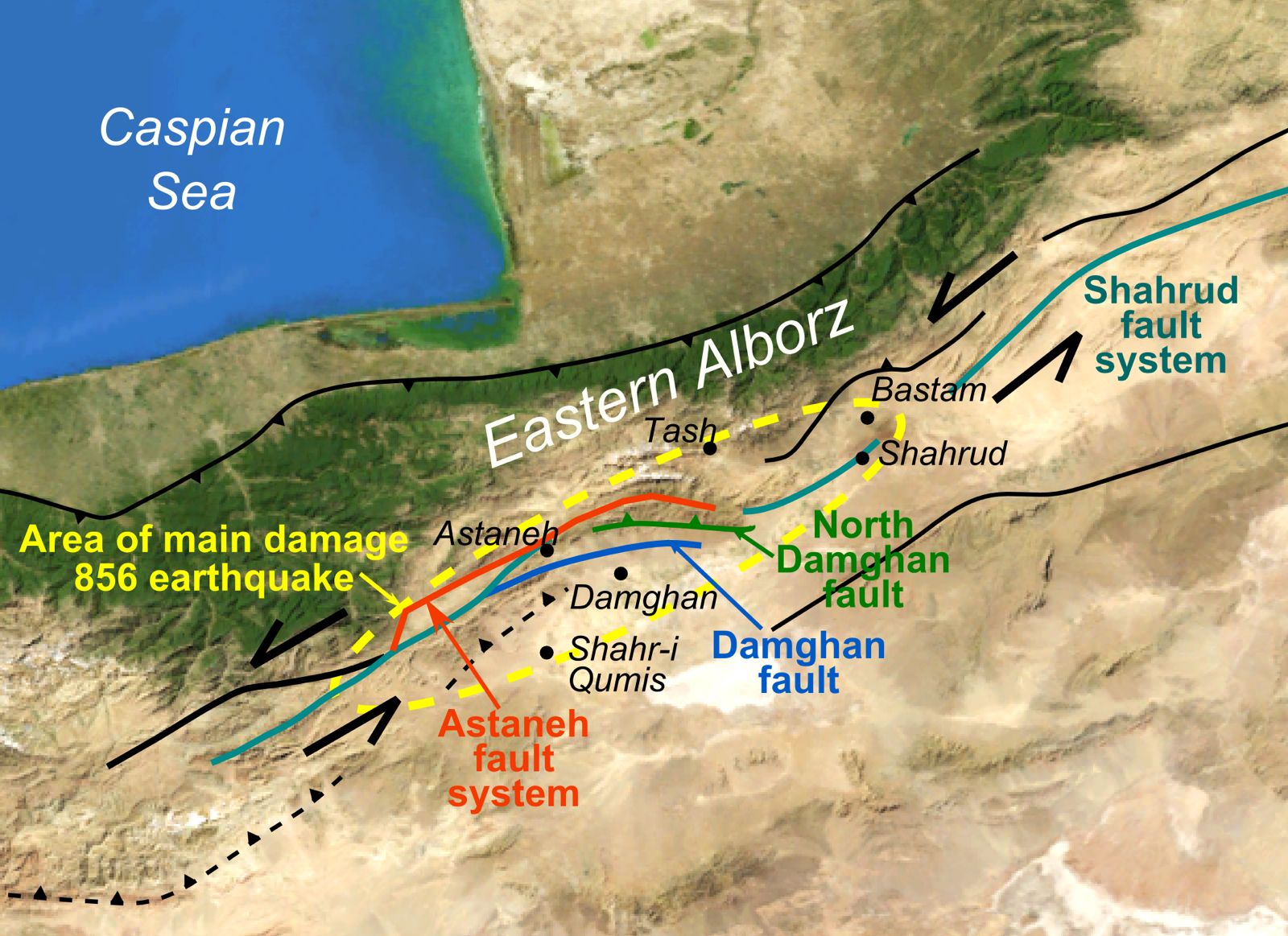
Approximately 1,169 years ago, on 22 December 856 AD, a devastating earthquake struck the city of Damghan and its surrounding areas in the northern region of Qumis in Persia, present day Iran. Contemporary historical accounts and later scholarly records agree that this earthquake ranks among the most destructive natural disasters in human history in terms of both intensity and loss of life.
According to historical estimates, the earthquake reached a magnitude of approximately 7.9 on the Richter scale. The death toll is commonly cited at around two hundred thousand people. Although systematic population censuses did not exist in the ninth century, early Islamic and Persian historical sources consistently describe the scale of human loss as extraordinarily high, leaving little doubt about the severity of the catastrophe.
At the time, Damghan was an important commercial centre under Abbasid administration and one of the most densely populated cities of ancient Iran. The earthquake caused widespread destruction across the city. Residential quarters, mosques, fortifications, and public buildings collapsed almost entirely, while many nearby settlements disappeared altogether. Historical narratives report that aftershocks continued for several days, deepening fear and instability among the surviving population and compounding the humanitarian crisis.
In later centuries, with the emergence of modern historiography and scientific research approximately between 1880 and 1930 AD, scholars undertook systematic efforts to convert dates recorded in the lunar calendar into the Christian calendar using astronomical calculations. Through this process, the date of the Damghan earthquake was established as 22 December 856 AD, a conclusion that is now widely accepted in international academic and scientific records.
The Damghan disaster represents more than a natural calamity. It marked a profound turning point in human settlement patterns and construction practices across the region. In the aftermath of the earthquake, greater attention was given to safer locations for habitation. Communities increasingly moved away from unstable mountainous zones toward comparatively secure plains, and the relationship between human settlement and natural risk began to be taken seriously for the first time.
▪️Syed Shayan Real Estate Archive
Section: Historical Urban Disasters▪References:
▫️Wikipedia (Damghan Earthquake of 856 AD)
22 دسمبر 856 EC
دامغان - انسانی تاریخ کا مہلک ترین زلزلہ جس میں 2 لاکھ افراد ہلاک ہوۓ۔
آج سے تقریباً 1169 سال قبل، 22 دسمبر 856 عیسوی کو فارس کے شمالی علاقے قومس میں واقع شہر دامغان اور اس کے گردونواح میں ایک ایسا تباہ کن زلزلہ آیا جس نے پورے خطے کو ہلا کر رکھ دیا۔ تاریخی روایات اور معتبر حوالوں کے مطابق یہ زلزلہ اپنی شدت اور جانی نقصان کے اعتبار سے انسانی تاریخ کے بدترین قدرتی سانحات میں شمار ہوتا ہے۔
مورخین کے اندازوں کے مطابق اس زلزلے کی شدت ریکٹر اسکیل پر تقریباً 7.9 تھی، جبکہ جانی نقصان لگ بھگ دو لاکھ افراد تک بتایا جاتا ہے۔ اگرچہ نویں صدی میں باقاعدہ مردم شماری کا نظام موجود نہیں تھا، تاہم قدیم اسلامی اور فارسی تواریخ اس بات پر متفق ہیں کہ ہلاکتوں کی تعداد غیر معمولی حد تک زیادہ تھی۔
اس دور میں دامغان عباسی خلافت کے زیرِ انتظام ایک اہم تجارتی مرکز اور قدیم ایران کا گنجان آباد شہر تھا۔ زلزلے کے نتیجے میں شہر کے بیشتر مکانات، مساجد، قلعے اور عوامی عمارتیں زمین بوس ہو گئیں، جبکہ متعدد قریبی بستیاں مکمل طور پر صفحۂ ہستی سے مٹ گئیں۔ مؤرخین کے مطابق زلزلے کے بعد کئی دن تک آفٹر شاکس محسوس کیے جاتے رہے، جس کے باعث زندہ بچ جانے والی آبادی شدید خوف، بدحالی اور عدم تحفظ کا شکار رہی۔
بعد کے ادوار میں جب جدید تاریخ نویسی اور سائنسی تحقیق کا آغاز ہوا (تقریباً 1880 تا 1930 عیسوی)، تو محققین نے قدیم قمری تاریخوں کو فلکیاتی حساب کے ذریعے عیسوی کیلنڈر میں منتقل کیا۔ اسی تحقیق کے نتیجے میں اس زلزلے کی تاریخ 22 دسمبر 856 عیسوی قرار دی گئی، جسے آج بین الاقوامی سطح پر وسیع پیمانے پر قبول کیا جاتا ہے۔
دامغان کا یہ سانحہ صرف ایک قدرتی آفت نہیں بلکہ انسانی تاریخ میں ایک گہری تبدیلی کی علامت بھی تھا۔ اس واقعے دامغان کے اس ہولناک زلزلے کے بعد اس خطے میں تعمیرات کے طریقوں اور بستیوں کے انتخاب پر ازسرِنو غور کیا گیا۔ پہاڑی علاقوں کے بجائے نسبتاً محفوظ میدانی خطوں کی تلاش شروع ہوئی، اور رہائش کے تصورات میں قدرتی آفات کو پہلی بار سنجیدگی سے لیا گیا۔
▪️ سید شایان رئیل اسٹیٹ آرکائیو (سیکشن: تاریخی شہری آفتیں)
▫️ نیشنل جیو فزیکل ڈیٹا سینٹر (تاریخی زلزلہ جاتی ڈیٹا بیس)(NGDC)
▫️ ویکی پیڈیا (دامغان زلزلہ 856 عیسوی)



No comments yet. Be the first to comment!