
From Real Estate History
21 October
21 October 1959
First House Building Finance Scheme Launched in Pakistan
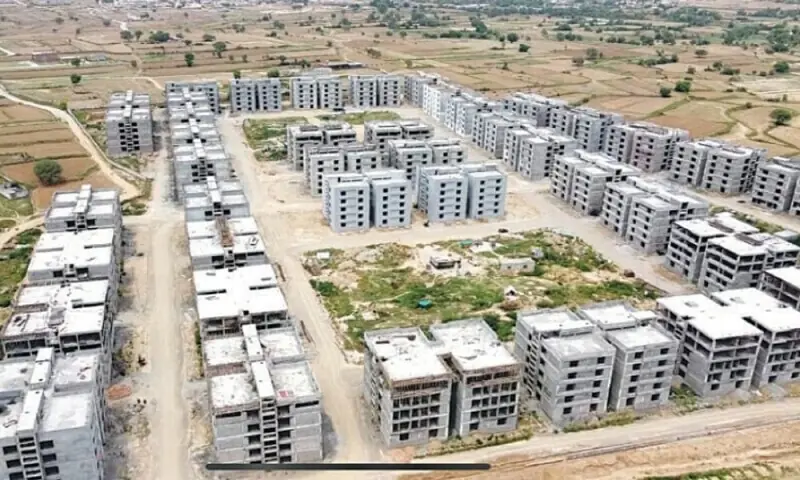
On October 21, 1959, Pakistan launched its first House Building Finance Scheme through the House Building Finance Corporation (HBFC). This initiative aimed to provide affordable housing loans to the middle class at subsidized interest rates. The scheme significantly boosted residential construction in urban areas and enabled thousands of families to build their own homes. It laid the foundation for Pakistan's residential finance sector and paved the way for housing financial services in the coming years.
▪References:
•️ Impact on Real Estate Sector
Middle-class home ownership increased significantly, urban residential construction accelerated, formal housing finance sector emerged, and standardized housing development patterns were established across major cities. This event had lasting effects on real-estate practice and continues to influence policy and development worldwide.
•️ Policy Response
Government established specialized housing finance institutions, created subsidized loan schemes, developed regulatory frameworks for housing finance, and implemented credit guarantee mechanisms for low-income borrowers. This event had lasting effects on real-estate practice and continues to influence policy and development worldwide.
•️ Historical Legacy
The 1959 scheme established Pakistan's formal housing finance infrastructure and created institutional models that continue to serve residential development financing needs across the country. This event had lasting effects on real-estate practice and continues to influence policy and development worldwide.
•️ Current Status
Today's housing finance institutions in Pakistan build upon the HBFC model, with evolved products and digital services while maintaining the core mission of affordable housing finance for middle and low-income families. This event had lasting effects on real-estate practice and continues to influence policy and development worldwide.
21 اکتوبر 1959
پاکستان میں پہلی ہاؤس بلڈنگ فنانس اسکیم کا آغاز
21 اکتوبر 1959 کو پاکستان میں ہاؤس بلڈنگ فنانس کارپوریشن (ایچ بی ایف سی) کے تحت پہلی ہاؤس بلڈنگ فنانس اسکیم کا آغاز کیا گیا۔ اس اقدام کا مقصد متوسط طبقے کو سبسڈی والی شرح سود پر سستی رہائشی قرضے فراہم کرنا تھا۔ اس اسکیم نے شہری علاقوں میں رہائشی تعمیرات کو نمایاں طور پر فروغ دیا اور ہزاروں خاندانوں کو اپنا گھر بنانے کا موقع فراہم کیا۔ اس نے پاکستان کے رہائشی فنانس کے شعبے کی بنیاد رکھی اور آنے والے برسوں میں رہائشی مالیاتی خدمات کی راہ ہموار کی۔
▪️سید شایان ریئل اسٹیٹ آرکائیو
•️ رئیل اسٹیٹ سیکٹر پر اثرات
متوسط طبقے کے گھر کی ملکیت میں نمایاں اضافہ ہوا، شہری رہائشی تعمیرات تیز ہوئیں، رسمی ہاؤسنگ فنانس سیکٹر ابھرا، اور بڑے شہروں میں معیاری ہاؤسنگ ڈویلپمنٹ کے نمونے قائم ہوئے۔ اس واقعے کے اثرات رئیل اسٹیٹ پالیسیوں، سرمایہ کاری کے رویّوں اور شہری منصوبہ بندی پر دیرپا رہے۔
•️ پالیسی کا ردعمل
حکومت نے مخصوص ہاؤسنگ فنانس ادارے قائم کیے، سبسڈی والی قرض اسکیمیں تشکیل دیں، ہاؤسنگ فنانس کے لیے ریگولیٹری فریم ورک تیار کیے، اور کم آمدنی والے قرض دہندگان کے لیے کریڈٹ گارنٹی میکانزم نافذ کیے۔ اس واقعے کے اثرات رئیل اسٹیٹ پالیسیوں، سرمایہ کاری کے رویّوں اور شہری منصوبہ بندی پر دیرپا رہے۔
•️ تاریخی ورثہ
1959 کی اسکیم نے پاکستان کے رسمی ہاؤسنگ فنانس انفراسٹرکچر کی بنیاد رکھی اور ادارہ جاتی ماڈل تشکیل دیے جو ملک بھر میں رہائشی ترقی کی مالیاتی ضروریات کو پورا کرتے رہتے ہیں۔ اس واقعے کے اثرات رئیل اسٹیٹ پالیسیوں، سرمایہ کاری کے رویّوں اور شہری منصوبہ بندی پر دیرپا رہے۔
•️ موجودہ حیثیت
آج کے پاکستان کے ہاؤسنگ فنانس ادارے ایچ بی ایف سی ماڈل پر تعمیر کرتے ہیں، جس میں ترقی یافتہ مصنوعات اور ڈیجیٹل خدمات شامل ہیں جبکہ متوسط اور کم آمدنی والے خاندانوں کے لیے سستی ہاؤسنگ فنانس کے مرکزی مشن کو برقرار رکھا گیا ہے۔
21 October 1966
Aberfan Disaster - Mining Tragedy Impacts Land Use Policies
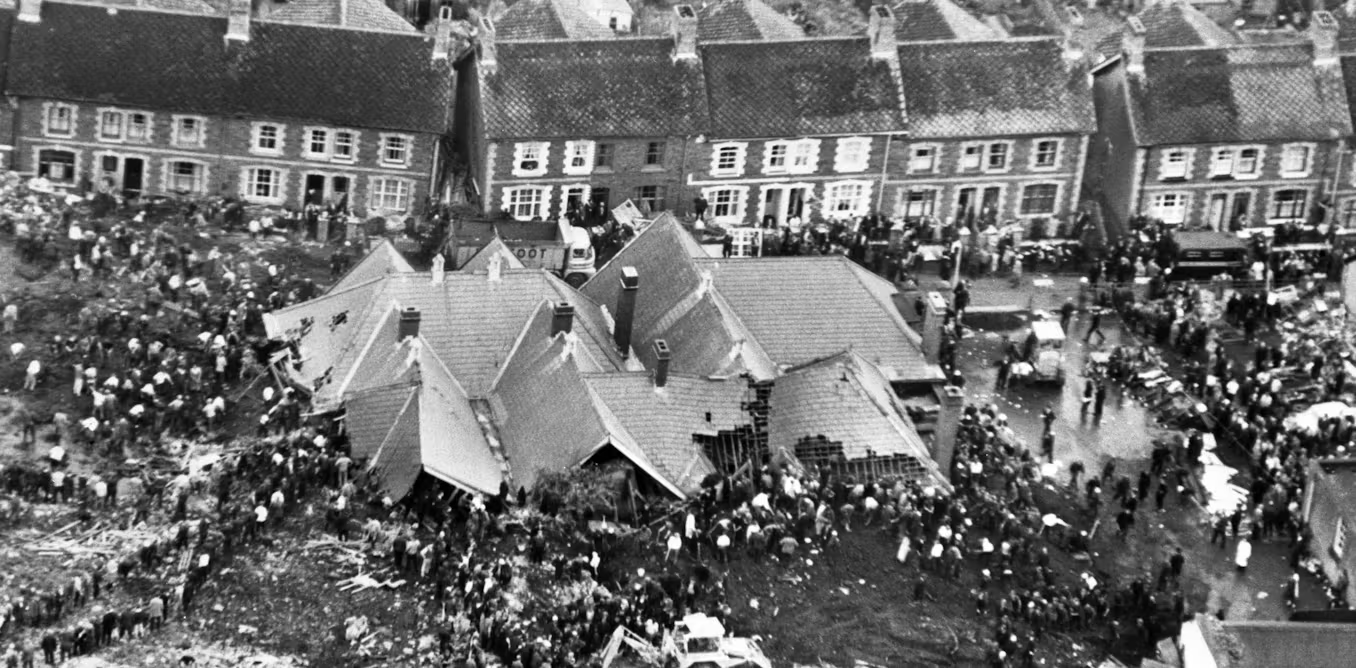
On October 21, 1966, the Aberfan disaster occurred in Wales when a colliery spoil tip collapsed onto the village, killing 144 people including 116 children. This tragic event exposed critical failures in mining waste management and land use planning near populated areas. The disaster led to comprehensive reforms in mining regulations, waste disposal practices, and land use planning policies worldwide. It highlighted the importance of proper geological assessments, safe waste storage practices, and the need for buffer zones between industrial activities and residential areas. The Aberfan tragedy became a landmark case in environmental planning and industrial safety regulations.
▪References:
•️ Impact on Real Estate Sector
Global reforms in mining waste management, implementation of buffer zones around industrial sites, enhanced geological risk assessments, and stricter regulations for waste disposal near populated areas. This event had lasting effects on real-estate practice and continues to influence policy and development worldwide.
•️ Policy Response
Governments worldwide implemented mining waste safety regulations, established geological monitoring requirements, created industrial-residential buffer zones, and developed emergency response protocols for mining communities. This event had lasting effects on real-estate practice and continues to influence policy and development worldwide.
•️ Historical Legacy
The Aberfan disaster established international standards for mining waste management and created land use planning principles that continue to protect communities from industrial hazards globally. This event had lasting effects on real-estate practice and continues to influence policy and development worldwide.
•️ Current Status
Today's mining regulations and land use planning standards worldwide incorporate lessons from Aberfan, with continuous improvements in waste management safety and community protection measures. This event had lasting effects on real-estate practice and continues to influence policy and development worldwide.
21 اکتوبر 1966
ایبرفان سانحہ - کان کنی کے حادثے نے زمین کے استعمال کی پالیسیوں پر اثر ڈالا
21 اکتوبر 1966 کو ویلز میں ایبرفان سانحہ پیش آیا جب ایک کولیری کے فضلے کے ڈھیر کا گرنا گاؤں پر گر گیا، جس میں 116 بچوں سمیت 144 افراد ہلاک ہو گئے۔ اس المناک واقعے نے آبادی والے علاقوں کے قریب کان کنی کے فضلے کے انتظام اور زمین کے استعمال کی منصوبہ بندی میں سنگین خامیوں کو بے نقاش کیا۔ اس سانحے نے دنیا بھر میں کان کنی کے ضوابط، فضلہ کے ٹھکانے لگانے کے طریقوں، اور زمین کے استعمال کی منصوبہ بندی کی پالیسیوں میں جامع اصلاحات کا باعث بنا۔ اس نے مناسب جیولوجیکل جائزوں، محفوظ فضلہ ذخیرہ کرنے کے طریقوں، اور صنعتی سرگرمیوں اور رہائشی علاقوں کے درمیان بفر زونز کی ضرورت کی اہمیت کو اجاگر کیا۔ ایبرفان کا سانحہ ماحولیاتی منصوبہ بندی اور صنعتی حفاظتی ضوابط میں ایک اہم کیس بن گیا۔
▪️سید شایان ریئل اسٹیٹ آرکائیو
•️ رئیل اسٹیٹ سیکٹر پر اثرات
کان کنی کے فضلے کے انتظام میں عالمی اصلاحات، صنعتی مقامات کے ارد گرد بفر زونز کا نفاذ، بہتر جیولوجیکل رسک تشخیص، اور آبادی والے علاقوں کے قریب فضلہ کے ٹھکانے کے لیے سخت ضوابط۔ اس واقعے کے اثرات رئیل اسٹیٹ پالیسیوں، سرمایہ کاری کے رویّوں اور شہری منصوبہ بندی پر دیرپا رہے۔
•️ پالیسی کا ردعمل
دنیا بھر کی حکومتوں نے کان کنی کے فضلے کی حفاظت کے ضوابط نافذ کیے، جیولوجیکل مانیٹرنگ کی ضروریات قائم کیں، صنعتی-رہائشی بفر زونز تشکیل دیے، اور کان کنی کی کمیونٹیز کے لیے ایمرجنسی رسپانس پروٹوکول تیار کیے۔
•️ تاریخی ورثہ
ایبرفان سانحہ نے کان کنی کے فضلے کے انتظام کے لیے بین الاقوامی معیارات قائم کیے اور زمین کے استعمال کی منصوبہ بندی کے اصول تشکیل دیے جو عالمی سطح پر کمیونٹیز کو صنعتی خطرات سے بچاتے رہتے ہیں۔ اس واقعے کے اثرات رئیل اسٹیٹ پالیسیوں، سرمایہ کاری کے رویّوں اور شہری منصوبہ بندی پر دیرپا رہے۔
•️ موجودہ حیثیت
آج کے دنیا بھر کے کان کنی کے ضوابط اور زمین کے استعمال کی منصوبہ بندی کے معیارات ایبرفان کے اسباق کو شامل کرتے ہیں، جس میں فضلے کے انتظام کی حفاظت اور کمیونٹی تحفظ کے اقدامات میں مسلسل بہتری شامل ہے۔ اس واقعے کے اثرات رئیل اسٹیٹ پالیسیوں، سرمایہ کاری کے رویّوں اور شہری منصوبہ بندی پر دیرپا رہے۔
21 October 2005
Reconstruction Package Announced for Earthquake Victims
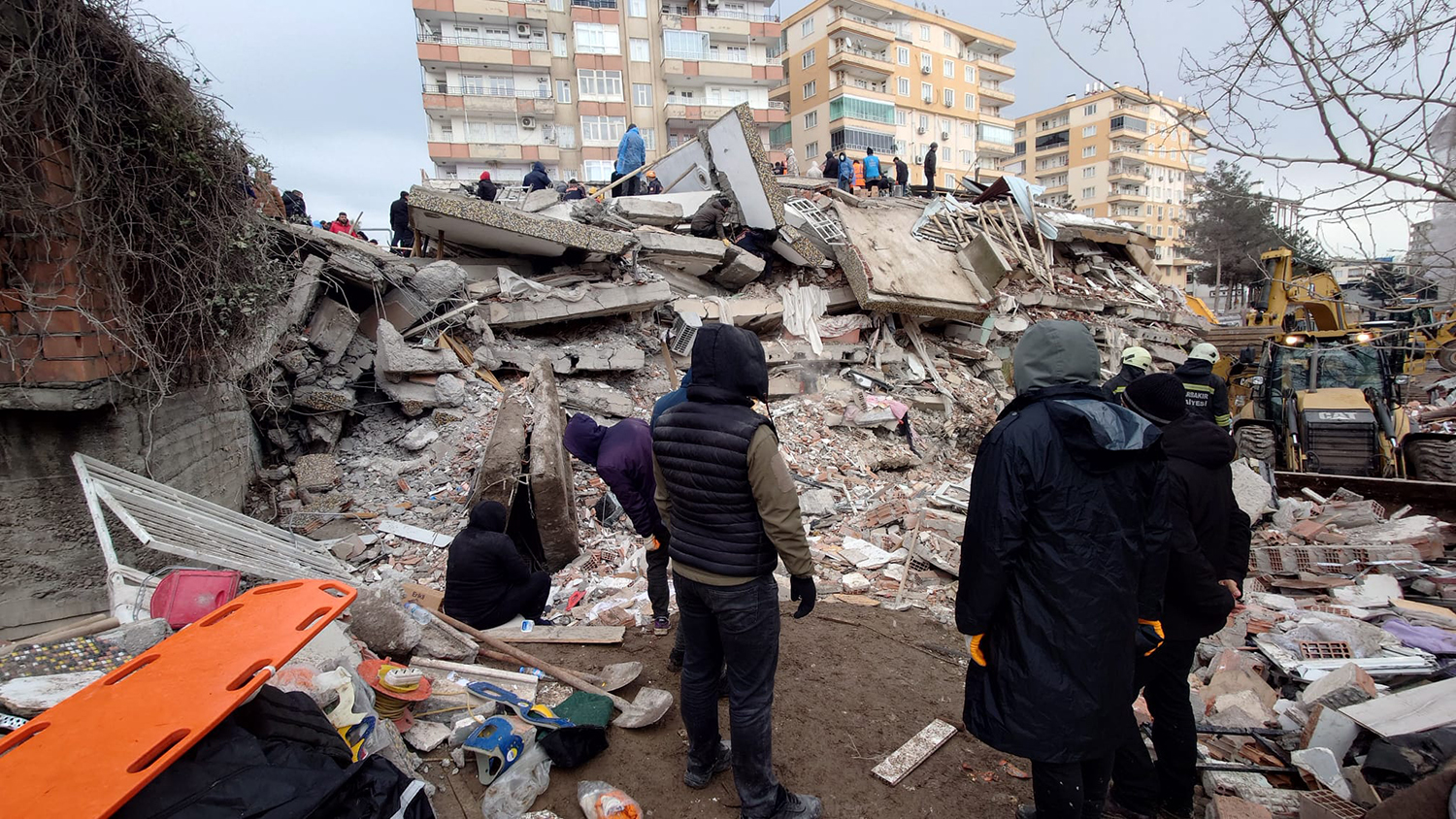
On October 21, 2005, following the devastating earthquake of October 8, the Government of Pakistan announced a comprehensive reconstruction package for earthquake victims. The package included reconstruction of over 400,000 houses in affected areas, repair of 6,000 educational institutions, and restoration of 400 health centers. This was the largest reconstruction project in Pakistan's history, which not only rebuilt the affected areas but also introduced new standards for earthquake-resistant construction. The package added a new dimension to disaster management and construction standards in Pakistan.
▪References:
•️ Impact on Real Estate Sector
Massive reconstruction of housing and infrastructure in affected areas, introduction of earthquake-resistant building codes, development of disaster management protocols, and creation of community-based reconstruction models. This event had lasting effects on real-estate practice and continues to influence policy and development worldwide.
•️ Policy Response
Government established Earthquake Reconstruction and Rehabilitation Authority (ERRA), implemented seismic building codes, created compensation mechanisms for affected families, and developed disaster-resilient infrastructure standards. This event had lasting effects on real-estate practice and continues to influence policy and development worldwide.
•️ Historical Legacy
The 2005 reconstruction effort established Pakistan's modern disaster management framework and created building safety standards that continue to influence construction practices nationwide. This event had lasting effects on real-estate practice and continues to influence policy and development worldwide.
•️ Current Status
Today's disaster management and construction standards in Pakistan build upon the lessons learned from the 2005 earthquake, with continuous improvements in seismic safety and disaster resilience. This event had lasting effects on real-estate practice and continues to influence policy and development worldwide.
21 اکتوبر 2005
زلزلہ متاثرین کے لیے بحالی و تعمیراتی پیکیج کا اعلان
21 اکتوبر 2005 کو 8 اکتوبر کے تباہ کن زلزلے کے بعد حکومت پاکستان نے زلزلہ متاثرین کے لیے ایک جامع بحالی و تعمیراتی پیکیج کا اعلان کیا۔ اس پیکیج میں متاثرہ علاقوں میں 4 لاکھ سے زیادہ گھروں کی تعمیر نو، 6000 تعلیمی اداروں کی مرمت، اور 400 صحت مراکز کی بحالی شامل تھی۔ یہ پاکستان کی تاریخ کا سب سے بڑا بحالی اور تعمیراتی منصوبہ تھا جس نے نہ صرف متاثرہ علاقوں کی تعمیر نو کی بلکہ زلزلہ مزاحم تعمیرات کے نئے معیارات بھی متعارف کروائے۔ اس پیکیج نے پاکستان میں ڈیزاسٹر مینجمنٹ اور تعمیراتی معیارات میں ایک نئی جہت کا اضافہ کیا۔
▪️سید شایان ریئل اسٹیٹ آرکائیو
•️ رئیل اسٹیٹ سیکٹر پر اثرات
متاثرہ علاقوں میں ہاؤسنگ اور انفراسٹرکچر کی بڑے پیمانے پر تعمیر نو، زلزلہ مزاحم بلڈنگ کوڈز کا تعارف، ڈیزاسٹر مینجمنٹ پروٹوکولز کی ترقی، اور کمیونٹی پر مبنی تعمیر نو کے ماڈلز کی تخلیق۔ اس واقعے کے اثرات رئیل اسٹیٹ پالیسیوں، سرمایہ کاری کے رویّوں اور شہری منصوبہ بندی پر دیرپا رہے۔
•️ پالیسی کا ردعمل
حکومت نے ارتھ کوئیک ریکنسٹرکشن اینڈ ری ہیبلیٹیشن اتھارٹی (ای آر آر اے) قائم کی، سیسمک بلڈنگ کوڈز نافذ کیے، متاثرہ خاندانوں کے لیے معاوضہ کے میکانزم تشکیل دیے، اور ڈیزاسٹر ریزلینٹ انفراسٹرکچر معیارات تیار کیے۔
•️ تاریخی ورثہ
2005 کی بحالی کی کوششوں نے پاکستان کے جدید ڈیزاسٹر مینجمنٹ فریم ورک کی بنیاد رکھی اور بلڈنگ سیفٹی معیارات تشکیل دیے جو ملک بھر میں تعمیراتی طریقوں کو متاثر کرتے رہتے ہیں۔ اس واقعے کے اثرات رئیل اسٹیٹ پالیسیوں، سرمایہ کاری کے رویّوں اور شہری منصوبہ بندی پر دیرپا رہے۔
•️ موجودہ حیثیت
آج کے پاکستان میں ڈیزاسٹر مینجمنٹ اور تعمیراتی معیارات 2005 کے زلزلے سے حاصل ہونے والے اسباق پر تعمیر کرتے ہیں، جس میں سیسمک سیفٹی اور ڈیزاسٹر ریزلینس میں مسلسل بہتری شامل ہے۔ اس واقعے کے اثرات رئیل اسٹیٹ پالیسیوں، سرمایہ کاری کے رویّوں اور شہری منصوبہ بندی پر دیرپا رہے۔




No comments yet. Be the first to comment!