
From Real Estate History
11 October
11 October 1939
Lahore Improvement Trust Begins Wartime Urban Replanning
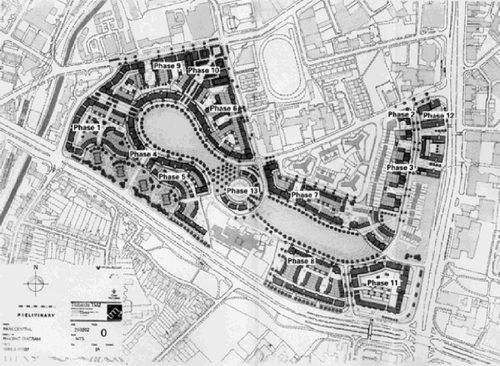
In October 1939, as the clouds of the Second World War gathered over the Indian subcontinent, Lahore stood as the administrative and military heart of British Punjab, a thriving center of commerce, governance, and mobility. During this critical moment, the Punjab Government declared Lahore a War Time Urban Zone and instructed the Lahore Improvement Trust (LIT) to begin urgent urban replanning to meet the city’s growing strategic and civilian needs.
According to the Punjab Government Gazette issued on October 11, 1939, the LIT was directed to prepare a comprehensive plan that included new zoning, housing schemes, road expansions, and modern drainage systems for the city’s southern and western areas, particularly around Ferozepur Road, Mozang, Ichhra, and the outskirts of Model Town.
This initiative marked the beginning of modern urban planning in Lahore. It introduced, for the first time, the concept of planned urban expansion, a model that would later shape the development of Shadman, Garden Town, Muslim Town, and Gulberg.
The wartime replanning reflected a blend of British civic order, canal-based land use, and emerging defense corridors. It redirected the city’s axis of growth from the old walled core toward the south and west. It was also the first time a formal boundary was drawn between the city and the district, a line that would define Lahore’s urban identity for generations to come.
▪References:
•️ Impact on Real Estate Sector
The 1939 replanning introduced Lahore’s first planned residential zones, road grid systems, and the concept of the Betterment Levy.
Ferozepur Road was designated as the main urban development corridor, which significantly increased land values and transformed property into a recognized asset class.
This phase marked Lahore’s transition from unregulated urban expansion to a structured, market-oriented real estate economy guided by infrastructure and planning.
•️ Policy Response
In the years that followed, the Punjab Government amended the Town Improvement Act of 1922, bringing urban development into a legal and institutional framework.
The LIT was granted new powers to introduce Rehousing Schemes, Development Charges, and Improvement Areas, which later inspired the creation of the Lahore Development Authority Act of 1975.
For the first time, urban growth was not only an administrative process but also a policy-driven and law-backed system.
•️ Historical Legacy
The 1939 replanning represented a turning point in Lahore’s urban evolution, shifting its growth from the inner city to the southern suburbs.
The Nalla Degh Green Belt, Mozang Rehousing Scheme, Walton Airfield Corridor, and the Ferozepur Road grid all originated from this period.
It laid the intellectual foundation for Lahore’s later Master Planning philosophy, influencing every stage of the city’s expansion through the mid-twentieth century.
•️ Current Status
The original 1939 maps are preserved in the LDA Headquarters Archives in Johar Town and continue to serve as reference material for land verification, road widening, urban rehabilitation, and regularization projects.
The current alignment of Ferozepur Road, Ichhra Extension, and Walton’s development grid still follows this historic pattern, linking a century of Lahore’s land, planning, and institutional continuity.
11 اکتوبر 1939
لاہور امپرومنٹ ٹرسٹ کی جنگی حالات میں ازسرِنو شہری منصوبہ بندی
اکتوبر 1939 میں جب دوسری عالمی جنگ کے بادل برصغیر پر چھا گئے، لاہور برطانوی پنجاب کا نہ صرف انتظامی مرکز تھا بلکہ فوجی و تجارتی سرگرمیوں کا بھی اہم گڑھ تھا۔ انہی دنوں پنجاب حکومت نے لاہور کو “War-Time Urban Zone” قرار دیتے ہوئے لاہور امپرومنٹ ٹرسٹ (LIT) کو ہنگامی بنیادوں پر شہری ازسرِنو منصوبہ بندی (Replanning) کی ہدایت دی۔
11 اکتوبر 1939 کے پنجاب گورنمنٹ گزٹ کے مطابق، LIT کو حکم دیا گیا کہ وہ فیروزپور روڈ، مزنگ، اچھرہ، اور ماڈل ٹاؤن کے درمیانی علاقوں کے لیے نئی زوننگ، رہائشی اسکیمیں، سڑکوں کی توسیع، اور نکاسی آب کا ایک جامع منصوبہ تیار کرے۔
یہ وہ لمحہ تھا جس نے لاہور کو جدید شہری منصوبہ بندی کے دور میں داخل کیا اور پہلی بار “منصوبہ بند شہری توسیع (Planned Urban Expansion)” کا تصور متعارف کرایا — ایک ایسا ماڈل جو بعد میں شادمان، گارڈن ٹاؤن، مسلم ٹاؤن، اور گلبرگ جیسے علاقوں کی بنیاد بنا۔
یہ Replanning دراصل برطانوی دور کے شہری نظم، نہری زمینوں کے استعمال، اور دفاعی راہداریوں کے امتزاج کا مظہر تھی، جس نے لاہور کی سمت اندرونِ شہر سے جنوب اور مغرب کی جانب موڑ دی۔ یہی وہ عہد تھا جب پہلی بار “شہر” اور “ضلع” کے درمیان ترقیاتی لکیر کھینچی گئی — ایک لکیر جو بعد میں لاہور کی شہری شناخت کی اساس بنی۔
▪️سید شایان ریئل اسٹیٹ آرکائیو
•️ رئیل اسٹیٹ سیکٹر پر اثرات
1939 کی Replanning اسکیم نے لاہور میں پہلی بار منصوبہ بند رہائشی زونز، روڈ گرڈ پلاننگ، اور Betterment Levy جیسے اصول متعارف کرائے۔
فیروزپور روڈ کو شہری ترقی کے محور کے طور پر منتخب کیا گیا، جس کے نتیجے میں زمینوں کی قیمتوں میں نمایاں اضافہ ہوا۔
یہی وہ دور تھا جب لاہور کی جائیداد کو سرمایہ کاری، انفراسٹرکچر، اور شہری نظم کے تناظر میں ایک باقاعدہ “ایسَٹ کلاس” (Asset Class) کے طور پر تسلیم کیا گیا۔
•️ پالیسی کا ردعمل
جنگ کے بعد پنجاب حکومت نے Town Improvement Act 1922 میں ترامیم کر کے شہری منصوبہ بندی کو قانونی فریم ورک میں شامل کیا۔
LIT کو Rehousing Schemes، Development Charges، اور Improvement Areas جیسے اختیارات دیے گئے، جو بعد میں LDA Act 1975 کی بنیاد بنے۔
یہ وہ مرحلہ تھا جب شہری ترقی پہلی بار پالیسی، قانون، اور ادارہ جاتی نظم کے دائرے میں داخل ہوئی۔
•️ تاریخی ورثہ
یہی Replanning وہ پہلا تجربہ تھی جس نے لاہور کے شہری ارتقاء کو اندرون شہر سے جنوبی سمت میں منتقل کیا۔
نالہ دئی گرین بیلٹ، مزنگ ریہاؤسنگ اسکیم، والٹن ایئر فیلڈ راہداری، اور فیروزپور روڈ کا شہری گرڈ اسی دور کی یادگار ہیں۔
یہ لاہور کے ماسٹر پلان کی پہلی فکری جھلک تھی جس نے بعد میں پورے جنوبی لاہور کے ارتقائی منظرنامے کو متاثر کیا۔
•️ موجودہ حیثیت
1939 کے نقشے آج بھی LDA ہیڈکوارٹر (جوہر ٹاؤن) کے آرکائیو میں محفوظ ہیں، اور زمین کی توثیق، روڈ وائرننگ، شہری بحالی اور ریگولرائزیشن اسکیموں میں بطور حوالہ استعمال ہوتے ہیں۔
فیروزپور روڈ، اچھرہ ایکسٹینشن، اور والٹن کی شہری حد بندی آج بھی اسی تاریخی لے آؤٹ کے تسلسل میں قائم ہے جو لاہور کی سو سالہ شہری کہانی کو جوڑتی ہے۔
11 October 1955
Karachi Master Plan Commission Established
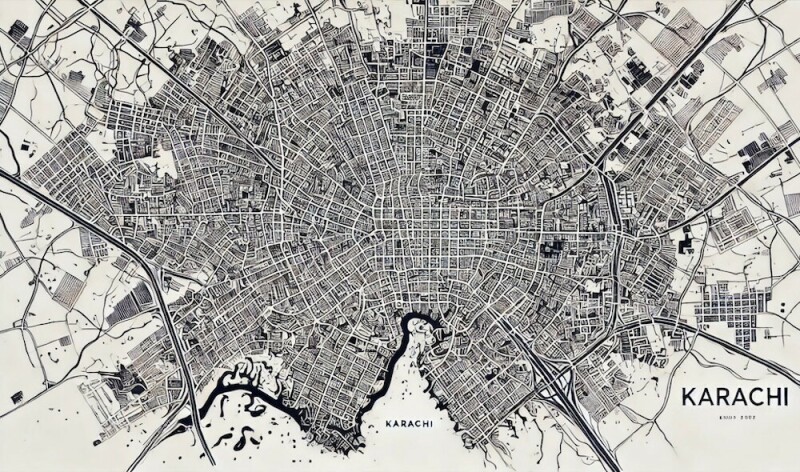
On October 11, 1955, the Federal Cabinet of Pakistan approved the formation of the Karachi Development Authority (KDA) Master Plan Unit, marking the beginning of the country’s first metropolitan level planning institution. This landmark decision came during a period of rapid urban growth as Karachi evolved into the economic and administrative center of the newly independent state.
By the mid 1950s, Karachi’s population had more than doubled since 1947 due to large scale migration, industrial expansion, and the relocation of government institutions. The city’s unplanned expansion created increasing challenges in housing, transportation, sanitation, and water supply. Recognizing the urgency of these issues, the Federal Cabinet directed the Ministry of Housing and Works to establish the Karachi Master Plan Commission, supported by the United Nations Technical Assistance Board (UNTAB).
The Commission was given the responsibility to prepare a twenty year comprehensive plan to guide Karachi’s spatial development, zoning, housing programs, and industrial growth. The Karachi Development Authority was created as the executive body to implement this plan and to coordinate future infrastructure projects. The Master Plan Unit became the core of this initiative and set a model for urban management across Pakistan.
The KDA’s vision described Karachi as a balanced coastal metropolis emphasizing organized residential clusters, industrial corridors, and modern transport systems. This vision provided the foundation for the development of satellite towns such as Korangi, Landhi, Malir, and New Karachi, designed to decentralize population and economic activity from the congested city center.
The 1955 decision transformed Karachi into South Asia’s first major postcolonial experiment in organized urban growth. It marked a shift from colonial style municipal administration to a structured institutional framework for metropolitan planning supported by both national expertise and international technical collaboration.
▪References:
•️ Impact on Real Estate Sector
The establishment of the KDA introduced institutional land development in Pakistan.
Zoning regulations and approved layout plans brought order to Karachi’s property market, reduced speculation, and established transparent processes for land allocation.
For the first time, residential and industrial land acquired consistent market value based on planning and public infrastructure.
•️ Policy Response
The 1955 initiative aligned Karachi’s planning strategy with global postwar urban development models that emphasized decentralization and balanced growth.
The federal government integrated the KDA framework into the First Five Year Plan (1955–60), making Karachi the first city in Pakistan to apply a comprehensive master planning approach.
This institutional framework later influenced the planning of Lahore, Islamabad, and Hyderabad.
•️ Historical Legacy
The Karachi Master Plan of 1958, built upon the foundation of the 1955 Commission, envisioned a self sustaining metropolis with housing clusters, industrial zones, and connected transport networks.
It gave rise to planned neighborhoods such as Korangi Township, Landhi Industrial Area, and New Karachi, which continue to define the city’s structure today.
The plan also introduced the concept of peri urban buffers to preserve agricultural land and wetlands along the Malir and Lyari rivers.
•️ Current Status
Although Karachi’s population has exceeded the original projections of the 1955 plan, its structural principles continue to guide development policy.
The planning records of the KDA remain an essential reference for the Sindh Building Control Authority, the Lyari Development Authority, and the Malir Development Authority.
Many of Karachi’s transport corridors, industrial districts, and residential sectors still reflect the spatial logic first conceived by the 1955 Master Plan Commission.
11 اکتوبر 1955
کراچی ماسٹر پلان کمیشن قائم
کراچی: وفاقی کابینہ نے آج کراچی ڈیولپمنٹ اتھارٹی (KDA) کے تحت ماسٹر پلان یونٹ کے قیام کی منظوری دے دی ہے۔
یہ ملک کی پہلی باقاعدہ میٹروپولیٹن منصوبہ ساز اتھارٹی ہے جو شہر کے لیے ایک جامع شہری ترقیاتی منصوبہ تیار کرے گی۔
وزارتِ ہاؤسنگ اینڈ ورکس نے اقوامِ متحدہ کے ٹیکنیکل اسسٹنس بورڈ (UNTAB) کے اشتراک سے کراچی ماسٹر پلان کمیشن تشکیل دے دیا ہے۔
کمیشن کو ہدایت دی گئی ہے کہ وہ شہر کی زوننگ، رہائشی اسکیموں، صنعتی علاقوں، اور بنیادی ڈھانچے کے لیے بیس سالہ ماسٹر پلان تیار کرے۔
آبادی میں تیزی سے اضافے، صنعتوں کے پھیلاؤ، اور سرکاری دفاتر کی منتقلی کے باعث کراچی کو پانی، صفائی، اور ٹرانسپورٹ کے سنگین مسائل کا سامنا ہے۔
نیا کمیشن ان مسائل کے حل کے لیے جامع خاکہ تیار کر رہا ہے تاکہ شہری سہولتوں میں بہتری لائی جا سکے۔
KDA کے مطابق کراچی کو ایک منظم ساحلی شہر کے طور پر ڈھالنے کا منصوبہ تیار کیا جا رہا ہے۔
رہائشی بلاکس اور صنعتی زونز کے ساتھ کورنگی، لانڈھی، ملیر اور نیا کراچی جیسے نئے سیٹلائٹ ٹاؤنز کی تعمیر کا کام بھی منصوبے میں شامل ہے تاکہ آبادی کا دباؤ مرکزی شہر سے کم کیا جا سکے۔
یہ پاکستان کے شہری ترقیاتی سفر میں ایک سنگِ میل سمجھا جا رہا ہے۔
ماہرین کا کہنا ہے کہ یہ منصوبہ کراچی کو ایک متوازن، خود کفیل اور جدید شہر میں بدلنے کی بنیاد فراہم کرے گا۔
▪️سید شایان ریئل اسٹیٹ آرکائیو
•️ رئیل اسٹیٹ سیکٹر پر اثرات
اسٹر پلان یونٹ کے قیام سے کراچی میں زمین کی خرید و فروخت منظم ہو رہی ہے۔
زوننگ ریگولیشنز اور لے آؤٹ پلانز سے جائیداد کے لین دین میں شفافیت پیدا ہو رہی ہے اور قیاس آرائی کے رجحان میں کمی آ رہی ہے۔
زمین کی قیمتیں اب سہولتوں اور منصوبہ بندی کے معیار کے مطابق طے کی جا رہی ہیں۔
•️ پالیسی کا ردعمل
یہ منصوبہ پاکستان کے پہلے پانچ سالہ ترقیاتی پروگرام (1955 تا 1960) کا حصہ بن گیا ہے۔
وفاقی حکومت اس ماڈل کو دوسرے شہروں میں بھی اپنانے پر غور کر رہی ہے تاکہ شہری توسیع کو ایک مربوط فریم ورک میں لایا جا سکے۔
•️ تاریخی ورثہ
1958 میں پیش کیا جانے والا کراچی ماسٹر پلان اسی کمیشن کے کام کا تسلسل ہے۔
اسی کے تحت کورنگی، لانڈھی، ملیر اور نیا کراچی جیسے منظم رہائشی و صنعتی علاقے وجود میں آ رہے ہیں۔
منصوبے میں ملیر اور لیاری ندیوں کے اطراف زرعی زمین کے تحفظ کے لیے سبز پٹیاں بھی شامل کی جا رہی ہیں۔
•️ موجودہ حیثیت
کراچی کی شہری ترقی اب بھی 1955 کے ماسٹر پلان کے وضع کردہ اصولوں کے مطابق آگے بڑھ رہی ہے۔
KDA کے ریکارڈ آج بھی سندھ بلڈنگ کنٹرول اتھارٹی (SBCA)، لیاری ڈیولپمنٹ اتھارٹی (LDA)، اور ملیر ڈیولپمنٹ اتھارٹی (MDA) کے لیے رہنما حیثیت رکھتے ہیں۔
شہر کے کئی رہائشی، صنعتی اور ٹرانسپورٹ منصوبے اسی تاریخی ماسٹر پلان کے تسلسل میں قائم ہیں





No comments yet. Be the first to comment!