
From Real Estate History
20 December
20 December 1803
The Louisiana Purchase: the largest land transaction in global real estate history, formally transferred on this day
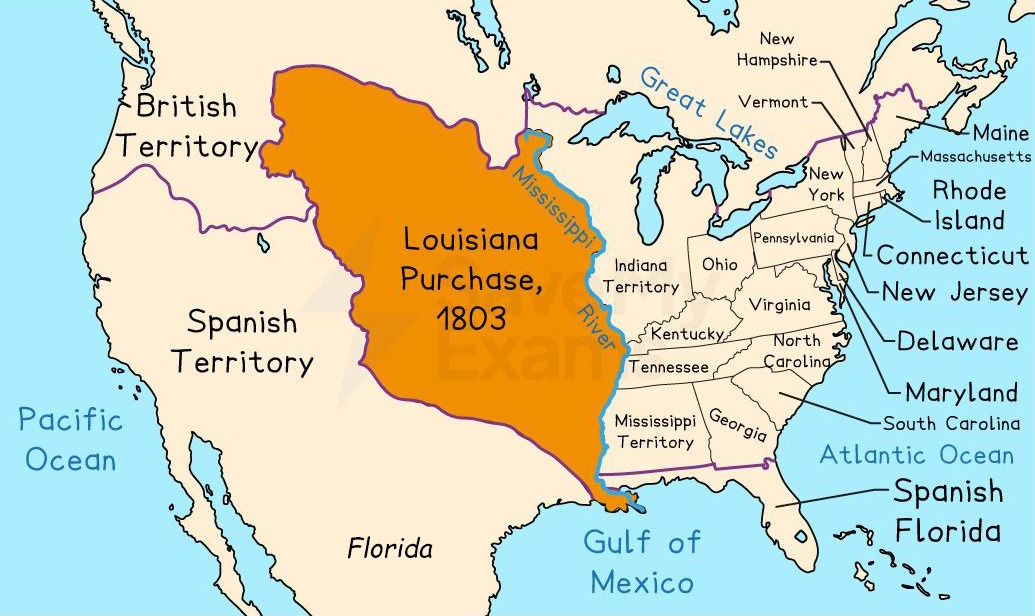
20 December 1803 stands as a defining date in the global history of real estate and land agreements. It not only reshaped the concept of land acquisition but also introduced a new dimension to state expansion, geopolitics, and the strategic value of land. This event is historically known as the Louisiana Purchase.
The Louisiana Purchase was not a conventional commercial transaction within a real estate market. Rather, it was a sovereign-to-sovereign land transfer, involving the sale and transfer of territory from one state to another. The transaction was executed without reference to market valuation mechanisms and was driven entirely by political and strategic considerations.
For this reason, it is regarded as the largest land transaction in recorded history and, on technical grounds, may also be described as the largest real estate deal ever concluded.
Although the Louisiana Purchase treaty had been agreed earlier, on 30 April 1803 in Paris, the decisive event occurred on 20 December 1803, when France formally transferred practical control of the vast Louisiana territory to the United States of America. The United States was represented by Robert Livingston and James Monroe, while France was represented by François Barbé-Marbois, acting on behalf of the government of Napoleon Bonaparte. The formal ceremony of transfer took place in New Orleans, completing what is widely recognised as the largest territorial transfer in history.
As a direct consequence of the Louisiana Purchase, the United States doubled its geographical size in a single act, while France relinquished control of a distant territory in order to concentrate on its European priorities.
Under the terms of the agreement, the United States acquired approximately 828,000 square miles of land, equivalent to around 2.1 million square kilometres. By comparison, this area was roughly two and a half times larger than the present land area of Pakistan. The territory was acquired for 15 million US dollars, an amount that equates to only a few cents per acre by modern standards. In the history of global real estate, the acquisition of such an immense territory at such a nominal price, yet with such profound strategic significance, remains without precedent.
The significance of the Louisiana Purchase extended far beyond its price or size. The agreement fundamentally reshaped the future geographical, economic, and political structure of the United States.
As a result of this territorial acquisition, fifteen American states later emerged from the Louisiana territory, including Louisiana, Arkansas, Missouri, Iowa, North Dakota, South Dakota, Nebraska, Kansas, Oklahoma, Montana, Wyoming, Colorado, Minnesota, New Mexico, and Texas. These regions played a decisive role in strengthening agricultural production, industrial expansion, and internal trade, transforming the United States into a continental power.
From a geographical perspective, most of the acquired territory was landlocked, lacking direct access to an ocean coastline. However, the true strategic value of the acquisition lay in the United States gaining full control over the Mississippi River system and its entire basin, which ultimately connects to the Gulf of Mexico.
This acquisition established a strong internal geographical backbone for the United States, later enabling westward expansion towards the Pacific coast.
Politically, the purchase represented a major decision for President Thomas Jefferson, as the United States Constitution contained no explicit provision for the acquisition of foreign territory. Nevertheless, guided by national interest, future expansion, and control of the Mississippi River, the transaction was completed and later came to be regarded as one of the most prudent decisions in American history.
Historically, the territory of Louisiana was a product of European imperial expansion. In 1682, the French explorer Robert de La Salle claimed the Mississippi River basin for France and named the territory Louisiana in honour of King Louis XIV. This claim was not based on the consent of indigenous populations but on a colonial doctrine that treated discovery as the basis of ownership, with land regarded as an expression of sovereign land ownership.
France organised the territory as a colonial possession, but following the Seven Years’ War in 1763, Louisiana was transferred to Spain. Later, in 1800, under the secret Treaty of San Ildefonso, Spain returned Louisiana to France, placing the territory legally under French control at the time of sale.
In practice, however, neither Spain nor France succeeded in establishing durable and effective administrative control over this vast region. Ongoing Napoleonic wars in Europe, acute financial pressures, and the increasing difficulty of sustaining overseas colonial territories proved decisive for France. Under these conditions, Napoleon Bonaparte chose to sell Louisiana, securing immediate financial resources while simultaneously strengthening the United States as a counterbalance to British power. In this way, a fragile colonial possession was transformed into the largest land transaction in history.
This day therefore serves as a reminder of the multi-dimensional strategic thinking of European powers, which often extended control far beyond their practical capacity to govern. Such territorial decisions were shaped not only by military power, but by financial capability, naval security, global trade interests, and long-term political balance.
In the case of Louisiana, France chose strategic withdrawal over the maintenance of an unsustainable and costly possession. In this context, 20 December 1803 symbolises the reality that land decisions are rarely about geography alone; they are decisions of time, power, foresight, and statecraft. At times, strategic retreat itself becomes the force that shapes the direction of history.
▪️Syed Shayan Real Estate Archive
Section:Global Land Deals & Treaties▪References:
2. National Archives of the United States (Treaty of Cession, 30 April 1803)
3. Encyclopaedia Britannica (Louisiana Purchase)
4. U.S. Department of State, Office of the Historian (The Louisiana Purchase and American Expansion)
5. Smithsonian National Museum of American History (The Transfer of Louisiana, 20 December 1803)
20 دسمبر 1803
لوئیزیانا پرچیز: عالمی رئیل اسٹیٹ تاریخ کا سب سے بڑا زمینی سودا، جس کا آج باضابطہ قبضہ منتقل ہوا۔
20 دسمبر 1803 رئیل اسٹیٹ اور زمینی معاہدوں کی عالمی تاریخ کا وہ اہم دن ہے جس نے نہ صرف زمین کی خرید و فروخت کے تصور کو بدل دیا بلکہ ریاستی توسیع، جغرافیائی سیاست اور رئیل اسٹیٹ کی اسٹریٹجک اہمیت کو بھی ایک نئی جہت دی۔ تاریخ میں اس واقعے کو لوئیزیانا پرچیز (Louisiana Purchase) کے نام سے یاد کیا جاتا ہے۔
لوئیزیانا پرچیز روایتی رئیل اسٹیٹ مارکیٹ کا کوئی کاروباری لین دین نہیں تھا بلکہ یہ Sovereign-to-Sovereign Land Transfer تھا، یعنی ایک ریاست سے دوسری ریاست کو زمین کی فروخت اور منتقلی کا عمل، جو بغیر کسی مارکیٹ ویلیو کے تعین کے اور مکمل طور پر سیاسی اور اسٹریٹجک بنیادوں پر انجام پایا۔
اسی لئے اسے دنیا کا سب سے بڑا زمینی سودا کہا جاتا ہے، جسے تکنیکی بنیادوں پر دنیا کی سب سے بڑی رئیل اسٹیٹ ڈیل بھی کہا جا سکتا ہے۔
اگرچہ لوئیزیانا پرچیز کا معاہدہ اس سے قبل 30 اپریل 1803 کو پیرس (Paris) میں طے پا چکا تھا، تاہم 20 دسمبر 1803 کو فرانس نے باضابطہ طور پر لوئیزیانا کے وسیع و عریض علاقے کا عملی کنٹرول ریاستہائے متحدہ امریکہ کے حوالے کیا۔ اس تاریخی معاہدے میں امریکہ کی جانب سے رابرٹ لیونگسٹن (Robert Livingston) اور جیمز منرو (James Monroe) نے نمائندگی کی، جبکہ فرانس کی طرف سے فرانسوا باربے ماربوا (François Barbé Marbois) نے نپولین بوناپارٹ کی حکومت کی جانب سے مذاکرات انجام دیے۔ عملی حوالگی کی یہ تاریخی تقریب نیو اورلینز (New Orleans) میں منعقد ہوئی، اور یوں دنیا کی تاریخ کی سب سے بڑی زمینی منتقلی مکمل ہوئی۔
لوئیزیانا پرچیز کی بنیاد پر امریکہ نے ایک ہی دن میں اپنے جغرافیائی رقبے کو دوگنا کر لیا، جبکہ فرانس نے ایک خطے سے دستبرداری اختیار کر کے اپنی یورپی ترجیحات پر توجہ مرکوز کرنے کا فیصلہ کیا۔
اس معاہدے کے تحت امریکہ نے فرانس سے تقریباً 828000 مربع میل پر مشتمل علاقہ حاصل کیا، جو موجودہ پیمانے کے مطابق تقریباً 21 لاکھ مربع کلومیٹر بنتا ہے۔ تقابل کے طور پر دیکھا جائے تو یہ رقبہ پاکستان کے موجودہ زمینی رقبے (تقریباً 8 لاکھ مربع کلومیٹر) سے لگ بھگ ڈھائی گنا زیادہ تھا۔ یہ وسیع و عریض زمین اس وقت محض 15 ملین امریکی ڈالر کے عوض حاصل کی گئی، جو آج کے حساب سے فی ایکڑ چند سینٹ کے برابر تھی۔ رئیل اسٹیٹ کی عالمی تاریخ میں اتنے بڑے رقبے کا اتنی کم قیمت پر مگر انتہائی بلند اسٹریٹجک اہمیت کے ساتھ حاصل کیا جانا آج تک بے مثال سمجھا جاتا ہے۔
لوئیزیانا پرچیز کی اہمیت صرف اس کی قیمت یا رقبے تک محدود نہیں تھی بلکہ اس ایک معاہدے نے امریکہ کے مستقبل کا جغرافیائی، معاشی اور ریاستی نقشہ بنیادی طور پر تبدیل کر دیا۔
اس زمینی سودے کے نتیجے میں بعد ازاں امریکہ کی پندرہ ریاستیں وجود میں آئیں جن میں لوئیزیانا (Louisiana)، آرکنساس (Arkansas)، مسوری (Missouri)، آئیووا (Iowa)، نارتھ ڈکوٹا (North Dakota)، ساؤتھ ڈکوٹا (South Dakota)، نیبراسکا (Nebraska)، کنساس (Kansas)، اوکلاہوما (Oklahoma)، منٹانا (Montana)، وائیومنگ (Wyoming)، کولوراڈو (Colorado)، مینیسوٹا (Minnesota)، نیو میکسیکو (New Mexico) اور ٹیکساس (Texas) شامل ہیں۔ یہی وہ خطے تھے جنہوں نے امریکہ کی زرعی پیداوار، صنعتی توسیع اور داخلی تجارت کو غیر معمولی تقویت دی اور ملک کو ایک مضبوط براعظمی طاقت میں تبدیل کرنے میں فیصلہ کن کردار ادا کیا۔
جغرافیائی اعتبار سے لوئیزیانا پرچیز کے تحت حاصل کیا گیا بیشتر علاقہ براہ راست کسی سمندری ساحل سے محروم تھا، اس لئے یہ بنیادی طور پر ایک لینڈ لاکڈ براعظمی توسیع تھی۔ تاہم اس معاہدے کی اصل اسٹریٹجک طاقت یہ تھی کہ اس کے ذریعے امریکہ کو دریائے مسیسیپی اور اس کے پورے طاس پر مکمل کنٹرول حاصل ہو گیا، جو بالآخر خلیج میکسیکو (Gulf of Mexico) سے جا ملتا ہے۔
اس زمینی سودے سے امریکہ کی ایک مضبوط اندرونی جغرافیائی ریڑھ کی ہڈی قائم ہوئی، جس نے بعد ازاں مغرب کی جانب پیسیفک کوسٹ تک پھیلاؤ کی بنیاد فراہم کی۔
سیاسی طور پر یہ معاہدہ اس وقت کے امریکی صدر تھامس جیفرسن (Thomas Jefferson) کے لئے بھی ایک بڑا فیصلہ تھا، کیونکہ امریکی آئین میں بیرون ملک سے زمین خریدنے کا واضح ذکر موجود نہیں تھا۔ اس کے باوجود قومی مفاد، مستقبل کی توسیع اور دریائے مسیسیپی پر کنٹرول کی اہمیت کو مدنظر رکھتے ہوئے یہ سودا مکمل کیا گیا، اور بعد ازاں یہی فیصلہ امریکی تاریخ کے دانشمندانہ ترین فیصلوں میں شمار ہوا۔
تاریخی طور پر لوئیزیانا (Louisiana) کا علاقہ یورپی نوآبادیاتی توسیع (European Imperial Expansion) کا نتیجہ تھا۔ 1682 میں فرانسیسی مہم جو رابرٹ ڈی لا سال (Robert de La Salle) نے دریائے مسیسیپی کے وسیع خطے (Mississippi River Basin) کو فرانس کے نام پر دعویٰ کرتے ہوئے اسے فرانسیسی بادشاہ لوئی چودہویں (King Louis XIV) کے نام پر لوئیزیانا قرار دیا۔ یہ دعویٰ مقامی آبادی کی رضامندی پر نہیں بلکہ اس نوآبادیاتی تصور پر مبنی تھا جس میں دریافت کو ملکیت کی بنیاد سمجھا جاتا تھا، اور زمین کو ریاستی خودمختار ملکیت (Sovereign Land Ownership) تصور کیا جاتا تھا۔
بعد ازاں فرانس نے اس خطے کو اپنے نوآبادیاتی علاقہ (Colonial Territory) کے طور پر منظم کیا، مگر 1763 میں سات سالہ جنگ کے بعد فرانس نے یہ خطہ اسپین کے حوالے کر دیا۔ بعد ازاں 1800 میں ایک خفیہ معاہدے (Treaty of San Ildefonso) کے تحت اسپین نے لوئیزیانا دوبارہ فرانس کو واپس کر دیا، یوں یہ علاقہ فروخت کے وقت قانونی طور پر فرانس کے قبضے میں آ گیا۔
تاہم عملی حقیقت یہ تھی کہ نہ اسپین اور نہ ہی فرانس اس وسیع خطے پر کبھی مؤثر، دیرپا اور مضبوط انتظامی کنٹرول قائم کر سکے۔ ایسے میں یورپ میں جاری نپولینی جنگیں، شدید مالی بحران اور امریکہ میں نوآبادیاتی علاقوں کو سنبھالنے میں بڑھتی ہوئی مشکلات فرانس کے لئے فیصلہ کن بن گئیں۔ انہی حالات میں نپولین بوناپارٹ نے لوئیزیانا کو فروخت کر کے نہ صرف فوری مالی وسائل حاصل کئے بلکہ امریکہ کو برطانیہ کے مقابل ایک توازن کی طاقت کے طور پر بھی ابھارا، اور یوں ایک کمزور نوآبادیاتی قبضہ تاریخ کے سب سے بڑے زمینی سودے میں تبدیل ہو گیا۔
یہ دن یورپی طاقتوں کی اس کثیر جہتی حکمتِ عملی کی یاد دلاتا ہے جس کے تحت انہوں نے اپنی حقیقی صلاحیتوں سے کہیں زیادہ وسیع جغرافیائی علاقوں پر کنٹرول قائم کیا۔ یہ قبضے محض فوجی طاقت کا نتیجہ نہیں تھے بلکہ ان کے پیچھے مالی استعداد، بحری تحفظ، عالمی تجارتی مفادات اور مستقبل کے سیاسی توازن جیسے عوامل کارفرما تھے۔
لوئیزیانا کے معاملے میں بھی فرانس نے ایک کمزور اور مہنگے قبضے کو برقرار رکھنے کے بجائے اس سے دستبرداری کو ترجیح دی۔ اس تناظر میں 20 دسمبر 1803 اس حقیقت کی علامت ہے کہ زمین سے متعلق فیصلے محض جغرافیائی نہیں ہوتے بلکہ وقت، طاقت اور دور اندیش ریاستی سوچ سے جڑے ہوتے ہیں، اور بعض اوقات پسپائی ہی تاریخ کی سمت متعین کر دیتی ہے۔
▪️ سید شایان رئیل اسٹیٹ آرکائیو
سیکشن: Global Land Deals & Treaties
▫️ ریفرنسز:
1. لائبریری آف کانگریس
لوئیزیانا پرچیز 1803
2. نیشنل آرکائیوز، ریاستہائے متحدہ امریکہ
معاہدۂ حوالگی، 30 اپریل 1803
3. انسائیکلوپیڈیا بریٹانیکا
لوئیزیانا پرچیز
4. امریکی محکمہ خارجہ، دفترِ مؤرخ
لوئیزیانا پرچیز اور امریکی توسیع
5. سمتھسونین نیشنل میوزیم آف امریکن ہسٹری
لوئیزیانا کی حوالگی، 20 دسمبر 1803







No comments yet. Be the first to comment!