
From Real Estate History
21 December
21 December 1911
Formal Land Acquisition and Notification for New Delhi in British India
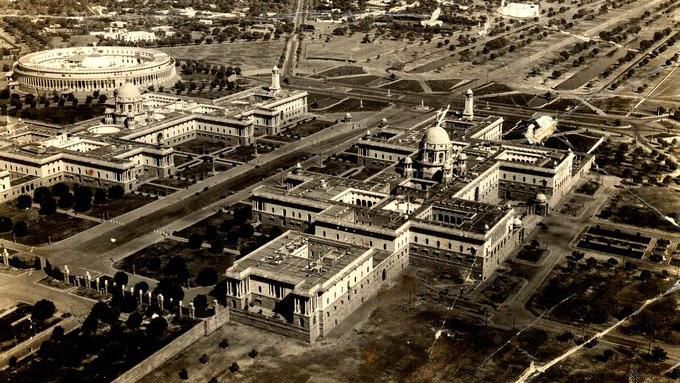
On 21 December 1911, during the period of the British Raj, a formal notice for the acquisition of land for New Delhi was published in the Punjab Gazette. This notification was issued only nine days after the proclamation of 12 December 1911, when King George V of Britain announced the transfer of the capital of British India from Calcutta to Delhi.
Through this notification, the systematic acquisition of several thousand acres of agricultural land situated to the south west of present day Delhi formally commenced. These lands were subsequently developed into the core of New Delhi, upon which were constructed the Viceroy’s House now known as Rashtrapati Bhavan, the Parliament House originally called the Council House, the Central Secretariat comprising the North Block and South Block, as well as other major administrative and defence buildings that symbolised imperial authority. To connect these monumental structures, a grand ceremonial avenue later known as Rajpath was laid out, and for commemorative purposes the India Gate memorial was erected. Under the same planning framework, Connaught Place was designated as the principal commercial district of New Delhi, where banks, insurance offices and retail commercial activities were concentrated. In parallel, residential areas such as the Lutyens’ Bungalow Zone, Civil Lines and Karol Bagh emerged as planned neighbourhoods for the Viceroy, senior colonial officials, members of the civil services and the urban middle class. All these measures were undertaken under the provisions of the Land Acquisition Act of 1894, enabling the legal acquisition of land for public and governmental purposes and laying the organised urban and real estate foundation of the new imperial capital of British India.
Following the announcement of the capital’s relocation, the British administration moved swiftly to advance the land acquisition process by issuing the Punjab Gazette notification of 21 December 1911, under which land values were fixed as of that date to ensure that agricultural landowners received compensation prior to the transfer of possession. As a result, lands belonging to Malcha, Raisina and other neighbouring villages were acquired, areas upon which the Parliament House, the Presidential Estate and numerous other key government buildings now stand.
This historical event occupies a significant place in the history of real estate, as it marked the formal legal commencement of the largest land acquisition undertaken during the British period in the subcontinent and the construction of a new imperial capital. It not only transformed urban planning and land values but also exerted lasting influence on land use patterns and the spatial hierarchy of cities in the decades that followed.
▪️Syed Shayan Real Estate Archive
Section:British India▪References:
2. Land acquisition notification dated 21 December 1911, Punjab Gazette, referenced via Scribd.
3. Historical details relating to the construction of Rashtrapati Bhavan and associated land acquisition.
21 دسمبر 1911
برطانوی ہندوستان میں نئی دہلی کے لئے زمین کا باضابطہ حصول اور نوٹیفیکیشن
21 دسمبر 1911 ء کو برطانوی راج کے دور میں نیو دہلی کے لئے زمین کے حصول کا باضابطہ نوٹس Punjab Gazette میں شائع کیا گیا۔ یہ نوٹیفیکیشن اس اعلان کے صرف نو دن بعد جاری ہوا تھا جس میں 12 دسمبر 1911 ء کو برطانوی راج کے بادشاہ King George V نے کلکتہ کی جگہ دہلی کو برطانوی ہندوستان کی نئی راجدھانی بنانے کا اعلان کیا تھا۔
اس نوٹیفیکیشن کے ذریعے موجودہ دہلی کے جنوب مغرب میں واقع ہزاروں ایکڑ زرعی زمینوں کے حصول کا باقاعدہ آغاز ہوا جن پر بعد ازاں Rashtrapati Bhavan جو اس وقت وائسرائے ہاؤس کہلاتا تھا، Parliament House جسے ابتدا میں کونسل ہاؤس کہا گیا، North Block اور South Block پر مشتمل مرکزی سیکریٹریٹ، اعلیٰ انتظامی و دفاعی دفاتر اور ریاستی طاقت کی علامت سرکاری عمارتیں تعمیر کی گئیں، جبکہ ان عمارتوں کو آپس میں جوڑنے کے لئے Rajpath جیسی شاہراہ اور یادگاری مقاصد کے لئے India Gate قائم کی گئی۔ اسی منصوبہ بندی کے تحت Connaught Place کو نیو دہلی کا مرکزی تجارتی علاقہ قرار دیا گیا جہاں بینک، انشورنس دفاتر اور ریٹیل کمرشل سرگرمیاں مرکوز ہوئیں، جبکہ رہائشی اعتبار سے Lutyens’ Bungalow Zone، Civil Lines اور Karol Bagh جیسے علاقے وائسرائے، اعلیٰ نوآبادیاتی افسران، سول سروس اور متوسط طبقے کے لئے منظم رہائشی بستیوں کے طور پر ابھرے۔ یہ تمام عمل Land Acquisition Act 1894 کے تحت انجام دیا گیا تاکہ زمینوں کو عوامی اور سرکاری مقصد کے لئے قانونی طور پر حاصل کر کے برطانوی ہندوستان کے نئے دارالحکومت کی منظم شہری اور رئیل اسٹیٹ بنیاد رکھی جا سکے۔
برطانوی انتظامیہ نے اس اعلان کے بعد جلد از جلد زمین کے حصول کے عمل کو آگے بڑھانے کے لئے 21 دسمبر 1911 ء کو پنجاب گزٹ میں ایک نوٹیفیکیشن جاری کیا جس سے زمین کی مالیت اسی دن کے مطابق طے ہو گئی تاکہ زرعی زمین مالکان کو اجارہ داری سے پہلے ہی قیمت دی جا سکے۔ اس کے نتیجے میں Malcha, Raisina اور دیگر قریبی دیہات کی زمینیں حاصل کی گئیں جہاں آج پارلیمنٹ ہاؤس، صدر مقام اور دیگر اہم سرکاری حکومتی عمارتیں موجود ہیں۔
یہ تاریخی واقعہ رئیل اسٹیٹ کی تاریخ میں اہم اس لئے ہے کہ برصغیر میں برطانوی دور کا سب سے بڑا زمین حصول اور نئی دارالحکومت کی تعمیر کا عمل اسی دن باقاعدہ طور پر قانونی شکل اختیار کر گیا، جس نے نہ صرف شہری منصوبہ بندی اور جائیداد کی قیمتوں کو تبدیل کیا بلکہ آنے والی دہائیوں میں شہروں میں زمین کے استعمال اور حیثیت پر بھی گہرے اثرات مرتب کئے۔
▪️سید شایان رئیل اسٹیٹ آرکائیو سیکشن برٹش انڈیا
ریفرنسز:
1. New Delhi کی زمین کے حصول کا عمل اور تاریخ Wikipedia / New Delhi۔
2. Punjab Gazette میں 21 دسمبر 1911 ء کو زمین حصول کے نوٹیفیکیشن کا نوٹس Scribd / Land Acquisition۔
3. Rashtrapati Bhavan کی تعمیر اور زمین کے حصول کی تاریخی تفصیل






No comments yet. Be the first to comment!