
From Real Estate History
7 November
7 November 1851
British Government Establishes Lahore Cantonment Foundation of Colonial Urban Planning in Punjab

On November 7, 1851, the British colonial administration formally established the Lahore Cantonment one of the earliest planned military civil settlements in northern India. The decision, approved by the East India Company, followed the annexation of Punjab in 1849 and reflected the British strategy of securing administrative and military control through spatial design. Built on the fertile plains southeast of Lahore city, the cantonment was more than a garrison; it became a blueprint for modern urban planning, infrastructure zoning, and segregated land use. Large tracts of agricultural land were acquired from local landowners under the doctrine of eminent domain, often at nominal compensation rates. The plan introduced broad tree lined avenues, drainage systems, officer bungalows, parade grounds, and markets all laid out on a geometric grid pattern unprecedented in the region. This planning philosophy, centered on order, sanitation, and hierarchy, deeply influenced how colonial administrators later designed railway colonies, civil lines, and housing schemes across British India. The Lahore Cantonment’s establishment shifted the economic landscape by transforming peri-urban farmland into high value real estate. It also created social divisions between the European enclave and native settlements nearby. Yet, its infrastructure and planning logic formed the foundation for later Pakistani urban models, from military housing authorities to modern gated communities. The 1851 project remains a critical milestone in the history of real estate, illustrating how colonial urbanism blended control, capital, and architecture to reshape both geography and governance in South Asia.
▪References:
•️ Impact on Real Estate Sector
Introduced organized urban zoning and land acquisition practices that redefined property relations in Punjab. This event had lasting effects on real-estate practice and continues to influence policy and development worldwide.
•️ Policy Response
Established colonial land laws that became the legal foundation of post-independence housing governance. This event had lasting effects on real-estate practice and continues to influence policy and development worldwide.
•️ Historical Legacy
Inspired the layout of civil lines, military housing schemes, and early town planning in South Asia. This event had lasting effects on real-estate practice and continues to influence policy and development worldwide.
•️ Current Status
Still reflected in Pakistan’s contemporary cantonments, DHA housing, and urban real estate governance models. This event had lasting effects on real-estate practice and continues to influence policy and development worldwide.
7 نومبر 1851
برطانوی حکومت نے لاہور کنٹونمنٹ قائم کیا پنجاب میں نوآبادیاتی شہری منصوبہ بندی کی بنیاد
7 نومبر 1851 کو برطانوی حکومت نے لاہور کنٹونمنٹ کے قیام کا اعلان کیا — جو شمالی ہندوستان (موجودہ پاکستان) میں ابتدائی منظم شہری و فوجی منصوبہ بندی کی نمایاں مثال تھی۔ پنجاب کے انضمام (1849) کے بعد ایسٹ انڈیا کمپنی نے اس منصوبے کو منظور کیا تاکہ فوجی طاقت اور انتظامی کنٹرول کو جگہ کے ذریعے منظم کیا جا سکے۔ یہ کنٹونمنٹ لاہور شہر کے جنوب مشرق میں زرخیز زرعی زمین پر قائم کیا گیا، جو صرف ایک فوجی چھاؤنی نہیں بلکہ جدید شہری منصوبہ بندی، انفراسٹرکچر زوننگ اور زمین کے منظم استعمال کی ایک عملی مثال بن گیا۔ بڑی مقدار میں زمین مقامی زمینداروں سے ’ایمننٹ ڈومین‘ کے قانون کے تحت حاصل کی گئی، اکثر بہت کم معاوضے پر۔ اس منصوبے میں کشادہ درختوں سے آراستہ سڑکیں، نکاسی کا جدید نظام، افسران کی رہائش گاہیں، پریڈ گراؤنڈ اور منظم بازار شامل تھے — سب کچھ ایک جیومیٹریائی گرڈ میں ترتیب دیا گیا جو اس خطے کے لیے بالکل نیا تھا۔ اس منصوبہ بندی کا فلسفہ نظم، صفائی، اور سماجی درجہ بندی پر مبنی تھا، جس نے بعد میں ریلوی کالونیوں، سول لائنز اور رہائشی اسکیموں کی تعمیر پر گہرا اثر ڈالا۔ لاہور کنٹونمنٹ کے قیام نے مضافاتی زمینوں کی معیشت بدل دی، جہاں زرعی زمینیں قیمتی رئیل اسٹیٹ میں تبدیل ہو گئیں۔ اگرچہ اس نے مقامی آبادی اور یورپی بستیوں کے درمیان واضح سماجی فاصلہ پیدا کیا، تاہم اسی ماڈل نے بعد میں پاکستان میں عسکری ہاؤسنگ اسکیموں اور جدید گیٹڈ کمیونٹیز کی بنیاد فراہم کی۔ 1851 کا یہ منصوبہ جنوبی ایشیا کی شہری تاریخ میں ایک اہم موڑ تھا، جس نے دکھایا کہ نوآبادیاتی حکمرانی نے کس طرح زمین، سرمائے، اور فنِ تعمیر کو ملا کر پورے خطے کے جغرافیے اور نظمِ حکومت کو بدل دیا۔
▪️سید شایان ریئل اسٹیٹ آرکائیو
•️ رئیل اسٹیٹ سیکٹر پر اثرات
پنجاب میں زمین کی تقسیم اور زوننگ کا منظم تصور متعارف کرایا جس نے ملکیتی تعلقات کو بدل دیا۔ اس واقعے کے اثرات رئیل اسٹیٹ پالیسیوں، سرمایہ کاری کے رویّوں اور شہری منصوبہ بندی پر دیرپا رہے۔
•️ پالیسی کا ردعمل
نوآبادیاتی دور کے زمین کے قوانین متعارف کرائے جو بعد از آزادی پاکستان کی ہاؤسنگ پالیسیوں کی بنیاد بنے۔ اس واقعے کے اثرات رئیل اسٹیٹ پالیسیوں، سرمایہ کاری کے رویّوں اور شہری منصوبہ بندی پر دیرپا رہے۔
•️ تاریخی ورثہ
سول لائنز، فوجی رہائشی اسکیموں اور ابتدائی شہری منصوبہ بندی کے لیے ایک نمونہ فراہم کیا۔ اس واقعے کے اثرات رئیل اسٹیٹ پالیسیوں، سرمایہ کاری کے رویّوں اور شہری منصوبہ بندی پر دیرپا رہے۔
•️ موجودہ حیثیت
آج بھی پاکستان کے کنٹونمنٹس، ڈی ایچ اے ہاؤسنگ، اور شہری زمین کے نظم میں اس کے اثرات نمایاں ہیں۔ اس واقعے کے اثرات رئیل اسٹیٹ پالیسیوں، سرمایہ کاری کے رویّوں اور شہری منصوبہ بندی پر دیرپا رہے۔
7 November 1857
Frederick Law Olmsted and Calvert Vaux Selected to Design New York’s Central Park The Birth of Modern Urban Green Planning
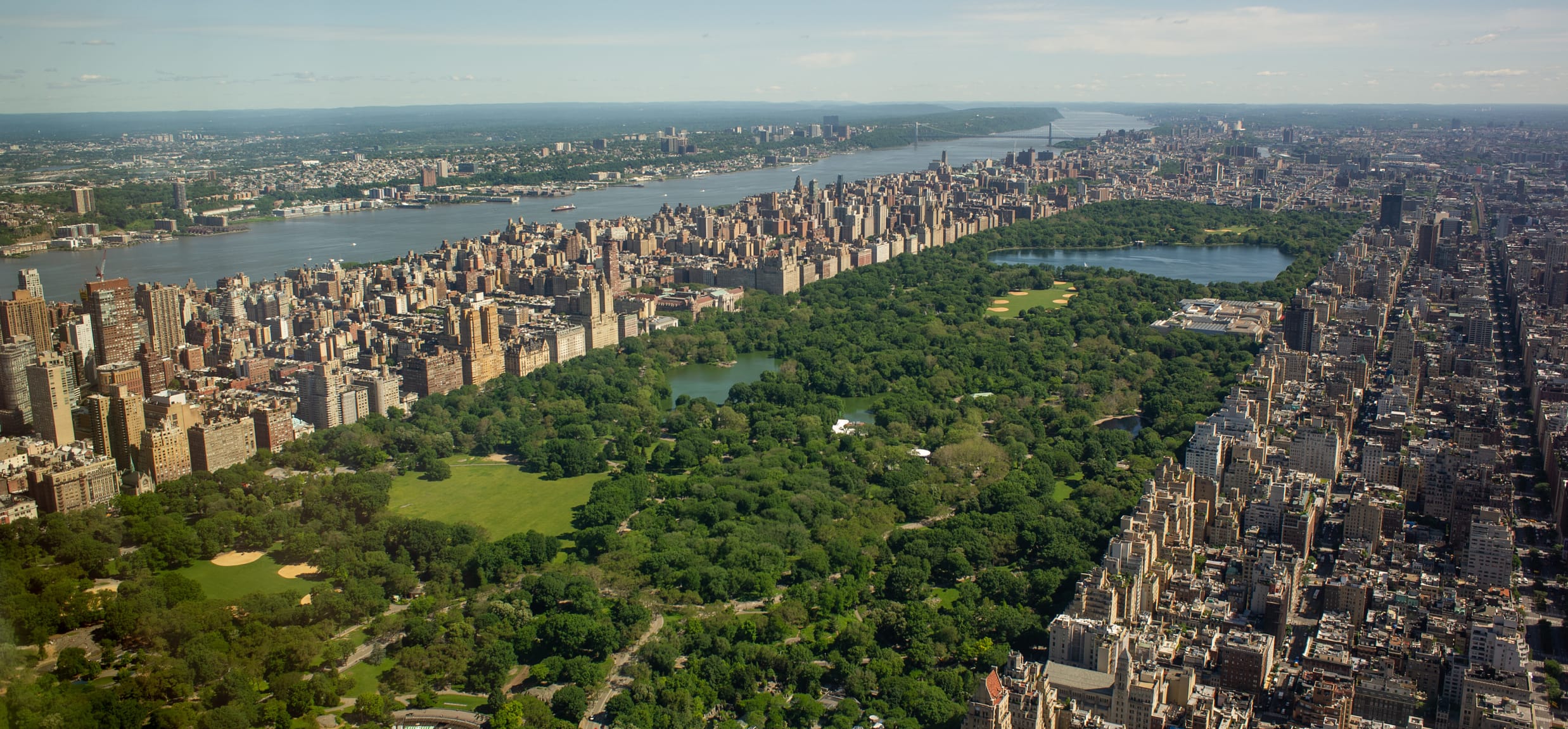
On November 7, 1857, the New York State authorities officially approved the design proposal by Frederick Law Olmsted and Calvert Vaux for Central Park, marking the birth of modern urban park planning. The mid 19th century was a period of intense industrial growth in the United States, during which New York City faced rapid population expansion, housing congestion, and severe public health crises. The idea of a massive public park was revolutionary intended to provide the city’s working and middle classes with a space for recreation, health, and social balance. Olmsted and Vaux’s 'Greensward Plan' introduced new planning concepts that fused landscape design with social reform. Their vision emphasized accessibility, harmony with nature, and the psychological need for open green environments within dense urban settings. Central Park’s 843 acres were transformed through artificial lakes, meadows, curving pathways, and wooded zones a masterpiece of design that blended art, engineering, and ecology. It was financed through a combination of public funds and rising real estate taxes on surrounding properties, setting a precedent for how public investment could simultaneously generate private land value. The success of Central Park redefined the relationship between real estate, public welfare, and urban identity, inspiring the creation of public parks in Boston, Chicago, London, Paris, and later, Lahore and Bombay under colonial urbanism. The project’s long term impact lay not only in its aesthetic beauty but in its socio economic innovation demonstrating that well planned green spaces could uplift public health, stabilize property markets, and enhance civic life. Even today, Olmsted’s park philosophy continues to guide sustainable city planning worldwide, reminding policymakers that open space is not a luxury but an urban necessity rooted in equality, ecology, and economic foresight.
▪References:
•️ Impact on Real Estate Sector
Created a new model of integrating public welfare, urban planning, and real estate through green infrastructure. This event had lasting effects on real-estate practice and continues to influence policy and development worldwide.
•️ Policy Response
Established the principle of public investment generating private land value a foundation for modern city parks. This event had lasting effects on real-estate practice and continues to influence policy and development worldwide.
•️ Historical Legacy
Inspired park movements across Europe, America, and Asia, shaping future concepts of urban sustainability. This event had lasting effects on real-estate practice and continues to influence policy and development worldwide.
•️ Current Status
Continues to influence green urbanism, sustainable development, and climate-responsive planning in global cities. This event had lasting effects on real-estate practice and continues to influence policy and development worldwide.
7 نومبر 1857
نیو یارک کے سینٹرل پارک کا ڈیزائن تیار کرنے کے لیے فریڈرک لا اولمسٹیڈ اور کیلورٹ واؤکس کا انتخاب جدید شہری سبز منصوبہ بندی کی بنیاد
7 نومبر 1857 کو ریاست نیویارک کی حکومت نے فریڈرک لا اولمسٹیڈ اور کیلورٹ واؤکس کے تیار کردہ سینٹرل پارک کے منصوبے کی باضابطہ منظوری دی — یہ جدید شہری سبز منصوبہ بندی کی تاریخ میں ایک سنگِ میل تھا۔ 19ویں صدی کے وسط میں امریکہ تیزی سے صنعتی ترقی کے دور سے گزر رہا تھا، اور نیویارک شہر آبادی کے دباؤ، رہائشی ہجوم، اور صحتِ عامہ کے بحرانوں کا شکار تھا۔ ایسے میں ایک وسیع عوامی پارک کا تصور انقلابی حیثیت رکھتا تھا، جس کا مقصد شہریوں کو جسمانی اور ذہنی سکون کے لیے قدرتی ماحول فراہم کرنا تھا۔ اولمسٹیڈ اور واؤکس کے 'گرینسوارڈ پلان' نے زمین کی تزئین کو سماجی اصلاح کے ساتھ جوڑ دیا۔ ان کا وژن اس خیال پر مبنی تھا کہ شہریوں کو قدرت کے قریب لا کر مساوات، سکون، اور صحت مند سماجی توازن قائم کیا جا سکتا ہے۔ سینٹرل پارک کے 843 ایکڑ علاقے میں جھیلیں، سبز میدان، گھومتی پگڈنڈیاں اور جنگلاتی علاقے تعمیر کیے گئے — ایک ایسا شاہکار جو فنِ تعمیر، انجینئرنگ، اور ماحولیات کا حسین امتزاج تھا۔ اس منصوبے کی مالی اعانت عوامی فنڈز اور آس پاس کی زمینوں پر بڑھتے ہوئے پراپرٹی ٹیکس سے کی گئی، جس نے پہلی بار یہ ثابت کیا کہ عوامی سرمایہ کاری نجی جائیداد کی قدر میں اضافہ کر سکتی ہے۔ سینٹرل پارک کی کامیابی نے رئیل اسٹیٹ، عوامی فلاح، اور شہری شناخت کے درمیان تعلق کو نئی شکل دی۔ اس کی تقلید بوسٹن، شکاگو، لندن، پیرس، لاہور اور بمبئی جیسے شہروں میں بھی کی گئی۔ اس منصوبے کی طویل المدتی اہمیت صرف جمالیاتی نہیں بلکہ سماجی و معاشی بھی تھی — اس نے دکھایا کہ منظم سبز مقامات نہ صرف صحتِ عامہ کو بہتر بناتے ہیں بلکہ جائیداد کی مارکیٹ کو مستحکم اور شہری زندگی کو بہتر بناتے ہیں۔ آج بھی اولمسٹیڈ کا فلسفہ دنیا بھر میں پائیدار شہری منصوبہ بندی کا رہنما سمجھا جاتا ہے، جو یاد دلاتا ہے کہ کھلی فضا کوئی عیاشی نہیں بلکہ مساوات، ماحولیات، اور معاشی بصیرت پر مبنی ایک بنیادی شہری ضرورت ہے۔
▪️سید شایان ریئل اسٹیٹ آرکائیو
•️ رئیل اسٹیٹ سیکٹر پر اثرات
سبز انفراسٹرکچر کے ذریعے عوامی فلاح، شہری منصوبہ بندی، اور رئیل اسٹیٹ کے درمیان نیا تعلق قائم کیا۔ اس واقعے کے اثرات رئیل اسٹیٹ پالیسیوں، سرمایہ کاری کے رویّوں اور شہری منصوبہ بندی پر دیرپا رہے۔
•️ پالیسی کا ردعمل
یہ اصول متعارف کرایا کہ عوامی سرمایہ کاری نجی زمین کی قدر میں اضافہ کر سکتی ہے۔ اس واقعے کے اثرات رئیل اسٹیٹ پالیسیوں، سرمایہ کاری کے رویّوں اور شہری منصوبہ بندی پر دیرپا رہے۔
•️ تاریخی ورثہ
یورپ، امریکہ، اور ایشیا میں پارکوں کی تحریکوں کو متاثر کیا اور پائیدار شہری ترقی کے تصورات کو فروغ دیا۔ اس واقعے کے اثرات رئیل اسٹیٹ پالیسیوں، سرمایہ کاری کے رویّوں اور شہری منصوبہ بندی پر دیرپا رہے۔
•️ موجودہ حیثیت
آج بھی دنیا بھر میں ماحولیاتی منصوبہ بندی اور پائیدار شہری ترقی کی پالیسیوں پر اثر انداز ہے۔ اس واقعے کے اثرات رئیل اسٹیٹ پالیسیوں، سرمایہ کاری کے رویّوں اور شہری منصوبہ بندی پر دیرپا رہے۔


No comments yet. Be the first to comment!