
From Real Estate History
29 October
29 October 1988
Islamabad Master Plan Revision Approved
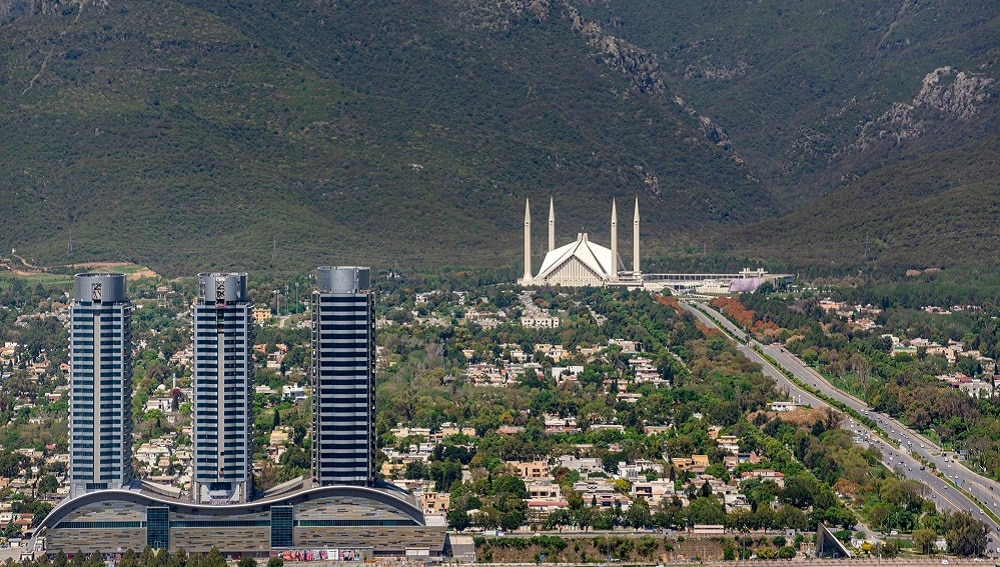
On October 29, 1988, the Government of Pakistan approved a significant revision to Islamabad’s Master Plan, marking a major milestone in the city’s urban development history. The updated plan expanded Islamabad’s development boundaries and introduced modern zoning regulations to accommodate the capital’s rapidly growing population and real estate demand. It designated new sectors for residential, commercial, and institutional purposes while maintaining the city’s original green identity and environmental balance. The revision reflected a forward-thinking approach to urban growth, blending modernization with sustainability and order. By incorporating contemporary planning concepts, infrastructure development guidelines, and environmental safeguards, the plan ensured that Islamabad’s expansion would remain organized, livable, and ecologically responsible. This framework not only guided the city’s structured growth for decades but also set new standards for urban planning across Pakistan. The 1988 revision became a blueprint for balancing progress with preservation, influencing future master plans and shaping the evolution of Islamabad into one of the most carefully planned capitals in the region.
▪References:
•️ Impact on Real Estate Sector
Islamabad's development capacity expanded significantly, property values in new sectors appreciated rapidly, systematic urban growth was ensured, and real estate development became more organized and regulated. This event had lasting effects on real-estate practice and continues to influence policy and development worldwide.
•️ Policy Response
The revised master plan established new zoning categories, created environmental protection guidelines, implemented density controls, and set standards for infrastructure development in expanding urban areas. This event had lasting effects on real-estate practice and continues to influence policy and development worldwide.
•️ Historical Legacy
The 1988 master plan revision established the growth framework that guided Islamabad's development for thirty years and set standards for planned urban expansion in Pakistani cities. This event had lasting effects on real-estate practice and continues to influence policy and development worldwide.
•️ Current Status
Modern Islamabad still operates under planning principles established in the 1988 revision, with ongoing updates to accommodate contemporary urban development challenges. This event had lasting effects on real-estate practice and continues to influence policy and development worldwide.
29 اکتوبر 1988
اسلام آباد ماسٹر پلان میں ترمییم کی منظوری
29 اکتوبر 1988 کو پاکستان کی حکومت نے اسلام آباد کے ماسٹر پلان میں ایک بڑی اور تاریخی ترمیم کی منظوری دی، جس کا مقصد تیزی سے بڑھتی ہوئی آبادی اور بڑھتی ہوئی رئیل اسٹیٹ کی طلب کو پورا کرنا تھا۔ اس ترمیم کے تحت دارالحکومت کی ڈویلپمنٹ کی حدود میں نمایاں توسیع کی گئی اور نئے زوننگ ضوابط متعارف کرائے گئے تاکہ رہائشی، تجارتی اور ادارہ جاتی ترقی کو منظم انداز میں آگے بڑھایا جا سکے۔ اپ ڈیٹڈ ماسٹر پلان نے جدید شہری منصوبہ بندی کے اصولوں کو شامل کرتے ہوئے شہر کی سبز اور قدرتی شناخت کو محفوظ رکھا۔ یہ ترمیم نہ صرف اسلام آباد کی منظم اور پائیدار توسیع کے لیے ایک مضبوط فریم ورک ثابت ہوئی بلکہ آنے والی دہائیوں کے لیے شہری ترقی کی سمت بھی متعین کی۔ اس منصوبے نے ماحولیاتی توازن اور جدید ترقی کے درمیان ہم آہنگی پیدا کی، جس کی بدولت اسلام آباد ایک ایسا شہر بن کر ابھرا جو منصوبہ بندی، خوبصورتی اور پائیداری کا بہترین امتزاج پیش کرتا ہے۔
▪️سید شایان ریئل اسٹیٹ آرکائیو
•️ رئیل اسٹیٹ سیکٹر پر اثرات
اسلام آباد کی ڈویلپمنٹ کی صلاحیت میں نمایاں اضافہ ہوا، نئے سیکٹرز میں پراپرٹی کی قیمتیں تیزی سے بڑھیں، منظم شہری ترقی کو یقینی بنایا گیا، اور رئیل اسٹیٹ ڈویلپمنٹ زیادہ منظم اور ریگولیٹڈ ہو گئی۔ اس واقعے کے اثرات رئیل اسٹیٹ پالیسیوں، سرمایہ کاری کے رویّوں اور شہری منصوبہ بندی پر دیرپا رہے۔
•️ پالیسی کا ردعمل
ترمیم شدہ ماسٹر پلان نے نئی زوننگ کیٹیگریز قائم کیں، ماحولیاتی تحفظ کی ہدایات بنائیں، کثافت کنٹرولز نافذ کیے، اور پھیلتے ہوئے شہری علاقوں میں انفراسٹرکچر ڈویلپمنٹ کے معیارات طے کیے۔ اس واقعے کے اثرات رئیل اسٹیٹ پالیسیوں، سرمایہ کاری کے رویّوں اور شہری منصوبہ بندی پر دیرپا رہے۔
•️ تاریخی ورثہ
1988 کے ماسٹر پلان کی ترمیم نے ترقی کا فریم ورک قائم کیا جس نے تیس سال تک اسلام آباد کی ترقی کی رہنمائی کی اور پاکستانی شہروں میں منصوبہ بند شہری توسیع کے معیارات طے کیے۔ اس واقعے کے اثرات رئیل اسٹیٹ پالیسیوں، سرمایہ کاری کے رویّوں اور شہری منصوبہ بندی پر دیرپا رہے۔
•️ موجودہ حیثیت
جدید اسلام آباد اب بھی 1988 کی ترمیم میں قائم کردہ پلاننگ اصولوں کے تحت کام کرتا ہے، جس میں جدید شہری ترقی کے چیلنجز کو پورا کرنے کے لیے مسلسل اپ ڈیٹس شامل ہیں۔ اس واقعے کے اثرات رئیل اسٹیٹ پالیسیوں، سرمایہ کاری کے رویّوں اور شہری منصوبہ بندی پر دیرپا رہے۔
29 October 2004
Burj Khalifa Construction Begins in Dubai

On October 29, 2004, construction began on Dubai's Burj Khalifa, transforming global real estate perceptions and establishing the Middle East as a major property development hub. The world's tallest building project generated unprecedented demand for luxury properties in surrounding areas and set new standards for high-rise construction internationally. This mega-project demonstrated how architectural ambition could drive regional economic growth and property value appreciation, while establishing Dubai as a global luxury real estate destination. The development catalyzed billions in additional property investments throughout the region and inspired similar ambitious projects worldwide.
▪References:
•️ Impact on Real Estate Sector
Luxury property values in Dubai increased by 300% over five years, high-rise construction standards were redefined globally, Middle Eastern real estate gained international investor confidence, and premium property markets expanded throughout the region. This event had lasting effects on real-estate practice and continues to influence policy and development worldwide.
•️ Policy Response
Dubai implemented new building codes for super-tall structures, established international property ownership regulations, created specialized construction oversight authorities, and developed urban planning frameworks for mega-projects. This event had lasting effects on real-estate practice and continues to influence policy and development worldwide.
•️ Historical Legacy
The Burj Khalifa established Dubai as a global real estate destination and demonstrated the economic potential of landmark architectural projects in driving regional property market growth. This event had lasting effects on real-estate practice and continues to influence policy and development worldwide.
•️ Current Status
Today, Dubai continues to leverage its super-tall building expertise with ongoing mega-projects that maintain its position as a leading global real estate innovation hub. This event had lasting effects on real-estate practice and continues to influence policy and development worldwide.
29 اکتوبر 2004
دبئی میں برج خلیفہ کی تعمیر کا آغاز
29 اکتوبر 2004 کو دبئی کے برج خلیفہ کی تعمیر کا آغاز ہوا، جس نے عالمی رئیل اسٹیٹ کے تصورات کو تبدیل کیا اور مشرق وسطیٰ کو ایک بڑی پراپرٹی ڈویلپمنٹ ہب کے طور پر قائم کیا۔ دنیا کی بلند ترین عمارت کے منصوبے نے اردگرد کے علاقوں میں لگژری پراپرٹیز کی غیر معمولی مانگ پیدا کی اور بین الاقوامی سطح پر بلند و بالا تعمیرات کے نئے معیارات طے کیے۔ اس میگا پراجیکٹ نے ثابت کیا کہ کس طرح آرکیٹیکچرل عزائم خطے کی معاشی ترقی اور پراپرٹی ویلیو میں اضافے کو فروغ دے سکتے ہیں، جبکہ دبئی کو عالمی لگژری رئیل اسٹیٹ منزل کے طور پر قائم کیا۔
▪️سید شایان ریئل اسٹیٹ آرکائیو
•️ رئیل اسٹیٹ سیکٹر پر اثرات
دبئی میں لگژری پراپرٹی کی قیمتیں پانچ سالوں میں 300 فیصد بڑھ گئیں، عالمی سطح پر بلند و بالا تعمیراتی معیارات کو نئی شکل دی گئی، مشرق وسطیٰ کی رئیل اسٹیٹ نے بین الاقوامی سرمایہ کاروں کا اعتماد حاصل کیا، اور خطے بھر میں پریمیم پراپرٹی مارکیٹوں میں توسیع ہوئی۔
•️ پالیسی کا ردعمل
دبئی نے سپر ٹال ڈھانچے کے لیے نئے بلڈنگ کوڈ نافذ کیے، بین الاقوامی پراپرٹی ملکیت کے ضوابط قائم کیے، خصوصی تعمیراتی نگرانی کے ادارے بنائے، اور میگا پراجیکٹس کے لیے شہری منصوبہ بندی کے فریم ورک تیار کیے۔
•️ تاریخی ورثہ
برج خلیفہ نے دبئی کو عالمی رئیل اسٹیٹ منزل کے طور پر قائم کیا اور خطے کی پراپرٹی مارکیٹ کی ترقی کو فروغ دینے میں لینڈ مارک آرکیٹیکچرل پراجیکٹس کی معاشی صلاحیت کو ثابت کیا۔ اس واقعے کے اثرات رئیل اسٹیٹ پالیسیوں، سرمایہ کاری کے رویّوں اور شہری منصوبہ بندی پر دیرپا رہے۔
•️ موجودہ حیثیت
آج، دبئی اپنی سپر ٹال بلڈنگ کی مہارت کو جاری میگا پراجیکٹس کے ساتھ برقرار رکھتی ہے جو اسے عالمی رئیل اسٹیٹ انوویشن ہب کے طور پر قائم رکھتی ہے۔ اس واقعے کے اثرات رئیل اسٹیٹ پالیسیوں، سرمایہ کاری کے رویّوں اور شہری منصوبہ بندی پر دیرپا رہے۔


No comments yet. Be the first to comment!