

Urban Growth Model: Community Expansion Patterns
Urban communities often grow beyond their original planned boundaries as population, housing demand, commerce and transport links increase. This page looks at how that expansion changes neighbourhood form and creates new planning needs.
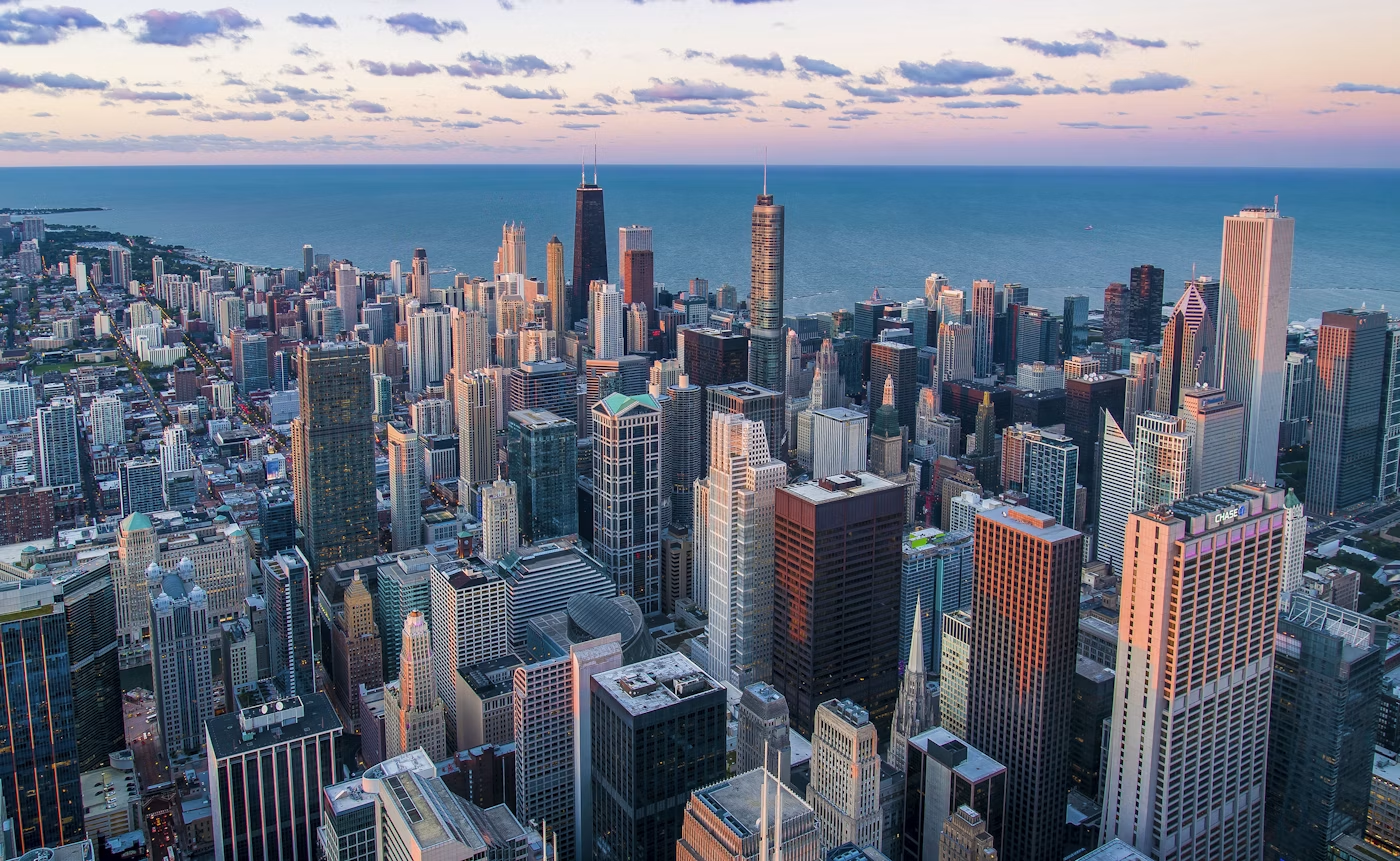
New housing, commercial activity and road connections can gradually reshape the edge of a city and create pressure for better services and coordinated planning.
Housing Expansion
Residential development extends outward as population grows and new land becomes part of the urban area.
Commercial Growth
Shops, offices and local markets follow new communities and change the character of surrounding streets.
Infrastructure Pressure
Roads, drainage, utilities and public services must expand alongside the growing community.
Community expansion is most effective when housing growth is matched by transport, infrastructure and public facilities rather than being treated as a separate land development issue.
Back to Home