Governs agency overseeing land revenue, territorial boundaries, and land-related matters.
Punjab Land Records Authority
Providing citizens with property records, updating, and administration of Punjab and its rural land.
Provincial Housing & Town Planning Department
Managing urban development, housing policies, & town planning initiatives.
Punjab Urban Unit
Conducting research, data analysis, & urban management solutions.
Important Updates from Punjab
Real Estate & Land News
Published: June 20, 2026 at 9:38 AM
RDA, District Administrations Review Progress on Rawalpindi Master Plan, Land Management Challenges
آر ڈی اے اور ضلعی انتظامیہ کا راولپنڈی ماسٹر پلان پر پیش رفت اور لینڈ مینجمنٹ امور کا جائزہ
▫️Commissioner Aamer Khattak directs departments to accelerate implementation and strengthen coordination for planned urban growth across the division
▫️کمشنر عامر خٹک کی متعلقہ محکموں کو منصوبے پر عملدرآمد تیز کرنے اور منظم شہری ترقی کیلئے رابطہ کاری بہتر بنانے کی ہدایت
Rawalpindi: [ReNews Pakistan]The Rawalpindi Development Authority (RDA) and district administrations have reviewed the progress of the Rawalpindi Master Plan and...
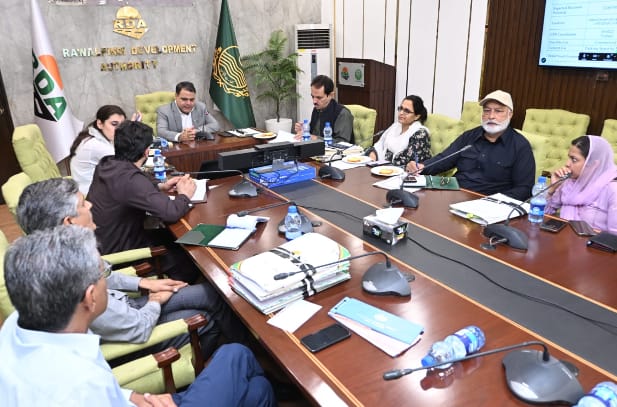
Rawalpindi: [ReNews Pakistan] The Rawalpindi Development Authority (RDA) and district administrations have reviewed the progress of the Rawalpindi Master Plan and discussed key land management issues affecting urban development across the Rawalpindi Division, with authorities directing relevant departments to expedite implementation and improve inter agency coordination. The review meeting was chaired by Commissioner Rawalpindi Division and Director General RDA, Engr. Aamer Khattak. It was attended by Deputy Commissioners of Rawalpindi and Attock, Assistant Commissioners from Taxila, Gujar Khan, Kahuta, Hassan Abdal and Fateh Jang, along with senior officials of the Rawalpindi Development Authority. During the meeting, participants received detailed briefings on land administration, property management and development-related matters in Rawalpindi, Chakwal, Murree and other tehsils of the region. Officials presented updates on the status of public and private land holdings, ongoing development activities, future growth prospects and administrative challenges being faced in their respective jurisdictions. A detailed presentation on the Rawalpindi Master Plan was delivered by the Chief Planner of RDA, who outlined the progress achieved so far, ongoing implementation efforts and key targets that remain to be completed. Following the briefing, Commissioner Aamer Khattak directed all concerned departments to accelerate work on the plan and ensure that development objectives are achieved within the prescribed timelines. He emphasised that close coordination among district administrations, planning authorities and other government departments is essential for managing rapid urbanisation and ensuring orderly development throughout the region. He noted that effective planning and timely decision-making would help address infrastructure pressures, population growth and changing land-use demands. The commissioner also highlighted the importance of safeguarding public land and taking effective measures against encroachments, stating that proper land management remains a critical component of sustainable urban development. He urged officials to strengthen monitoring mechanisms and improve enforcement to protect state-owned assets and maintain planned growth patterns. Officials further underscored the need for a comprehensive and integrated planning framework that aligns land-use policies, infrastructure development and environmental considerations. They noted that the successful implementation of the Rawalpindi Master Plan would contribute to improved public services, environmental protection, economic growth and a better quality of life for residents across the division. The meeting concluded with a commitment from participating departments to enhance collaboration, address outstanding administrative issues and support the timely execution of development initiatives envisioned under the Rawalpindi Master Plan.
راولپنڈی | ری نیوز پاکستان راولپنڈی ڈویلپمنٹ اتھارٹی (آ ر ڈی اے) اور ضلعی انتظامیہ نے راولپنڈی ماسٹر پلان پر پیش رفت اور راولپنڈی ڈویژن میں شہری ترقی کو متاثر کرنے والے اہم لینڈ مینجمنٹ امور کا جائزہ لیا، جبکہ متعلقہ محکموں کو منصوبے پر عملدرآمد تیز کرنے اور باہمی رابطہ کاری بہتر بنانے کی ہدایت کی گئی۔ اجلاس کی صدارت کمشنر راولپنڈی ڈویژن اور ڈائریکٹر جنرل آر ڈی اے انجینئر عامر خٹک نے کی۔ اجلاس میں راولپنڈی اور اٹک کے ڈپٹی کمشنرز، ٹیکسلا، گوجر خان، کہوٹہ، حسن ابدال اور فتح جنگ کے اسسٹنٹ کمشنرز سمیت آر ڈی اے کے سینئر افسران نے شرکت کی۔ اجلاس کے دوران راولپنڈی، چکوال، مری اور دیگر تحصیلوں میں زمینوں، جائیدادوں، ترقیاتی امکانات اور انتظامی چیلنجز سے متعلق تفصیلی بریفنگ دی گئی۔ حکام نے سرکاری و نجی اراضی کی صورتحال، جاری ترقیاتی سرگرمیوں، مستقبل کے امکانات اور اپنے اپنے علاقوں میں درپیش انتظامی مسائل سے آگاہ کیا۔ آر ڈی اے کے چیف پلانر نے راولپنڈی ماسٹر پلان پر تفصیلی بریفنگ دی، جس میں اب تک ہونے والی پیش رفت، جاری اقدامات اور باقی اہداف کی نشاندہی کی گئی۔ بریفنگ کے بعد کمشنر عامر خٹک نے متعلقہ محکموں کو ہدایت کی کہ ماسٹر پلان پر کام کی رفتار تیز کی جائے اور ترقیاتی اہداف مقررہ مدت کے اندر مکمل کیے جائیں۔ انہوں نے کہا کہ تیزی سے بڑھتی شہری آبادی اور شہری پھیلاؤ کے چیلنجز سے نمٹنے کے لیے ضلعی انتظامیہ، پلاننگ اداروں اور دیگر متعلقہ محکموں کے درمیان مؤثر رابطہ کاری ناگزیر ہے۔ ان کے مطابق بروقت منصوبہ بندی اور فیصلہ سازی سے انفراسٹرکچر پر دباؤ، آبادی میں اضافے اور بدلتی ہوئی زمینی ضروریات کو بہتر انداز میں منظم کیا جا سکتا ہے۔ کمشنر نے سرکاری اراضی کے تحفظ اور تجاوزات کے خلاف مؤثر اقدامات کی ضرورت پر بھی زور دیا۔ انہوں نے کہا کہ شفاف اور مضبوط لینڈ مینجمنٹ پائیدار شہری ترقی کا اہم حصہ ہے، اس لیے مانیٹرنگ نظام کو مزید بہتر بنایا جائے اور سرکاری اثاثوں کے تحفظ کے لیے عملدرآمد کو مؤثر بنایا جائے۔ اجلاس میں اس بات پر بھی زور دیا گیا کہ زمین کے استعمال، انفراسٹرکچر ڈویلپمنٹ اور ماحولیاتی تحفظ کو ایک جامع اور مربوط منصوبہ بندی کے فریم ورک کے تحت آگے بڑھایا جائے۔ حکام کے مطابق راولپنڈی ماسٹر پلان پر کامیاب عملدرآمد سے عوامی سہولیات، ماحولیاتی تحفظ، معاشی ترقی اور شہریوں کے معیارِ زندگی میں بہتری آئے گی۔ اجلاس کے اختتام پر شریک محکموں نے باہمی تعاون بڑھ انے، زیر التوا انتظامی امور حل کرنے اور راولپنڈی ماسٹر پلان کے تحت ترقیاتی اقدامات پر بروقت عملدرآمد یقینی بنانے کے عزم کا اظہار
Published: June 20, 2026 at 9:30 AM
Punjab Repeals 66 Year Old Land Consolidation Law, New Repeal Act Enforced
پنجاب میں لینڈ کنسولیڈیشن کا 66 سال پرانا قانون ختم، نیا ریپیل ایکٹ نافذ
▫️Pending consolidation schemes must be completed within 180 days; unresolved cases will be handled under the Punjab Land Revenue Act 1967
▫️زیر التوا کنسولیڈیشن سکیمیں 180 روز میں مکمل کرنا لازم، مقررہ مدت کے بعد معاملات پنجاب لینڈ ریونیو ایکٹ 1967 کے تحت نمٹائے جائیں گے
Lahore | ReNews PakistanThe Punjab government has abolished the 66 year old Consolidation of Holdings Ordinance and enforced a new...
Lahore | ReNews Pakistan The Punjab government has abolished the 66 year old Consolidation of Holdings Ordinance and enforced a new Repeal Act as part of efforts to end the province’s outdated and complex legal framework governing land matters. A formal notification in this regard has also been issued. Under the new law, all pending consolidation schemes across the province must be completed within 180 days. Any cases that remain unresolved after the stipulated period will be dealt with under the Punjab Land Revenue Act 1967. According to official documents, the government will have broad powers to introduce a digital system for land-related matters, issue new instructions and modernize the revenue administration system. Officials said the move would accelerate the digitization of land records and ensure that long-pending consolidation schemes are completed within the prescribed timeframe. Government officials said the new legislation would bring an end to the old and slow land consolidation system, while practical measures to link land records with the digital framework would be expedited. The reform is aimed at reducing long standing delays in matters related to land partition, illegal occupation, ownership disputes and record correction. The government expects that the new system will provide farmers, landowners and citizens with faster, easier and more transparent access to mutations, record correction and other revenue services, while also improving overall land administration in the province.
لاہور | ری نیوز پاکستان پنجاب حکومت نے اراضی کے معاملات سے متعلق پرانے اور پیچیدہ قانونی نظام کے خاتمے کے لیے 66 سال پرانا کنسولیڈیشن آف ہولڈنگز آرڈیننس ختم کرتے ہوئے نیا ریپیل ایکٹ نافذ کر دیا ہے، جس کا باقاعدہ نوٹیفکیشن بھی جاری کر دیا گیا ہے۔ نئے قانون کے تحت صوبے میں زیر التوا کنسولیڈیشن سکیموں کو 180 روز کے اندر مکمل کرنا لازمی قرار دیا گیا ہے۔ مقررہ مدت کے بعد جو کیسز نامکمل رہ جائیں گے، انہیں پنجاب لینڈ ریونیو ایکٹ 1967 کے تحت نمٹایا جائے گا۔ دستاویزات کے مطابق حکومت کو اراضی کے معاملات میں ڈیجیٹل نظام متعارف کرانے، نئی ہدایات جاری کرنے اور ریونیو نظام کو جدید خطوط پر استوار کرنے کے وسیع اختیارات حاصل ہوں گے۔ حکام کا کہنا ہے کہ اس اقدام سے اراضی ریکارڈ کی ڈیجیٹلائزیشن کا عمل تیز ہوگا اور برسوں سے زیر التوا زمینوں کی کنسولیڈیشن سکیموں کو مقررہ مدت میں مکمل کیا جا سکے گا۔ سرکاری حکام کے مطابق نئی قانون سازی کے بعد زمینوں کی کنسولیڈیشن کا پرانا اور سست نظام ختم ہو جائے گا، جبکہ اراضی ریکارڈ کو ڈیجیٹل نظام سے منسلک کرنے کے لیے عملی اقدامات میں تیزی آئے گی۔ اس اصلاحات کا مقصد زمینوں کی تقسیم، قبضوں، ملکیتی تنازعات اور ریکارڈ کی درستگی سے متعلق دیرینہ مسائل کو کم کرنا ہے۔ حکومت کو توقع ہے کہ نئے نظام کے تحت کسانوں، زمین مالکان اور شہریوں کو انتقالات، ریکارڈ کی درستگی اور دیگر ریونیو خدمات تک تیز، آسان اور شفاف رسائی حاصل ہو سکے گی، جبکہ اراضی کے انتظام و انصرام میں بھی نمایاں بہتری آئے گی۔
Published: June 19, 2026 at 5:06 PM
Housing Society Expansion Not the Only Cause; Costly Farming and Labor Shortages Also Blamed for Shrinking Agricultural Land
ہاؤسنگ سوسائٹیوں کا پھیلاؤ نہیں مہنگی کاشت، افرادی قوت کی کمی بھی زرعی زمین سکڑنے کی وجوہات قرار
▫️Banning housing schemes alone is not enough; farmers must be provided profitable cultivation, affordable inputs, and rural employment opportunities: say experts
▫️ ہاؤسنگ سکیموں پر پابندی کافی نہیں، کسان کو منافع بخش کاشت، سستی ان پُٹ اور دیہی روزگار بھی دینا ہوگا: ماہرین
Lahore | ReNews PakistanThe shrinking of agricultural land in Pakistan, particularly in Punjab, is often linked to the rapid expansion...
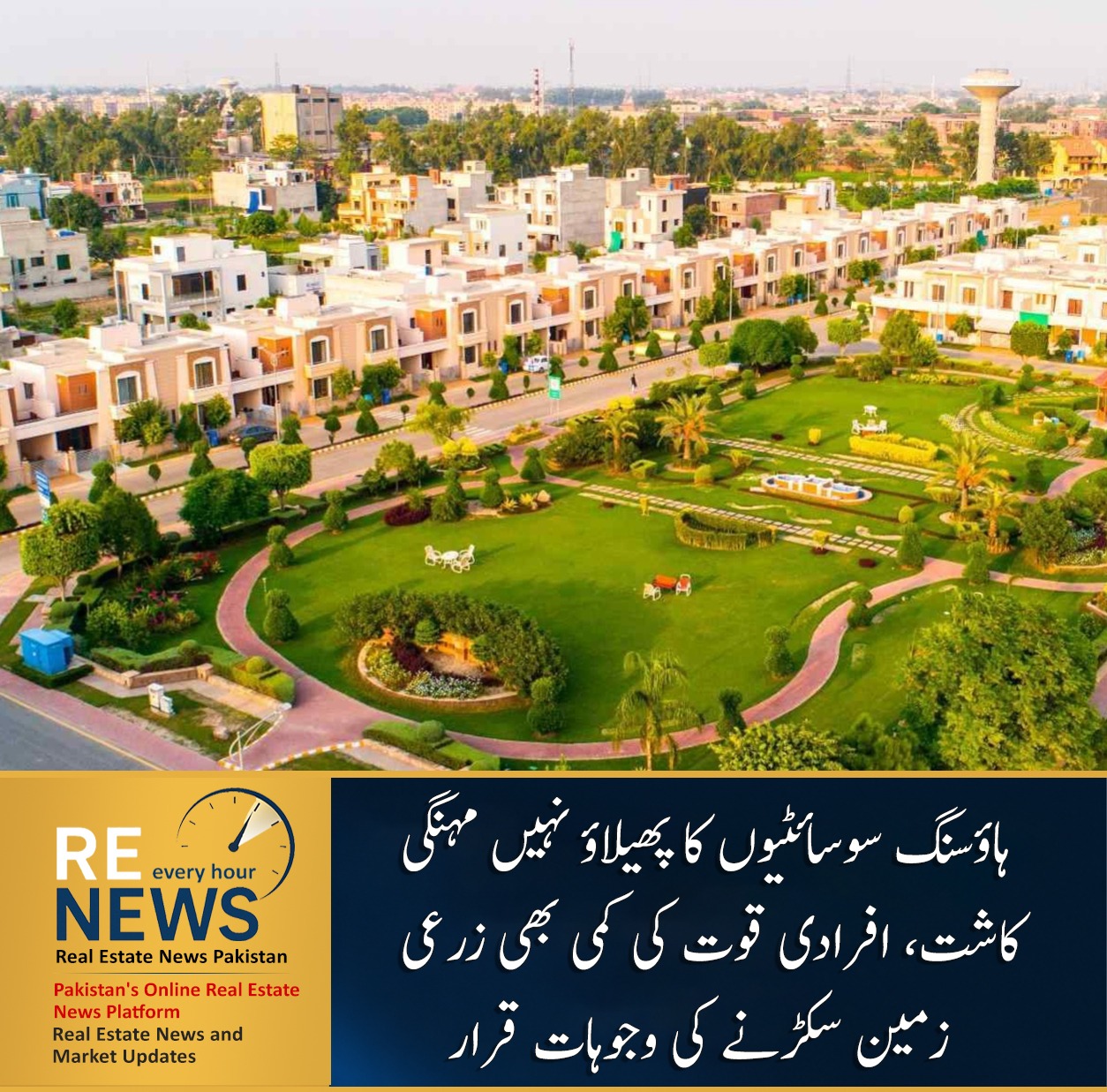
Lahore | ReNews Pakistan The shrinking of agricultural land in Pakistan, particularly in Punjab, is often linked to the rapid expansion of housing societies. However, experts believe the issue is not limited to residential schemes alone. Labour shortages, the growing trend of young people from farming families moving abroad, expensive fertiliser, pesticides, seeds, diesel, electricity and rising cultivation costs have also become major factors behind the decline in agricultural land use. Punjab is Pakistan’s key agricultural province, producing major crops including wheat, rice, cotton, sugarcane, vegetables and fodder. However, in recent years, agricultural land around major cities has come under increasing pressure from housing schemes, commercial projects, roads and urban expansion. In districts including Lahore, Faisalabad, Gujranwala, Multan, Rawalpindi, Sheikhupura and Kasur, the conversion of farmland into residential and commercial use has raised serious questions about food security and the future of the agricultural economy. Real estate experts say housing societies are certainly one of the major reasons behind the shrinking of farmland, but the declining profitability of farming is also pushing landowners to sell agricultural land. When farmers do not receive a fair price for their crops, input costs continue to rise and profit margins shrink, selling land for plots or residential projects begins to appear more attractive than continuing cultivation. People associated with the agriculture sector say the rising cost of fertiliser, pesticides, seeds, diesel, tube wells, electricity and labour has increased financial pressure on small and medium-sized farmers. For many farmers, growing a crop has become more expensive and riskier than before. If the weather turns unfavourable, the crop is damaged or market prices fall, the farmer is forced to bear heavy losses. At the same time, the movement of rural youth away from agriculture is emerging as another major challenge. Many young people from farming families now prefer jobs in cities, industries, services or abroad rather than working in the fields. The desire to find employment in Gulf countries, Europe and other regions has particularly affected the availability of rural labour. As a result, farm workers are either unavailable in many areas or their wages have become too high for small farmers. Experts say when young people from farming households no longer view agriculture as a secure source of future income, family owned farmland gradually moves toward non agricultural use. Some families lease out their land instead of cultivating it themselves, while others sell it to finance urban businesses, house construction, children’s education or overseas migration expenses. Weak urban planning is another important dimension of the issue. In several areas, housing schemes have expanded over agricultural land, while vertical construction, approved master plans, agricultural zoning and protection of green belts have not been effectively enforced. As a result, cities have continued to expand in an unplanned manner and valuable farmland has been converted into residential use. Experts believe that action against illegal housing societies alone will not be enough to protect agricultural land. The government must take measures that make cultivation more beneficial for farmers than selling land. For this, farmers need easier access to affordable fertiliser, seeds, pesticides, electricity, water and machinery, along with better crop prices, modern technology, agricultural advisory services and direct access to markets. Real estate and agricultural experts say if rural youth are provided with opportunities in modern farming, agribusiness, value addition, cold storage, food processing and agri tech, they can turn agriculture into a profitable enterprise instead of leaving the sector. At the same time, unnecessary conversion of agricultural land, unapproved housing projects and unplanned urban sprawl must also be controlled. Experts say Punjab needs a comprehensive policy to protect agricultural land. Such a policy should include strict monitoring of housing societies, agricultural zoning, financial support for farmers, reduction in costly farm inputs, rural employment opportunities and measures to attract the younger generation toward modern agriculture. Without these steps, shrinking farmland will not remain merely a real estate issue; it could become a major challenge for food security, employment, the environment and the national economy.
لاہور | ری نیوز پاکستان پاکستان خصوصاً پنجاب میں زرعی زمین کے سکڑنے کو عموماً ہاؤسنگ سوسائٹیوں کے پھیلاؤ سے جوڑا جاتا ہے، تاہم ماہرین کے مطابق یہ مسئلہ صرف رہائشی منصوبوں تک محدود نہیں۔ زرعی زمین کے کم ہونے کے پیچھے افرادی قوت کی کمی، کسان گھرانوں کے نوجوانوں کا بیرون ملک جانے کا بڑھتا رجحان، مہنگی کھاد، زرعی ادویات، بیج، ڈیزل، بجلی اور کاشت کے بڑھتے ہوئے اخراجات بھی اہم عوامل بن چکے ہیں۔ پنجاب پاکستان کا اہم زرعی صوبہ ہے، جہاں گندم، چاول، کپاس، گنا، سبزیاں اور چارہ سمیت کئی بڑی فصلیں پیدا ہوتی ہیں۔ تاہم گزشتہ چند برسوں میں بڑے شہروں کے اطراف زرعی رقبے پر ہاؤسنگ سکیموں، کمرشل منصوبوں، سڑکوں اور شہری پھیلاؤ کے دباؤ میں اضافہ ہوا ہے۔ لاہور، فیصل آباد، گوجرانوالہ، ملتان، راولپنڈی، شیخوپورہ، قصور اور دیگر اضلاع میں زرعی زمین کا رہائشی اور کمرشل استعمال بڑھنے سے فوڈ سکیورٹی اور زرعی معیشت سے متعلق سوالات پیدا ہو رہے ہیں۔ رئیل سٹیٹ ماہرین کے مطابق ہاؤسنگ سوسائٹیاں زرعی زمین کے سکڑنے کی ایک بڑی وجہ ضرور ہیں، مگر کسانوں کے لیے کاشت کا غیر منافع بخش ہونا بھی زمین کی فروخت کا اہم سبب ہے۔ جب کاشت کار کو فصل کی مناسب قیمت نہ ملے، input cost مسلسل بڑھتی رہے اور منافع کم ہو جائے تو وہ زمین کو زرعی پیداوار کے بجائے پلاٹوں یا رہائشی منصوبوں کے لیے فروخت کرنے کو زیادہ فائدہ مند سمجھتا ہے۔ زرعی شعبے سے وابستہ افراد کا کہنا ہے کہ کھاد، زرعی ادویات، بیج، ڈیزل، ٹیوب ویل، بجلی اور مزدوری کے اخراجات میں اضافے نے چھوٹے اور درمیانے کسانوں پر مالی دباؤ بڑھا دیا ہے۔ کئی کسانوں کے لیے فصل تیار کرنا پہلے کے مقابلے میں زیادہ مہنگا اور زیادہ خطرناک کاروبار بن چکا ہے۔ اگر موسم خراب ہو جائے، فصل متاثر ہو جائے یا مارکیٹ میں قیمت کم ملے تو کسان کو نقصان برداشت کرنا پڑتا ہے۔ اس صورتحال میں دیہی علاقوں سے نوجوانوں کا زراعت سے دور ہونا بھی ایک بڑا مسئلہ بن رہا ہے۔ کسان خاندانوں کے بہت سے نوجوان اب کھیت میں کام کرنے کے بجائے شہروں، صنعتوں، خدمات کے شعبے یا بیرون ملک روزگار کو ترجیح دے رہے ہیں۔ خاص طور پر خلیجی ممالک، یورپ اور دیگر ممالک میں روزگار کی خواہش نے دیہی افرادی قوت کو متاثر کیا ہے۔ اس رجحان کے باعث کئی علاقوں میں کھیتی باڑی کے لیے مزدور دستیاب نہیں رہتے یا مزدوری بہت مہنگی ہو جاتی ہے۔ ماہرین کے مطابق جب کسان کے گھر کا نوجوان زراعت کو مستقبل کا محفوظ ذریعہ آمدن نہیں سمجھتا تو خاندان کی زرعی زمین آہستہ آہستہ غیر زرعی استعمال کی طرف جانے لگتی ہے۔ بعض خاندان زمین خود کاشت کرنے کے بجائے ٹھیکے پر دے دیتے ہیں، جبکہ بعض اسے فروخت کر کے شہری کاروبار، گھر کی تعمیر، بچوں کی تعلیم یا بیرون ملک سفر کے اخراجات پورے کرتے ہیں۔ زرعی زمین کے سکڑنے کا ایک اور پہلو شہری منصوبہ بندی کی کمزوری بھی ہے۔ کئی علاقوں میں ہاؤسنگ سکیمیں زرعی رقبے پر پھیلتی رہیں، جبکہ عمودی تعمیرات، منظور شدہ ماسٹر پلانز، زرعی زوننگ اور گرین بیلٹس کے تحفظ پر مؤثر عمل درآمد نہیں ہو سکا۔ نتیجتاً شہروں کا پھیلاؤ غیر منظم انداز میں بڑھتا گیا اور قیمتی زرعی زمین رہائشی استعمال میں تبدیل ہوتی رہی۔ ماہرین کا کہنا ہے کہ زرعی زمین بچانے کے لیے صرف غیر قانونی ہاؤسنگ سوسائٹیوں کے خلاف کارروائی کافی نہیں ہوگی۔ حکومت کو ایسے اقدامات کرنا ہوں گے جن سے کاشت کار کو زمین بیچنے کے بجائے اسے کاشت کرنے میں فائدہ نظر آئے۔ اس کے لیے کھاد، بیج، زرعی ادویات، بجلی، پانی اور مشینری تک آسان رسائی، فصلوں کی بہتر قیمت، جدید ٹیکنالوجی، زرعی مشاورت اور مارکیٹ تک براہ راست رسائی ضروری ہے۔ رئیل سٹیٹ اور زرعی ماہرین کے مطابق اگر دیہی نوجوانوں کو زراعت میں جدید روزگار، زرعی کاروبار، ویلیو ایڈیشن، کولڈ سٹوریج، فوڈ پراسیسنگ اور ایگری ٹیک جیسے مواقع دیے جائیں تو وہ کھیت چھوڑنے کے بجائے اسے منافع بخش کاروبار میں بدل سکتے ہیں۔ اس کے ساتھ زرعی زمین کی غیر ضروری تبدیلی، غیر منظور شدہ ہاؤسنگ منصوبوں اور بے ہنگم شہری پھیلاؤ کو بھی روکنا ہوگا۔ ماہرین کے مطابق پنجاب میں زرعی زمین کے تحفظ کے لیے ایک جامع پالیسی کی ضرورت ہے، جس میں ہاؤسنگ سوسائٹیوں کی سخت نگرانی، زرعی زوننگ، کسانوں کے لیے مالی سہولت، مہنگے زرعی مداخل میں کمی، دیہی روزگار کے مواقع اور نوجوان نسل کو جدید زراعت کی طرف راغب کرنے کے اقدامات شامل ہوں۔ اگر یہ اقدامات نہ کیے گئے تو زرعی زمین کا سکڑاؤ صرف رئیل سٹیٹ کا مسئلہ نہیں رہے گا بلکہ خوراک، روزگار، ماحولیات اور ملکی معیشت کے لیے بھی بڑا چیلنج بن سکتا ہے۔