Governs agency overseeing land revenue, territorial boundaries, and land-related matters.
Punjab Land Records Authority
Providing citizens with property records, updating, and administration of Punjab and its rural land.
Provincial Housing & Town Planning Department
Managing urban development, housing policies, & town planning initiatives.
Punjab Urban Unit
Conducting research, data analysis, & urban management solutions.
Important Updates from Punjab
Real Estate & Land News
Published: June 19, 2026 at 5:06 PM
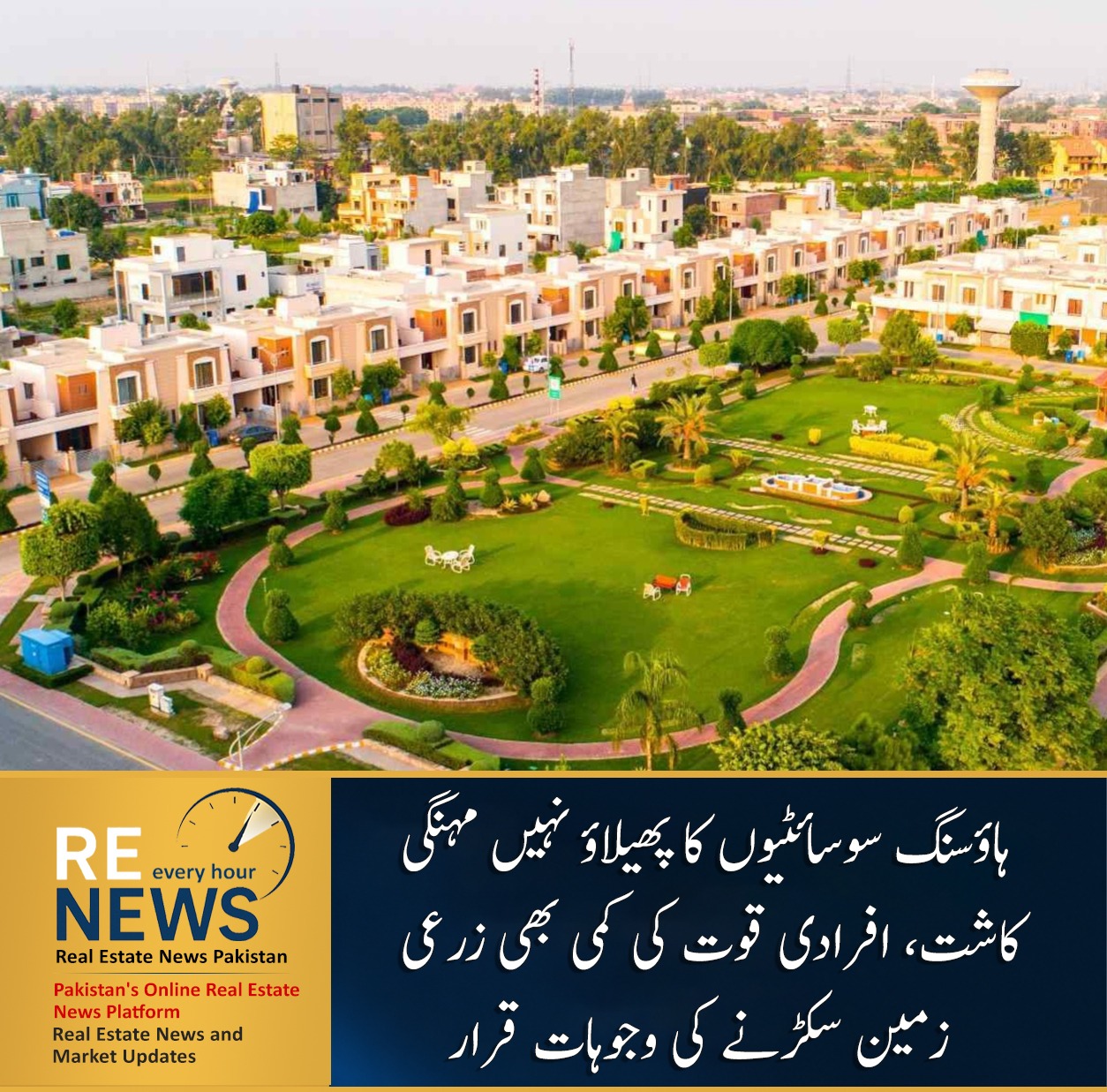
Housing Society Expansion Not the Only Cause; Costly Farming and Labor Shortages Also Blamed for Shrinking Agricultural Land
ہاؤسنگ سوسائٹیوں کا پھیلاؤ نہیں مہنگی کاشت، افرادی قوت کی کمی بھی زرعی زمین سکڑنے کی وجوہات قرار
▫️Banning housing schemes alone is not enough; farmers must be provided profitable cultivation, affordable inputs, and rural employment opportunities: say experts
▫️ ہاؤسنگ سکیموں پر پابندی کافی نہیں، کسان کو منافع بخش کاشت، سستی ان پُٹ اور دیہی روزگار بھی دینا ہوگا: ماہرین
Lahore | ReNews PakistanThe shrinking of agricultural land in Pakistan, particularly in Punjab, is often linked to the rapid expansion...
Lahore | ReNews Pakistan The shrinking of agricultural land in Pakistan, particularly in Punjab, is often linked to the rapid expansion of housing societies. However, experts believe the issue is not limited to residential schemes alone. Labour shortages, the growing trend of young people from farming families moving abroad, expensive fertiliser, pesticides, seeds, diesel, electricity and rising cultivation costs have also become major factors behind the decline in agricultural land use. Punjab is Pakistan’s key agricultural province, producing major crops including wheat, rice, cotton, sugarcane, vegetables and fodder. However, in recent years, agricultural land around major cities has come under increasing pressure from housing schemes, commercial projects, roads and urban expansion. In districts including Lahore, Faisalabad, Gujranwala, Multan, Rawalpindi, Sheikhupura and Kasur, the conversion of farmland into residential and commercial use has raised serious questions about food security and the future of the agricultural economy. Real estate experts say housing societies are certainly one of the major reasons behind the shrinking of farmland, but the declining profitability of farming is also pushing landowners to sell agricultural land. When farmers do not receive a fair price for their crops, input costs continue to rise and profit margins shrink, selling land for plots or residential projects begins to appear more attractive than continuing cultivation. People associated with the agriculture sector say the rising cost of fertiliser, pesticides, seeds, diesel, tube wells, electricity and labour has increased financial pressure on small and medium-sized farmers. For many farmers, growing a crop has become more expensive and riskier than before. If the weather turns unfavourable, the crop is damaged or market prices fall, the farmer is forced to bear heavy losses. At the same time, the movement of rural youth away from agriculture is emerging as another major challenge. Many young people from farming families now prefer jobs in cities, industries, services or abroad rather than working in the fields. The desire to find employment in Gulf countries, Europe and other regions has particularly affected the availability of rural labour. As a result, farm workers are either unavailable in many areas or their wages have become too high for small farmers. Experts say when young people from farming households no longer view agriculture as a secure source of future income, family owned farmland gradually moves toward non agricultural use. Some families lease out their land instead of cultivating it themselves, while others sell it to finance urban businesses, house construction, children’s education or overseas migration expenses. Weak urban planning is another important dimension of the issue. In several areas, housing schemes have expanded over agricultural land, while vertical construction, approved master plans, agricultural zoning and protection of green belts have not been effectively enforced. As a result, cities have continued to expand in an unplanned manner and valuable farmland has been converted into residential use. Experts believe that action against illegal housing societies alone will not be enough to protect agricultural land. The government must take measures that make cultivation more beneficial for farmers than selling land. For this, farmers need easier access to affordable fertiliser, seeds, pesticides, electricity, water and machinery, along with better crop prices, modern technology, agricultural advisory services and direct access to markets. Real estate and agricultural experts say if rural youth are provided with opportunities in modern farming, agribusiness, value addition, cold storage, food processing and agri tech, they can turn agriculture into a profitable enterprise instead of leaving the sector. At the same time, unnecessary conversion of agricultural land, unapproved housing projects and unplanned urban sprawl must also be controlled. Experts say Punjab needs a comprehensive policy to protect agricultural land. Such a policy should include strict monitoring of housing societies, agricultural zoning, financial support for farmers, reduction in costly farm inputs, rural employment opportunities and measures to attract the younger generation toward modern agriculture. Without these steps, shrinking farmland will not remain merely a real estate issue; it could become a major challenge for food security, employment, the environment and the national economy.
لاہور | ری نیوز پاکستان پاکستان خصوصاً پنجاب میں زرعی زمین کے سکڑنے کو عموماً ہاؤسنگ سوسائٹیوں کے پھیلاؤ سے جوڑا جاتا ہے، تاہم ماہرین کے مطابق یہ مسئلہ صرف رہائشی منصوبوں تک محدود نہیں۔ زرعی زمین کے کم ہونے کے پیچھے افرادی قوت کی کمی، کسان گھرانوں کے نوجوانوں کا بیرون ملک جانے کا بڑھتا رجحان، مہنگی کھاد، زرعی ادویات، بیج، ڈیزل، بجلی اور کاشت کے بڑھتے ہوئے اخراجات بھی اہم عوامل بن چکے ہیں۔ پنجاب پاکستان کا اہم زرعی صوبہ ہے، جہاں گندم، چاول، کپاس، گنا، سبزیاں اور چارہ سمیت کئی بڑی فصلیں پیدا ہوتی ہیں۔ تاہم گزشتہ چند برسوں میں بڑے شہروں کے اطراف زرعی رقبے پر ہاؤسنگ سکیموں، کمرشل منصوبوں، سڑکوں اور شہری پھیلاؤ کے دباؤ میں اضافہ ہوا ہے۔ لاہور، فیصل آباد، گوجرانوالہ، ملتان، راولپنڈی، شیخوپورہ، قصور اور دیگر اضلاع میں زرعی زمین کا رہائشی اور کمرشل استعمال بڑھنے سے فوڈ سکیورٹی اور زرعی معیشت سے متعلق سوالات پیدا ہو رہے ہیں۔ رئیل سٹیٹ ماہرین کے مطابق ہاؤسنگ سوسائٹیاں زرعی زمین کے سکڑنے کی ایک بڑی وجہ ضرور ہیں، مگر کسانوں کے لیے کاشت کا غیر منافع بخش ہونا بھی زمین کی فروخت کا اہم سبب ہے۔ جب کاشت کار کو فصل کی مناسب قیمت نہ ملے، input cost مسلسل بڑھتی رہے اور منافع کم ہو جائے تو وہ زمین کو زرعی پیداوار کے بجائے پلاٹوں یا رہائشی منصوبوں کے لیے فروخت کرنے کو زیادہ فائدہ مند سمجھتا ہے۔ زرعی شعبے سے وابستہ افراد کا کہنا ہے کہ کھاد، زرعی ادویات، بیج، ڈیزل، ٹیوب ویل، بجلی اور مزدوری کے اخراجات میں اضافے نے چھوٹے اور درمیانے کسانوں پر مالی دباؤ بڑھا دیا ہے۔ کئی کسانوں کے لیے فصل تیار کرنا پہلے کے مقابلے میں زیادہ مہنگا اور زیادہ خطرناک کاروبار بن چکا ہے۔ اگر موسم خراب ہو جائے، فصل متاثر ہو جائے یا مارکیٹ میں قیمت کم ملے تو کسان کو نقصان برداشت کرنا پڑتا ہے۔ اس صورتحال میں دیہی علاقوں سے نوجوانوں کا زراعت سے دور ہونا بھی ایک بڑا مسئلہ بن رہا ہے۔ کسان خاندانوں کے بہت سے نوجوان اب کھیت میں کام کرنے کے بجائے شہروں، صنعتوں، خدمات کے شعبے یا بیرون ملک روزگار کو ترجیح دے رہے ہیں۔ خاص طور پر خلیجی ممالک، یورپ اور دیگر ممالک میں روزگار کی خواہش نے دیہی افرادی قوت کو متاثر کیا ہے۔ اس رجحان کے باعث کئی علاقوں میں کھیتی باڑی کے لیے مزدور دستیاب نہیں رہتے یا مزدوری بہت مہنگی ہو جاتی ہے۔ ماہرین کے مطابق جب کسان کے گھر کا نوجوان زراعت کو مستقبل کا محفوظ ذریعہ آمدن نہیں سمجھتا تو خاندان کی زرعی زمین آہستہ آہستہ غیر زرعی استعمال کی طرف جانے لگتی ہے۔ بعض خاندان زمین خود کاشت کرنے کے بجائے ٹھیکے پر دے دیتے ہیں، جبکہ بعض اسے فروخت کر کے شہری کاروبار، گھر کی تعمیر، بچوں کی تعلیم یا بیرون ملک سفر کے اخراجات پورے کرتے ہیں۔ زرعی زمین کے سکڑنے کا ایک اور پہلو شہری منصوبہ بندی کی کمزوری بھی ہے۔ کئی علاقوں میں ہاؤسنگ سکیمیں زرعی رقبے پر پھیلتی رہیں، جبکہ عمودی تعمیرات، منظور شدہ ماسٹر پلانز، زرعی زوننگ اور گرین بیلٹس کے تحفظ پر مؤثر عمل درآمد نہیں ہو سکا۔ نتیجتاً شہروں کا پھیلاؤ غیر منظم انداز میں بڑھتا گیا اور قیمتی زرعی زمین رہائشی استعمال میں تبدیل ہوتی رہی۔ ماہرین کا کہنا ہے کہ زرعی زمین بچانے کے لیے صرف غیر قانونی ہاؤسنگ سوسائٹیوں کے خلاف کارروائی کافی نہیں ہوگی۔ حکومت کو ایسے اقدامات کرنا ہوں گے جن سے کاشت کار کو زمین بیچنے کے بجائے اسے کاشت کرنے میں فائدہ نظر آئے۔ اس کے لیے کھاد، بیج، زرعی ادویات، بجلی، پانی اور مشینری تک آسان رسائی، فصلوں کی بہتر قیمت، جدید ٹیکنالوجی، زرعی مشاورت اور مارکیٹ تک براہ راست رسائی ضروری ہے۔ رئیل سٹیٹ اور زرعی ماہرین کے مطابق اگر دیہی نوجوانوں کو زراعت میں جدید روزگار، زرعی کاروبار، ویلیو ایڈیشن، کولڈ سٹوریج، فوڈ پراسیسنگ اور ایگری ٹیک جیسے مواقع دیے جائیں تو وہ کھیت چھوڑنے کے بجائے اسے منافع بخش کاروبار میں بدل سکتے ہیں۔ اس کے ساتھ زرعی زمین کی غیر ضروری تبدیلی، غیر منظور شدہ ہاؤسنگ منصوبوں اور بے ہنگم شہری پھیلاؤ کو بھی روکنا ہوگا۔ ماہرین کے مطابق پنجاب میں زرعی زمین کے تحفظ کے لیے ایک جامع پالیسی کی ضرورت ہے، جس میں ہاؤسنگ سوسائٹیوں کی سخت نگرانی، زرعی زوننگ، کسانوں کے لیے مالی سہولت، مہنگے زرعی مداخل میں کمی، دیہی روزگار کے مواقع اور نوجوان نسل کو جدید زراعت کی طرف راغب کرنے کے اقدامات شامل ہوں۔ اگر یہ اقدامات نہ کیے گئے تو زرعی زمین کا سکڑاؤ صرف رئیل سٹیٹ کا مسئلہ نہیں رہے گا بلکہ خوراک، روزگار، ماحولیات اور ملکی معیشت کے لیے بھی بڑا چیلنج بن سکتا ہے۔
Published: June 19, 2026 at 4:36 PM
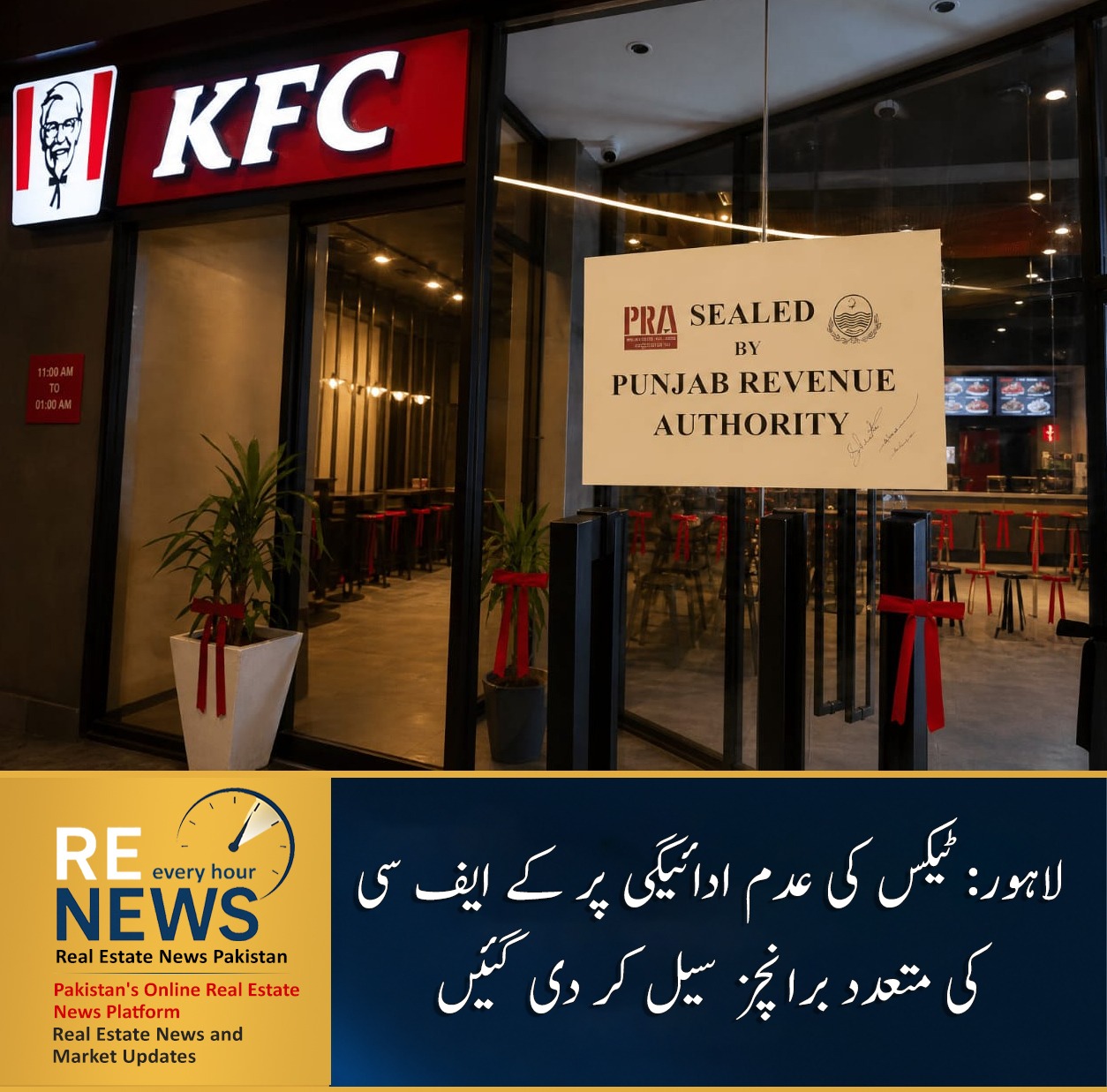
Lahore: Multiple KFC Branches Sealed Over Alleged Tax Non Payment
لاہور: ٹیکس کی عدم ادائیگی پر کے ایف سی کی متعدد برانچز سیل کر دی گئیں
▫️Tax enforcement action against food outlets gains pace after Double Shot coffee chain; Red Apple outlet also sealed in Islamabad
▫️ڈبل شاٹ کافی چین کے بعد فوڈ آؤٹ لیٹس کے خلاف ٹیکس انفورسمنٹ کارروائیوں میں تیزی، اسلام آباد میں ریڈ ایپل آؤٹ لیٹ بھی سیل
Lahore | ReNews PakistanThe Punjab Revenue Authority has sealed multiple branches of fast food chain KFC in Lahore over alleged...
Lahore | ReNews Pakistan The Punjab Revenue Authority has sealed multiple branches of fast food chain KFC in Lahore over alleged tax non compliance. According to sources, 5 KFC branches have been sealed in Lahore, including outlets located in DHA EME, Askari 10 and DHA Z Block. The action comes days after the Punjab Revenue Authority also sealed several branches of coffee chain Double Shot in Lahore over alleged misreporting of sales data and violations of electronic invoicing rules. In an order issued under Section 59A of the Punjab Sales Tax on Services Act, 2012, the PRA stated that the business had allegedly bypassed the mandatory Electronic Invoice Monitoring System and under declared taxable sales. Meanwhile, authorities in Islamabad also sealed a Red Apple outlet in F-6 Markaz over allegations of issuing unverified sales tax receipts. According to initial reports, the action was taken after concerns emerged regarding the alleged issuance of unauthenticated or improper tax invoices, prompting tax enforcement teams to intervene. KFC has not yet issued an official response on the matter.
لاہور | ری نیوز پاکستان پنجاب ریونیو اتھارٹی (پی آ ر اے) نے مبینہ ٹیکس عدم تعمیل پر لاہور میں فاسٹ فوڈ چین کے ایف سی کی متعدد برانچز سیل کر دی ہیں۔ذرائع کے مطابق لاہور میں کے ایف سی کی 5 برانچز کو سیل کیا گیا ہے، جن میں ڈی ایچ اے ای ایم ای، عسکری 10 اور ڈی ایچ اے زیڈ بلاک کی برانچز بھی شامل ہیں۔ یہ کارروائی ایسے وقت میں سامنے آئی ہے جب چند روز قبل پنجاب ریونیو اتھارٹی نے لاہور میں کافی چین 'ڈبل شاٹ' کی متعدد برانچز کو بھی مبینہ طور پر سیلز ڈیٹا کی غلط رپورٹنگ اور الیکٹرانک انوائس قوانین کی خلاف ورزی پر سیل کیا تھا۔پنجاب سیلز ٹیکس آن سروسز ایکٹ 2012 کی دفعہ 59 اے کے تحت جاری حکم نامے میں پی آر اے نے مؤقف اختیار کیا تھا کہ انہوں نے مبینہ طور پر لازمی الیکٹرانک انوائس مانیٹرنگ سسٹم کو بائی پاس کیا اور قابل ٹیکس سیلز کم ظاہر کیں۔ دوسری جانب اسلام آباد میں بھی حکام نے ایف 6 مرکز میں 'ریڈ ایپل' کے ایک آؤٹ لیٹ کو غیر تصدیق شدہ سیلز ٹیکس کی رسیدیں جاری کرنے کے الزام پر سیل کیا۔ابتدائی رپورٹس کے مطابق کارروائی اس وقت عمل میں لائی گئی جب مبینہ طور پر غیر مستند یا نامکمل ٹیکس انوائسز کے اجرا سے متعلق خدشات سامنے آئے، جس کے بعد ٹیکس انفورسمنٹ ٹیموں نے مداخلت کی۔کے ایف سی کی جانب سے معاملے پر تاحال مؤقف سامنے نہیں آیا۔
Published: June 19, 2026 at 3:04 PM
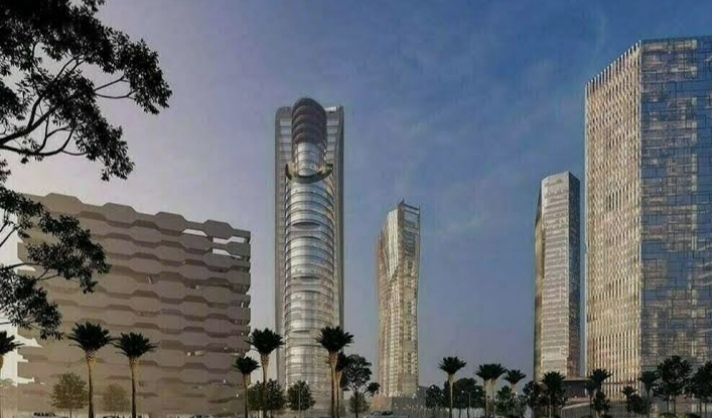
CEO CBD Punjab Reviews Progress on CBD Walk, CBD Lake and NSIT City Projects
سی ای او سی بی ڈی پنجاب کا سی بی ڈی واک، سی بی ڈی لیک اور این ایس آئی ٹی سٹی منصوبوں پر پیش رفت کا جائزہ
▫️Imran Amin directs project teams to maintain construction quality and meet development timelines
▫️عمران امین کی منصوبہ ٹیموں کو تعمیراتی معیار برقرار رکھنے اور ترقیاتی اہداف بروقت مکمل کرنے کی ہدایت
Lahore: [ReNews Pakistan]Punjab Central Business District Development Authority (PCBDDA) Chief Executive Officer Imran Amin has inspected major ongoing development projects,...
Lahore: [ReNews Pakistan] Punjab Central Business District Development Authority (PCBDDA) Chief Executive Officer Imran Amin has inspected major ongoing development projects, including CBD Walk, CBD Lake and NSIT City, to review construction progress and ensure the timely completion of the schemes. During the visit, the CEO assessed the pace and quality of work at different project sites and received detailed briefings from project teams regarding the current status of construction activities. The inspection was aimed at monitoring adherence to approved timelines, identifying any possible delays and ensuring that development standards are being maintained. Imran Amin stressed that all projects must be completed within the stipulated timeframe without compromising on quality. He said CBD Punjab’s development initiatives are an important part of Lahore’s modern urban and commercial transformation and must be delivered according to professional standards. The CEO was accompanied by Executive Director Technical Riaz Hussain, Director Construction Asif Babar, Director Engineering Umar Hayat and Project Manager NSIT City Yasir Saifullah. Senior officials from CBD Punjab, National Engineering Services Pakistan (NESPAK) and project contractors were also present during the inspection. Officials said the visit was part of the authority’s regular monitoring process to accelerate work on strategic infrastructure projects and ensure effective coordination among all stakeholders. CBD Punjab is currently working on several key urban development schemes, including CBD Walk, CBD Lake and NSIT City. These projects are designed to strengthen Lahore’s commercial landscape, promote modern planning and support future business and investment activity in the city.
لاہور: [ری نیوز پاکستان] پنجاب سینٹرل بزنس ڈسٹرکٹ ڈویلپمنٹ اتھارٹی کے چیف ایگزیکٹو آفیسر عمران امین نے سی بی ڈی واک، سی بی ڈی لیک اور این ایس آئی ٹی سٹی سمیت اہم جاری ترقیاتی منصوبوں کا دورہ کیا، جہاں انہوں نے تعمیراتی پیش رفت کا جائزہ لیا اور منصوبوں کی بروقت تکمیل یقینی بنانے کی ہدایات جاری کیں۔ دورے کے دوران سی ای او نے مختلف مقامات پر کام کی رفتار اور معیار کا معائنہ کیا، جبکہ منصوبہ ٹیموں نے انہیں جاری تعمیراتی سرگرمیوں کی موجودہ صورتحال پر تفصیلی بریفنگ دی۔ اس معائنے کا مقصد منظور شدہ ٹائم لائنز پر عملدرآمد، ممکنہ تاخیر کی نشاندہی اور ترقیاتی معیار کو برقرار رکھنا تھا۔ عمران امین نے زور دیا کہ تمام منصوبے مقررہ مدت کے اندر مکمل کیے جائیں اور تعمیراتی معیار پر کوئی سمجھوتہ نہ کیا جائے۔ انہوں نے کہا کہ سی بی ڈی پنجاب کے ترقیاتی اقدامات لاہور کی جدید شہری اور تجارتی تبدیلی کا اہم حصہ ہیں، جنہیں پیشہ ورانہ معیار کے مطابق پایہ تکمیل تک پہنچایا جانا ضروری ہے۔ دورے کے موقع پر ایگزیکٹو ڈائریکٹر ٹیکنیکل ریاض حسین، ڈائریکٹر کنسٹرکشن آصف بابر، ڈائریکٹر انجینئرنگ عمر حیات اور پراجیکٹ منیجر این ایس آئی ٹی سٹی یاسر سیف اللہ بھی سی ای او کے ہمراہ تھے۔ سی بی ڈی پنجاب، نیسپاک اور کنٹریکٹرز کے سینئر حکام بھی معائنے کے دوران موجود تھے۔ حکام کے مطابق یہ دورہ اتھارٹی کے باقاعدہ مانیٹرنگ عمل کا حصہ تھا، جس کا مقصد اسٹریٹجک انفراسٹرکچر منصوبوں پر کام کی رفتار تیز کرنا اور تمام متعلقہ اسٹیک ہولڈرز کے درمیان مؤثر رابطہ کاری یقینی بنانا ہے۔ سی بی ڈی پنجاب اس وقت سی بی ڈی واک، سی بی ڈی لیک اور این ایس آئی ٹی سٹی سمیت کئی اہم شہری ترقیاتی منصوبوں پر کام کر رہا ہے۔ یہ منصوبے لاہور کے تجارتی منظرنامے کو مضبوط بنانے، جدید منصوبہ بندی کو فروغ دینے اور شہر میں مستقبل کی کاروباری و سرمایہ کاری سرگرمیوں کو سہارا دینے کے لیے ڈیزائن کیے گئے