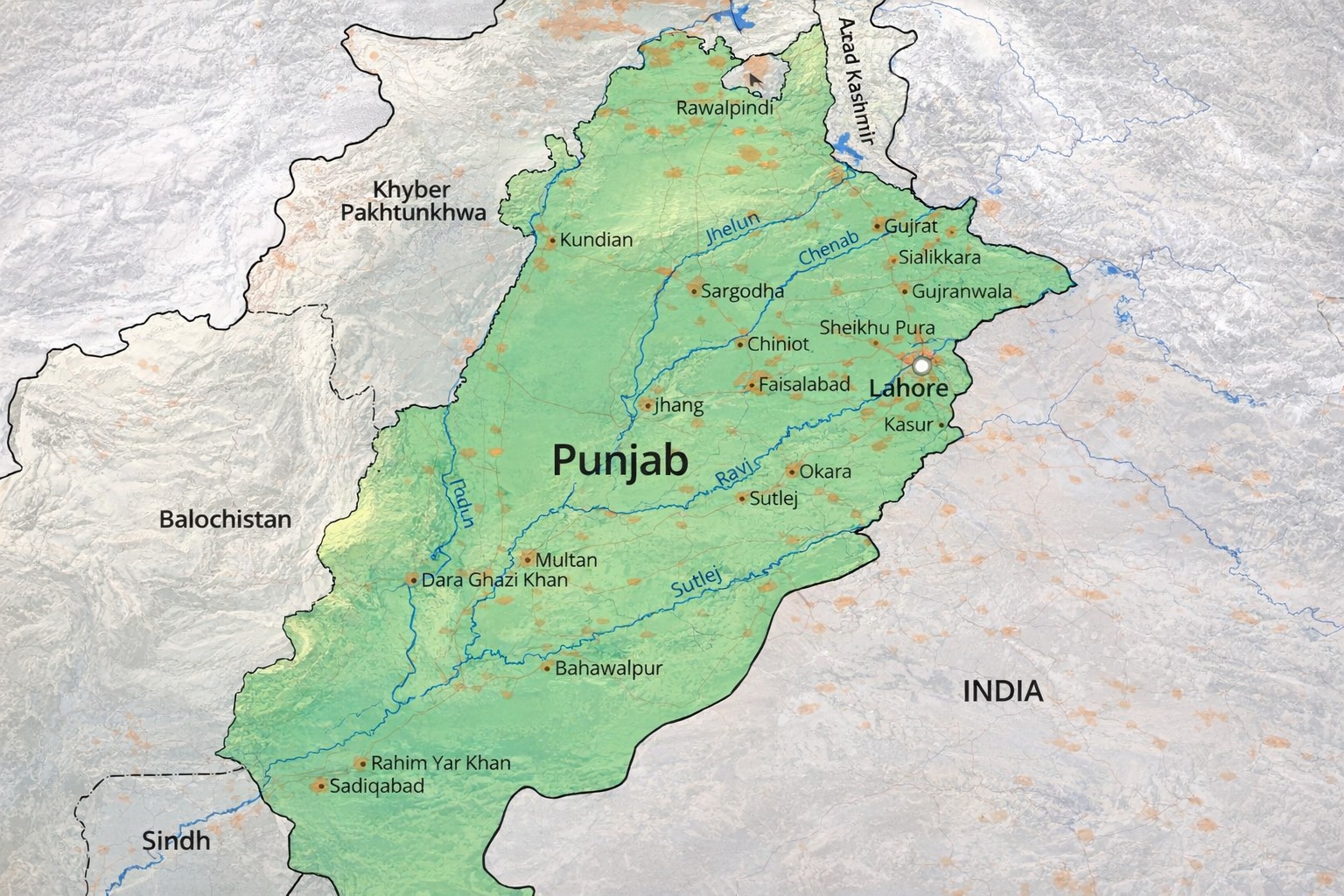
Governs agency overseeing land revenue, territorial boundaries, and land-related matters.
Punjab Land Records Authority
Providing citizens with property records, updating, and administration of Punjab and its rural land.
Provincial Housing & Town Planning Department
Managing urban development, housing policies, & town planning initiatives.
Punjab Urban Unit
Conducting research, data analysis, & urban management solutions.
Important Updates from Punjab
Real Estate & Land News
Published: August 28, 2026 at 5:55 PM
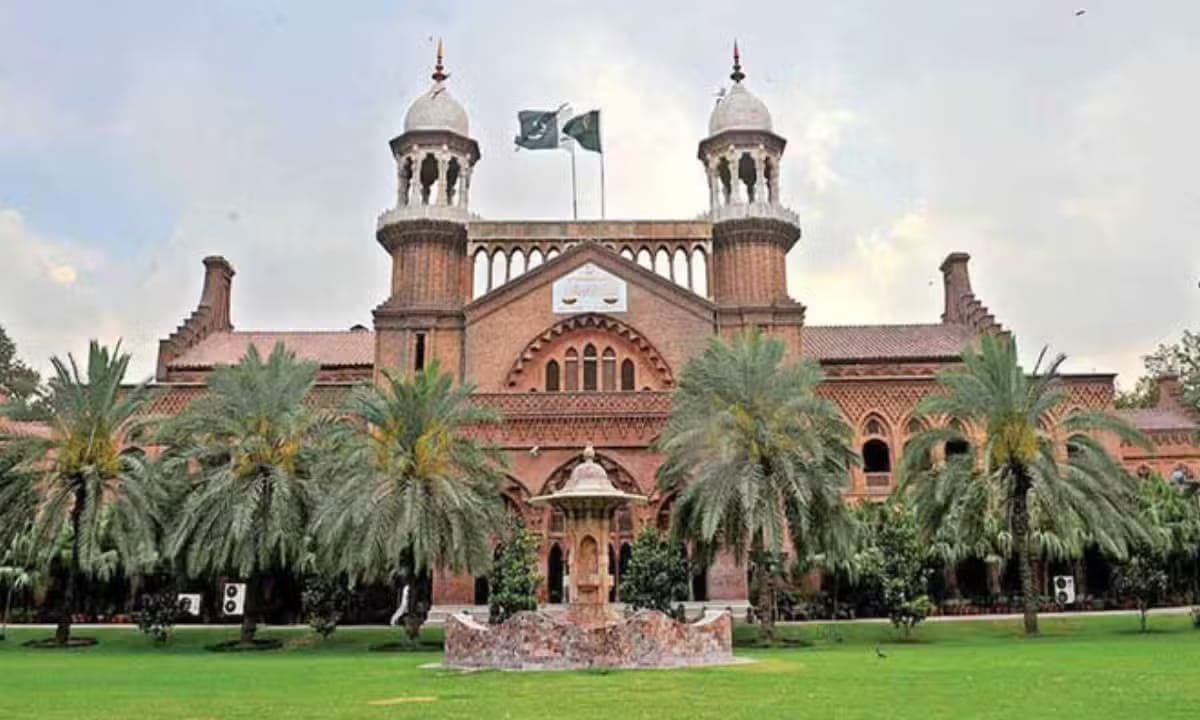
LHC Restrains Anti Corruption Department from Action Against Private Housing Society Members
لاہور ہائیکورٹ کا نجی ہاؤسنگ سوسائٹیز کے ممبران کیخلاف اینٹی کرپشن کارروائی روکنے کا حکم
▫️Court grants interim relief to cooperative society office bearer, questions Anti Corruption Department’s jurisdiction over housing society disputes
▫️عدالت نے کوآپریٹو سوسائٹی کے عہدیدار کو عبوری ریلیف دے دیا، ہاؤسنگ سوسائٹی کے تنازعات میں اینٹی کرپشن کے دائرہ اختیار پر سوال اٹھا دیا
Lahore | ReNews PakistanThe Lahore High Court (LHC) has restrained the Anti Corruption Department from taking disciplinary action against members...
Lahore | ReNews Pakistan The Lahore High Court (LHC) has restrained the Anti Corruption Department from taking disciplinary action against members of a private cooperative housing society, while examining the department’s jurisdiction to initiate inquiries into disputes involving private cooperative societies. Justice Muhammad Jawad Zafar heard a petition filed by Sheikh Sadaqat, general secretary of a private cooperative society, challenging the Anti Corruption Department’s intervention and inquiry against the society. During Friday’s proceedings, the court issued an interim stay against the inquiry and directed that no disciplinary action be taken against the petitioner until the next hearing. The case has been fixed for further proceedings on September 21. Advocate Mian Dawood appeared before the court on behalf of the petitioner, while the Anti Corruption Department submitted its written response. During the hearing, the prosecution maintained that under the Cooperative Societies Act, members of cooperative societies fall within the definition of public servants and can therefore come under the department’s anti-corruption jurisdiction. The petitioner’s counsel strongly contested this position, arguing that the Lahore High Court had already settled the issue in its earlier judgment in the Khalid Wasim case. According to the counsel, the court had previously held that members of cooperative societies could not be treated as public servants because they neither hold government positions nor receive salaries from the government treasury. The counsel further argued that in light of the earlier ruling, the Anti Corruption Department lacked legal authority to interfere in disputes concerning cooperative housing societies. He maintained that such matters should be dealt with by the Cooperative Department, which is the relevant regulatory and administrative forum for cooperative societies. The petitioner also alleged that the Anti Corruption Department had increasingly been used to initiate inquiries against citizens on the basis of unsubstantiated complaints. He claimed that such proceedings had resulted in unnecessary harassment and misuse of official authority. Describing the ongoing inquiry against the housing society as an example of alleged jurisdictional overreach, the petitioner’s counsel requested the court to declare the Anti Corruption Department’s proceedings unlawful and quash the inquiry. The latest interim order provides temporary relief to the petitioner and prevents disciplinary action against him until the next hearing. However, the court has yet to issue a final ruling on whether the Anti Corruption Department has jurisdiction over members and affairs of private cooperative housing societies. The case could have broader implications for the regulation of cooperative housing societies in Punjab, particularly regarding the respective roles and jurisdictions of the Anti Corruption Department and the Cooperative Department in dealing with complaints, administrative disputes and alleged irregularities within private housing societies.
لاہور | ری نیوز پاکستان لاہور ہائیکورٹ نے نجی کوآپریٹو ہاؤسنگ سوسائٹی کے ارکان کے خلاف اینٹی کرپشن ڈیپارٹمنٹ کو تادیبی کارروائی سے روک دیا ہے، جبکہ عدالت نے نجی کوآپریٹو سوسائٹیز سے متعلق تنازعات میں اینٹی کرپشن ڈیپارٹمنٹ کے دائرہ اختیار کا بھی جائزہ لینا شروع کر دیا ہے۔ جسٹس محمد جواد ظفر نے ایک نجی کوآپریٹو سوسائٹی کے جنرل سیکریٹری شیخ صداقت کی جانب سے دائر درخواست کی سماعت کی، جس میں اینٹی کرپشن ڈیپارٹمنٹ کی جانب سے سوسائٹی کے معاملات میں مداخلت اور شروع کی گئی انکوائری کو چیلنج کیا گیا تھا۔ جمعہ کو سماعت کے دوران عدالت نے اینٹی کرپشن ڈیپارٹمنٹ کی انکوائری کے خلاف عبوری حکم امتناع جاری کرتے ہوئے ہدایت کی کہ آئندہ سماعت تک درخواست گزار کے خلاف کوئی تادیبی کارروائی نہ کی جائے۔ عدالت نے کیس کی مزید سماعت کے لیے 21 ستمبر کی تاریخ مقرر کر دی۔ درخواست گزار کی جانب سے ایڈووکیٹ میاں داؤد عدالت میں پیش ہوئے، جبکہ اینٹی کرپشن ڈیپارٹمنٹ نے اپنا تحریری جواب عدالت میں جمع کرایا۔ سماعت کے دوران استغاثہ کی جانب سے مؤقف اختیار کیا گیا کہ کوآپریٹو سوسائٹیز ایکٹ کے تحت سوسائٹی کے ارکان ’’سرکاری ملازمین‘‘ کی تعریف میں آتے ہیں، لہٰذا ان کے خلاف اینٹی کرپشن ڈیپارٹمنٹ کی جانب سے کارروائی اور انکوائری کی جا سکتی ہے۔ درخواست گزار کے وکیل نے اس مؤقف کی مخالفت کرتے ہوئے کہا کہ لاہور ہائیکورٹ اپنے سابقہ فیصلے (خصوصاً خالد وسیم کیس میں) اس معاملے کی وضاحت کر چکی ہے۔ ان کے مطابق عدالت قرار دے چکی ہے کہ کوآپریٹو سوسائٹیز کے ارکان کو سرکاری ملازم قرار نہیں دیا جا سکتا، کیونکہ وہ نہ تو کسی سرکاری عہدے پر فائز ہوتے ہیں اور نہ ہی انہیں سرکاری خزانے سے تنخواہ ادا کی جاتی ہے۔ وکیل نے مزید مؤقف اختیار کیا کہ مذکورہ عدالتی فیصلے کی روشنی میں اینٹی کرپشن ڈیپارٹمنٹ کو نجی کوآپریٹو ہاؤسنگ سوسائٹیز کے تنازعات میں مداخلت کا قانونی اختیار حاصل نہیں رہا۔ ان کا کہنا تھا کہ کوآپریٹو سوسائٹیز سے متعلق معاملات اور تنازعات کی سماعت اور کارروائی کا مناسب فورم کوآپریٹو ڈیپارٹمنٹ ہے، نہ کہ اینٹی کرپشن ڈیپارٹمنٹ۔ درخواست گزار کے وکیل نے مزید الزام عائد کیا کہ گزشتہ کچھ عرصے کے دوران اینٹی کرپشن ڈیپارٹمنٹ کے ذریعے شہریوں کے خلاف بے بنیاد شکایات کی بنیاد پر انکوائریاں شروع کی جاتی رہی ہیں، جس سے انہیں غیر ضروری طور پر ہراساں کیے جانے اور اختیارات کے مبینہ غلط استعمال کے خدشات پیدا ہوئے ہیں۔ وکیل نے موجودہ انکوائری کو بھی دائرہ اختیار سے تجاوز کی مثال قرار دیتے ہوئے عدالت سے استدعا کی کہ اینٹی کرپشن ڈیپارٹمنٹ کی کارروائی کو غیر قانونی قرار دے کر جاری انکوائری ختم کی جائے۔ لاہور ہائیکورٹ کے تازہ عبوری حکم کے نتیجے میں درخواست گزار کو عارضی ریلیف مل گیا ہے اور آئندہ سماعت تک اس کے خلاف تادیبی کارروائی روک دی گئی ہے۔ تاہم، عدالت نے ابھی حتمی فیصلہ نہیں دیا کہ آیا اینٹی کرپشن ڈیپارٹمنٹ کو نجی کوآپریٹو ہاؤسنگ سوسائٹیز کے ارکان اور ان کے معاملات کے خلاف کارروائی کا قانونی اختیار حاصل ہے یا نہیں۔ اس مقدمے کے فیصلے کے پنجاب میں کوآپریٹو ہاؤسنگ سوسائٹیز کی نگرانی اور انتظامی معاملات پر وسیع اثرات مرتب ہو سکتے ہیں۔
Published: August 28, 2026 at 2:45 PM
Concerns Over Negative Social Media Campaigns Targeting DHA Lahore, Investors Urged to Remain Cautious
ڈی ایچ اے لاہور سے متعلق منفی سوشل میڈیا مہمات پر تشویش، سرمایہ کاروں کو محتاط رہنے کی ہدایت
▫️Unverified information could affect the market, investors and real estate professionals, says Ch Touqeer Asif, Director Information, DHA EAA
▫️غیر مصدقہ معلومات مارکیٹ، سرمایہ کاروں اور ریئل اسٹیٹ پروفیشنلز کو متاثر کر سکتی ہیں: چوہدری توقیر آ صف ڈائریکٹر انفارمیشن DHA اسٹیٹ ایجنٹس ایسوسی
Lahore | Riaz Hussain ReNews PakistanConcerns have emerged among stakeholders in the real estate sector over certain negative social media...
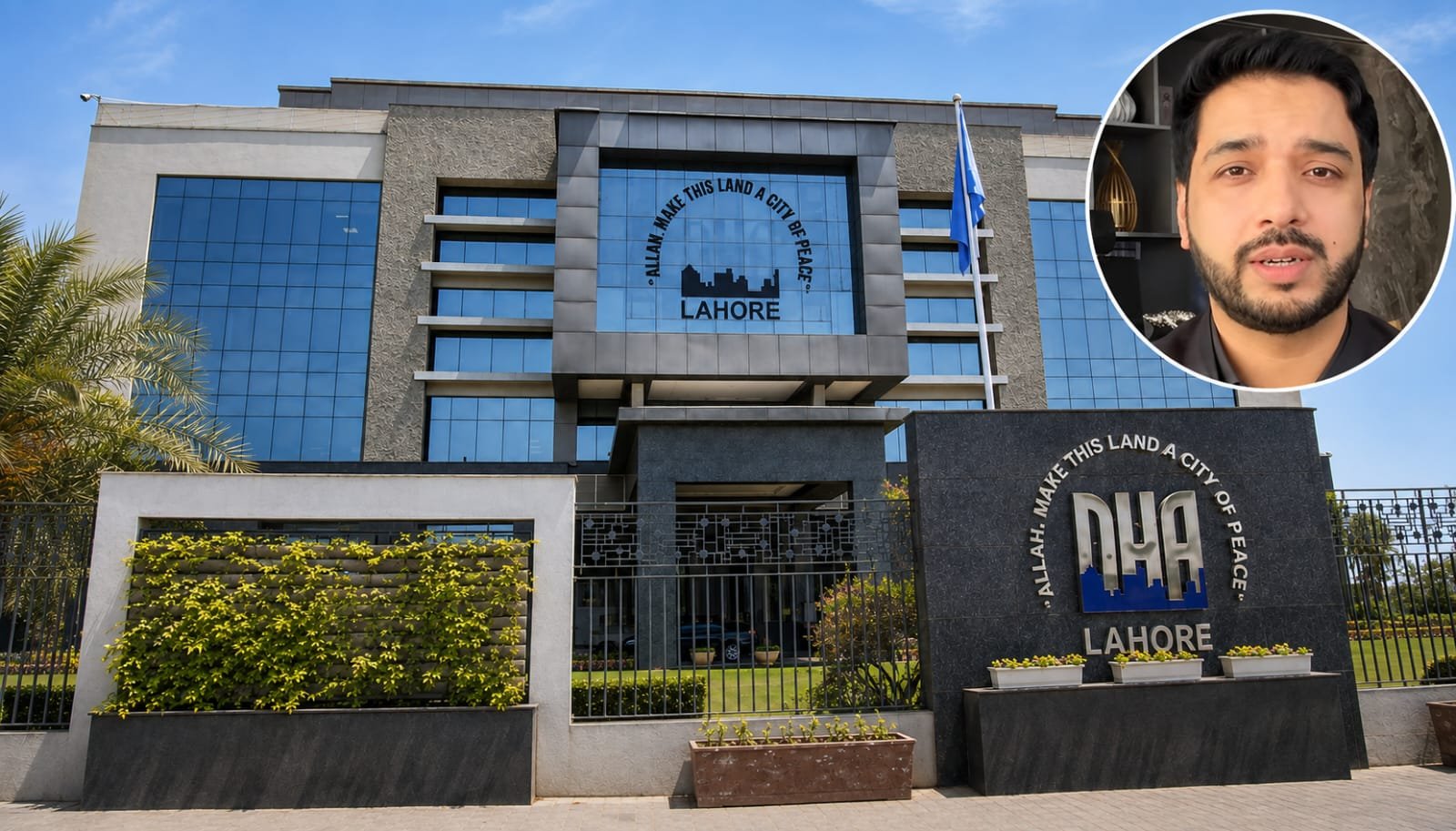
Lahore | Riaz Hussain ReNews Pakistan Concerns have emerged among stakeholders in the real estate sector over certain negative social media campaigns concerning DHA Lahore. Ch Touqeer Asif, Director Information of the DHA Estate Agents Association, said that unverified, misleading or one-sided information about the property market could undermine investor confidence and negatively affect real estate professionals and overall business activity. According to him, DHA Lahore is one of Pakistan’s major and prominent real estate markets, with nearly 200,000 members. In addition to investors from across Pakistan, overseas Pakistanis from various countries also invest in DHA Lahore and consider it an important market for property investment. Ch Touqeer Asif said that over the past few days, negative campaigns and commentary concerning different phases of DHA Lahore have appeared on certain social media accounts. He noted that, in some cases, the apparent objective of such activities may be to generate views, reach and social media engagement. However, he cautioned that the potential impact of irresponsible information should not be overlooked, particularly in a sensitive sector such as real estate. He said that any news, claim or allegation appearing on social media should not automatically be treated as fact and should instead be verified through relevant and credible sources. He particularly stressed that making property investment or buying and selling decisions on the basis of rumours or unverified information could expose buyers and investors to financial losses. The DHA Estate Agents Association also highlighted the importance of maintaining a professional code of conduct among real estate agents. According to the association, realtors operating in DHA Lahore have a responsibility to provide clients with accurate and verifiable information, avoid creating unnecessary fear or uncertainty in the market, and adhere to professional and ethical standards in property transactions. Ch Touqeer Asif further said that the business activity of the large real estate community associated with DHA Lahore depends significantly on market confidence and a stable business environment. He urged all stakeholders to act responsibly when disseminating information and to verify facts thoroughly before forming opinions or making decisions about any property-related matter.
لاہور : ریاض حسین ری نیوز پاکستان ڈی ایچ اے لاہور کے حوالے سے سوشل میڈیا پر جاری بعض منفی مہمات نے رئیل اسٹیٹ مارکیٹ سے وابستہ حلقوں میں تشویش پیدا کر دی ہے۔ ڈی ایچ اے اسٹیٹ ایجنٹس ایسوسی ایشن کے ڈائریکٹر انفارمیشن چوہدری توقیر آصف نے کہا ہے کہ پراپرٹی مارکیٹ سے متعلق غیر مصدقہ، گمراہ کن یا یکطرفہ معلومات نہ صرف سرمایہ کاروں کے اعتماد کو متاثر کر سکتی ہیں بلکہ ریئل اسٹیٹ پروفیشنلز اور مجموعی کاروباری سرگرمیوں پر بھی منفی اثرات مرتب کر سکتی ہیں۔ ان کے مطابق ڈی ایچ اے لاہور پاکستان کی نمایاں اور بڑی رئیل اسٹیٹ مارکیٹس میں شمار ہوتا ہے، جہاں تقریباً دو لاکھ کے قریب ممبرز موجود ہیں۔ ملک کے مختلف حصوں کے علاوہ بیرون ملک مقیم پاکستانی بھی ڈی ایچ اے لاہور میں سرمایہ کاری کرتے ہیں اور اسے اپنی پراپرٹی سرمایہ کاری کے لیے ایک اہم مارکیٹ تصور کرتے ہیں۔ چوہدری توقیر آصف نے کہا کہ گزشتہ چند روز کے دوران ڈی ایچ اے لاہور کے مختلف فیزز کے حوالے سے بعض سوشل میڈیا اکاؤنٹس پر منفی نوعیت کی مہمات اور تبصرے سامنے آئے ہیں۔ ان کے بقول بعض معاملات میں ایسی سرگرمیوں کا بنیادی مقصد ویوز، ریچ اور سوشل میڈیا انگیجمنٹ حاصل کرنا بھی ہو سکتا ہے، تاہم پراپرٹی جیسے حساس شعبے میں غیر ذمہ دارانہ معلومات کے ممکنہ اثرات کو نظر انداز نہیں کیا جا سکتا۔ انہوں نے کہا کہ سوشل میڈیا پر سامنے آنے والی کسی بھی خبر یا دعوے کو حتمی حقیقت سمجھنے کے بجائے اس کی تصدیق متعلقہ اور مستند ذرائع سے کی جانی چاہیے۔ بالخصوص پراپرٹی کی خرید و فروخت اور سرمایہ کاری کے معاملات میں افواہوں یا غیر مصدقہ اطلاعات کی بنیاد پر فیصلے کرنے سے خریداروں اور سرمایہ کاروں کو مالی نقصان کا سامنا ہو سکتا ہے۔ ڈی ایچ اے اسٹیٹ ایجنٹس ایسوسی ایشن نے اس موقع پر رئیل اسٹیٹ ایجنٹس کے لیے ضابطۂ اخلاق کی اہمیت پر بھی زور دیا۔ ایسوسی ایشن کے مطابق ڈی ایچ اے لاہور میں کام کرنے والے ریئلٹرز کی ذمہ داری ہے کہ وہ اپنے کلائنٹس کو درست اور قابلِ تصدیق معلومات فراہم کریں، مارکیٹ کے بارے میں غیر ضروری خوف یا بے یقینی پیدا کرنے سے گریز کریں اور پراپرٹی کے لین دین میں پیشہ ورانہ اور اخلاقی اصولوں کو ملحوظ خاطر رکھیں۔ چوہدری توقیر آصف نے کہا کہ ڈی ایچ اے لاہور سے وابستہ وسیع ریئل اسٹیٹ کمیونٹی کی کاروباری سرگرمیوں کا انحصار مارکیٹ میں اعتماد اور مثبت کاروباری ماحول پر ہے، اس لیے تمام اسٹیک ہولڈرز کو چاہیے کہ وہ معلومات کی ترسیل میں ذمہ داری کا مظاہرہ کریں اور کسی بھی معاملے پر رائے قائم کرنے سے قبل حقائق کی مکمل تصدیق کریں۔
Published: August 28, 2026 at 11:34 AM
Turning Punjab’s Idle Government Assets into Economic Resources Becomes A Major Challenge
پنجاب حکومت کو صوبے کے غیر فعال سرکاری اثاثے معاشی وسائل میں تبدیل کرنے کا بڑا چیلنج درپیش
▫️Proposal calls for a digital inventory, improved management, and transparent leasing or partnerships to generate revenue from underutilised government land and buildings
▫️کم استعمال ہونے والی سرکاری زمینوں اور عمارتوں کی ڈیجیٹل فہرست، بہتر مینجمنٹ اور شفاف لیز یا شراکت داری سے آمدنی بڑھانے کی تجویز
Lahore | ReNews PakistanThe proposed establishment of the Punjab Asset Management Authority to identify, manage and derive economic benefits from...
Lahore | Re News Pakistan The proposed establishment of the Punjab Asset Management Authority to identify, manage and derive economic benefits from idle and underutilised government assets is being viewed as a significant development in the province’s real estate and public financial management. Government departments, autonomous bodies and other public organisations control vast tracts of land, buildings and other properties that have long remained scattered across different administrative systems, with a considerable portion either unused or inefficiently utilised. Many government assets are not only underutilised but also vulnerable to encroachments, informal occupation and poor management. In some cases, comprehensive information about their current market value, legal status and potential future use is unavailable. Under such circumstances, a centralised and professional asset management system could play a key role in transforming public property from mere entries in official records into productive resources serving economic and public interests. The proposed authority’s most important task would be to prepare a comprehensive digital record of government land, buildings and other properties across the province. A geographic information system (GIS)-based database could consolidate each asset’s location, area, ownership, current use, legal status, structural condition and potential market value in a centralised system. In a province as large as Punjab, fragmented records among different government institutions are a major challenge. In some cases, land may be owned by one institution, used by another department and administered by a third. A central digital system could help reduce such administrative gaps while also revealing the accurate number and true economic potential of government assets. According to real estate experts, activating government assets should not mean selling every valuable plot or building. Modern asset management focuses primarily on ensuring the best and most appropriate use of each property. Land that may be needed in the future for hospitals, schools, universities, parks, transport infrastructure or other public projects should be preserved in line with long-term public needs rather than immediately commercialised. At the same time, government properties with limited current use could be brought into economic activity through long-term leases, joint development projects or public-private partnerships. Under this model, the government could retain ownership of the land while obtaining capital, technology and management expertise from the private sector. This could generate a sustained stream of revenue without permanently selling public assets. Underutilised government land located in major urban centres is considered particularly important. Subject to proper master planning, zoning and legal requirements, some sites could be converted into commercial, residential, industrial or mixed-use developments. This could not only provide financial benefits to the government but also create opportunities for new investment, employment and urban development. However, any plan to improve the use of government assets cannot succeed without strong systems of transparency and accountability. Public land is highly sensitive in relation to political and business interests, creating a persistent risk of non-transparent decisions in its sale, leasing or development partnerships. For this purpose, independent and professional valuations would be essential before any major transaction. Publishing basic information such as market value, the valuation methodology, reserve price, bidding rules, successful bidder and final financial terms could improve transparency. Making information about government assets and major related financial transactions available through a modern digital platform could strengthen the confidence of both investors and the public. Oversight of the authority’s performance should not be limited to annual audits. Measurable targets would need to be established, including the number of assets identified, surveys completed, land recovered from encroachments, development projects launched and revenue generated. Quarterly or biannual performance reports would make it possible to assess whether the institution is genuinely converting public wealth into productive resources or merely functioning as another layer of administration. The initiative could also face risks including overlapping jurisdictions, bureaucratic resistance and political interference. In the past, unclear divisions of authority and weak implementation have been major reasons why various reform bodies and task forces failed to deliver the desired results. The new authority would therefore require clearly defined legal powers, effective access to departmental records and the involvement of experts in real estate, finance, law, urban planning and asset management. Ultimately, the success of the Punjab Asset Management Authority will be determined not by its establishment but by its practical results. If the province succeeds in compiling a comprehensive digital record of its government assets, determining their accurate market value, recovering valuable land from illegal occupation and transparently converting idle properties into revenue or public benefit, the initiative could represent a major reform in Punjab’s real estate and financial management. However, if transparency, independent oversight and accountability are ignored, and the authority remains merely another bureaucratic layer, its core objectives could be undermined. The idea of converting Punjab’s idle government assets into productive resources is economically sound, but its success will depend on complete digital records, accurate valuations, transparent decision-making, independent oversight and clearly measurable outcomes.
لاہور | ری نیوز پاکستان پنجاب میں غیر فعال اور کم استعمال ہونے والے سرکاری اثاثوں کی نشاندہی، انتظام اور ان سے معاشی فوائد حاصل کرنے کے لیے مجوزہ پنجاب اثاثہ جات مینجمنٹ اتھارٹی کے قیام کو صوبے کے رئیل اسٹیٹ اور عوامی مالیاتی انتظام میں اہم پیش رفت قرار دیا جا رہا ہے۔ صوبائی محکموں، خودمختار اداروں اور دیگر سرکاری تنظیموں کے پاس موجود وسیع رقبے پر مشتمل زمینیں، عمارتیں اور دیگر جائیدادیں طویل عرصے سے مختلف انتظامی نظاموں میں بکھری ہوئی ہیں، جن میں سے ایک قابلِ ذکر حصہ مکمل یا مؤثر طور پر استعمال نہیں ہو رہا۔ متعدد سرکاری اثاثے کم استعمال ہونے کے ساتھ ساتھ تجاوزات، غیر رسمی قبضوں یا ناقص انتظام کا بھی شکار ہیں، جبکہ بعض جائیدادوں کی موجودہ مارکیٹ ویلیو، قانونی حیثیت اور مستقبل میں ممکنہ استعمال سے متعلق جامع معلومات دستیاب نہیں۔ ایسے حالات میں ایک مرکزی اور پیشہ ورانہ اثاثہ جاتی نظام سرکاری ملکیت کو محض ریکارڈ کا حصہ رکھنے کے بجائے اسے معاشی اور عوامی فائدے کے لیے فعال بنانے میں اہم کردار ادا کرسکتا ہے۔ مجوزہ اتھارٹی کے لیے سب سے اہم کام صوبے بھر میں سرکاری زمینوں، عمارتوں اور دیگر املاک کا جامع ڈیجیٹل ریکارڈ تیار کرنا ہوگا۔ جغرافیائی معلوماتی نظام (GIS) پر مبنی ڈیٹا بیس کے ذریعے ہر اثاثے کا مقام، رقبہ، ملکیت، موجودہ استعمال، قانونی حیثیت، تعمیراتی حالت اور ممکنہ مارکیٹ ویلیو ایک مرکزی نظام میں شامل کی جاسکتی ہے۔ پنجاب جیسے بڑے صوبے میں مختلف سرکاری اداروں کے درمیان ریکارڈ کا بکھرا ہونا ایک اہم مسئلہ ہے۔ بعض معاملات میں زمین کسی ایک ادارے کی ملکیت میں ہوتی ہے، استعمال کسی دوسرے محکمے کے پاس جبکہ انتظامی اختیار کسی تیسرے ادارے کے پاس ہوسکتا ہے۔ مرکزی ڈیجیٹل نظام اس نوعیت کے انتظامی خلا کو کم کرنے کے ساتھ ساتھ سرکاری اثاثوں کی درست تعداد اور اصل معاشی صلاحیت سامنے لانے میں مدد دے سکتا ہے۔ رئیل اسٹیٹ ماہرین کے مطابق سرکاری اثاثوں کو فعال بنانے کا مطلب یہ نہیں ہونا چاہیے کہ ہر قیمتی زمین یا عمارت فروخت کردی جائے۔ جدید اثاثہ جاتی انتظام میں بنیادی توجہ ہر جائیداد کے بہترین اور موزوں استعمال پر دی جاتی ہے۔ ایسی زمینیں جو مستقبل میں ہسپتال، اسکول، یونیورسٹی، پارک، ٹرانسپورٹ انفراسٹرکچر یا دیگر عوامی منصوبوں کے لیے درکار ہوسکتی ہیں، انہیں فوری طور پر کمرشلائز کرنے کے بجائے طویل مدتی عوامی ضروریات کے تناظر میں محفوظ رکھنا زیادہ مناسب ہوگا۔ دوسری جانب ایسی سرکاری جائیدادیں جن کا موجودہ استعمال محدود ہے، انہیں طویل مدتی لیز، مشترکہ ترقیاتی منصوبوں یا پبلک پرائیویٹ پارٹنرشپ کے ذریعے معاشی سرگرمی کا حصہ بنایا جاسکتا ہے۔ اس ماڈل میں حکومت زمین کی ملکیت برقرار رکھتے ہوئے نجی شعبے سے سرمایہ، ٹیکنالوجی اور انتظامی مہارت حاصل کرسکتی ہے، جس کے نتیجے میں سرکاری اثاثہ مستقل طور پر فروخت کیے بغیر حکومت کے لیے مسلسل آمدنی کا ذریعہ بن سکتا ہے۔ بڑے شہری مراکز میں واقع کم استعمال ہونے والی سرکاری زمینیں خاص طور پر اہم سمجھی جاتی ہیں۔ مناسب ماسٹر پلاننگ، زوننگ اور قانونی تقاضوں کے تحت بعض مقامات کو تجارتی، رہائشی، صنعتی یا مخلوط استعمال کے منصوبوں میں تبدیل کیا جاسکتا ہے۔ اس عمل سے نہ صرف حکومت کو مالی فائدہ حاصل ہوسکتا ہے بلکہ نئی سرمایہ کاری، روزگار اور شہری ترقی کے مواقع بھی پیدا ہوسکتے ہیں۔ تاہم سرکاری اثاثوں کے بہتر استعمال کا پورا منصوبہ شفافیت اور احتساب کے مضبوط نظام کے بغیر مؤثر ثابت نہیں ہوسکتا۔ سرکاری زمینیں سیاسی اور کاروباری مفادات کے حوالے سے حساس نوعیت رکھتی ہیں، اس لیے ان کی فروخت، لیز یا ترقیاتی شراکت داری میں غیر شفاف فیصلوں کا خدشہ ہمیشہ موجود رہتا ہے۔ اس مقصد کے لیے ہر بڑے لین دین سے قبل آزادانہ اور پیشہ ورانہ ویلیوایشن ضروری ہوگی۔ مارکیٹ ویلیو، قیمت کے تعین کا طریقہ کار، کم از کم قیمت، بولی کے قواعد، کامیاب بولی دہندہ اور حتمی مالی شرائط جیسی بنیادی معلومات عوام کے سامنے لانے سے شفافیت میں اضافہ کیا جاسکتا ہے۔ ایک جدید ڈیجیٹل پلیٹ فارم کے ذریعے سرکاری اثاثوں اور ان سے متعلق بڑے مالی معاملات کی معلومات دستیاب کرانا سرمایہ کاروں اور عوام دونوں کا اعتماد بڑھا سکتا ہے۔ اتھارٹی کی کارکردگی کی نگرانی بھی صرف سالانہ آڈٹ تک محدود نہیں ہونی چاہیے۔ اس کے لیے قابلِ پیمائش اہداف مقرر کرنا ضروری ہوگا، جن میں شناخت کیے گئے اثاثوں کی تعداد، مکمل کیے گئے سروے، تجاوزات سے واگزار کرائی گئی زمین، شروع کیے گئے ترقیاتی منصوبے اور ان سے حاصل ہونے والی آمدنی شامل ہوسکتی ہے۔ سہ ماہی یا ششماہی کارکردگی رپورٹس کے ذریعے یہ جانچنا ممکن ہوگا کہ ادارہ واقعی سرکاری دولت کو پیداواری وسائل میں تبدیل کر رہا ہے یا محض ایک اضافی انتظامی ڈھانچے کے طور پر کام کر رہا ہے۔ اس منصوبے کو اختیارات کے باہمی ٹکراؤ، بیوروکریسی کی مزاحمت اور سیاسی مداخلت جیسے ممکنہ خطرات کا بھی سامنا ہوسکتا ہے۔ ماضی میں مختلف اصلاحاتی اداروں اور ٹاسک فورسز کے مطلوبہ نتائج حاصل نہ کرنے کی ایک بڑی وجہ اختیارات کی غیر واضح تقسیم اور کمزور عمل درآمد رہی ہے۔ اس لیے نئی اتھارٹی کے لیے واضح قانونی اختیارات، سرکاری محکموں کے ریکارڈ تک مؤثر رسائی اور رئیل اسٹیٹ، فنانس، قانون، شہری منصوبہ بندی اور اثاثہ جاتی انتظام کے ماہرین کی شمولیت ناگزیر ہوگی۔ بالآخر پنجاب اثاثہ جات مینجمنٹ اتھارٹی کی کامیابی کا تعین اس کے قیام سے نہیں بلکہ اس کے عملی نتائج سے ہوگا۔ اگر صوبہ اپنے سرکاری اثاثوں کا جامع ڈیجیٹل ریکارڈ مرتب کرنے، ان کی درست مارکیٹ ویلیو طے کرنے، غیر قانونی قبضوں سے قیمتی زمین واگزار کرانے اور غیر فعال جائیدادوں کو شفاف طریقے سے آمدنی یا عوامی فائدے میں تبدیل کرنے میں کامیاب ہوجاتا ہے تو یہ پنجاب کے رئیل اسٹیٹ اور مالیاتی انتظام میں ایک اہم اصلاح ثابت ہوسکتی ہے۔ تاہم اگر شفافیت، آزادانہ نگرانی اور جواب دہی کو نظرانداز کیا گیا اور اتھارٹی محض ایک نئی بیوروکریٹک سطح تک محدود رہی تو اس منصوبے کے بنیادی مقاصد متاثر ہوسکتے ہیں۔ پنجاب کے غیر فعال سرکاری اثاثوں کو پیداواری وسائل میں تبدیل کرنے کا تصور معاشی اعتبار سے مضبوط ضرور ہے، مگر اس کی حقیقی کامیابی مکمل ڈیجیٹل ریکارڈ، درست ویلیوایشن، شفاف فیصلوں، آزادانہ نگرانی اور واضح طور پر قابلِ پیمائش نتائج سے مشروط ہوگی۔